The words that explain how people behave, and the everyday customs that follow from them.
Some Japanese words carry a rule of behaviour inside them. To read the air is to know what a room expects without being told; honne and tatemae separate what a person feels from what they say.
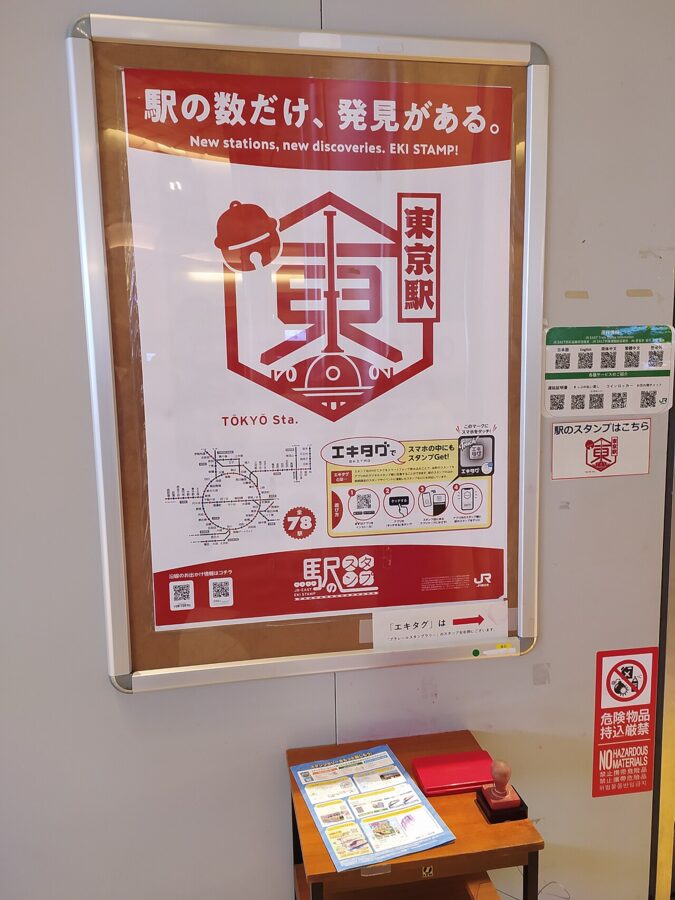
Each article here starts from the word and its literal sense, then shows how people actually use it: at work, as guests, in a family and in public life. The everyday habits that follow from those words are here too, from bowing and honorifics to the station stamps people collect in small notebooks.
What kūki wo yomu, "reading the air", means and where it came from: the 2007 slang KY, Yamamoto Shichihei's 1977 study of the air, its cousins sontaku, honne and tatemae, the people who refuse to read it, and how a newcomer can learn to.
Japan's station stamps, from the first at Fukui in 1931 to JR East's Pokémon rally and the 2017 Star Wars rally on the Toyoko Line, with goshuin, road-station stamps, manhole cards, castle stamps and the new tap-to-collect apps.