


On 2 June 2016, after a Japan training session, Yuto Nagatomo (長友佑都) stopped for reporters who already knew what the photo weekly FRIDAY would print the next morning. He confirmed that he was seeing the actress Airi Taira (平愛梨), said he wanted to marry her, and added the line that stuck: “She is my amore. It means the person I love, in Italian.”
Taira posted her own account on her blog the same day, before the magazine could. The next day she was in the stands at Toyota Stadium for Japan’s Kirin Cup match against Bulgaria, and the wide shows had a new word.
Seven months later, on 29 January 2017, she wrote a different name on the same blog. “The flutter of a name changing,” she told her readers, and then the name itself: Nagatomo Airi. Nearly ten years on, her agency still lists her as Taira Airi, the television captions say Taira, and the press, when it wants a headline, still calls her Nagatomo’s amore.
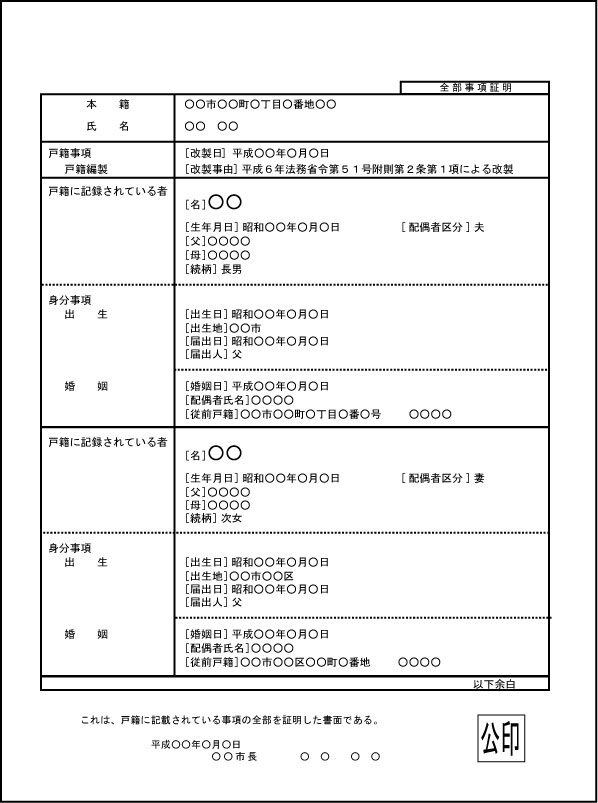
All three are correct, and the gap between them is a piece of Japanese law that the Supreme Court has twice declined to change.

In this article
From Kobe to Kanna: the career before 2016
Taira was born on 12 December 1984 in Kobe and grew up in neighbouring Akashi, in Hyogo Prefecture. She is the eldest daughter of six children, and the youngest of them, Yuna, is now an actress too. She moved to Tokyo at 14.

Her start came in 1999 through a television audition on MBS for the part of the younger sister of ISSA, DA Pump’s singer, in the film Dream Maker. She won the grand prix. Her agency today is Rising Production, which also manages DA Pump, and its profile page for her still uses the name Taira.
The decade that followed was steady supporting work: a pupil in the 2001 series of the TBS school drama San-nen B-gumi Kinpachi Sensei (Kinpachi Sensei) and a role in Fuji TV’s Hanazakari no Kimitachi e (Hana-Kimi) in 2007. Then came Kanna Endo, the heroine of the second and third films of Nijusseiki Shōnen (20th Century Boys), released in 2009. The part brought her the newcomer award at the 33rd Japan Academy Film Prize in 2010.
The tennen years
Film made her known; variety television made her famous. From March 2011 she was a Thursday regular on Nippon TV’s lunchtime show Hirunandesu!, and audiences took to her as tennen (天然, “natural”), the word for a performer whose slips and odd logic seem unrehearsed. A tennen guest is funny because she does not seem to read the air, and Taira played the part without ever appearing to play it.


She kept acting alongside it: the lead in Kuroneko, Tokidoki Hanaya in 2013, the horror film Juon: Za Fainaru (Ju-on: The Final Curse) in 2015, and the narration for the second season of NHK’s manga series Urasawa Naoki no Manben (Manben) in 2016. A photo book, Another Me, came out in September 2016, three months into the amore summer.
Amore: June to December 2016
Her blog post of 2 June set out the facts before FRIDAY could set out its version: they had been together about a year, and had met over a meal for three arranged through the comedian Sanpei, her close friend and a devoted Nagatomo fan. Nagatomo had asked her to “follow me, with marriage in mind”. She had told her agency at the start of the year and, as she wrote twice for emphasis, she was not pregnant.
A word chosen in a hurry, outside a training ground, to get ahead of a magazine, ended the year on a prize list.
The word did the rest. In December the U-Can New Words and Buzzwords Awards put “amore” in its 2016 top ten, by unanimous vote of the selectors, who wrote that it gave the wide shows a moment of warmth in a year of affair scandals. Nagatomo was playing in Italy, so the citation records who went up to collect it: “his amore, the actress Airi Taira”. She called it a prize the two of them had won together.


On 24 December 2016 the two held an engagement press conference in Tokyo and named the date: 29 January 2017. Nagatomo had proposed at San Siro, Inter Milan’s ground. Taira said she would scale back her acting and move to Italy at the end of January, and she was firm that she was not retiring.
29 January 2017: the register and the name
Nagatomo was in Milan on the day, so Taira and her family handed in the marriage notification, the kon’in todoke (婚姻届), in Japan without him. Both announced it online. He wrote of “a life of mountains and valleys” and of the two of them holding each other up; she wrote of the moment the form was accepted, and of her new name.
She finished her last jobs in early February. Her final television appearance before the move was Nippon TV’s School Kakumei! on 12 February. The couple held their wedding at a Tokyo hotel on 24 June 2017, with the national team players Shinji Kagawa and Atsuto Uchida among the guests.
Yuto Nagatomo in brief
Nagatomo was born on 12 September 1986 in what is now Saijo, Ehime Prefecture, and played at Meiji University. He signed for FC Tokyo in 2008 while still a student, was called up by Japan that May, and was a full-back at the 2010 World Cup in South Africa. Italy followed: Cesena in 2010, then Inter Milan from January 2011.
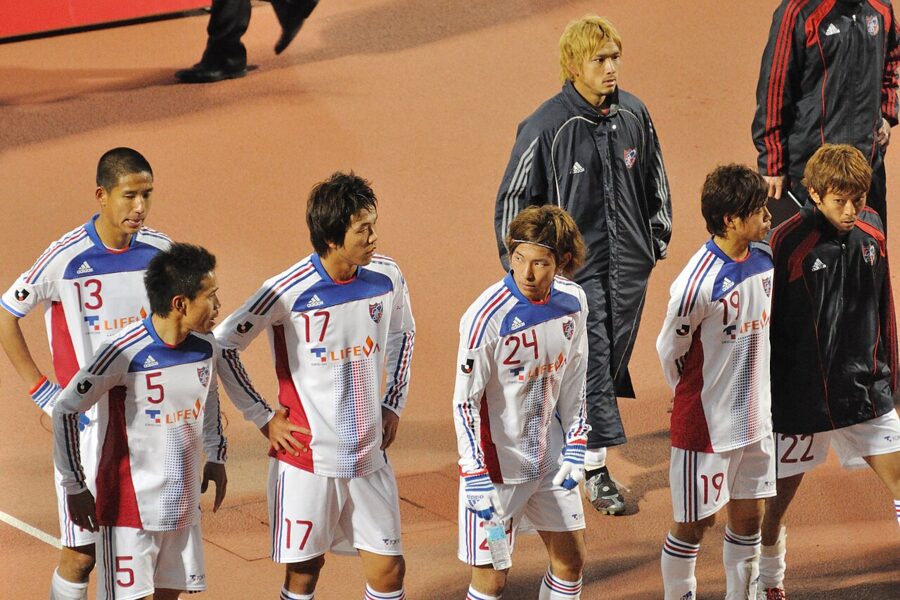

He stayed at Inter for seven years, won the Coppa Italia in his first season and set up the winning goal in Japan’s 2011 Asian Cup final. In 2018 he moved to Galatasaray, where he won the Turkish league twice, then spent 2020–21 at Marseille. He came home to FC Tokyo in 2021.


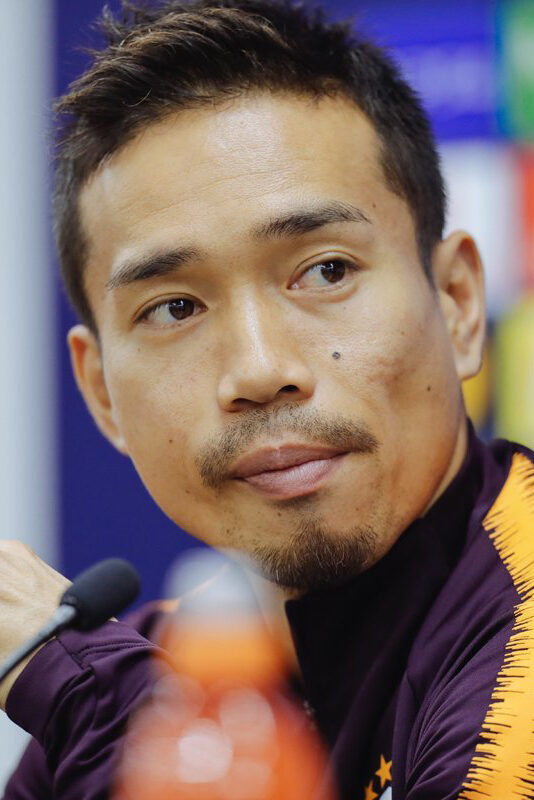


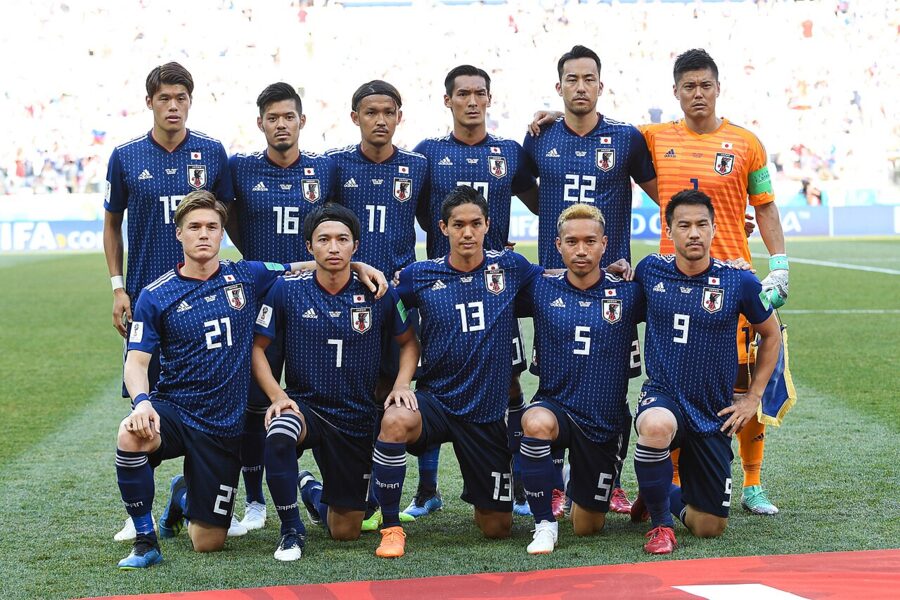
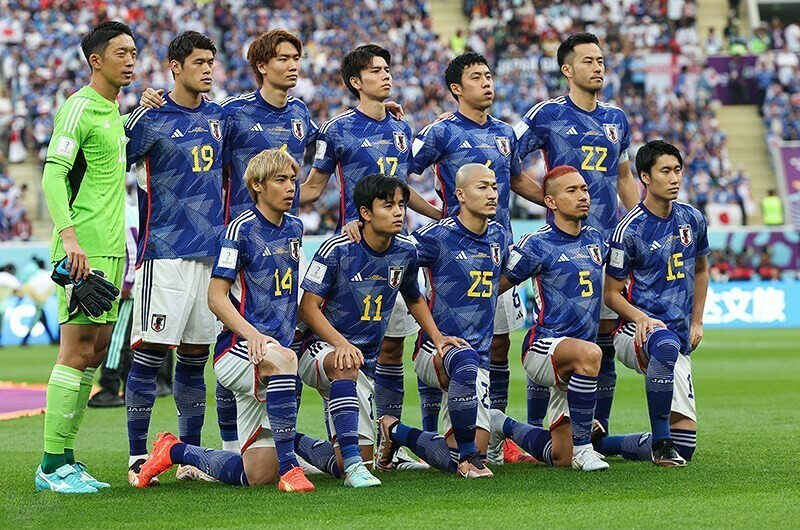
The national team is where his name lasts. He went to the World Cups of 2010, 2014, 2018 and 2022, and in 2026 became the first Japanese player selected for five in a row. At the finals in North America he came on as a substitute in the group stage, and Japan went out to Brazil in the round of 32, beaten 2–1 in stoppage time.

His contract with FC Tokyo ran out after the short spring season, and he admitted he had been leaning towards retirement. On 8 August 2026 he signed again with FC Tokyo and gave his reasons at Ajinomoto Stadium. One was his wife: “Airi told me she wanted me to keep playing,” he said, because his body still moved well and he had no injuries, and stopping now would be a waste. In September he called on Governor Yuriko Koike to report on the World Cup and the new contract.

What a name change means in Japan
Stage names and legal names
A geimei (芸名, “stage name”) has no legal standing at all. It is whatever a performer and her agency choose to put on the credits, and nothing obliges it to match the family register. Some performers invent one: Yoshiki of X Japan, whose kimono label also carries the name, dropped his family name entirely. Others work under the name they were born with, as Arashi’s Sho Sakurai does.
She was born Taira, built her career as Taira, and kept it as a working name when the register changed. Her husband calls her Airi; the screen calls her Taira; the register says Nagatomo.
One surname per register
The register is the koseki (戸籍, “family register”), the record of births, marriages and deaths that Japan keeps by household rather than by individual. Article 750 of the Civil Code says that a husband and wife take “the surname of the husband or of the wife” as decided at marriage. One of them must give theirs up, and the form will not be accepted until the box is ticked.

The law is neutral on which name; practice is not. According to the Ministry of Justice, citing the national vital statistics, about 94.1% of couples who married in 2024 took the husband’s surname. The rule itself is younger than it looks: commoners were only allowed surnames from 1870, and in 1876 the government told wives to keep their birth names. The shared name arrived with the household system of the 1898 Civil Code, and the 1947 revision kept it while letting couples choose either spouse’s.
Since 2019 a former surname, the kyūsei (旧姓), can be printed in brackets beside the legal one on the My Number card and the driving licence. That helps a woman who keeps working under her old name. It does not make the old name hers in law.
Two Supreme Court rulings
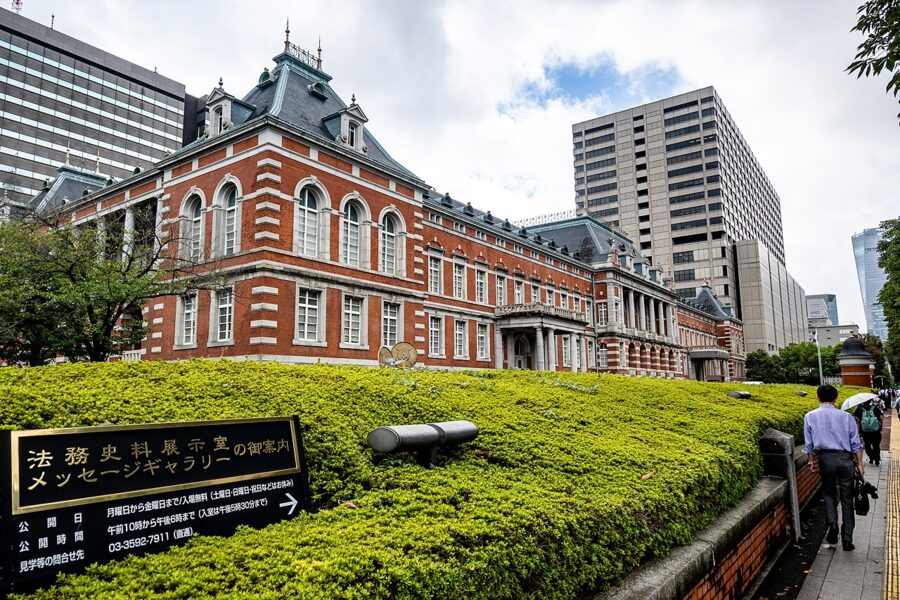
Couples who wanted to keep their own names have taken the rule to the Supreme Court twice. On 16 December 2015 the Grand Bench held that Article 750 does not breach the Constitution, by ten justices to five; all three women then on the bench were among the five. It added that a system of optional separate surnames could not be called unreasonable, and that the question was for the Diet. The 2015 judgment also counted wider use of maiden names as something that softened the burden.

On 23 June 2021 the Grand Bench said the same thing again, this time by eleven to four, in a decision on couples whose separate-name marriage forms had been refused. Two of the dissenters wrote that a double name, however convenient, does not undo the loss of the name a person was born with.
Where the separate-surname debate stands
The proposal on the table for three decades is sentakuteki fūfu bessei (選択的夫婦別姓), optional separate surnames: couples who want one name keep the current rule, couples who do not keep their own. The Ministry of Justice sets out both sides. Supporters point to the real cost of changing a name at work and in records, to a name as part of a person’s identity, and to couples who do not marry because of it. Opponents answer that the shared name is settled in Japanese society, that a surname belongs to a public system rather than to personal choice, and that one family name gives a household its unity and serves the children’s interest.
In 2025 a House of Representatives committee debated separate-surname bills for the first time in 28 years, and none passed. The Liberal Democratic Party (LDP) has taken the other road: its October 2025 coalition agreement with the Japan Innovation Party (Nippon Ishin no Kai) promised a law giving legal footing to the use of former names. Makiko Terahara, who leads the lawyers for the separate-surname plaintiffs, argues that such a law would leave two official names for one person and the original grievance untouched.
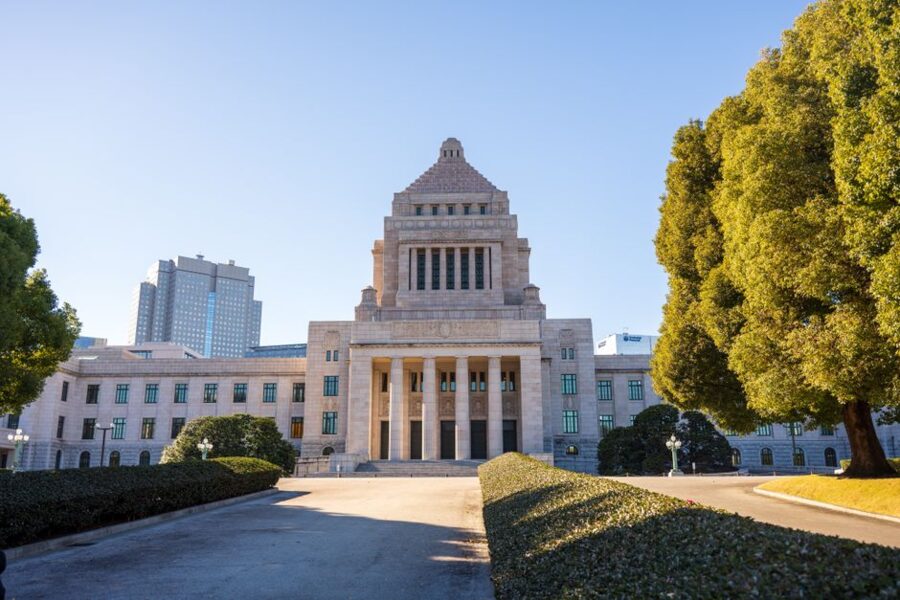
As of November 2026 the law is unchanged. Sanseito filed its own former-name bill in the House of Councillors in October, and NHK reported that the government and ruling parties now see the government’s bill as hard to submit in the current session. My own reading is that Taira’s two names show what each side means: the register got its single household, and the public kept the name it knew.
Four sons, three countries, and the work since
The family moved as the contracts did. Their first son was born in Italy in February 2018, the second in Turkey in August 2019 and the third in France in April 2021. The fourth arrived in Japan in spring 2023, after the move back for FC Tokyo.

Back in Japan she returned to work as Taira, chiefly in advertising and variety. Rising Production lists campaigns for the skincare brand N organic and the recovery wear SIXPAD, and in January 2026 named her a promotional ambassador and guest voice for Eiga Doraemon: Shin Nobita no Kaitei Kiganjō, a remake of a 1983 Doraemon film. She has been a one-day police chief in Koriyama, Fukushima, every December since 2023, and turns up on the variety circuit, where the marriage is her material.
On Nippon TV’s Odoru! Sanma Goten!! in November 2025 she told the story of filling his ice bath too early, and his verdict that it was “easy”, footballer’s slang for a careless error. On TBS in March 2026 she said she had turned down several invitations to meet him, and went only because Sanpei wanted to. When he flew out for the World Cup in June she posted a photo of the four boys in Japan shirts and wrote: “My husband’s dream is my dream.”


Yuna Taira (平祐奈), born in 1998, is her younger sister. She works under the family name that Airi gave up on paper and kept on screen.
Where to see the other half of the story
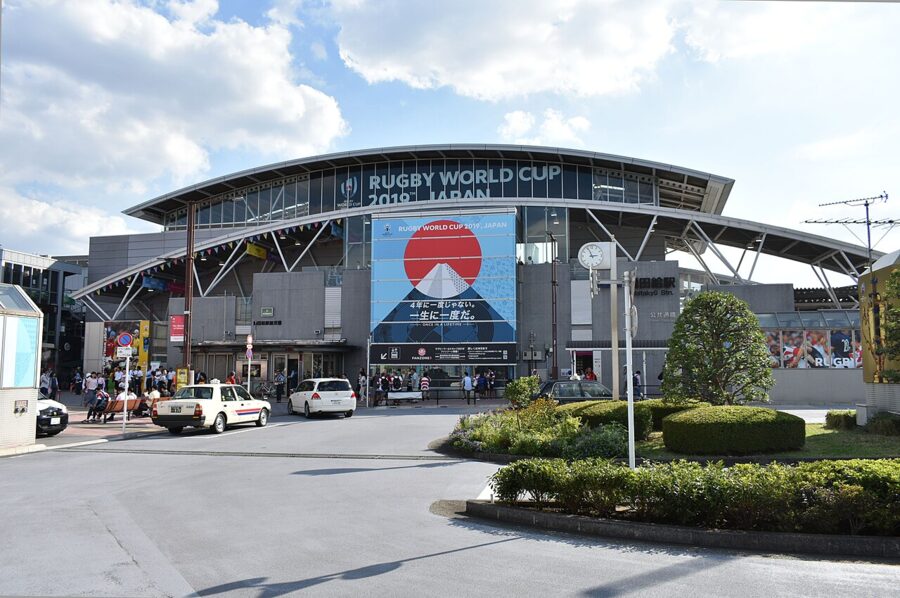
FC Tokyo play their home matches at Ajinomoto Stadium in Chofu, western Tokyo, and he wears number 5.
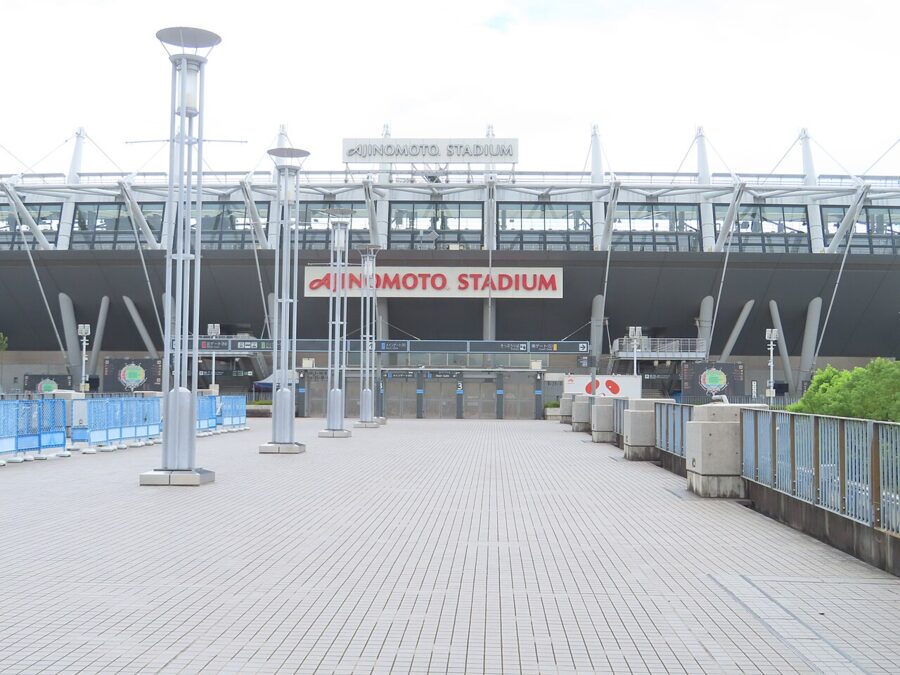

The stadium is a five-minute walk from Tobitakyu Station on the Keio Line, or about 20 minutes on foot from Tama Station on the Seibu Tamagawa Line. On J.League match days the car parks are closed, so the stadium’s own access page sends everyone by train or bus.

Ten years ago he needed an Italian word to say who she was. The register needed one line and a ticked box, the screens kept the name she started with, and when he walks out in number 5 the papers still reach for the Italian.