

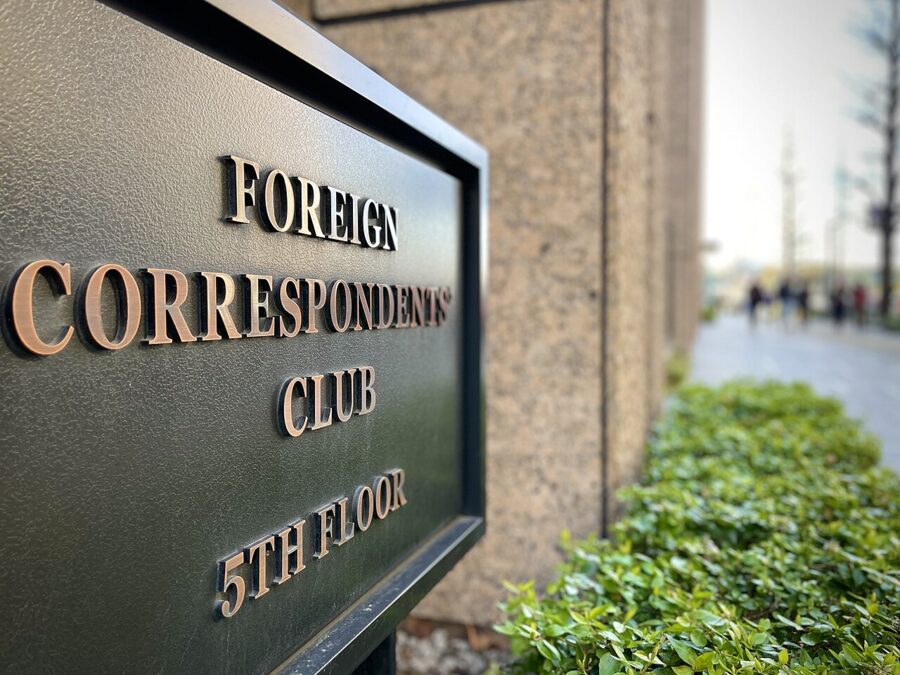
The Foreign Correspondents’ Club of Japan keeps a three-minute film of a first-year member of the House of Councillors from the Japan New Party, recorded on 16 March 1993. Its later recordings of the same speaker run to an hour and carry a shorter caption: Governor of Tokyo.
Yuriko Koike (小池百合子) has been both, and a good deal in between: Arabic interpreter, television newscaster, member of five parties in ten years, the environment minister who took the tie off Japan’s salarymen, the country’s first woman defence minister and, since 2016, the first woman to run Tokyo. As of November 2026 she is in her third term, which runs to the summer of 2028.
In this article
Ashiya, Cairo and an Arabic interpreter
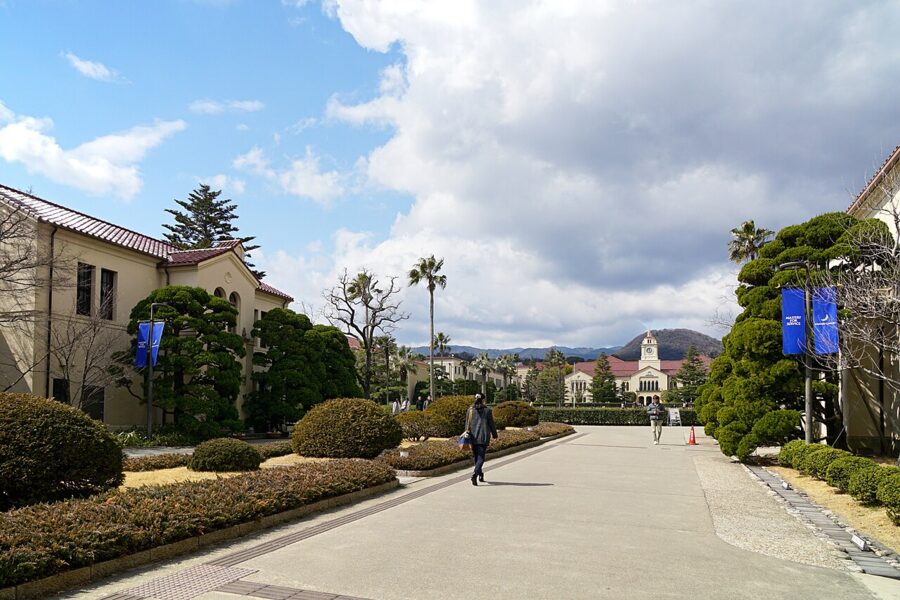
Koike was born on 15 July 1952 and grew up in Ashiya, the prosperous small city between Kobe and Osaka in Hyogo Prefecture. Her father, Yujiro Koike, traded oil products, cultivated Arab contacts and wanted to be a politician; in 1969 he stood for the House of Representatives in the old Hyogo 2nd district and lost.
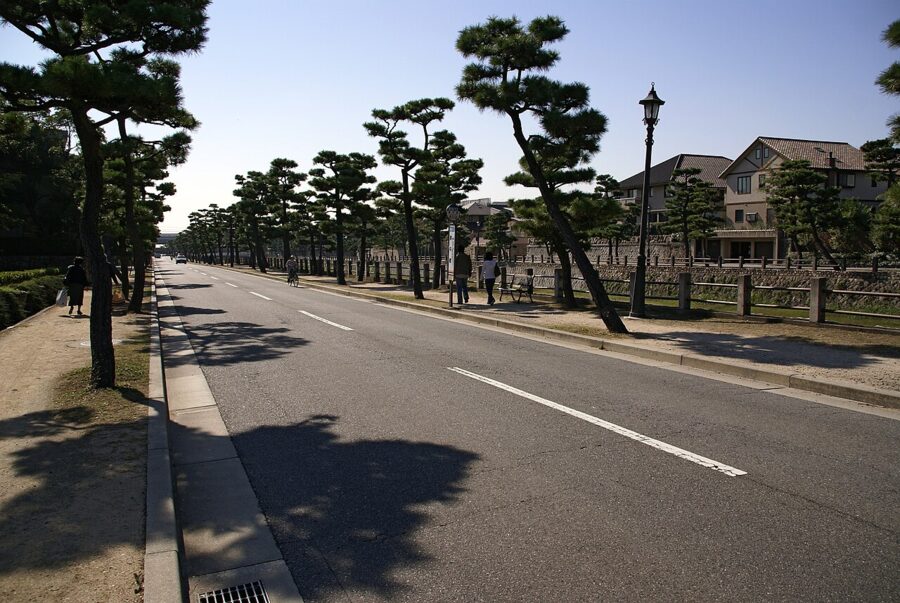
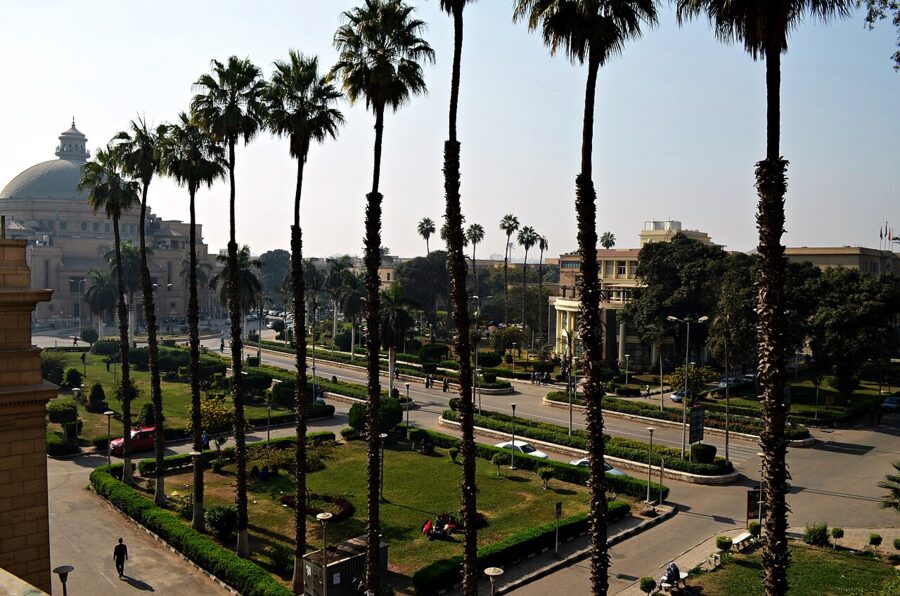
She entered Kwansei Gakuin University in April 1971 and left within months. By September she was in Cairo learning Arabic at the American University in Cairo, and in October 1972 she enrolled in the sociology department of Cairo University’s Faculty of Arts. Her account, repeated in her official profile, is that she graduated in October 1976.


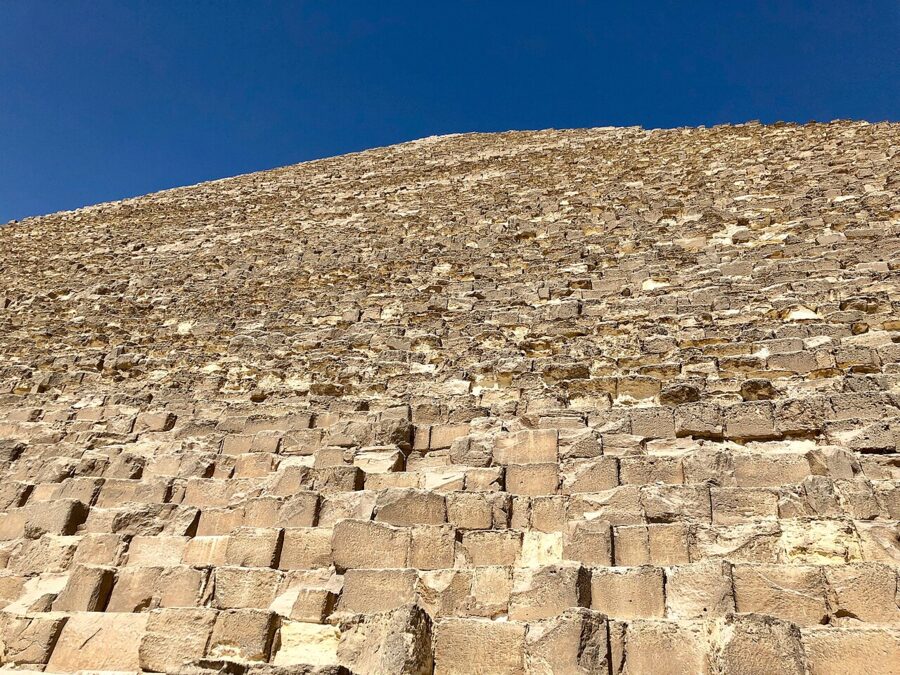
Back in Japan she interpreted and taught Arabic for the Japan-Arab Association. In 1978, working with television crews, she secured interviews with Yasser Arafat and Muammar Gaddafi. Her first book, Furisode, Piramiddo wo Noboru (A Kimono Climbs the Pyramid, 1982), tells how she climbed the Great Pyramid and made tea on the top.

The newscaster years
Television found her quickly. In 1979 Nippon TV, the network that now puts the Arashi member Sho Sakurai at the centre of its election nights, made her assistant presenter on the commentator Ken’ichi Takemura’s talk show, a job she kept until 1985.
In 1988 TV Tokyo made her the first main anchor of World Business Satellite, its late-evening business news. She left in June 1992, days before an election, without a word on air about why.
Japanese politicians speak of three assets, jiban, kanban and kaban: a support base, a name, and money. Most of those who hold all three inherit them. Koike inherited none of the first and built the second herself, on camera, which is why her career has always depended on attention more than on a machine.
Koike inherited none of the first and built the second herself, on camera, which is why her career has always depended on attention more than on a machine.
In the Diet: five parties in ten years
In May 1992 the former Kumamoto governor Morihiro Hosokawa launched the Japan New Party and recruited the anchor who had interviewed him on her programme. Second on its national list, she entered the House of Councillors that July. A year later she won a lower house seat in the old Hyogo 2nd district, the district her father had lost.
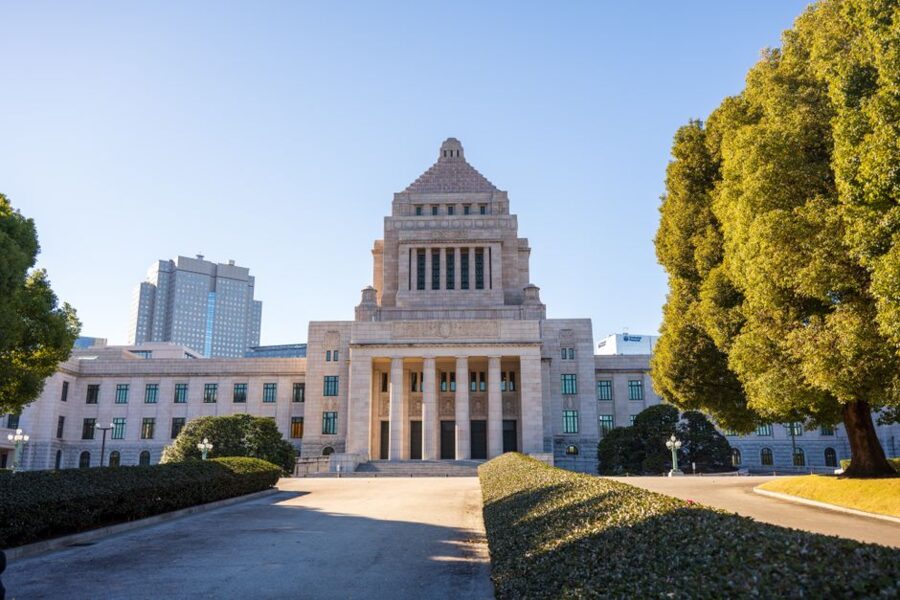
Then came the realignments of the 1990s. She joined the New Frontier Party in 1994, followed Ichiro Ozawa into his Liberal Party, broke with him in 2000 to help found the New Conservative Party, and in December 2002 joined the Liberal Democratic Party (LDP). Critics call it a career of convenient exits. Her answer, given in 2016, was that the parties had merged and split around her while her views stayed put.
Cool Biz and the 28-degree office
Junichiro Koizumi made her Minister of the Environment in September 2003, and she held the post for three years. In the summer of 2005 the ministry launched Kūru Bizu (クールビズ, “Cool Biz”): offices would keep rooms at 28°C, and staff would work without ties or jackets.


The name came from a public competition that spring. The ministry still runs Cool Biz every summer under its “Deco-katsu” climate campaign; in 2025 its own offices kept it from 1 May to 30 September, and it now calls 28°C a guide rather than a setting to endure. In 2006 Koike added a mottainai (もったいない, “what a waste”) campaign urging shoppers to carry a furoshiki cloth instead of plastic bags.
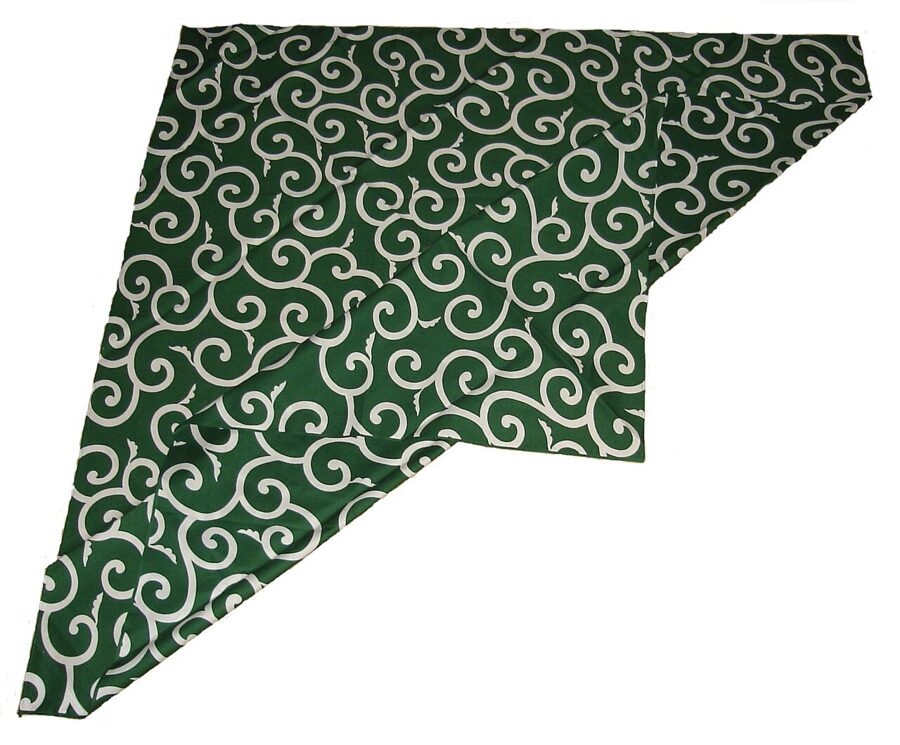

The 2005 general election made her famous another way. When Koizumi expelled the LDP rebels who had voted down postal privatisation, Koike volunteered to stand against one of them, Koki Kobayashi, in the Tokyo 10th district. The press called Koizumi’s volunteers shikaku (刺客, “assassins”). She won easily and never went back to Hyogo.
Fifty-five days at Ichigaya
On 4 July 2007 Shinzo Abe made her Minister of Defense, the first woman in the job. She lasted fifty-five days. She tried to replace the long-serving administrative vice-minister, Takemasa Moriya; he went over her head to the prime minister’s office, the Chief Cabinet Secretary pushed back, and the post went to a compromise candidate.
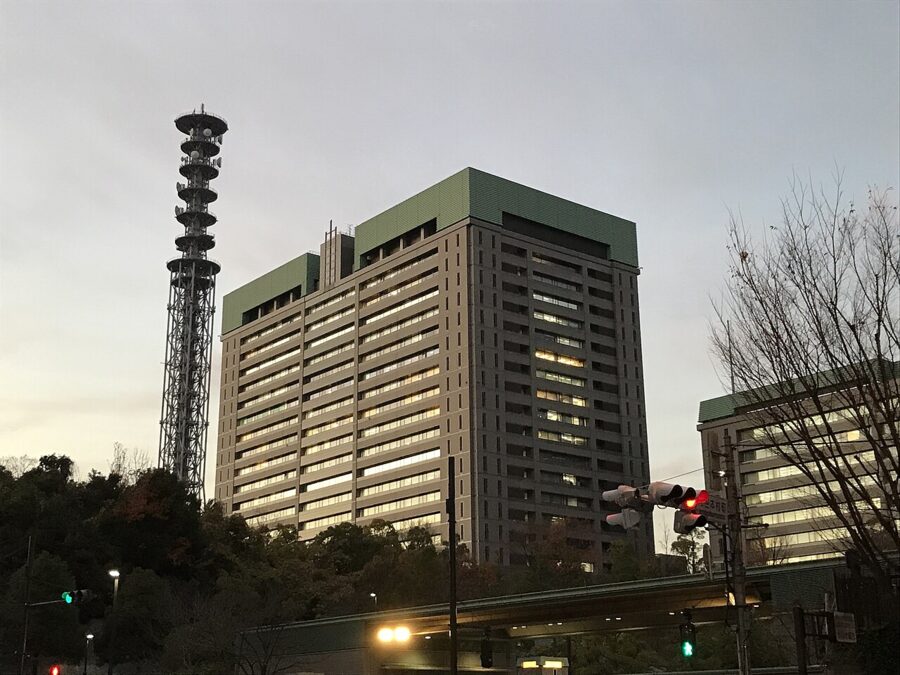

She declined reappointment in the August 2007 reshuffle, saying someone had to take responsibility for a leak of classified Aegis destroyer data. Moriya was arrested later that year in a bribery case involving a defence contractor.
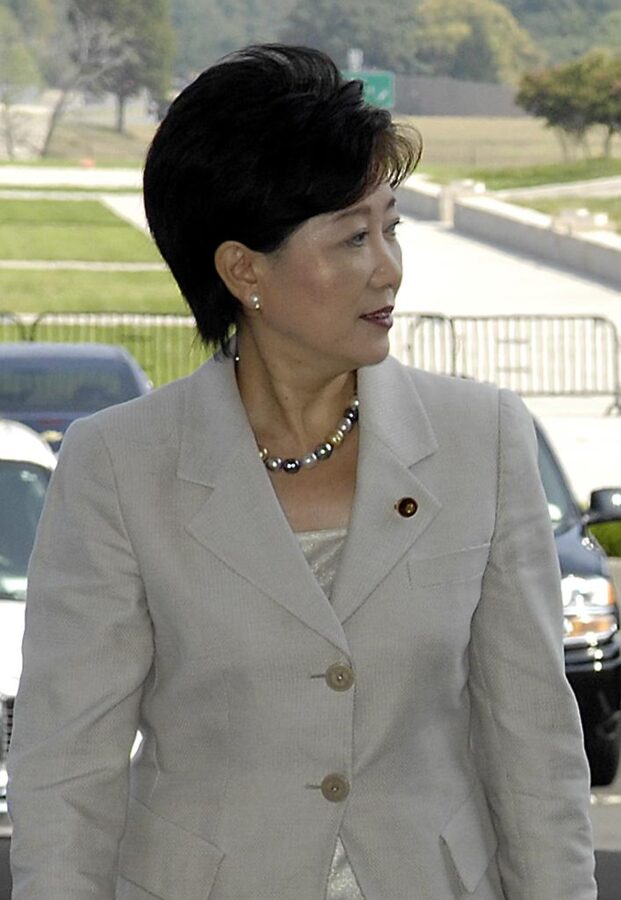
In September 2008 she became the first woman to run for the LDP presidency, saying that Japan’s ceiling for women was not glass but iron. She came third, with 46 of 527 votes, behind Taro Aso. In 2010 she became chair of the party’s General Council, the first woman in one of its three top posts.
Governor of Tokyo
The 2016 election
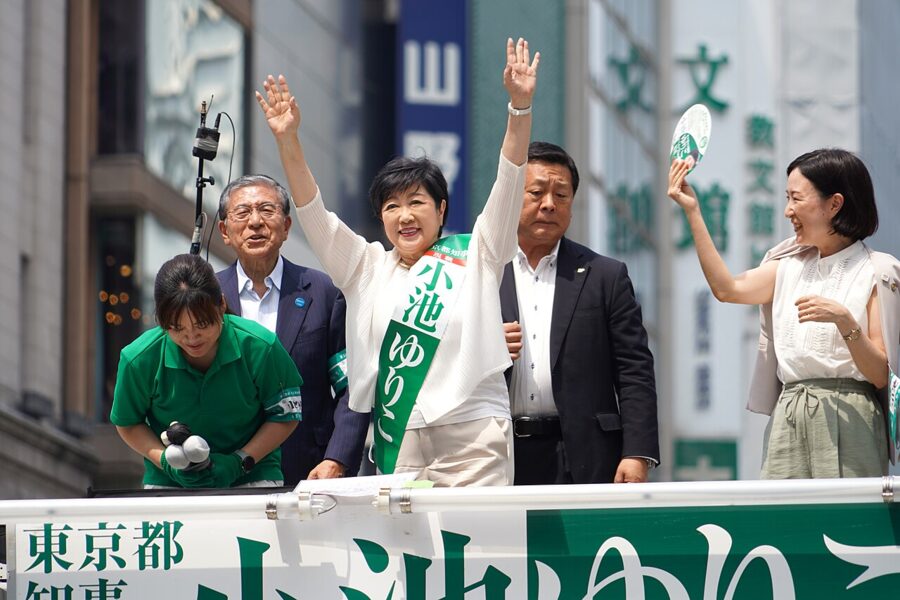
Governor Yoichi Masuzoe resigned in June 2016 over his use of public funds. On 29 June Koike announced she would run without waiting for her party’s Tokyo branch, which backed the former internal affairs minister Hiroya Masuda and warned members not to help her. She campaigned against the Tokyo LDP’s old guard, asked supporters to wear green, and won on 31 July with 2,912,628 votes.
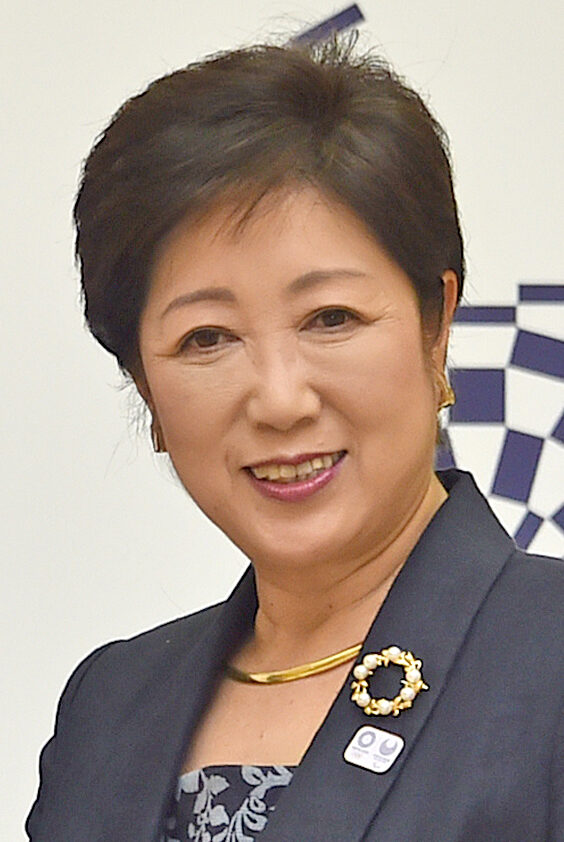

Her platform promised “seven zeros”, from no children on nursery waiting lists to no packed rush-hour trains. Shelters largely stopped putting down healthy cats and dogs and waiting lists fell; overhead power lines, overtime and crowded trains are still with Tokyo. Her government’s count, on the governor’s official page, is progress on more than 90% of 164 policy goals, leaving out ten disrupted by the pandemic.
Tsukiji to Toyosu
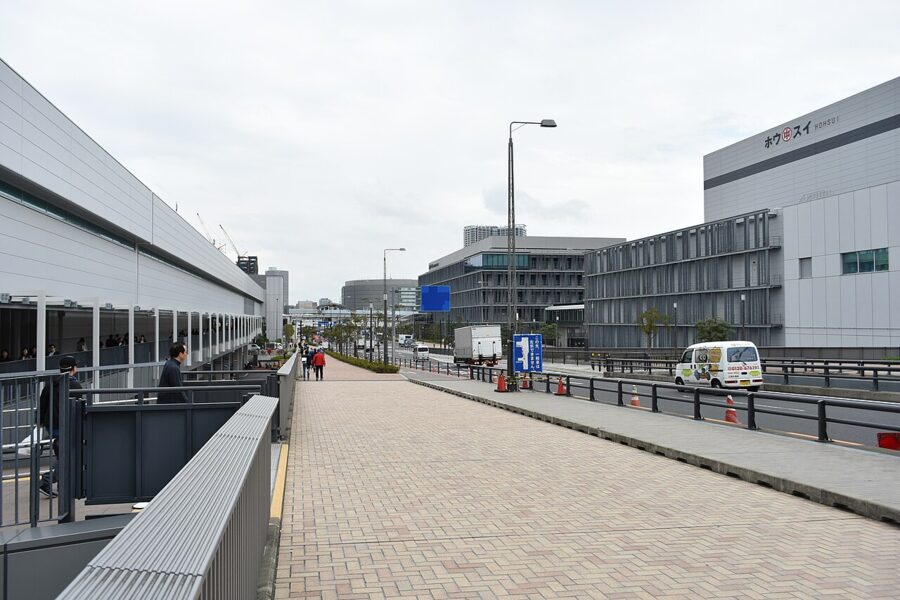
The fish market was the first big test. Tsukiji’s replacement at Toyosu, on reclaimed land in Koto Ward, was finished and due to open that November. On 31 August 2016 Koike postponed the move, citing doubts about soil and groundwater contamination left by the gasworks that once stood there.
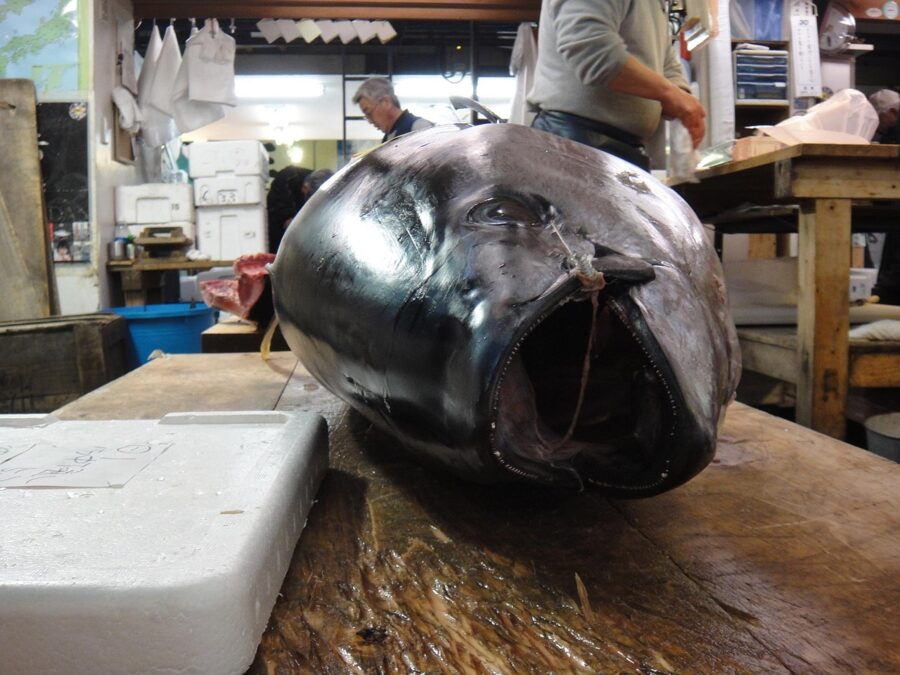
Sixteen months of changing direction followed. In June 2017 she said the market would move and Tsukiji would later return as a food hub; that December her government settled on moving and demolishing the old site. She declared Toyosu safe on 31 July 2018 after further works, and trading began there on 11 October 2018.
Supporters credit her with forcing extra safety work. Critics blame the delay for large added costs and for the confusion it caused traders.

Tomin First and the Party of Hope
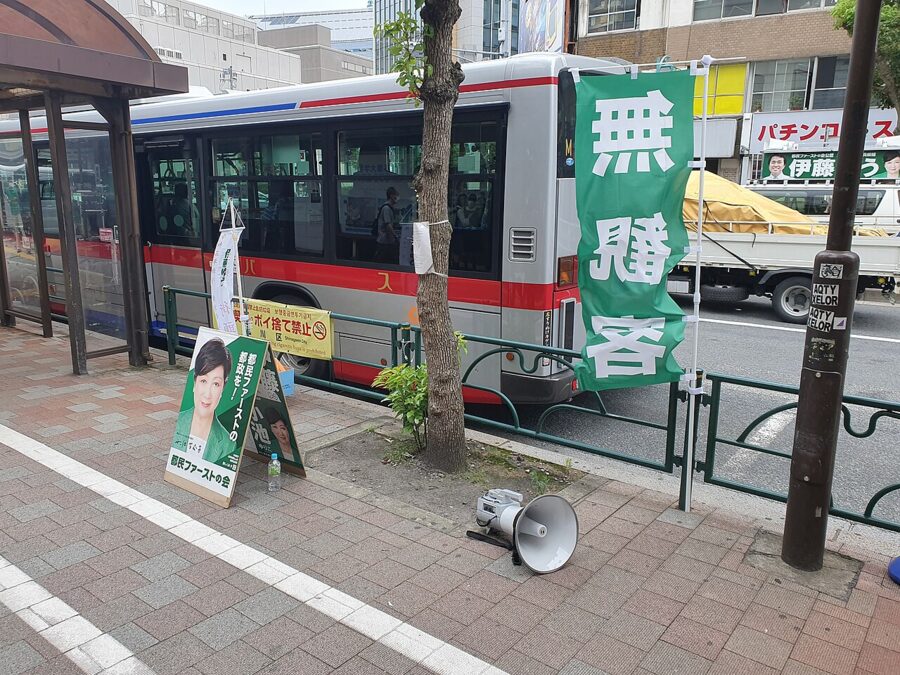
Her supporters organised as Tomin First no Kai (都民ファーストの会, “Tokyoites First”), and in June 2017 she left the LDP to lead it. In the assembly election of 2 July 2017 Tomin First and its allies, chiefly Komeito, won a majority of the 127 seats and handed the LDP a historic defeat. She gave up the leadership almost at once, which drew the charge that she had used the party for one election.

The national version went badly. On 25 September 2017, as Abe called a snap election, she launched Kibō no Tō (希望の党, the Party of Hope) and opened talks to absorb the opposition Democratic Party. Four days later she said she would “exclude” (haijo, 排除) candidates who did not share her line on the constitution and security.
The word did the damage. The excluded liberals formed the Constitutional Democratic Party of Japan (CDP), and in the 22 October election the Party of Hope finished behind it. Koike resigned as leader that November. Talk of her as a future prime minister has never quite stopped in Tokyo newsrooms, but I would argue her real chance ended the week she said haijo.
The Olympics and COVID-19
Koike received the Olympic flag in Rio de Janeiro on 21 August 2016 and spent years arguing over venues and costs. In March 2020 the Games were postponed, and she became the face of Tokyo’s pandemic response, with a “Stay Home Week” and the slogan san-mitsu (三密, the “three Cs”: closed spaces, crowds, close contact), which won the 2020 buzzword prize.
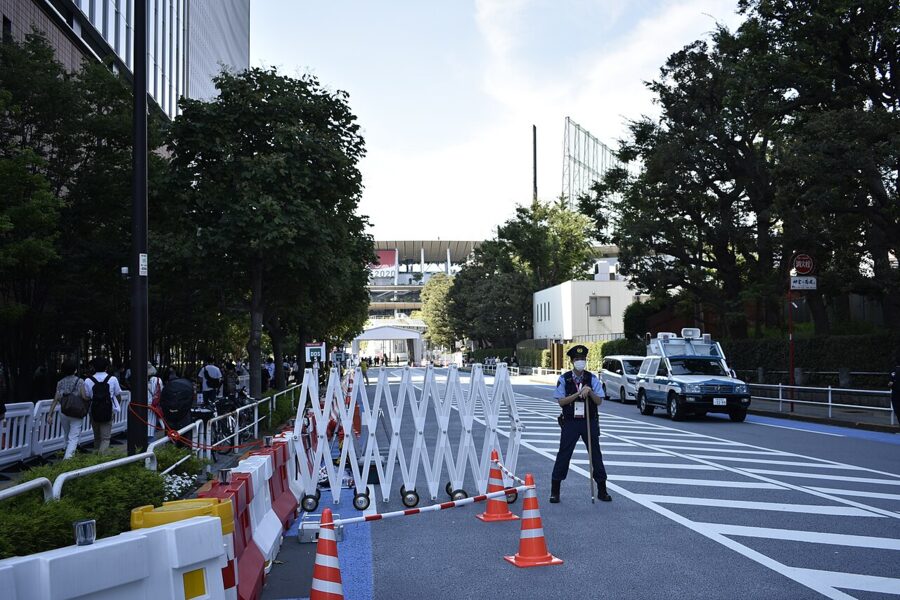

She was re-elected on 5 July 2020 with 3,661,371 votes, 59.7% of the total. In June 2021, weeks before the Games, she spent eight days in hospital with exhaustion. Tomin First held 31 seats in that summer’s assembly election, more than polls had predicted.
A third term
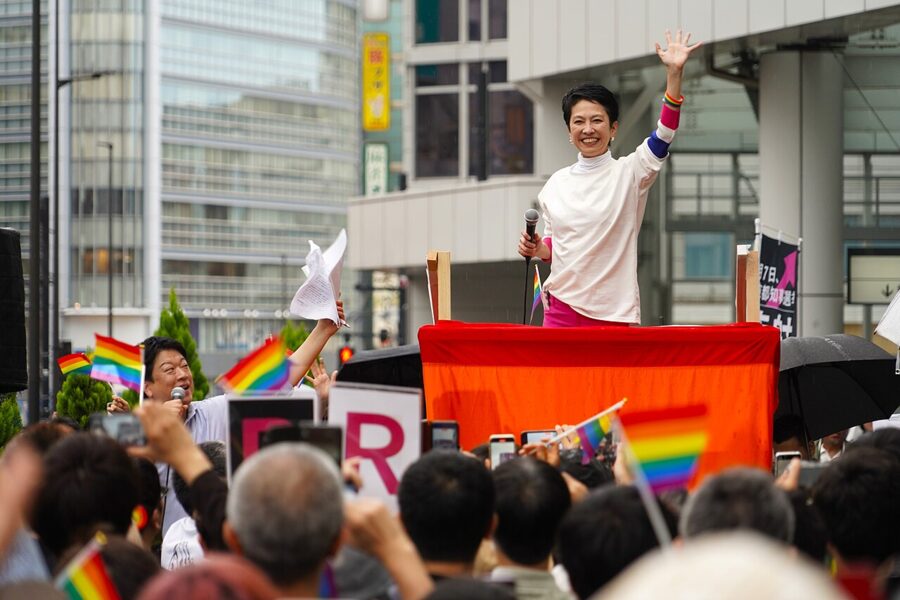
On 7 July 2024 Koike won again with 2,918,015 votes, 42.8%, ahead of the former Akitakata mayor Shinji Ishimaru and the former CDP upper house member Renho. On 22 June 2025 Tomin First returned as the assembly’s largest party with 31 seats, while the LDP fell to 21, its lowest ever.

The present programme is about children. Under 018 Support, every child in Tokyo up to 18 receives ¥5,000 (about $33) a month, with no income limit, and the scheme continues in fiscal 2026. Since September 2025 the city has also covered first-child nursery fees for every household until the national government does. Tokyo’s fertility rate is the lowest of Japan’s 47 prefectures, and these payments are the governor’s answer to it.

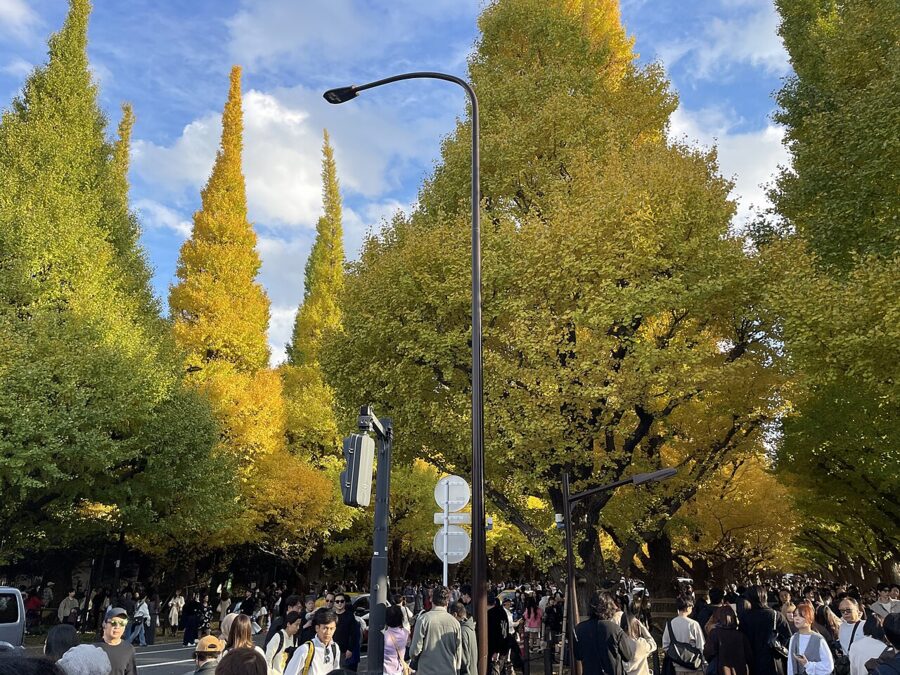
Two disputes follow her. The first is the redevelopment of the Meiji Jingu Gaien sports district, which her government approved in February 2023 as a project of Mitsui Fudosan, Meiji Jingu and two partners. Opponents fear for the trees; on 30 October 2025 the author Robert Whiting and two Japanese Communist Party politicians used the FCCJ to ask her to halt it.

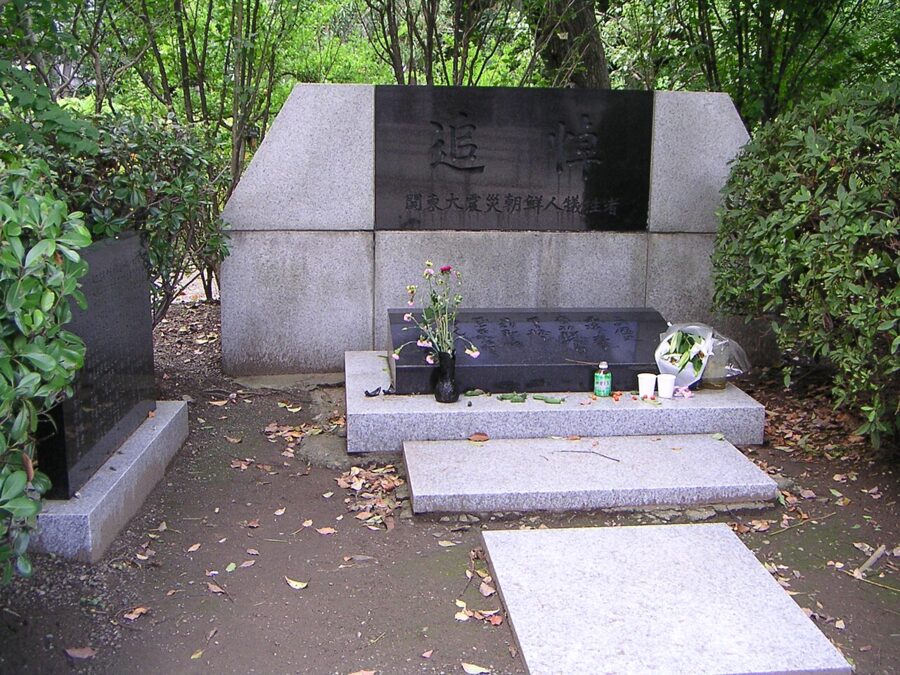
The second is older. Every year from 2017 to at least 2024, Koike declined to send the written condolences earlier governors sent to the 1 September memorial for Koreans killed by mobs after the 1923 Great Kanto Earthquake. Her position is that she mourns all the earthquake’s victims at the main memorial service, and that what happened is for historians to establish. The organisers, and 83 University of Tokyo academics in an August 2024 letter, say that answer undermines an established historical record.

At the FCCJ: what the club’s record shows
The Foreign Correspondents’ Club of Japan is where Japanese public figures face questions from outside the domestic press clubs; the same room has heard the former trade ministry official Shigeaki Koga and the epidemiologist Toshihide Tsuda.
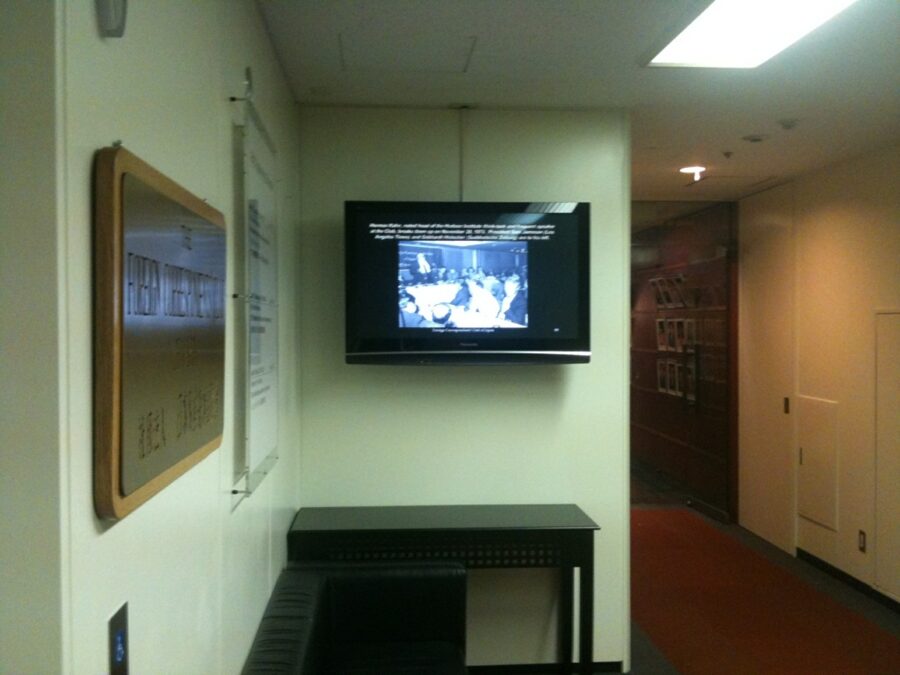
The earliest is the 1993 clip from her year as a councillor. On 8 July 2016, six days before the governor’s race formally opened, the club billed her as “Tokyo Gubernatorial Candidate and member of the House of Representatives” under the title “Running in the Tokyo Gubernatorial Election“. It was her last appearance there as a member of the Diet, since filing her candidacy cost her the seat.
Her first visit as governor, on 31 August 2016, was recorded as “Yuriko Koike: Governor of Tokyo“: an hour, with a speech in English and questions in Japanese, on the day she postponed the Toyosu move. She promised reform and openness, and described the city she wanted in words her government printed in its summary of the speech:
“I want Tokyo to be a ‘safe city’ for citizens and visitors alike, a ‘diverse city’ where everyone belongs, and a ‘smart city’ that drives future growth.”
A German reporter asked whether Tokyo, as a major TEPCO shareholder, would steer the utility away from nuclear power. She left safety to the nuclear regulator and turned to her own cause: pressing TEPCO to bury Tokyo’s power lines more cheaply.
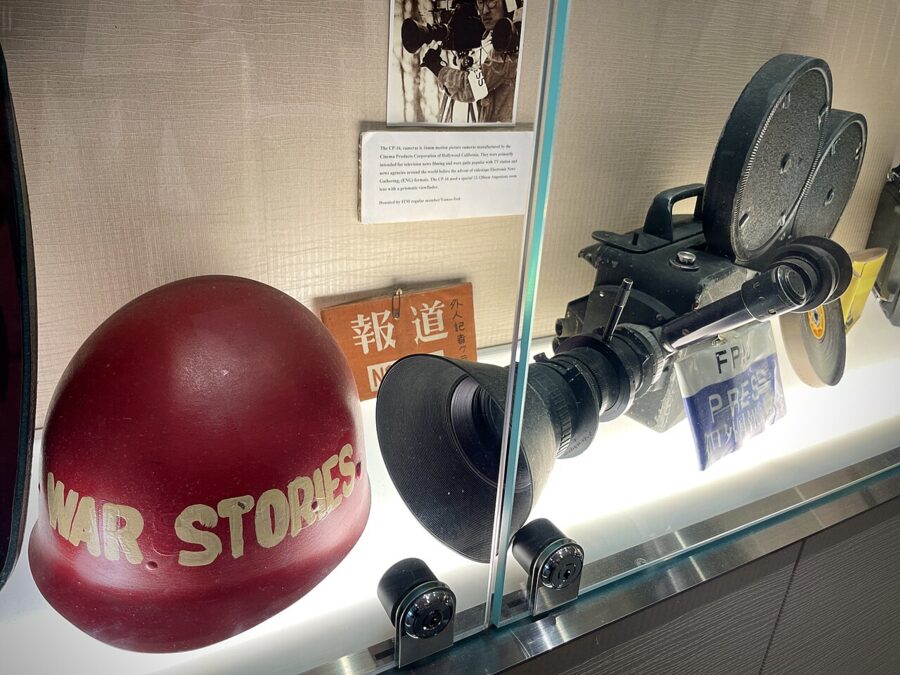
She returned on 3 August 2017, a month after Tomin First’s victory, and on 18 February 2019, which the club noted was her third time as governor. Later talks came in November 2020, February 2022 (given remotely) and February 2023.
The Cairo degree: what each side says
Doubts about her Cairo degree have surfaced before nearly every election since 1992. Her side of the record is consistent. In 1993 she printed a photograph of her certificate in her magazine column; in 2016 she sent it to Fuji TV’s Tokudane!; and she has told the assembly that she holds both certificate and graduation statement, and that the university has repeatedly confirmed them.
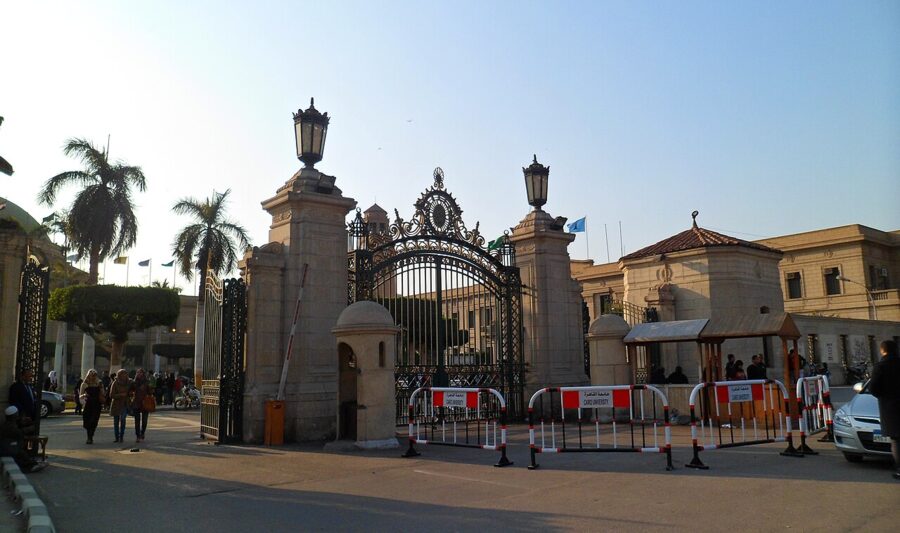

The case against rests on testimony and arithmetic. Taeko Ishii’s 2020 book Jotei Koike Yuriko (“Empress Yuriko Koike”) quotes a woman who shared her flat in Cairo and says she did not graduate. The novelist Ryo Kuroki argues that her Arabic is weak, and that her own 1982 statement that she failed her first year rules out an October 1976 graduation.
On 8 June 2020 Cairo University’s president certified that she graduated in October 1976 and called doubts about the certificate defamatory. The next day Kuroki and the lawyer Nobuo Gohara, a former prosecutor, set out their case at an FCCJ press conference. A former Foreign Ministry Arabic interpreter answered publicly that her Arabic is good, and that a degree tests reading and writing more than conversation.
In April 2024 Toshiro Kojima, a lawyer the FCCJ introduced as a former Tomin First official, told Bungei Shunju that he had suggested the 2020 statement and feared he had joined a cover-up; he repeated it at the club on 17 April, in a session titled “Koike and the Cairo Document“. Koike replied that the university issued the statement of its own accord and that she had no part in it. In June 2024 Kojima filed a criminal complaint against her under the Public Offices Election Law.
Cairo University says she graduated; her accusers say the university is wrong or was used. I see nothing in the public record that settles it beyond the university’s word. One smaller point she has conceded: asked in June 2018 about her claim to have finished top of her class, she said she had taken her professor’s word for it.
Visiting the Tokyo Metropolitan Government Building
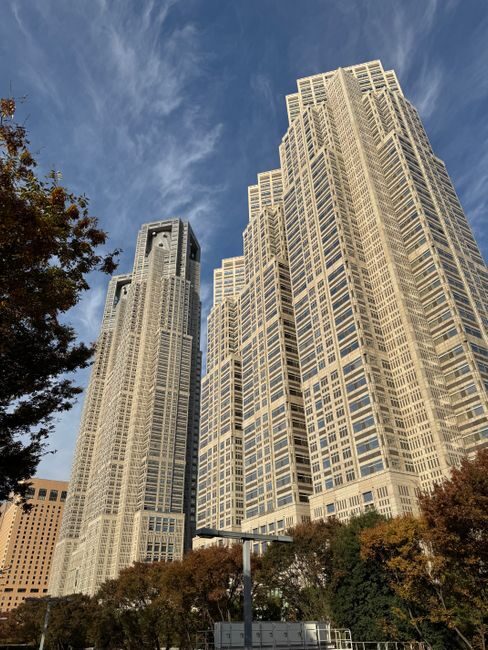
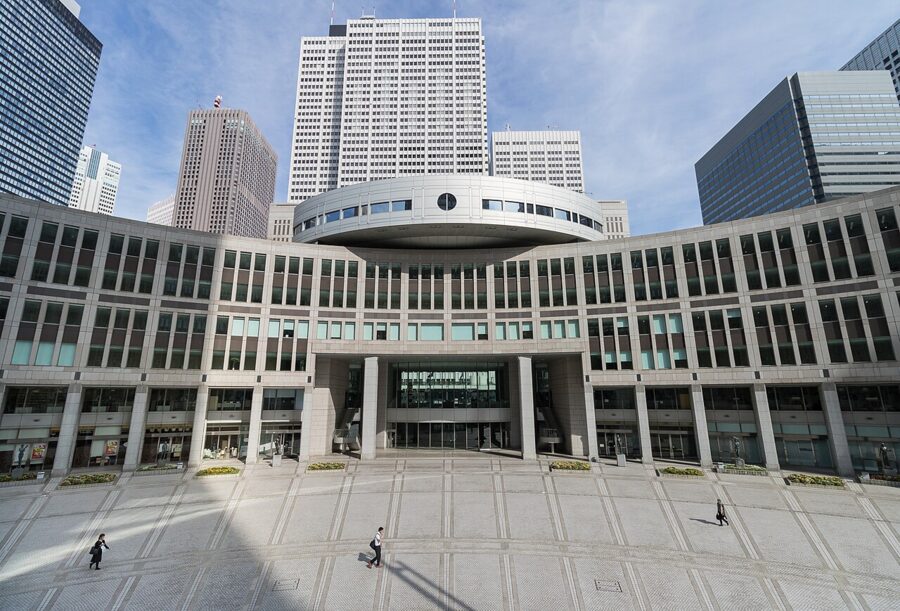
You cannot drop in on the governor, but her building is open. Building No. 1 has two observation decks on the 45th floor, 202 metres up, and entry is free. As of November 2026 the South Observatory opens 9:30 to 22:00 (last entry 21:30), closed on the first and third Tuesdays; the North opens 9:30 to 17:30, or to 22:00 when the South is shut, and closes on the second and fourth Mondays.
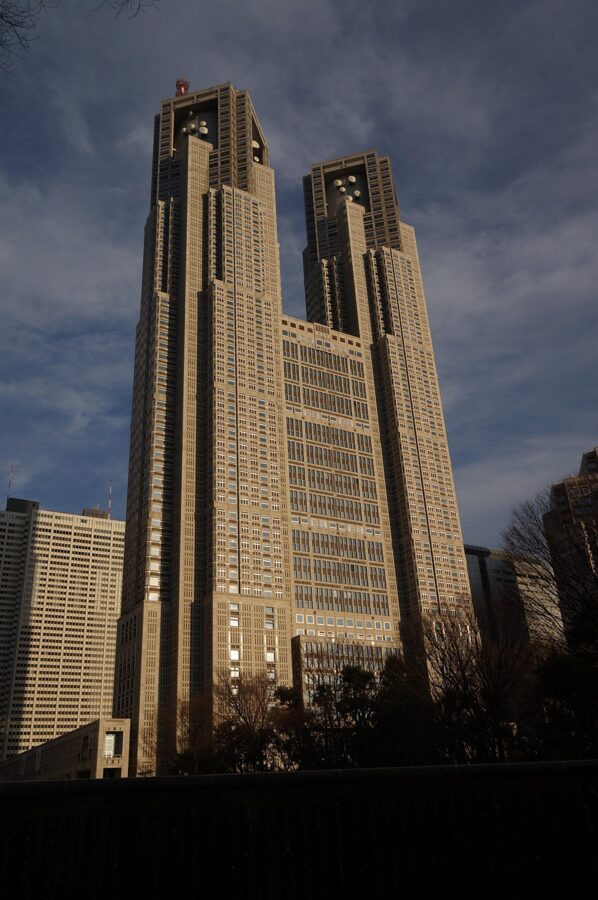
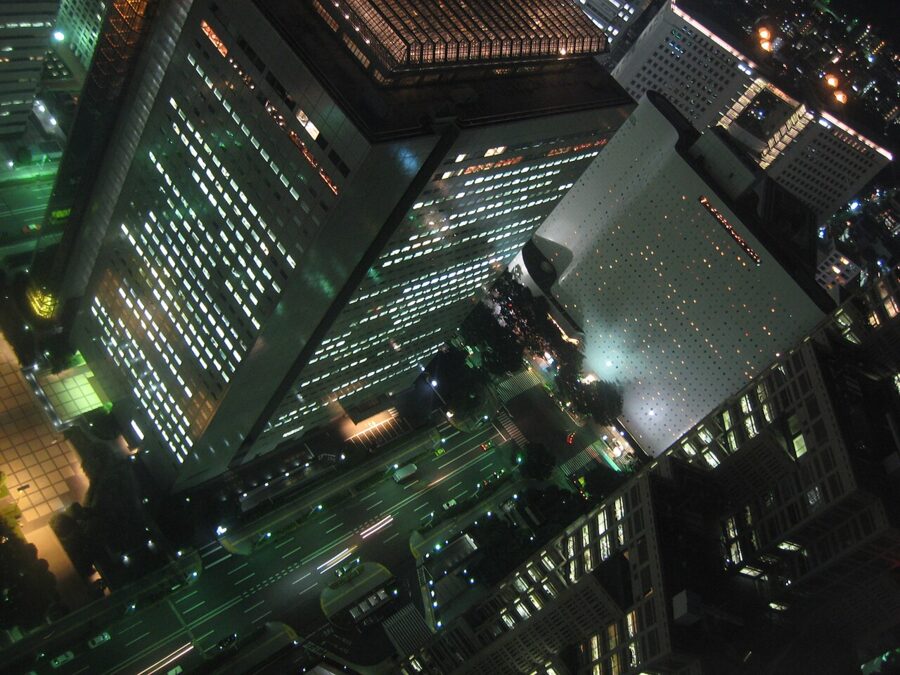
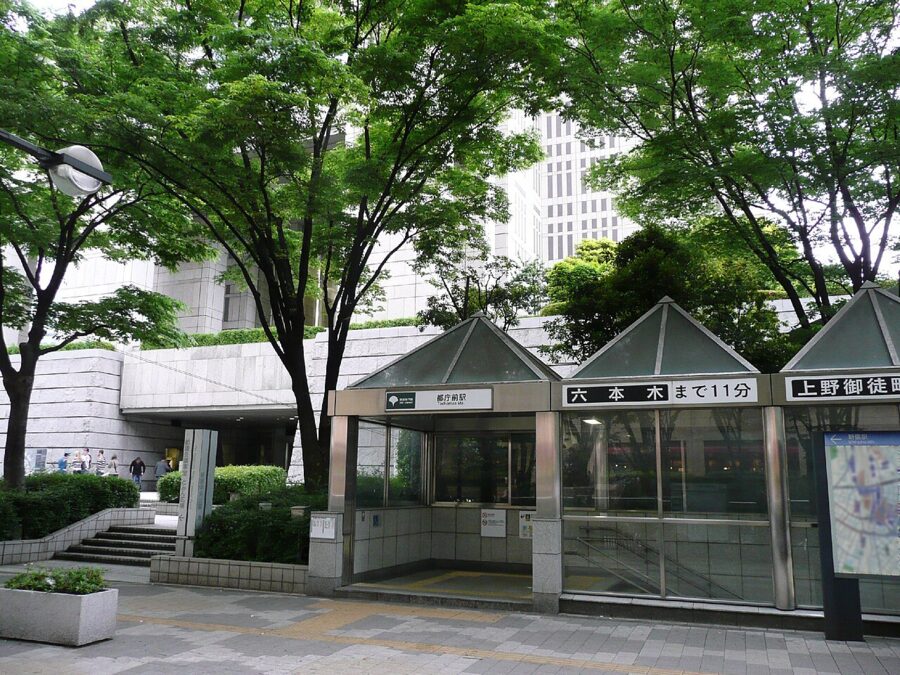
Tochomae Station on the Toei Oedo Line connects to the building underground. From the west exit of JR Shinjuku Station it is about ten minutes on foot through the underground passage with moving walkways, as the metropolitan government’s access page describes. The address is 2-8-1 Nishi-Shinjuku.

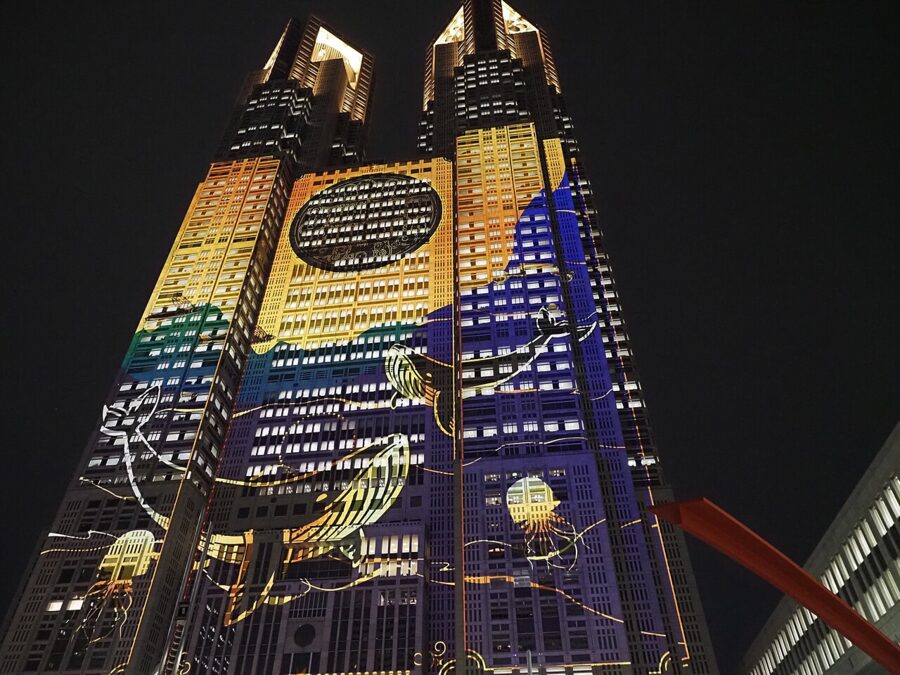

Or watch her at work. The governor holds a press conference most Fridays from 2 p.m., and the recordings are archived on the metropolitan government’s site. It is a long way from three minutes at the FCCJ in 1993, and it is the same skill: a newscaster’s ease in front of a camera, put to the use of whatever banner she carries that year.