
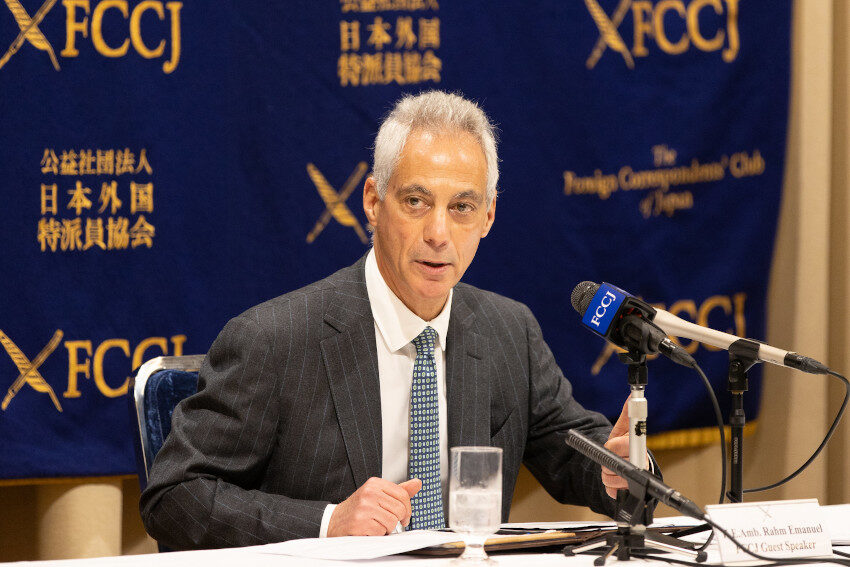
On 22 October 1974 the prime minister of Japan came to lunch with the foreign press in Marunouchi and walked out five minutes before the end. Kakuei Tanaka (田中角栄) had been asked about a magazine’s report on his money, then asked again, and he left complaining that the questions were excessive. Five weeks later he announced his resignation.
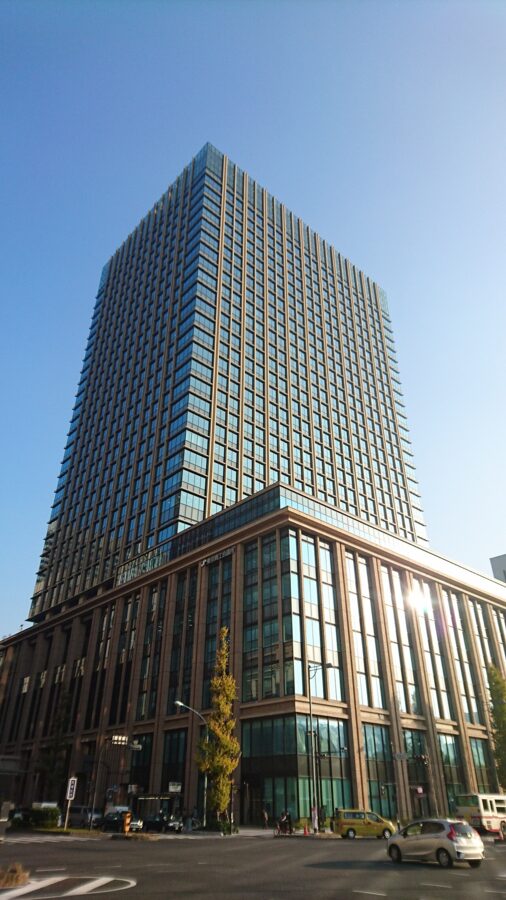
The lunch was at the Foreign Correspondents’ Club of Japan (FCCJ), in Japanese Nihon Gaikoku Tokuhain Kyōkai (日本外国特派員協会). Tokyo usually calls it the gaikokujin kisha kurabu (外国人記者クラブ), “the foreign reporters’ club”. It has had five homes since 1945 and now occupies the fifth floor of the Marunouchi Nijubashi Building, between Tokyo Station and the Imperial Palace moat.
It is a members’ club with a bar and a sushi counter. It is also where Japanese politicians, whistleblowers and film stars go to be heard by editors abroad, sometimes because the domestic press would not ask what they wanted asked. As of November 2026 it holds several press conferences a week.

In this article
Billets, a bar and No. 1 Shimbun Alley
The club’s own history begins with a complaint. In September 1945, weeks into the Occupation, war correspondents found the number of reporters allowed into Japan capped for lack of billets. A small group formed the Tokyo Correspondents Club to house them, and its list of presidents starts with Howard Handleman of the International News Service in October 1945.
Japanese reference works tell it as a press club founded in November 1945 on General Douglas MacArthur’s order, for Allied and neutral reporters working outside the censorship imposed on Japan’s own papers. Both accounts have the doors opening that November. The club marks its birthday in the autumn, and celebrated its 81st in October 2026.
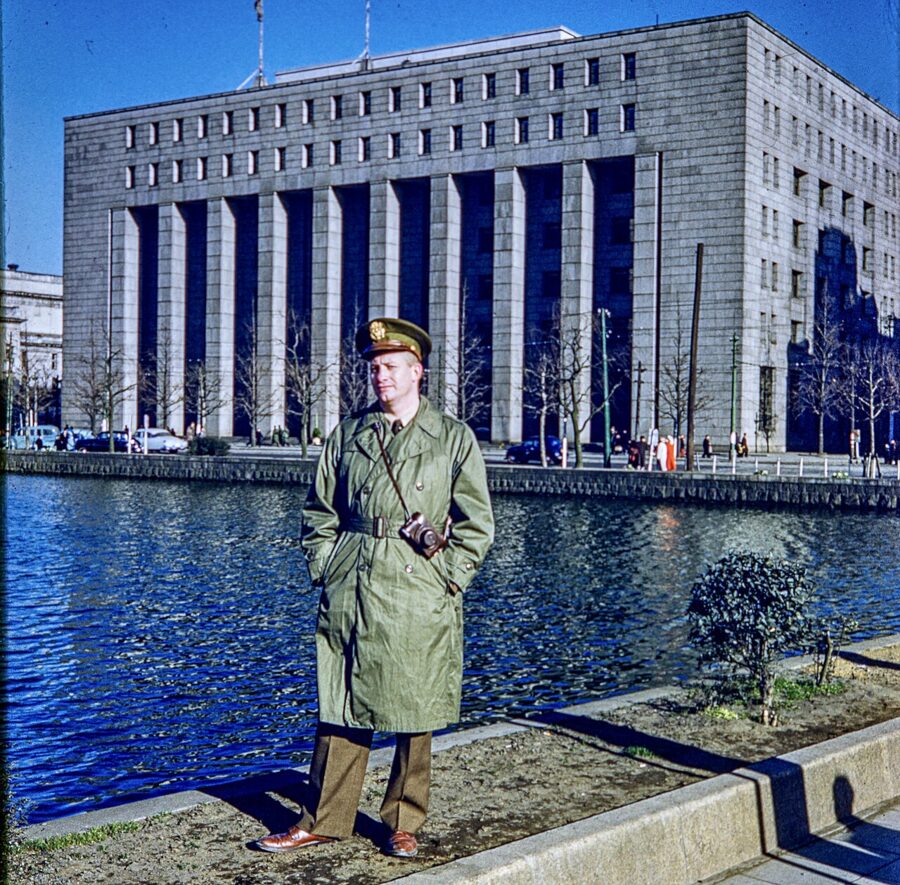

The building they found was the Marunouchi Kaikan, five storeys, bomb-damaged but standing, between MacArthur’s headquarters and Tokyo Station. They repaired it as a hostel for about 170 correspondents and called it No. 1 Shimbun Alley, shinbun (新聞) being Japanese for newspaper. MacArthur came by on 17 March 1947.
By mid-1947 only 40 members were left, and weekly dances paid the bills. The Korean War brought correspondents back in 1950 and membership rose to 350; eighteen who died covering it are named on a plaque at the entrance. When sovereignty returned in 1952 the club took its present name and became a non-profit association, a shadan hōjin (社団法人), sponsored by the Foreign Ministry.
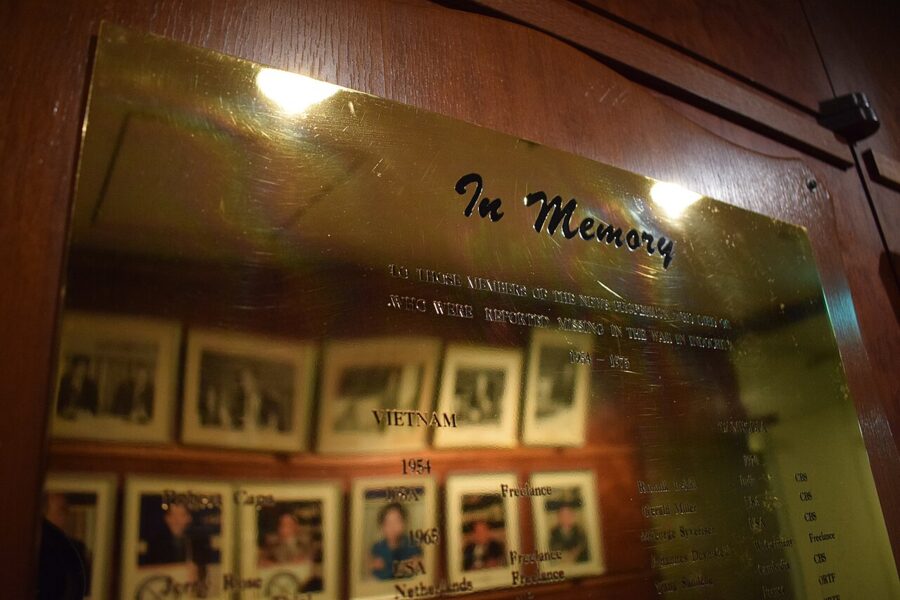
Five homes, one street
The Alley vanished into one of the block-sized office buildings Mitsubishi Estate put up after the Occupation. The street that runs through the club’s story is Marunouchi Naka-dori (丸の内仲通り), ten blocks long, which the club’s historian Charles Pomeroy called a narrower Park Avenue.
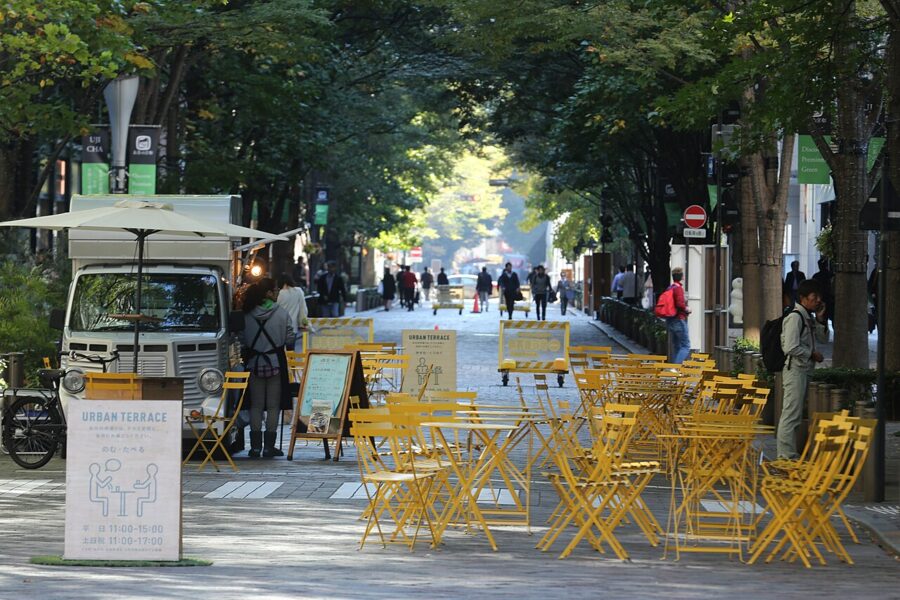
In 1954 the club moved into the former American Club on a corner of Naka-dori, and the hostel years ended. In 1958 it went down the street to the Chiyoda Building annex: reception, bar and dining room, a library and a workroom open around the clock. The basement held a men-only bar decorated with a large Marilyn Monroe calendar until 1973, when the sign changed to “Shimbun Alley”.
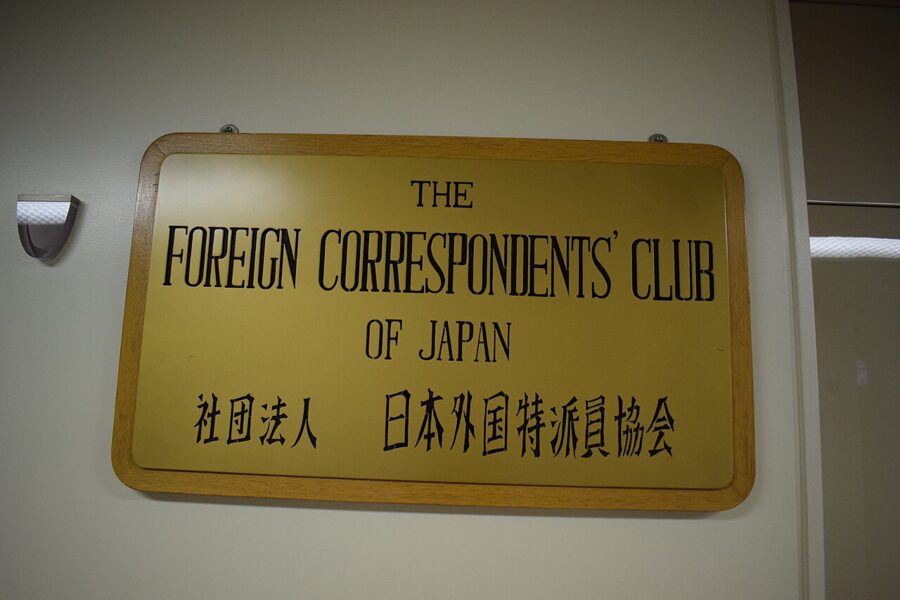
In 1976 the club moved to the 20th floor of the Yurakucho Denki Building, where Naka-dori meets Harumi-dori at the edge of Ginza. Mitsubishi Estate’s company history records that members paraded to the new address with musical instruments, to applause from the pavement. The dining room looked down Naka-dori to the palace; on a clear day the windows showed Mount Fuji.
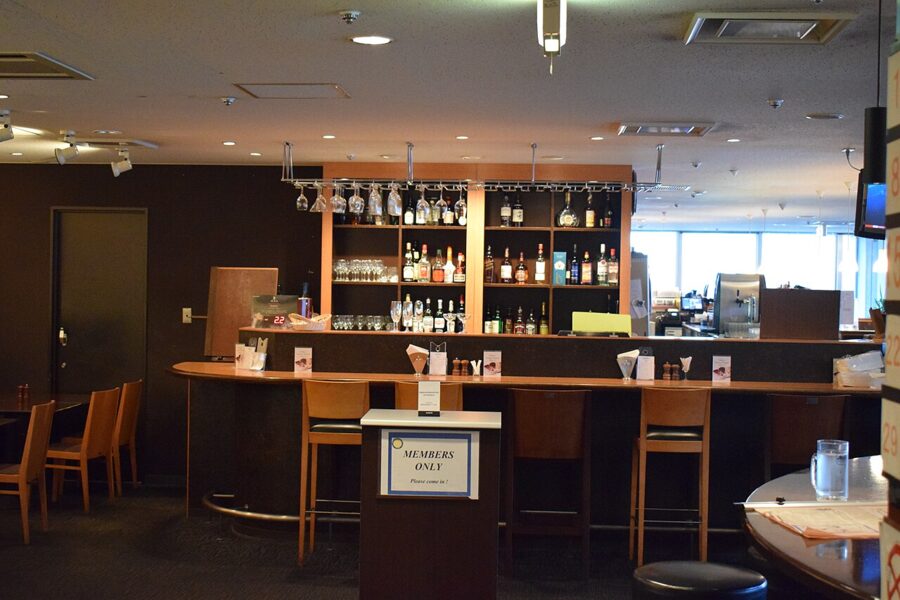
Yurakucho saw the old Shimbun Alley bar give way to a sushi counter in 1990, to the grief of the regulars. It also saw the club’s worst internal fight. To become a public-interest incorporated association, which it did on 1 April 2014, the club had to spend more than half its income on public activities; it outsourced its restaurants and let long-serving staff go, and some of them sued.

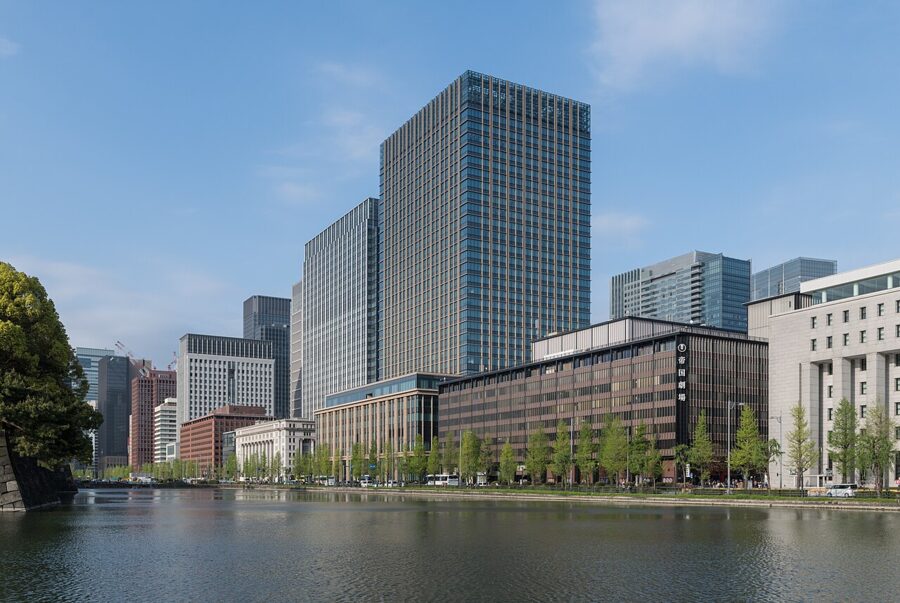
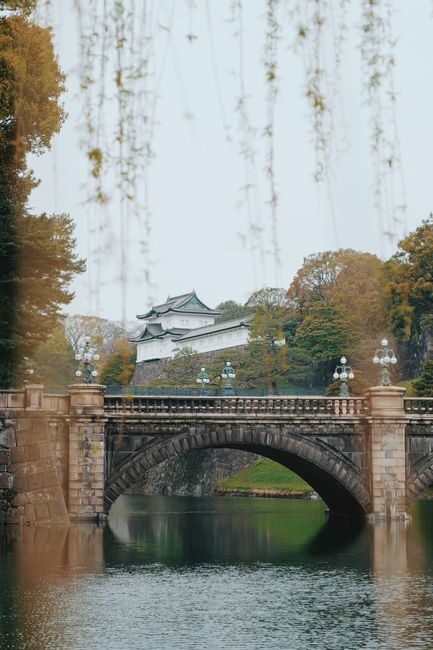
The fifth move came in late 2018, to the Marunouchi Nijubashi Building, completed that October on the site of three older buildings, among them the Tokyo Chamber of Commerce and Industry and Tokyo Kaikan. The club took the fifth floor for its reception, bars and dining, and the sixth for the library, workroom and offices. The name comes from Nijubashi (二重橋), the bridge into the palace a few hundred metres away.

Who the members are, and what they pay
About 1,500 people belong. Regular members are working foreign correspondents in Japan of any nationality, or journalists with a serious past as foreign correspondents; they elect the board, and as of November 2026 there are 212 of them. The president is Daniel J. Sloan, a former Reuters correspondent, in office since August 2024.
Professional Associates work in journalism or a related field, academia included, though anyone paid for advertising or public relations is barred; most, the club says, work for the Japanese media. Associates are everyone else the board accepts, from lawyers to diplomats. Applicants need members to nominate them and the membership committee to approve. The published fees, as of November 2026:
| Category | Initiation fee | Deposit | Monthly dues |
|---|---|---|---|
| Regular | Waived | ¥40,000 (about $260) | ¥15,000 (about $97) |
| Young Regular (under 40) | Waived | ¥20,000 | ¥8,500 |
| Professional Associate | Waived | ¥40,000 | ¥15,000 |
| Associate | ¥400,000 (about $2,600) | ¥40,000 | ¥20,000 (about $130) |
| Young Associate (under 40) | ¥50,000 | ¥40,000 | ¥16,000 |
| Diplomatic Associate | ¥75,000 | ¥40,000 | ¥20,000 |
Members outside Tokyo and its four neighbouring prefectures pay less. Visiting journalists can use the 18-booth workroom as guest members. The associates far outnumber the correspondents, which is to say they pay for most of the club.
An hour at the podium
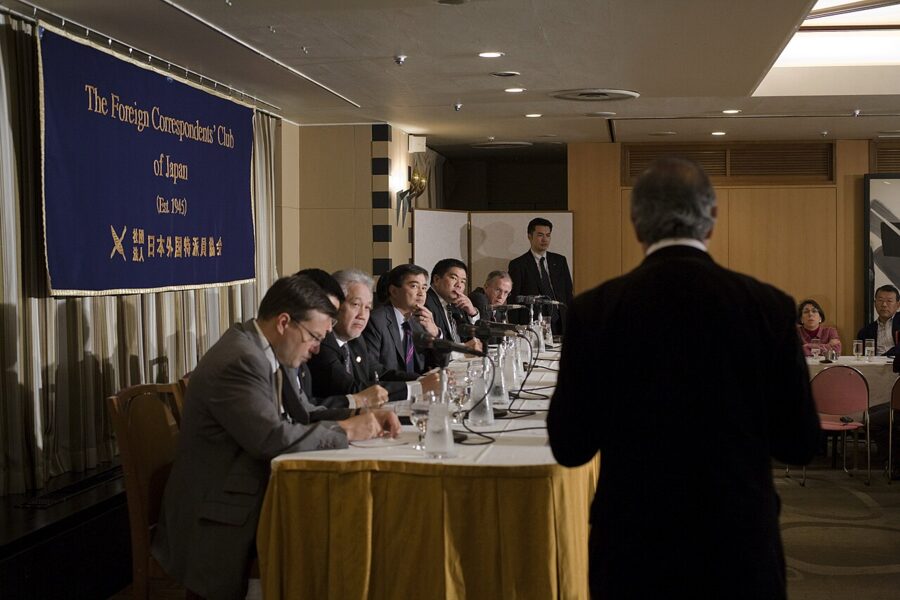
The press conference is what makes this a press club rather than a dining club. Its records count two in 1956 and more than a hundred in 1991. The Professional Activities Committee picks the speakers; between 9 and 27 November 2026 it listed ten, from the governor of Osaka to the journalist Cheng Lei on her detention in China.
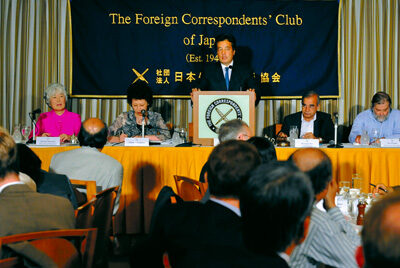

Each gets an hour, a talk and then questions, under the club banner. The listing states the language in advance: English, or Japanese with English interpretation, which most Japanese speakers choose. A club officer introduces the speaker and chairs the questions.
To attend, you register by email with your name and outlet, and members add their membership number. Doors open 15 minutes before the start, and 30 minutes before for television crews with a booking. Questions can also come through an online form, and for members the press conferences are free.

The record: video, audio and the Number 1 Shimbun
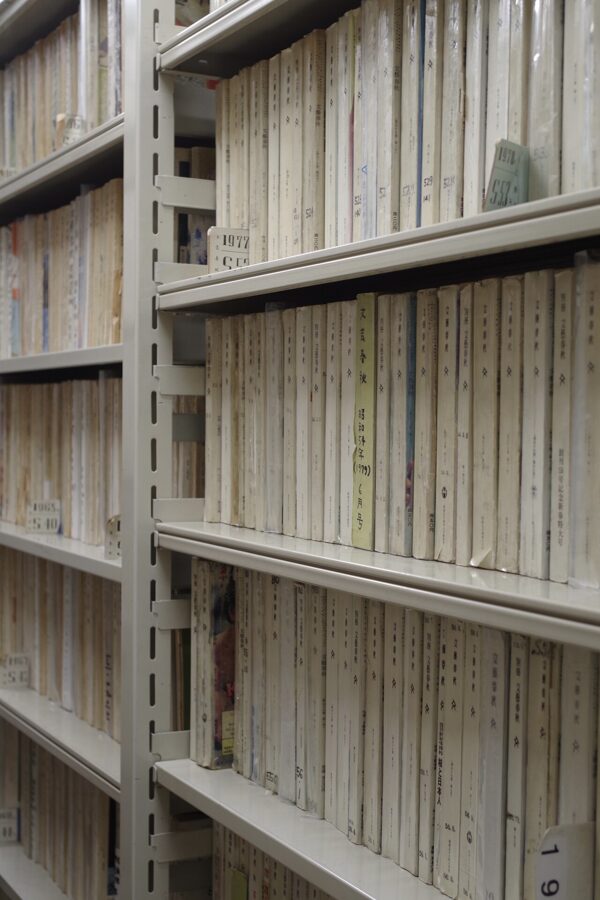
Press conferences are on the record, and a few carry an embargo until the event ends. The club streams most of them and posts the videos to its YouTube channel, which is how a remark made in Marunouchi reaches the evening news in Osaka. The library keeps an audio archive, which still holds the tape of Tanaka’s lunch.
The written record is the Number 1 Shimbun, a monthly founded in 1968 and named after the old Alley. Its opinions, it says in every issue, are the authors’ and not the club’s. In May 2020 a cover that set the coronavirus inside the Tokyo 2020 emblem drew a copyright protest from the Olympic organisers, and the club withdrew it and apologised.
22 October 1974
In his account for the Number 1 Shimbun, the Los Angeles Times correspondent Sam Jameson explained that the prime minister was expected at the club once a year, by informal agreement, and that Tanaka had not been since 1972. Jameson, then president, asked him at the spring cherry-blossom party in Shinjuku Gyoen. Tanaka laughed: “Wakatta, wakatta” (“All right, all right”).
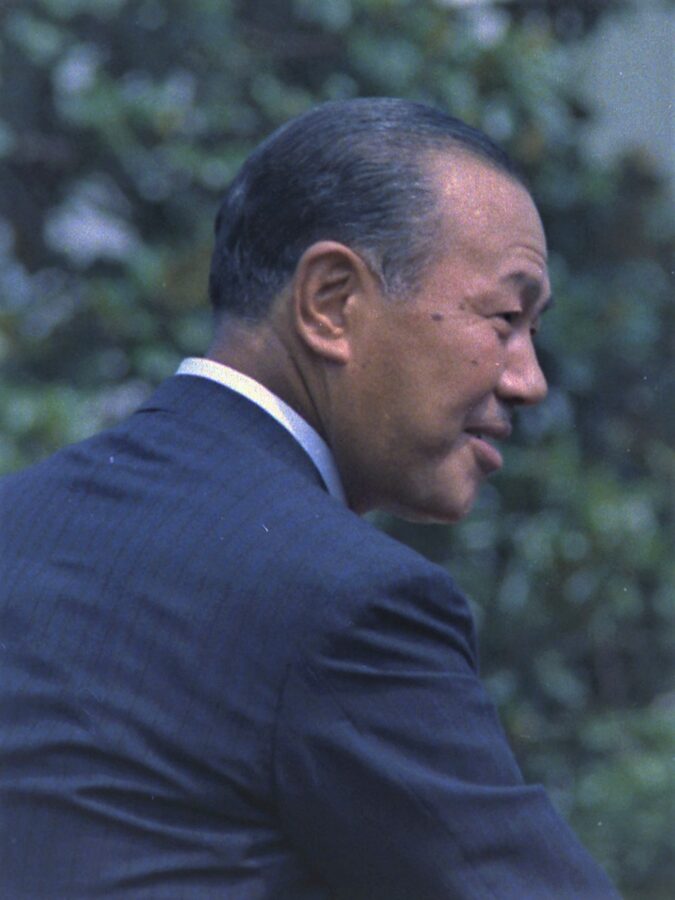
Only after the date was fixed did the November Bungei Shunjū (文藝春秋) go on sale, twelve days before the lunch. In it the freelance writer Takashi Tachibana (立花隆) published “Tanaka Kakuei kenkyū: sono kinmyaku to jinmyaku” (田中角栄研究 その金脈と人脈), a study of Tanaka’s kinmyaku (金脈, literally “gold vein”, his money connections). From property registers it traced land deals through dummy companies whose profits, Tachibana argued, paid for Tanaka’s politics.

The big dailies had barely touched it, though the Japan Times and the Mainichi Daily News had summarised it in English; the Mainichi’s headline was “Watergate, Japanese Style?”. Before the lunch a Foreign Ministry official rang Jameson to ask what Tanaka might be asked.
The board member Bela Elias of the Hungarian News Agency, standing in for an absent president, gave an introduction made almost entirely of jokes at Tanaka’s expense, one of them advising anyone curious about his finances to read the latest Bungei Shunjū. Jameson asked whether a politician should account for his wealth, as the US Senate was making Nelson Rockefeller do. Reporters from the Washington Post, the Baltimore Sun and two German papers followed.
The questions had been in the English-language papers for a week. What was new was a prime minister being asked them to his face.
Tanaka answered vaguely, from notes, and left early. The next day the Japanese papers printed the introduction and the questions in full. On 11 November reporters in the prime minister’s own press club began asking about his finances, and on 26 November he announced that he would resign.
What happened next, and who says what
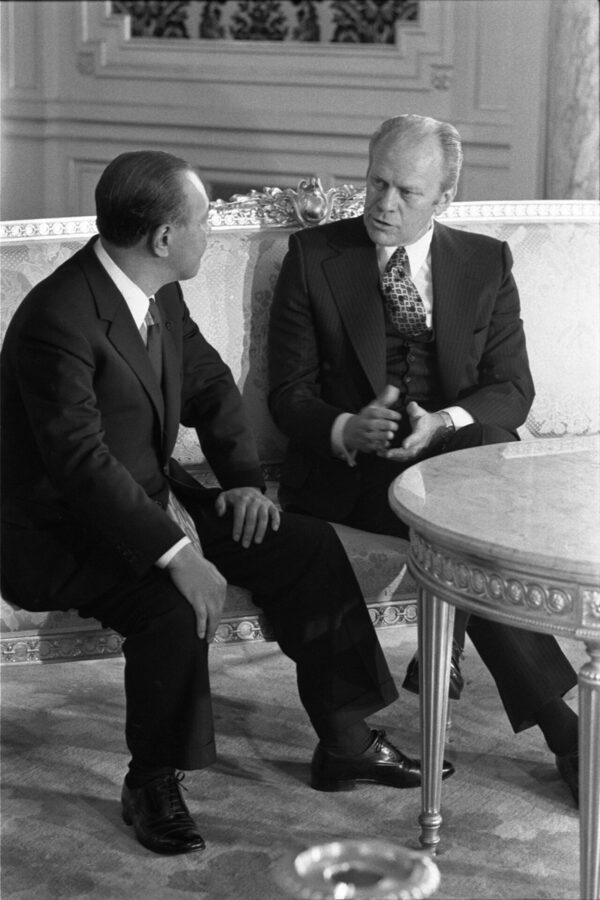
Tanaka kept his Diet seat and the largest faction in his party. He was arrested in the Lockheed bribery case in July 1976 and died in 1993. His name became shorthand for the money side of Japanese politics, the kaban of the three bans.
What the lunch did is still argued over. Jameson thought the Japanese press used it as cover for a campaign against a man it had come to dislike. Tanaka’s secretary Akiko Sato repeated talk that a Taiwanese reporter had started it; the former diplomat Ukeru Magosaki saw an American hand. The club’s 2014 reading of the tape settled one point: no reporter from Taiwan asked anything.
The Kyodo reporter Kotaro Nogami, who was in the room, later wrote that a political reporter could not stay close to a powerful man and also chase his funding, because one money question would close the door. In a 2013 letter to the magazine, the writer Greg Clark argued that the foreign correspondents had handed Japan an excuse to drop a prime minister.
I would put it more simply. The questions were not new. The audience was.
Other days in the room
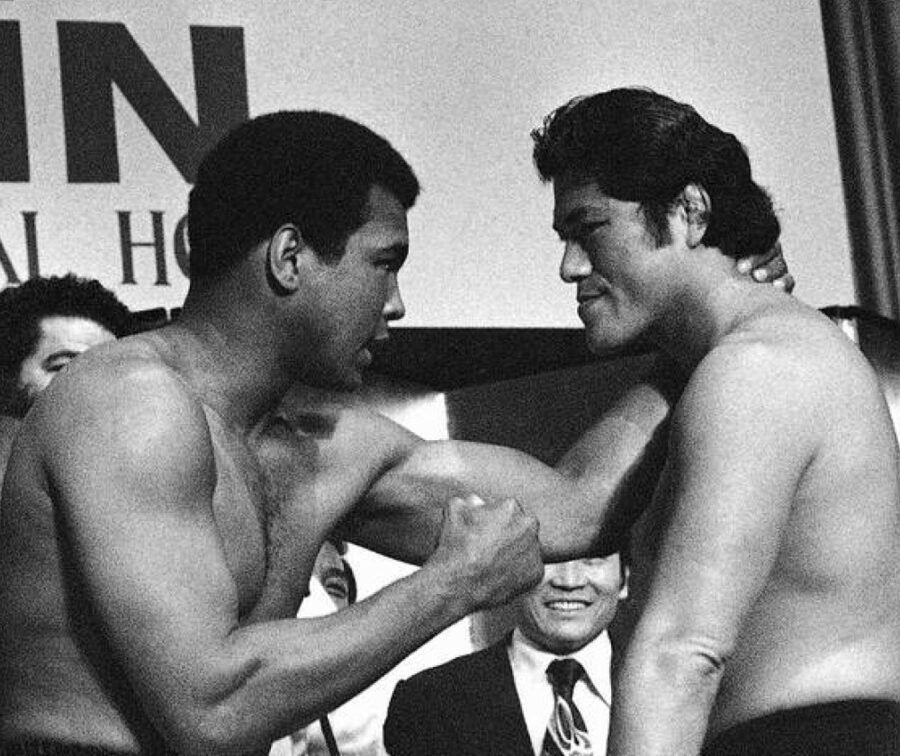
Yukio Mishima spoke on 18 April 1966. On 18 June 1976 Muhammad Ali, in town to fight Antonio Inoki, put the club’s president Alvin Cullison in a chokehold while Inoki looked on. Sadaharu Oh came on 17 October 1977, six weeks after his 756th home run, and was back on 13 November 2026 for the Japan Baseball Council.
Japanese politicians come constantly. Yuriko Koike first spoke as a new member of the House of Councillors in March 1993 and returns as governor of Tokyo. In April 2015 the former trade ministry official Shigeaki Koga came to explain why he had been dropped from a news programme. That October the epidemiologist Toshihide Tsuda presented his paper on thyroid cancer after Fukushima, a reading the prefecture’s expert panel and UNSCEAR do not share.
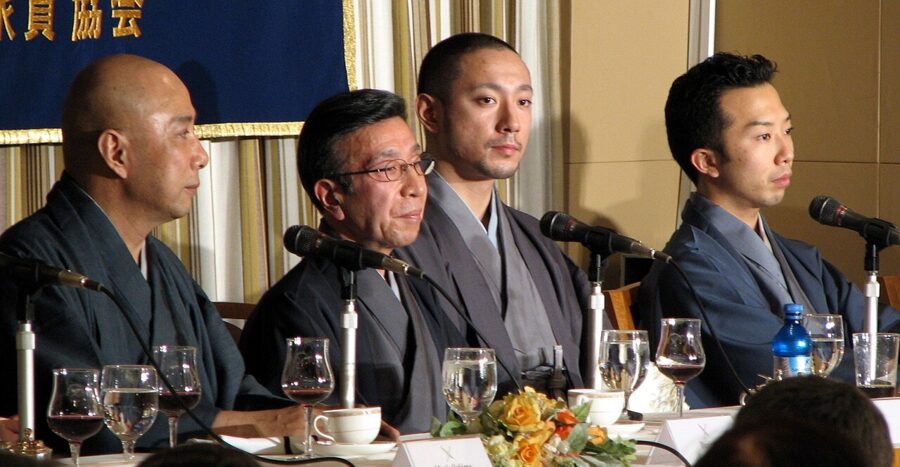

On 24 October 2017 the journalist Shiori Ito (伊藤詩織) came to talk about Black Box, her book on the rape she said a prominent television journalist had committed and on the decision not to prosecute. A Tokyo court found for her in a civil suit in December 2019, and the judgment largely stood on appeal. In February 2025 her former lawyers used the same room to object to her documentary’s use of security footage and audio without consent, and she answered there the same day.
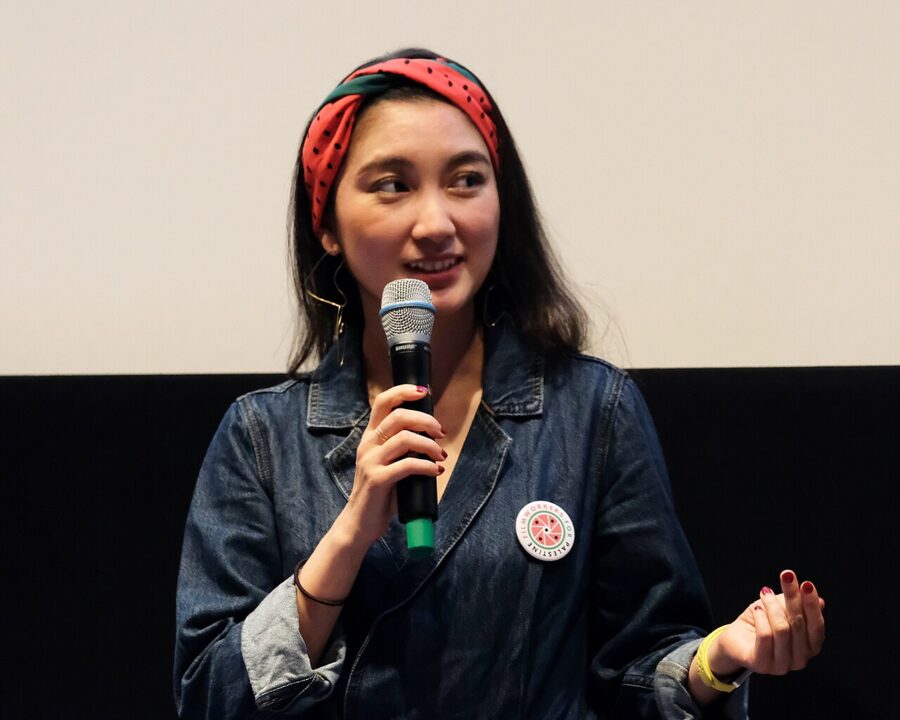

On 12 April 2023 the singer Kauan Okamoto told the club that Johnny Kitagawa, founder of Johnny & Associates, had abused him repeatedly from the age of 15. Kitagawa had died in 2019. Shūkan Bunshun had printed similar accounts in 1999, and the mainstream media, in the magazine’s words, had played the story down.
After Okamoto spoke on camera, that was harder. In August 2023 an investigation panel found that Kitagawa had abused boys since the 1950s; in September the company admitted it and its president resigned. The agency that had managed stars such as Sho Sakurai was renamed, and its management business passed to a new company.
Both sides of an argument use the room. Genta Koja, elected governor of Okinawa in September 2026 with LDP backing and in favour of the Henoko base relocation, spoke on 9 November. The man he beat, Denny Tamaki, was booked for the same month.
Rachel McAdams and Spotlight, 14 April 2016
Film people usually come for screenings; members saw the first Japanese screening of The Cove, which won an Oscar in 2010. Rachel McAdams came for a press conference. Spotlight, in which she played the Boston Globe reporter Sacha Pfeiffer, had won Best Picture that February and opened in Japan as Supottoraito: Seiki no Sukūpu (スポットライト 世紀のスクープ, “Spotlight: Scoop of the Century”) on 15 April.
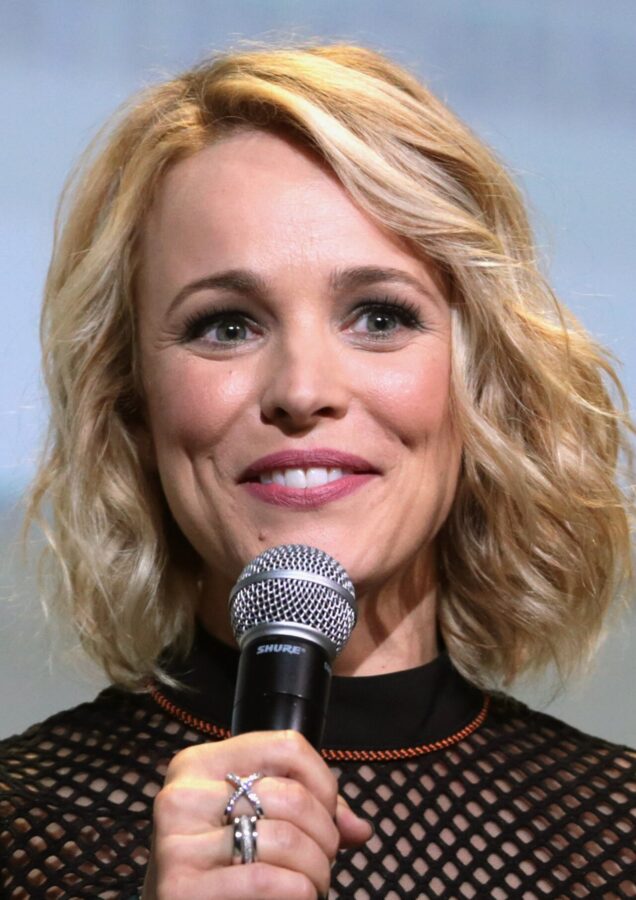

It was the eve of the opening. Eiga.com’s report has her admitting she had doubted anyone would see so serious a film, then calling the reporters she played unsung heroes. She passed on the director Tom McCarthy’s point that good people can become complicit, and said survivors had been contacting news organisations since the film came out.
The next week Reporters Without Borders ranked Japan 72nd for press freedom. As of November 2026 it stands at 62nd of 180.
The kisha clubs, and the club for everyone else
The reason a Japanese critic goes to the foreign press is the kisha kurabu (記者クラブ, “reporters’ club”). Ministries, parties, police forces, courts and chambers of commerce each have one, a room on the premises staffed by reporters from the big papers and broadcasters. The FCCJ’s history counts hundreds, and notes that most of their press conferences are for members only.
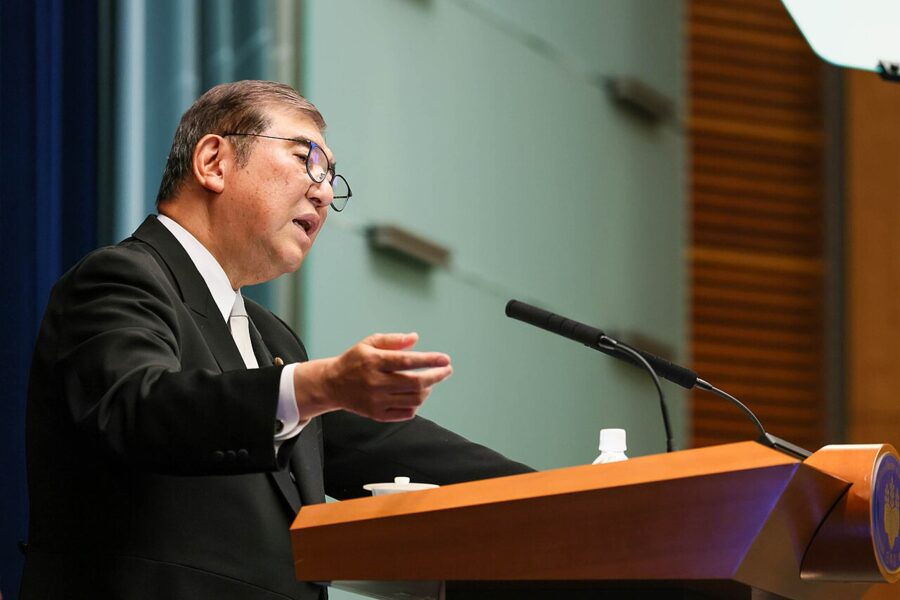

Foreign reporters hit the system in 1959, covering the wedding of Crown Prince Akihito and Michiko Shoda. The answer was the Foreign Press in Japan, set up in 1964 with the club’s help. It speaks for more than 100 foreign outlets, bargains for seats at court hearings and has pressed for access to the prime minister’s office and the Fukushima Daiichi plant.
The clubs’ defence deserves its strongest form. The Japan Newspaper Publishers and Editors Association describes them as voluntary bodies of reporters who cover an institution day after day and press it to disclose, and some now admit freelancers. A beat reporter with a desk in the ministry, on that view, sees more than any visitor.
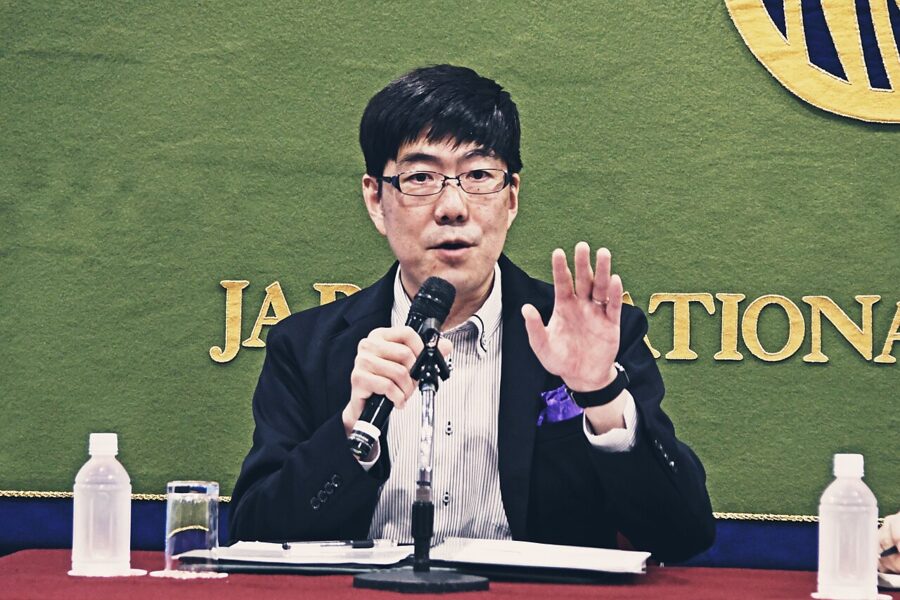

The critics answer with Nogami’s dilemma. A reporter who depends on daily access has every reason not to ask the question that ends it; the habit has a name, sontaku (忖度), anticipating what the powerful would prefer. Weekly magazines outside the system break many of the scandals, as Shūkan Bunshun did with the economy minister Akira Amari in 2016.
The FCCJ offers questioners with no beat to protect, English interpretation and a video anyone can watch. Koga told the club in 2015 that without it there would probably have been no discussion of press freedom in Japan at all. Not everyone admires it: the conservative monthly Seiron accused it in 2014 of spreading anti-Japanese poison. The club points to a guest list that, its membership page says, includes Junichiro Koizumi, Shinzo Abe and almost every influential minister since 1945.
Getting in, eating, and finding the fifth floor
Press conferences are for members, registered journalists and members’ guests, not walk-ins. Members can bring guests to the bars and dining rooms, and the easiest way in is the non-press calendar: film previews, author talks called Book Breaks, wine tastings and live music on Saturday nights. Tokyu Hotels & Resorts took over the food and drink on 1 October 2026, and its launch buffet cost ¥5,500 (about $35) for members and guests alike.
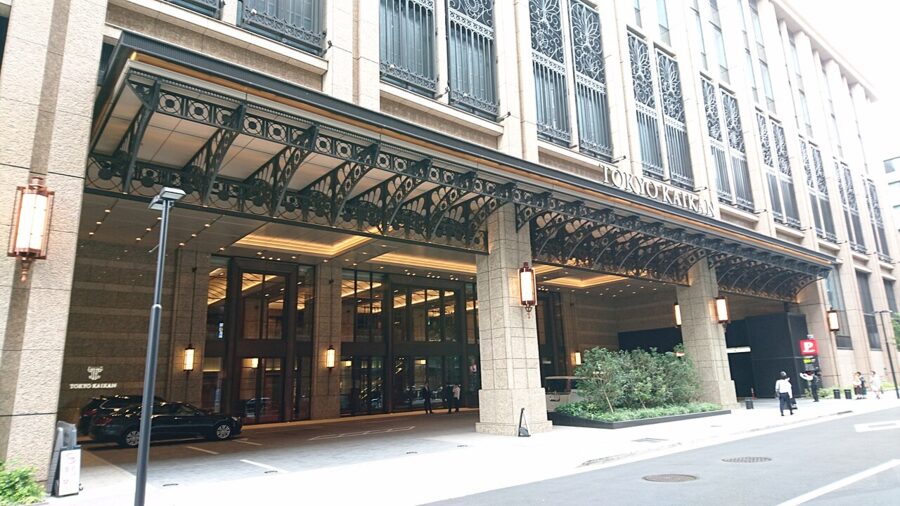

Hours, as the club listed them in November 2026:
| Room (5th floor unless stated) | Open |
|---|---|
| Main entrance and reception | Weekdays 9:30 a.m.–10 p.m., Saturdays 10 a.m.–10 p.m. |
| Main Bar | Monday–Saturday 11 a.m.–10 p.m. |
| Pen & Quill dining room | Weekdays 11:45 a.m.–3 p.m. and 5:30–10 p.m.; booking by phone |
| Masukomi Sushi Bar | Weekdays 11:30 a.m.–2 p.m. and 5:30–9:30 p.m. |
| Library (6th floor) | Weekdays 10 a.m.–6:30 p.m. |
The sushi bar’s name is a joke the members get: masukomi (マスコミ) is Japanese for the mass media.
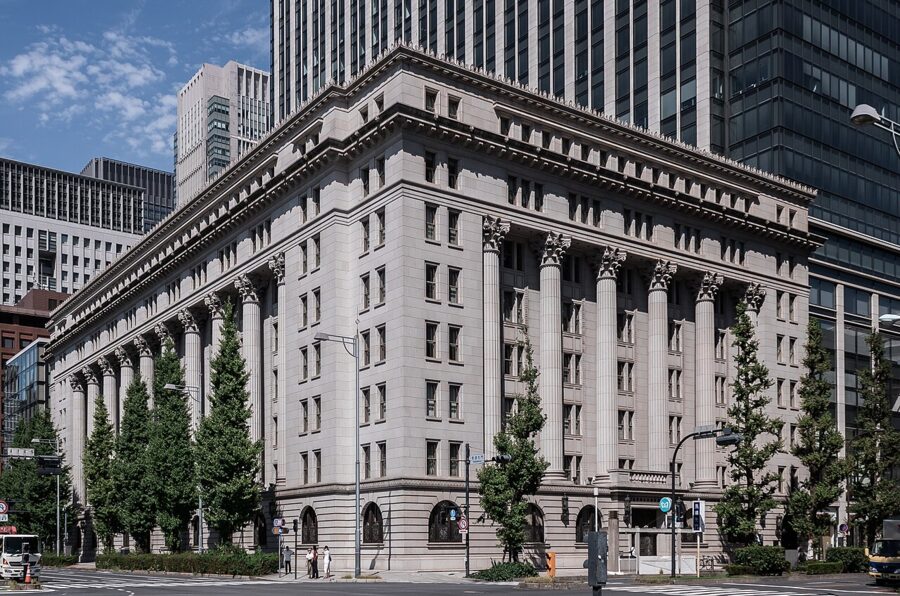

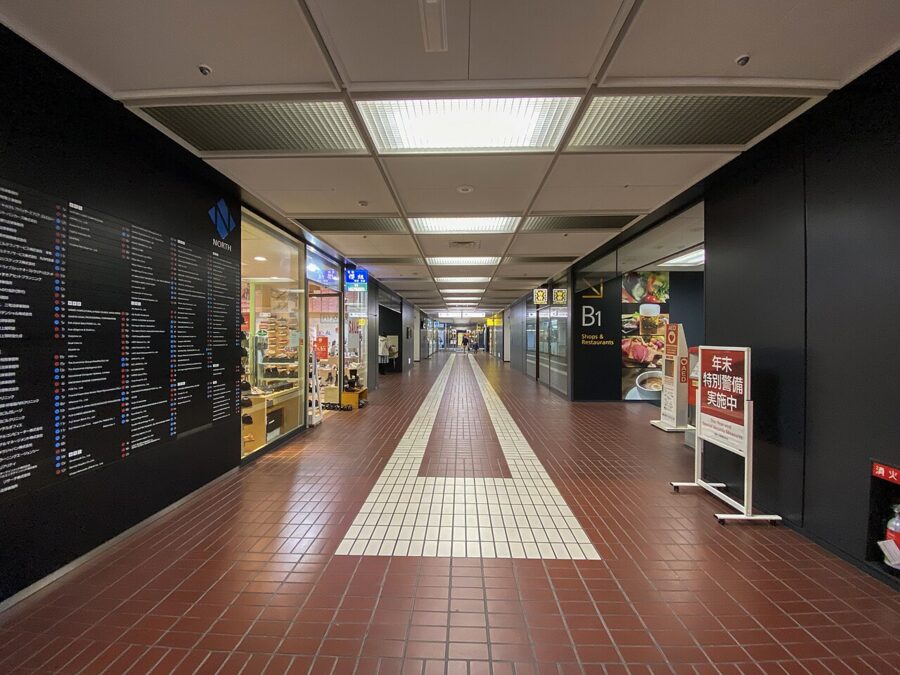
The address is Marunouchi Nijubashi Building 5F, 3-2-3 Marunouchi, Chiyoda-ku. The easiest way in is underground: Exit B5 of Nijubashimae Station (Tokyo Metro Chiyoda Line) leads into the building. Take the escalator up to B1, follow the signs towards JR Tokyo Station, and take the lift beside the restaurant ROTI to the fifth floor, where reception faces the lift doors.
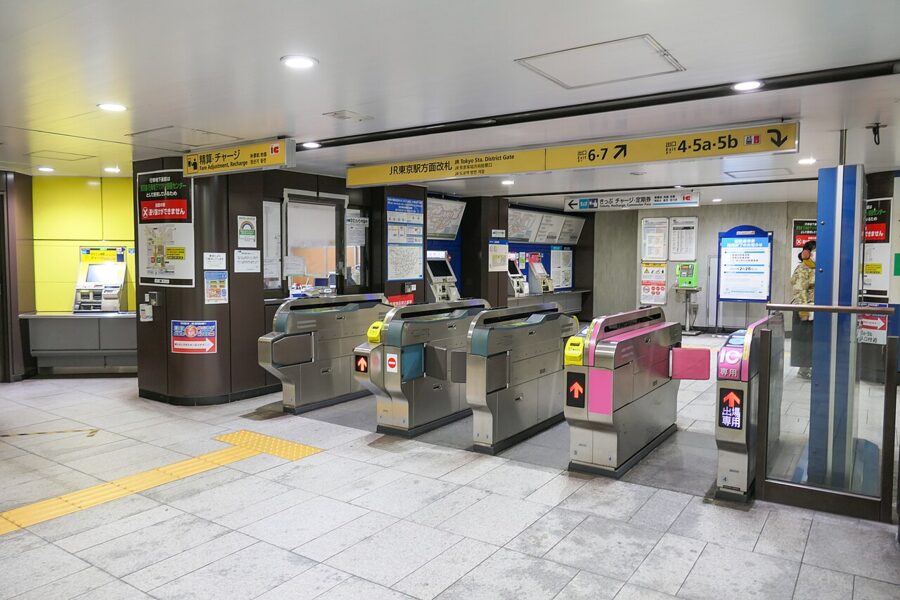

From Hibiya Station (Mita Line) or Yurakucho Station (Yurakucho Line), come up at Exit B7 and the building is on your right. From the Marunouchi South Exit of JR Tokyo Station, walk with KITTE on your left, turn left at the first lights, then right onto Babasaki-dori between the Tokyo International Forum and SMBC Nikko Securities. The office entrance, under the Deloitte and Mitsubishi Heavy Industries signs, faces Meiji Seimeikan; the club’s two lifts are behind the Mitsubishi Heavy Industries reception.
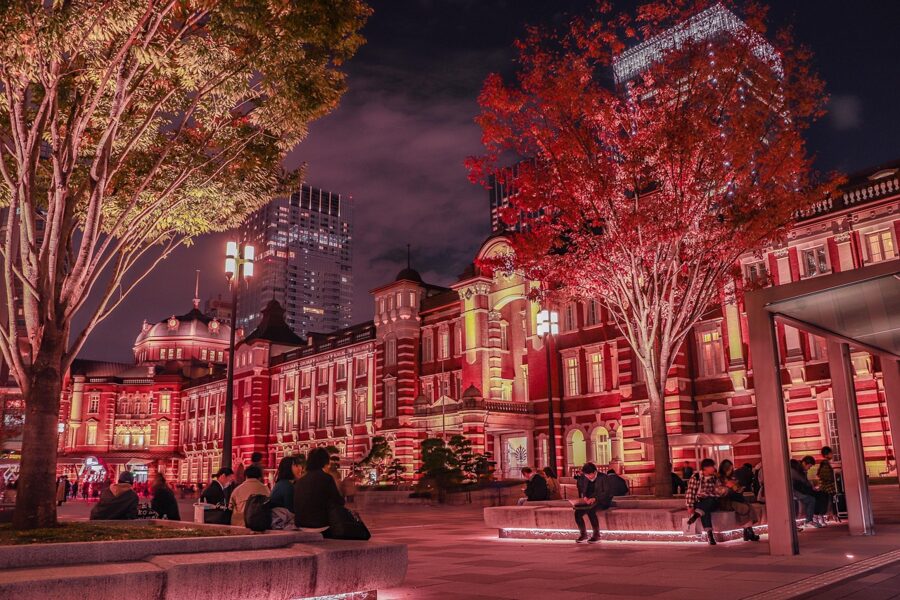
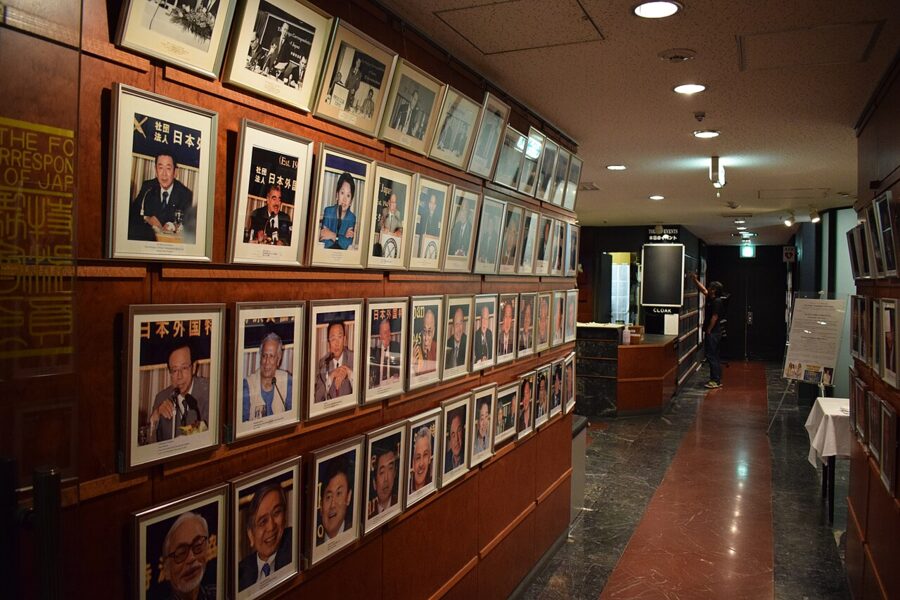
In 2014 the club’s magazine noted that the photograph from Tanaka’s lunch still hung in the entry hall. The room has moved since; the format has not. A speaker still gets an hour at the podium, usually in Japanese with English interpretation, and the doors still open fifteen minutes before.