
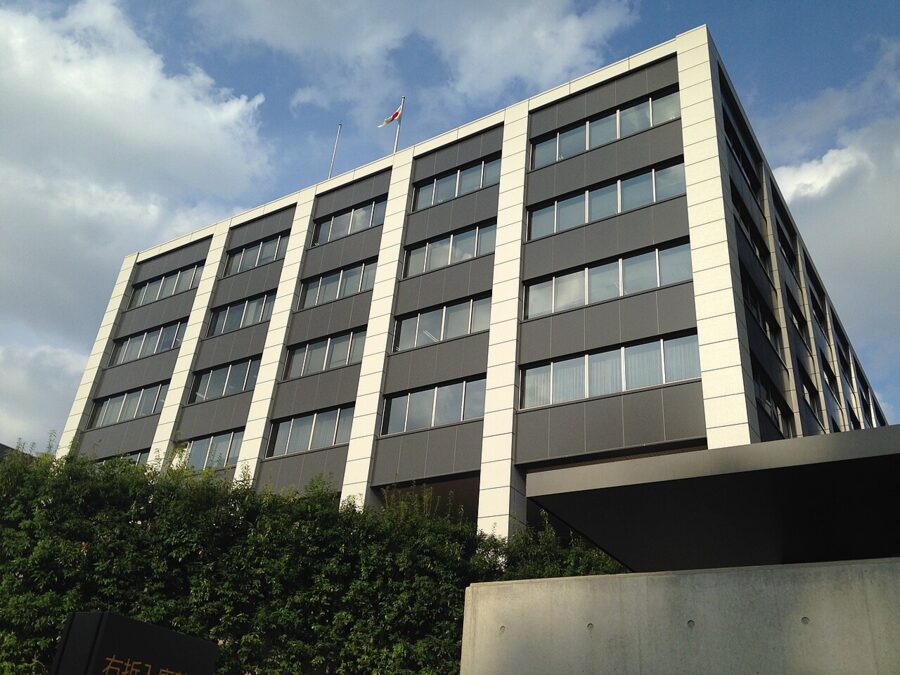
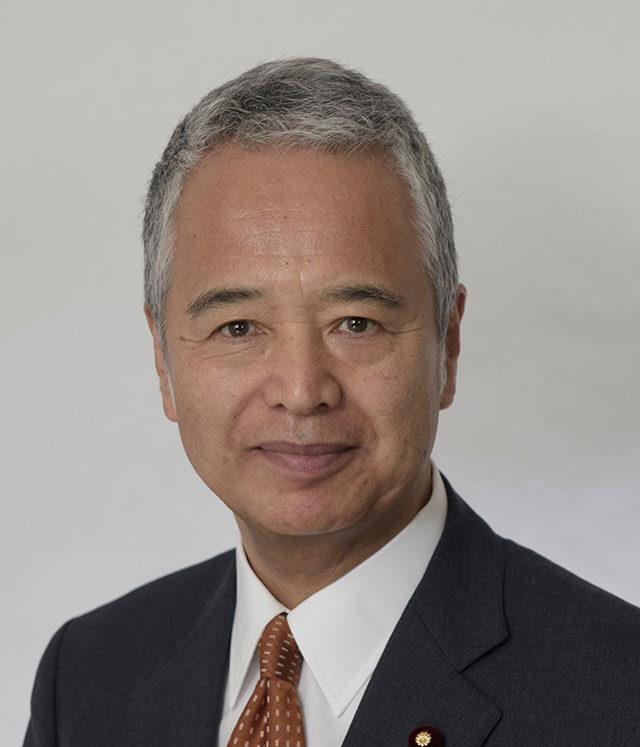
Late on the afternoon of 28 January 2016, Akira Amari (甘利明) sat in front of the cameras at the Cabinet Office and read out sums of money. Half a million yen in his ministerial office, half a million at his local office, five million to an aide who had kept three of it for himself. Then he said he was resigning. In seven days he had been due in Auckland to sign the trade deal he had spent three years negotiating.
Most of Nagatacho expected the Abe cabinet to pay for it in the polls. It went up instead, and the Amari affair is still the clearest case of Japanese voters weighing a money scandal against a government they saw no alternative to.
In this article
- The man who carried the TPP
- What Shukan Bunshun reported
- The press conference of 28 January
- Auckland, 4 February, without him
- What the polls showed
- Sleep disorder, prosecutors and a review panel
- The comeback: thirty-five days as secretary-general
- Money, mediation and the law
- Where to see it for yourself
The man who carried the TPP
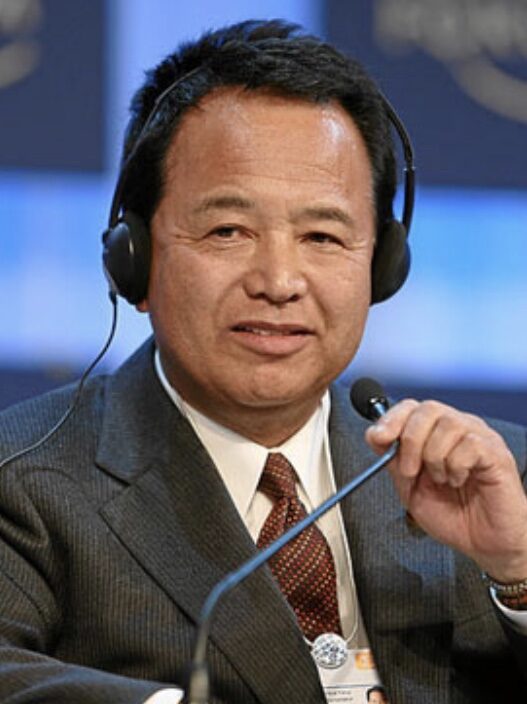
Amari was a second-generation politician from Kanagawa. He left Sony in 1974 to work for his father, Tadashi Amari, and took over his Kanagawa seat in 1983, the standard route in a system built on hereditary politics. By 2012 he had been labour minister, trade minister and the Liberal Democratic Party (LDP) policy chief, and he had run Shinzo Abe’s campaign to win back the party leadership.
Abe rewarded him with the economy. In the second Abe cabinet, from December 2012, Amari was minister for economic revitalisation and fiscal policy, the man who explained Abenomics to markets. In 2013 he also took on the Trans-Pacific Partnership, the twelve-country trade agreement Japan formally joined that July after years of argument at home.
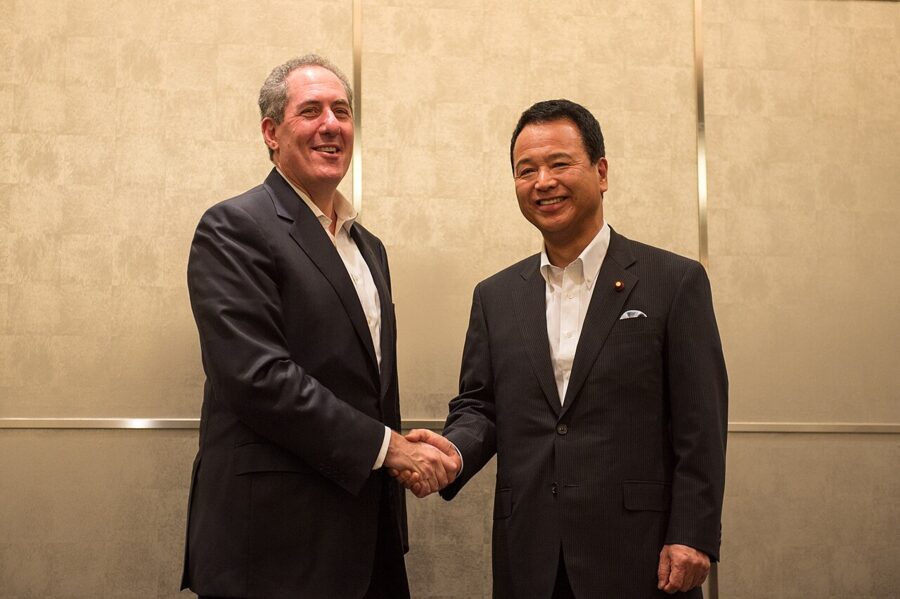
The hard part was agriculture. Japan wanted to shelter five “sacred” categories (rice, wheat and barley, beef and pork, dairy, and sugar), and the United States wanted car tariffs and market access in return. Amari ran those talks with Michael Froman, the US Trade Representative, through 2014 and 2015. He kept going after a diagnosis of early-stage tongue cancer in December 2013, back at work within the month after surgery.
The deal was struck in Atlanta on 5 October 2015. Amari came home as the minister who had made it happen, and the signing was set for Auckland on 4 February 2016.
What Shukan Bunshun reported
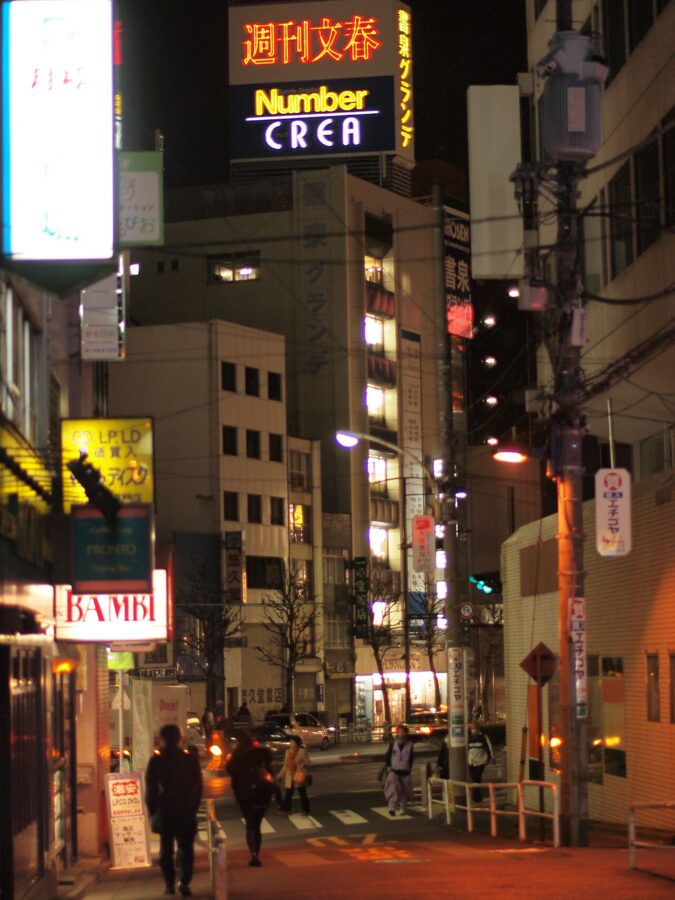
The story did not come from the press-club dailies. It came from Shukan Bunshun, the weekly magazine that sits outside the kisha clubs and has made a habit of ending ministerial careers. Its issue on sale on 21 January 2016 reported that a construction company in Shiroi, Chiba Prefecture, Satsuma Kogyo, had given Amari’s side about ¥12 million (about $78,000) in cash and entertainment.
The company was in a compensation dispute with the Urban Renaissance Agency (UR), the government housing and development body, over land for a prefectural road. According to the magazine, it asked Amari’s office to put in a word with UR, what Japanese calls kuchikiki (口利き, literally “using one’s mouth”), and paid for the help. Its source was the company’s former manager in charge of general affairs, who said he had recorded meetings and kept receipts.
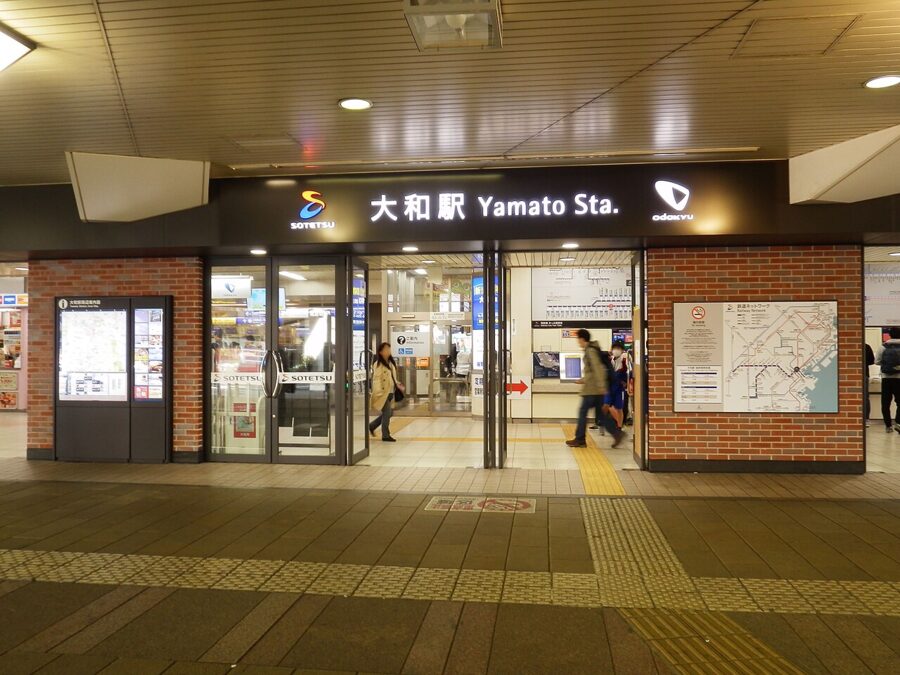
The most damaging detail was the setting. Two of the payments, the magazine said, were handed to Amari himself: one in his ministerial office in November 2013, one at his constituency office in Yamato, Kanagawa, in February 2014. Asked about it in the House of Councillors that same Thursday, Amari said the company president had visited his office but that his memory of what happened was vague.
The press conference of 28 January
On 27 January Abe told the House of Councillors he wanted Amari to carry on with the economy and the TPP. The next day Amari gave his own account, based on what he said was an investigation by outside lawyers, and it confirmed more than it denied.
He accepted that he had taken ¥500,000 (about $3,200) twice, and said he had told his staff to record both as donations to his LDP branch, as they had been. The larger sums were his aides’. One secretary had received ¥5 million, declared ¥1 million, routed another ¥1 million to a second party branch and, Amari said, spent the remaining ¥3 million himself.
Both aides had accepted meals and entertainment from the company many times, and both had resigned. On the favour itself, their version was that one had asked UR how talks were going without requesting anything.
He then explained why he was going, in words the Japanese edition of HuffPost carried in full:
“In light of my responsibility as a Diet member to supervise my secretaries, my duty as a cabinet minister and my pride as a politician, I have decided today to resign my post.”
He added, as the Sankei Shimbun reported, that clinging on would go against his “aesthetics as a politician”. In Reuters’ English version, quoted by the BBC that evening, anything that held back the fight against deflation had to be removed, and he was no exception. He was the fourth minister of the second Abe era to go over money or misconduct.
Auckland, 4 February, without him
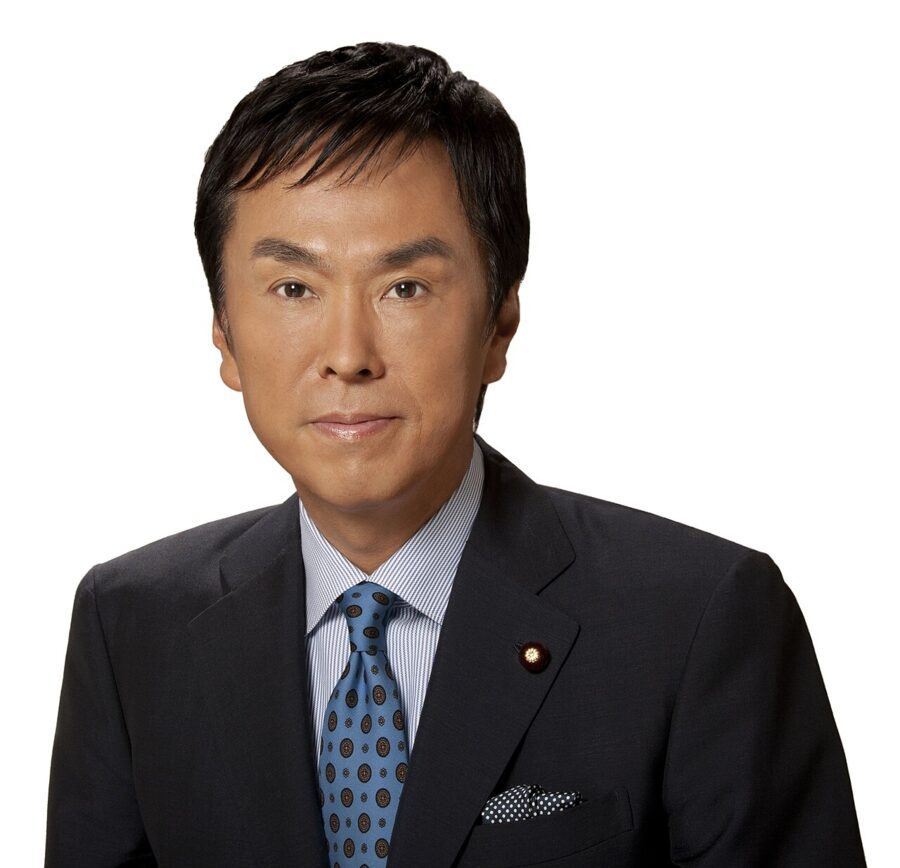
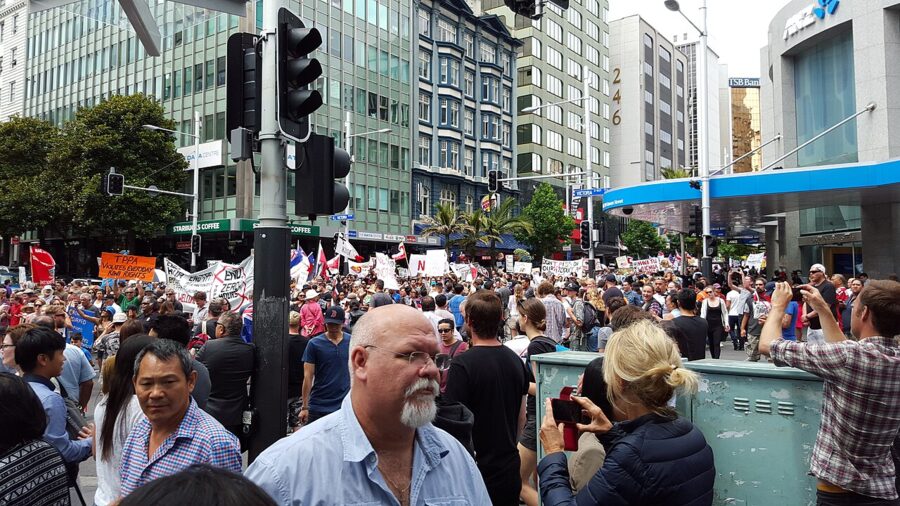
Nobuteru Ishihara, a former LDP secretary-general and environment minister, signed for Japan. The ceremony took place at the SkyCity convention centre in Auckland, with trade ministers from all twelve countries. Outside, thousands of New Zealanders marched against the agreement.
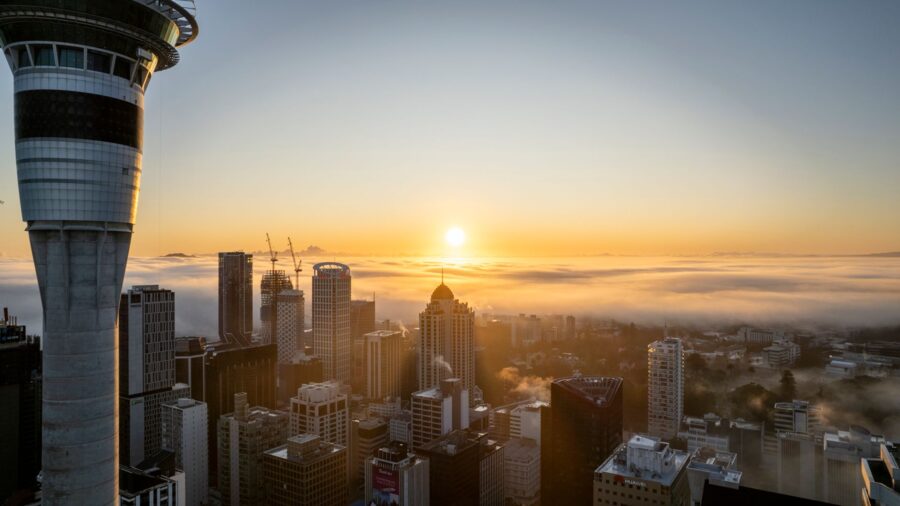
The agreement Amari negotiated never came into force in that form. The United States withdrew in January 2017, and the other eleven rebuilt it as the Comprehensive and Progressive Agreement for Trans-Pacific Partnership (CPTPP), signed in Santiago in March 2018 and in force from 30 December 2018. The United Kingdom joined in December 2024.
What the polls showed
The pollsters went into the field that weekend, 30 and 31 January. Large majorities said Amari had been right to go. Cabinet approval did not fall in any of the major surveys.
| Pollster (fieldwork) | Cabinet approval | Change | Also asked |
|---|---|---|---|
| Kyodo News (30–31 January 2016) | 53.7% | up 4.3 points on December | 67.3% said resigning was the right thing |
| Yomiuri Shimbun (30–31 January 2016) | 56% | 54% on 8–10 January | 70% said resigning was the right thing |
| Mainichi Shimbun (end of January 2016) | 51% | up 8 points on December | 46% said Abe’s responsibility for appointing him was not heavy |
| Yomiuri Shimbun (12–14 February 2016) | 52% | down 4 points | taken after a separate LDP scandal |
The Mainichi Shimbun, a paper usually read as critical of Abe, recorded its first approval figure above 50% since March 2014, and its disapproval figure fell seven points to 30%.

Commentators in the Japanese press read it two ways. The first was speed. Abe had said only a day earlier that Amari should stay, and many reporters assumed he would hang on at least until Auckland. Resigning before the signing struck people as isagiyoi (潔い, “clean, graceful in accepting a loss”), a word that carries real moral weight, and the loss of the ceremony looked like a punishment in itself.
The second was the opposition. The Democratic Party of Japan was then negotiating a merger that became the Democratic Party in March, and its poll numbers were weak, so a voter annoyed with the LDP had nowhere obvious to go. I would add a third reason. The Amari story was about road compensation and party branches, a “newspaper scandal” that needs a diagram, and diagrams do not move approval ratings.
The one dip that month came from somewhere else. In mid-February Kensuke Miyazaki, an LDP backbencher who had made headlines by promising to take paternity leave, resigned his seat over an affair, and the Yomiuri’s next poll fell four points. That July the LDP and its coalition partner Komeito won the House of Councillors election comfortably.
Sleep disorder, prosecutors and a review panel
After 28 January Amari disappeared from the Diet, citing suimin shōgai (睡眠障害, a sleep disorder). He reappeared in public on 6 June, after the session closed, and took his seat again on 1 August, about six months after he left. The investigation of the aides that he had promised to publish “at the appropriate time” never appeared.
Two groups filed criminal complaints: a lawyers’ group in March and the citizens’ organisation Political Funds Ombudsman in April 2016. They cited the Political Funds Control Act and a 2000 law that punishes Diet members and their secretaries for taking money to use their influence on a public body. Prosecutors searched UR and the company in April and questioned Amari voluntarily in late May.
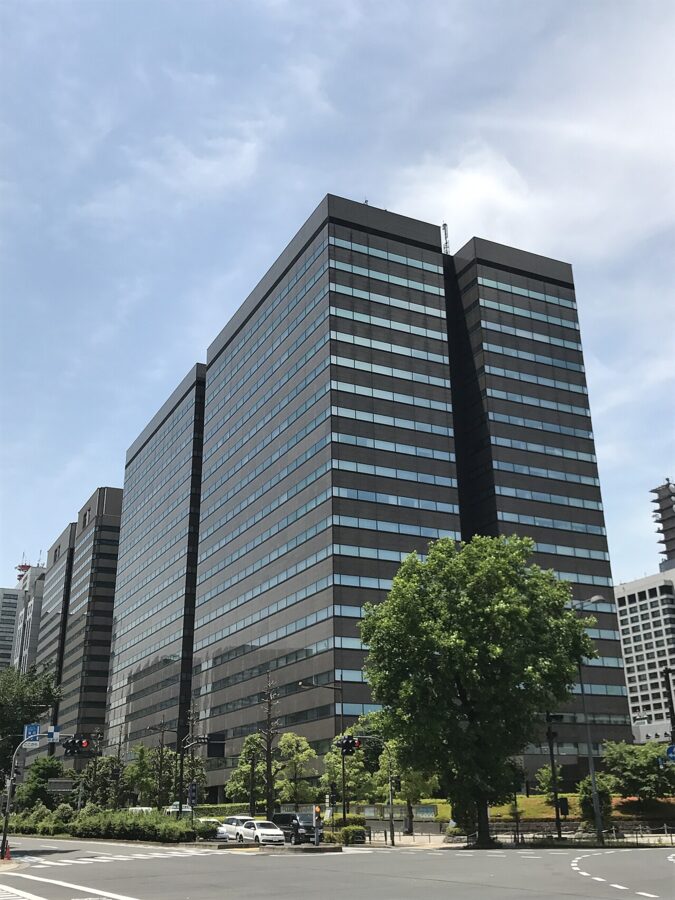
On 31 May the prosecutors declined to charge Amari or his two former secretaries, on grounds of insufficient evidence. As reported, they read “influence based on a Diet member’s authority” narrowly, as something like a threat to raise a matter in the Diet, which an ordinary request for information did not meet. Critics, the Japanese Communist Party loudest among them, said this reading left the 2000 law almost impossible to use.
The complainants went to a Committee for the Inquest of Prosecution, the panel of eleven randomly chosen citizens that reviews decisions not to prosecute. Tokyo’s No. 4 committee found the decision on Amari proper, saying there was no evidence that he had conspired with his aides. On the two secretaries it found the decision improper and sent the case back.
Prosecutors looked again and again declined to charge, and the last possible offences passed the statute of limitations on 20 August 2016. Amari’s office said it was relieved.
The comeback: thirty-five days as secretary-general
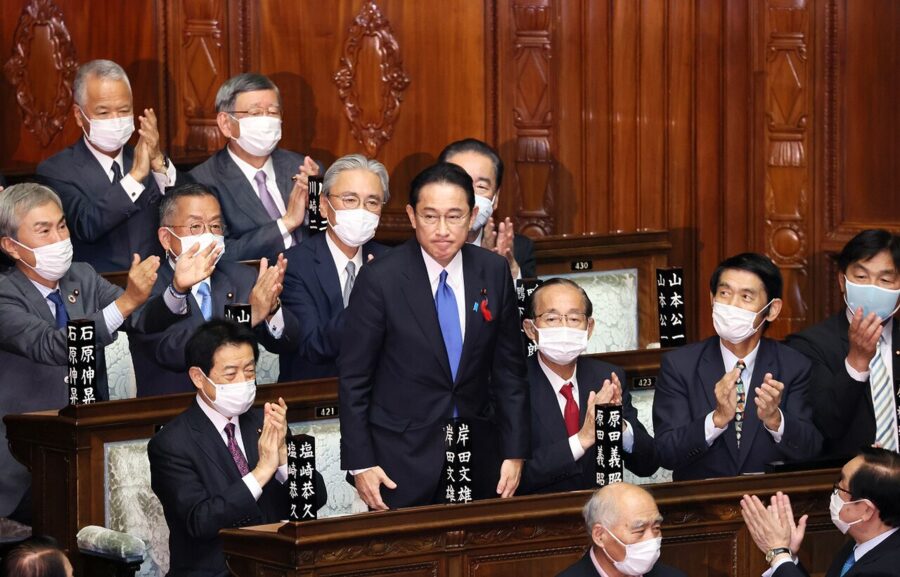
The party did not hold it against him. Amari joined the Aso faction in 2017, ran the LDP’s election strategy from 2018 and chaired its tax commission from 2019, a powerful post for someone not from the tax and finance world. In September 2021 he helped Fumio Kishida win the party presidency, and on 1 October Kishida made him secretary-general, the job that controls the party’s money and candidates.
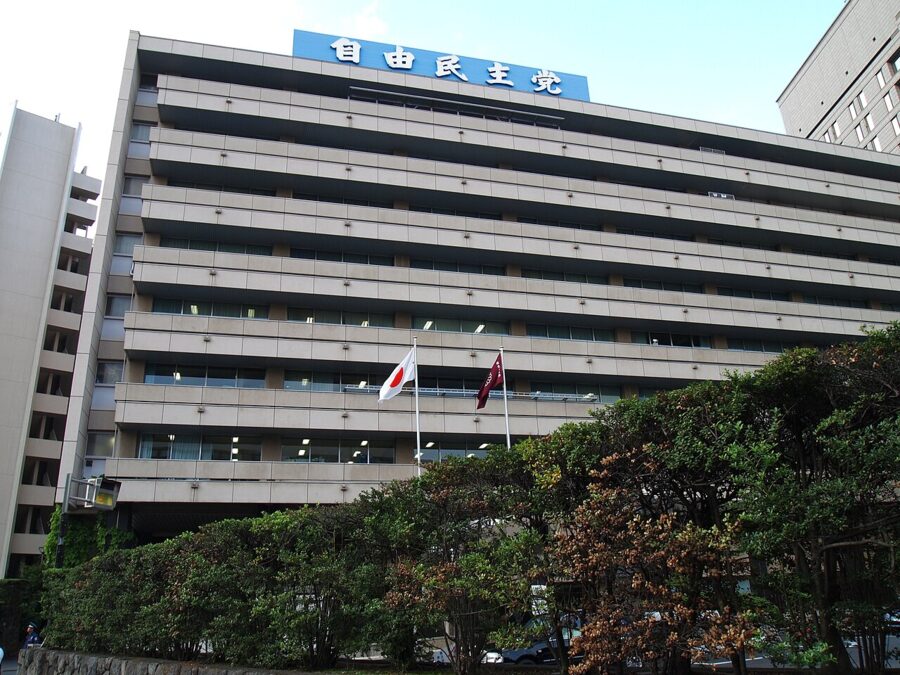
At his first press conference as secretary-general, Amari said he had answered every question until there were none left and considered his duty to explain fulfilled. The opposition and much of the press disagreed, and the 2016 story ran again through the general election campaign that October.
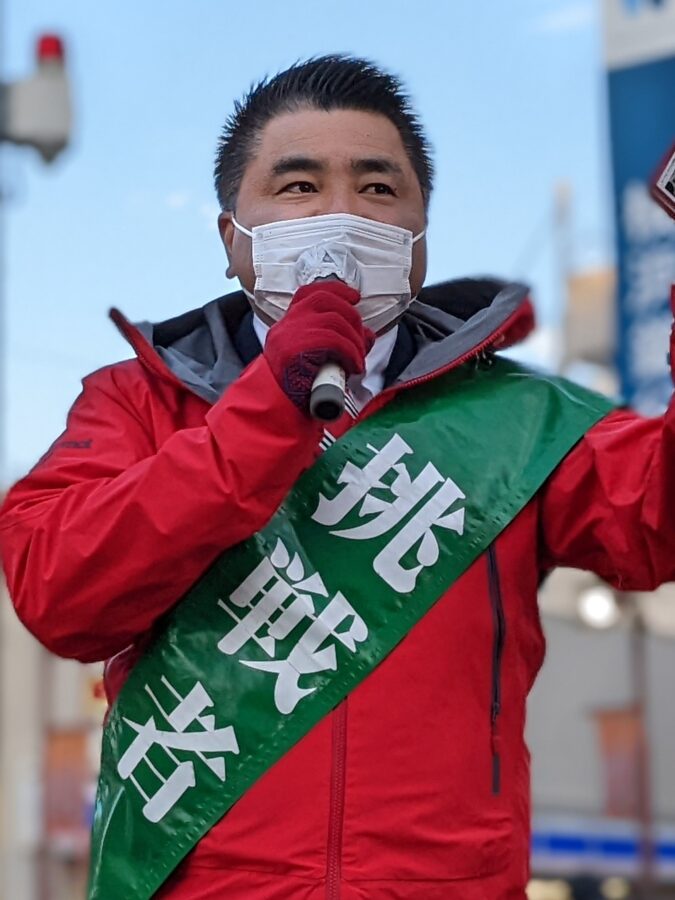
On 31 October 2021 Amari lost Kanagawa 13th district to Hideshi Futori of the Constitutional Democratic Party of Japan (CDP). He kept his Diet seat through the Southern Kanto proportional list, but no sitting LDP secretary-general had ever lost his own district. He offered his resignation that night, Toshimitsu Motegi replaced him, and his thirty-five days in the post were the second-shortest in the party’s history.
In October 2024, aged 75, he stood in the new Kanagawa 20th district and lost to the CDP’s Sayuri Otsuka. The LDP’s internal rule keeps candidates over 73 off the proportional lists, so there was no second chance. In December 2024 he told reporters he would not stand again.
Money, mediation and the law
Nothing in the Amari case was unusual, which is the point. Since 2000 Japanese companies have been barred from giving money to an individual politician’s fund-management body, but they can still give to a party branch, and most Diet members run the branch in their own district. Amari’s ¥1 million went exactly there, recorded and legal. The question the law could not answer was what the money had been for.
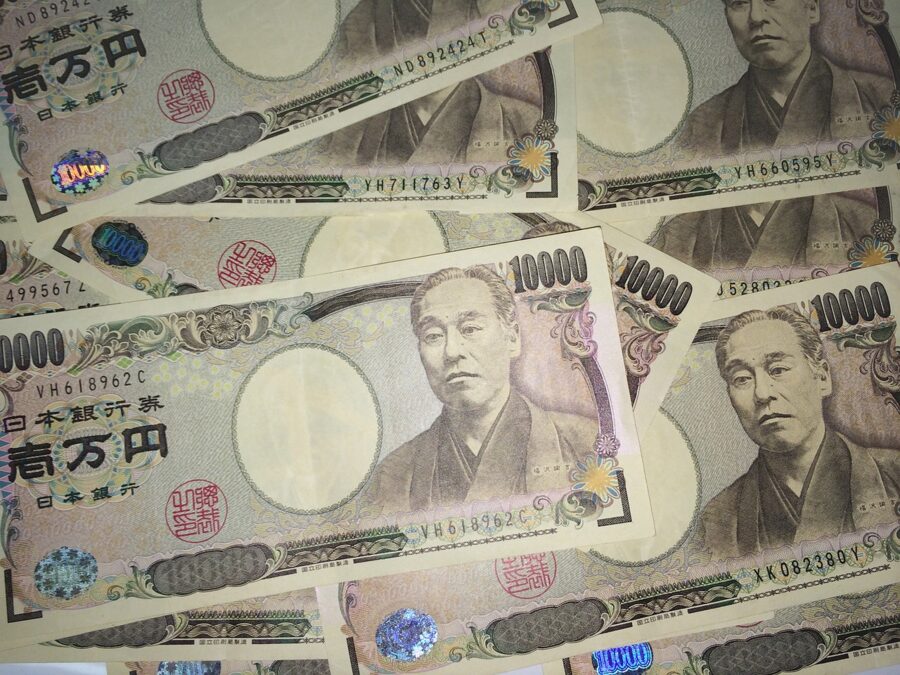
That gap has a long history. The Recruit shares scandal brought down Noboru Takeshita’s cabinet in 1989, and the Sagawa Express affair ended Shin Kanemaru’s career in 1992. In the second Abe era alone, Yuko Obuchi resigned as trade minister in October 2014 over her support groups’ theatre trips, and Koya Nishikawa quit agriculture in February 2015 over donations.
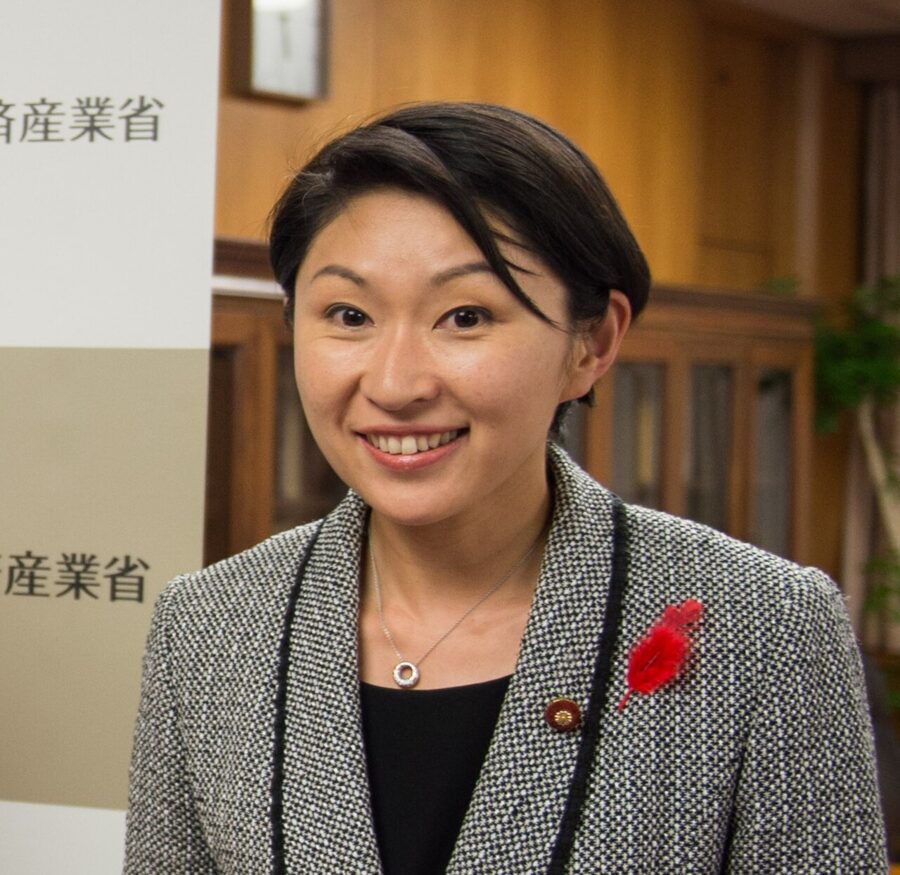
The largest case came later. From late 2023 prosecutors investigated how LDP factions, above all the one Abe had led, had returned part of their fund-raising party income to members as kickbacks that never appeared in any report. The factions dissolved, the Political Funds Control Act was amended in June 2024, and the LDP and Komeito lost their majority in the lower house that October. In October 2025 Komeito left the coalition after twenty-six years, naming seiji to kane (政治とカネ, “politics and money”) among its reasons.
Where to see it for yourself
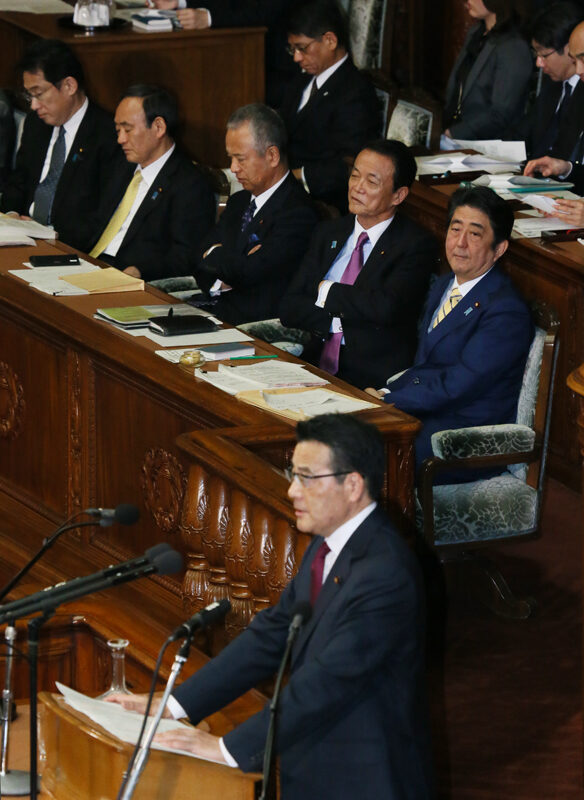
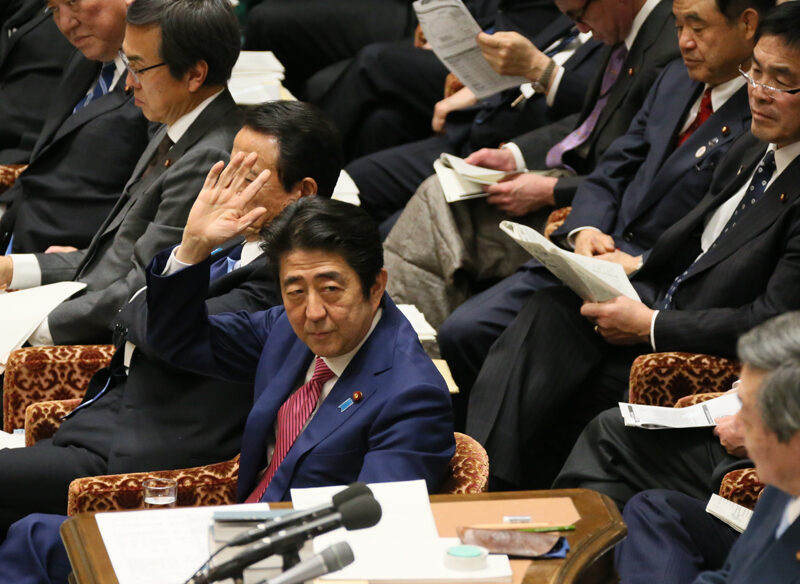
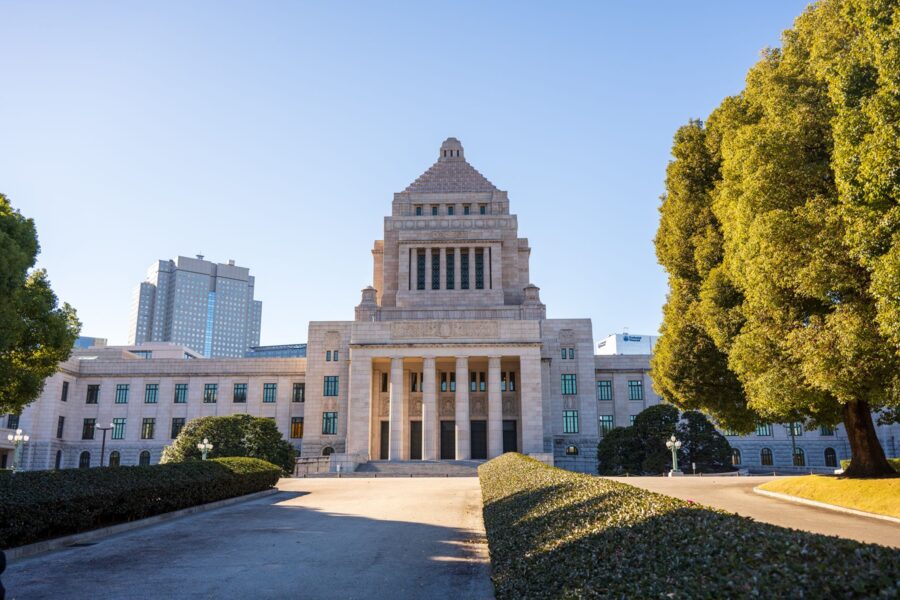
The House of Representatives chamber, where Amari sat on 26 January 2016 two seats from the prime minister, is on the public tour of the National Diet Building. As of November 2026, the House’s tour page lists weekday tours from 8:00 to 17:00 (register by 16:00) and six fixed weekend and holiday tours at 9:30, 10:30, 11:30, 13:00, 14:00 and 15:00.
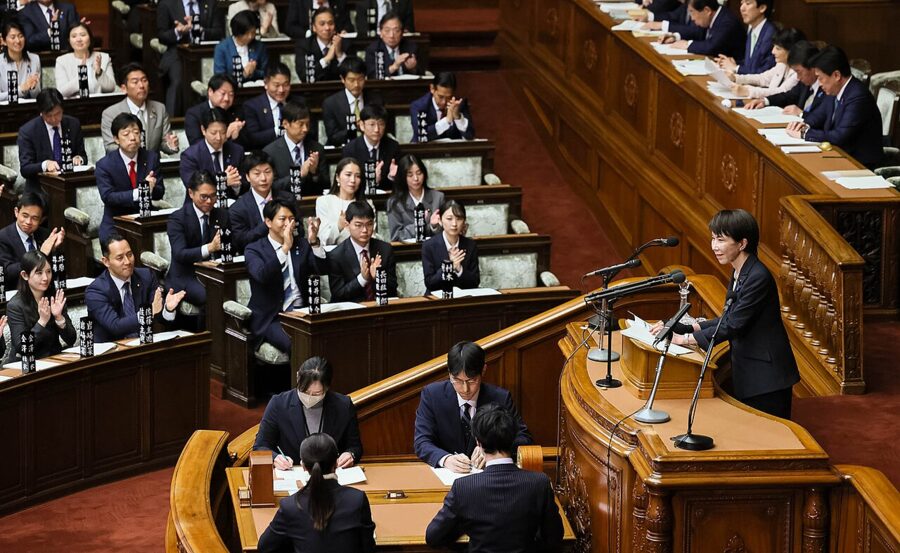
Groups of nine or fewer simply turn up; ten or more must book. The tour takes about an hour in Japanese, with English on weekdays, and you may photograph the chamber. There are no tours from an hour before a plenary sitting until it ends.
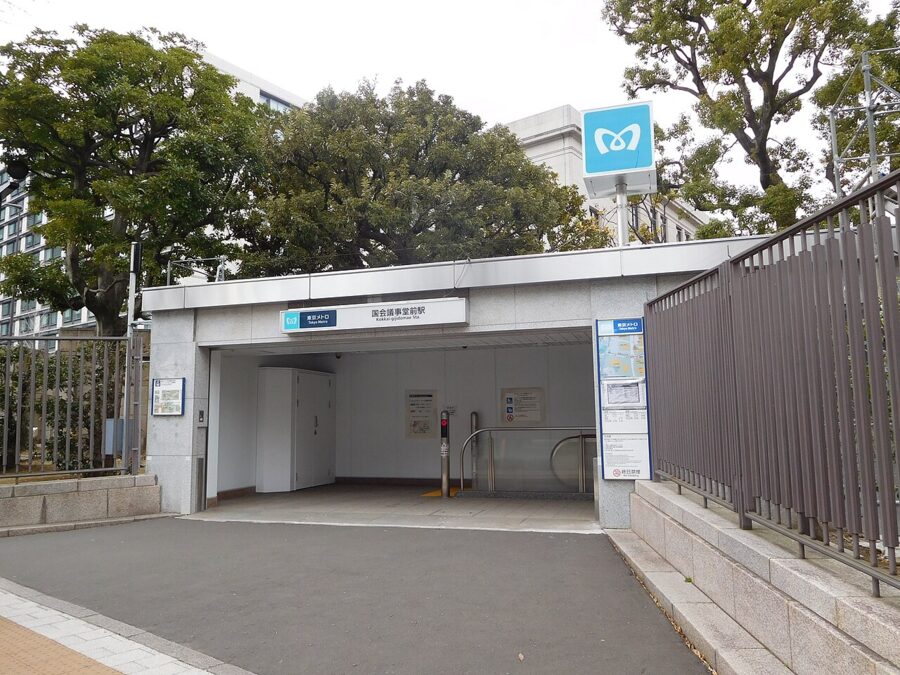
Take the Marunouchi or Chiyoda line to Kokkai-gijidomae Station, Exit 1, or the Yurakucho, Hanzomon or Namboku line to Nagatacho Station, Exit 1. The Cabinet Office, where the sums were read out, is a few minutes’ walk away. It has no tour.