
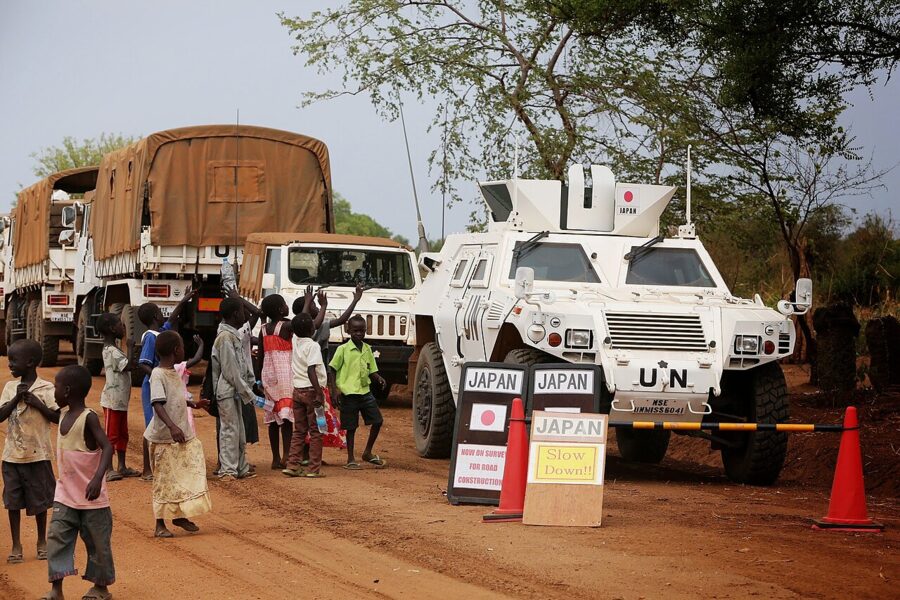

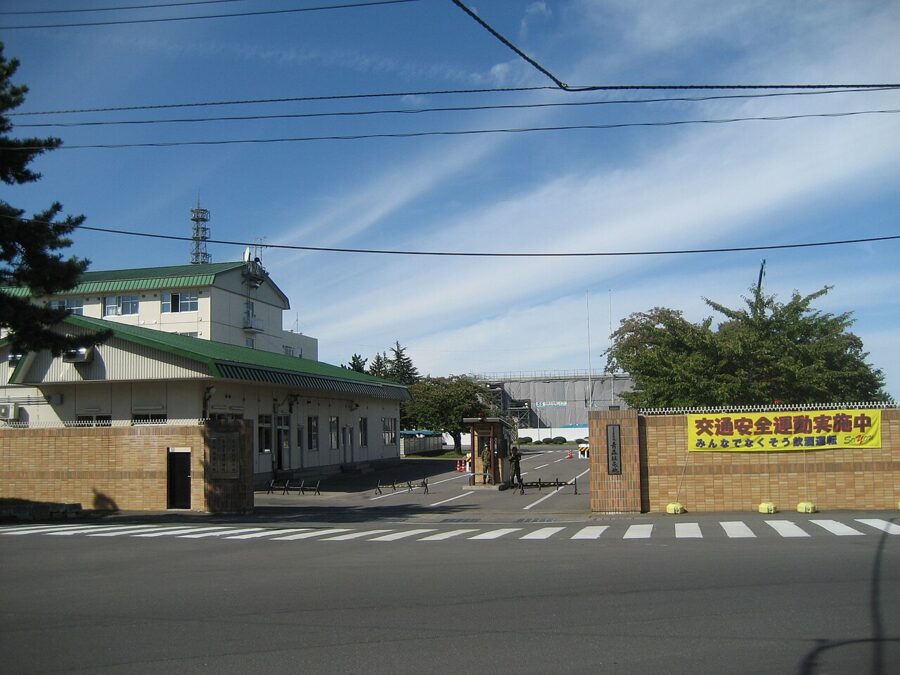
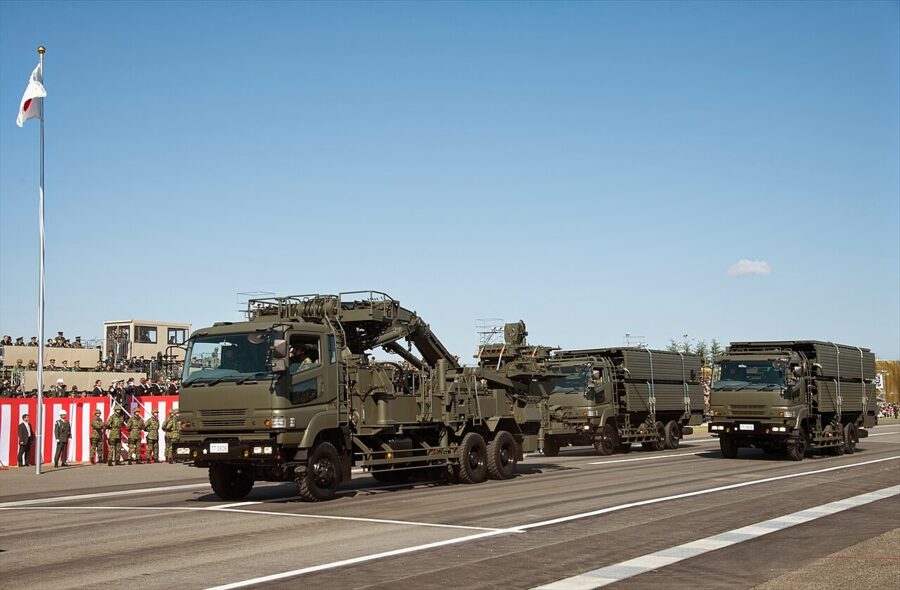
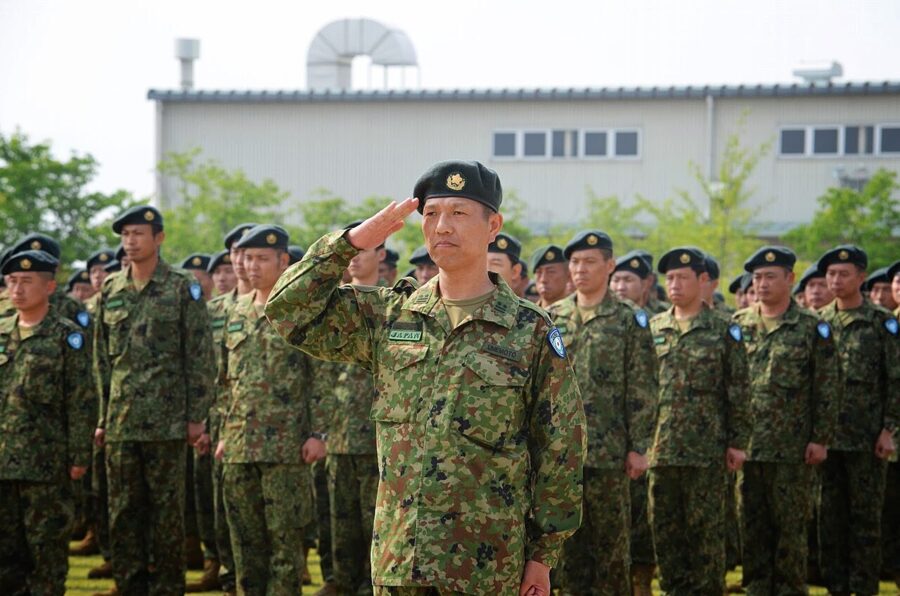
On 24 October 2016 the Ground Self-Defense Force let reporters watch a rehearsal at the Iwatesan training area in northern Japan. Soldiers due in South Sudan the following month practised something no Japanese unit abroad had ever been legally allowed to do: drive out of their own camp, armed, to rescue people who were not under their protection.
The task had a name, kaketsuke keigo (駆け付け警護), and a short life. It was given to about 350 engineers in November 2016, never used as far as any published record shows, and ended when Japan withdrew from South Sudan in May 2017. Along the way, paperwork from the deployment cost a defence minister her job.


In this article
Two words that are not in the law
Kaketsuke comes from kaketsukeru (駆け付ける), to rush to a scene, the verb a Japanese newspaper uses for a fire engine or a relative reaching a hospital. Keigo (警護) is guarding or escort, the word for a bodyguard detail. Put together, “rush-to-protect” is Japanese political shorthand, and as the international lawyer Hironobu Sakai (酒井啓亘) of Kyoto University points out in his commentary for the Japanese Society of International Law, it appears nowhere in the statute and has no equivalent in UN vocabulary.
The statute is the PKO Act of 1992. Since the 2015 amendment, its list of tasks includes protecting “persons engaged in activities” (UN staff, staff of international bodies and NGOs, and Japanese nationals working with them) from a sudden attack “in response to an urgent request”. A new Article 26 lets soldiers use weapons for that task “to the extent judged reasonably necessary” to protect life or limb.

What made two plain words into a national argument is a distinction Japanese law draws and international law does not. Article 9 of the constitution renounces “the use of force” (buryoku no kōshi, 武力の行使). Governments have held that a soldier firing to save his own life, or people under his control, is not “the use of force” but “the use of weapons” (buki shiyō, 武器使用), something closer to police self-defence. Running down the road to rescue someone else stretched that line, and for twenty-three years Japan did not cross it.
What changed in 2015
Japan first sent troops on UN duty to Cambodia in 1992. The PKO Act came with five conditions, the PKO sanka go-gensoku (PKO参加5原則), meant to ensure Japanese soldiers never faced a state or state-like armed group as an enemy. Before 2015 it was loosened twice: in 1998 weapons use became a commander’s order rather than each soldier’s call, and in 2001 a unit could defend anyone “under its control”.
| Principle | What it requires |
|---|---|
| 1. Ceasefire | The parties to the conflict have agreed a ceasefire |
| 2. Consent | The host country and the parties consent to the operation and to Japan’s part in it |
| 3. Impartiality | The operation favours no party |
| 4. Withdrawal | Japan may pull out if any of the above stops holding |
| 5. Use of weapons | Before 2015, only the minimum needed to protect life. Since 2015, also to carry out a mission such as kaketsuke keigo, if consent is judged stable for the whole deployment |
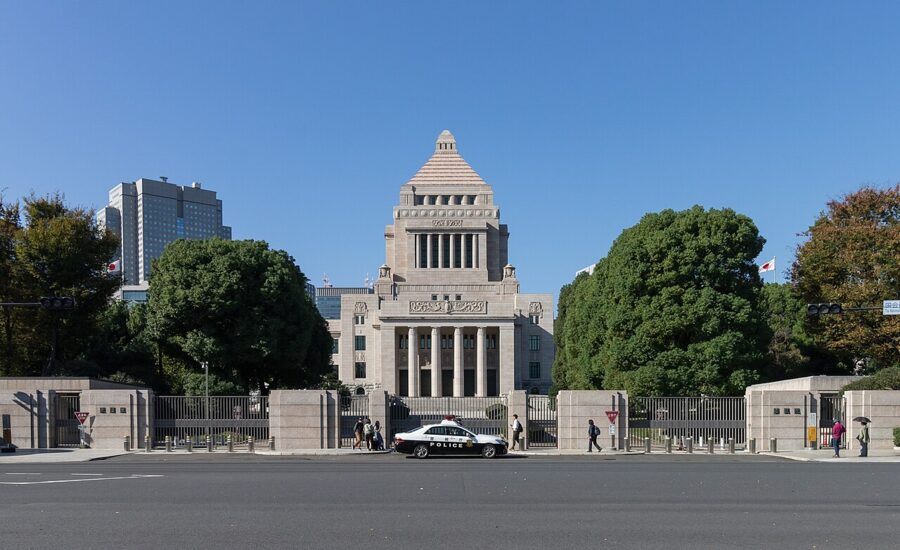
The change came in the Legislation for Peace and Security (Heiwa Anzen Hōsei, 平和安全法制), the Shinzo Abe (安倍晋三) government’s name for its package; newspapers mostly say anpo hōsei (安保法制), the security laws. The headline was collective self-defence, which the cabinet had reinterpreted the constitution to allow on 1 July 2014. The peacekeeping changes rode in the same vehicle and inherited the whole fight.
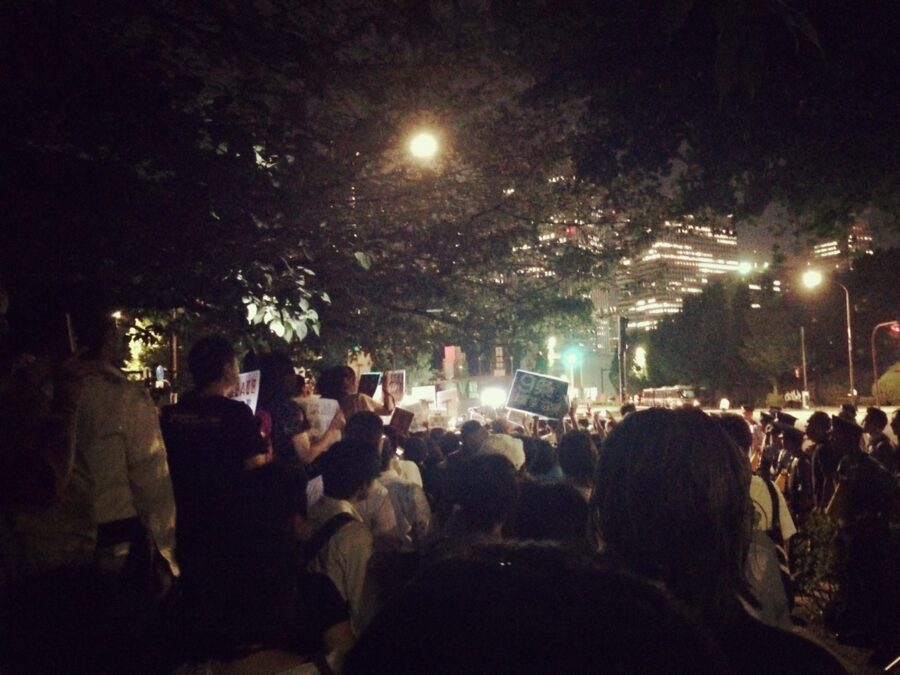

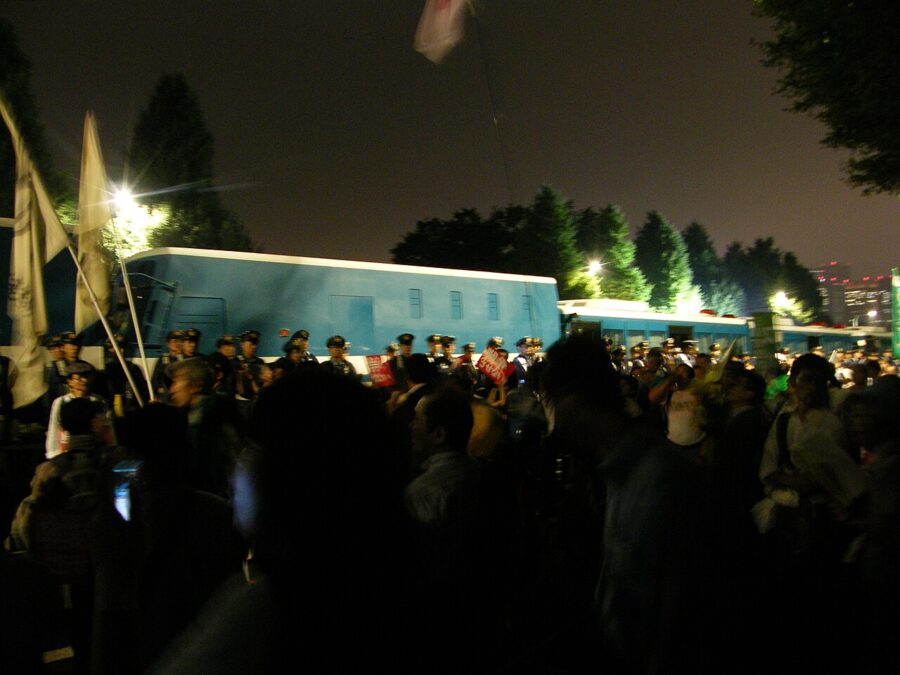
That fight was loud. On 4 June 2015 all three constitutional scholars called before the House of Representatives’ Commission on the Constitution, including Yasuo Hasebe (長谷部恭男), invited by the governing Liberal Democratic Party (LDP) itself, called the bills unconstitutional. On 30 August organisers claimed 120,000 people outside the Diet; police put it at about 33,000. The bills passed the House of Councillors early on 19 September 2015 and took effect on 29 March 2016.

The government’s case for the rescue duty was practical. Japanese troops had twice been asked to help Japanese civilians in trouble, in Zaire in 1994 and in East Timor, and had done what they could with no legal mandate. Abe told the House of Councillors on 28 November 2016 that the strain of that gap had “ended up being pushed onto the SDF members on the ground”.
Juba, 2012 to 2016
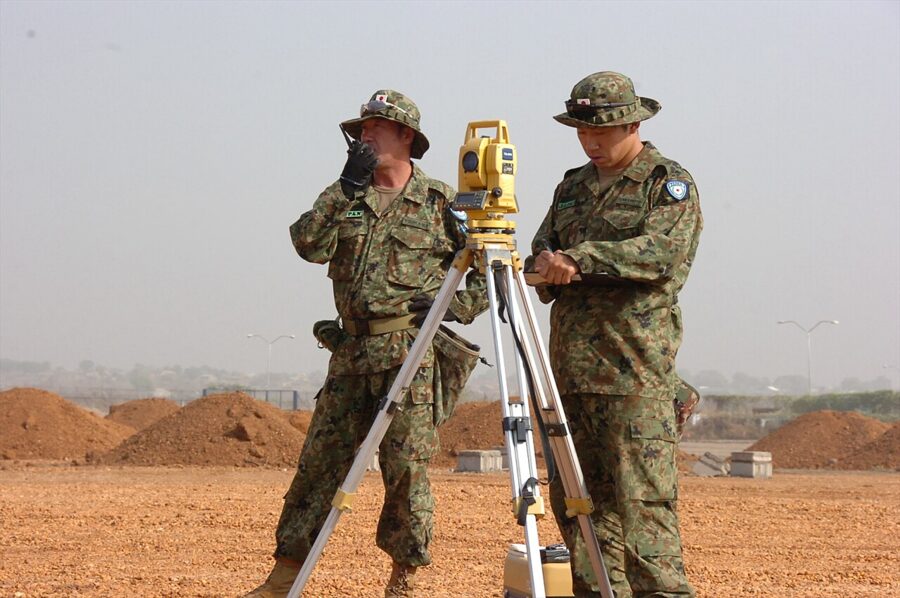
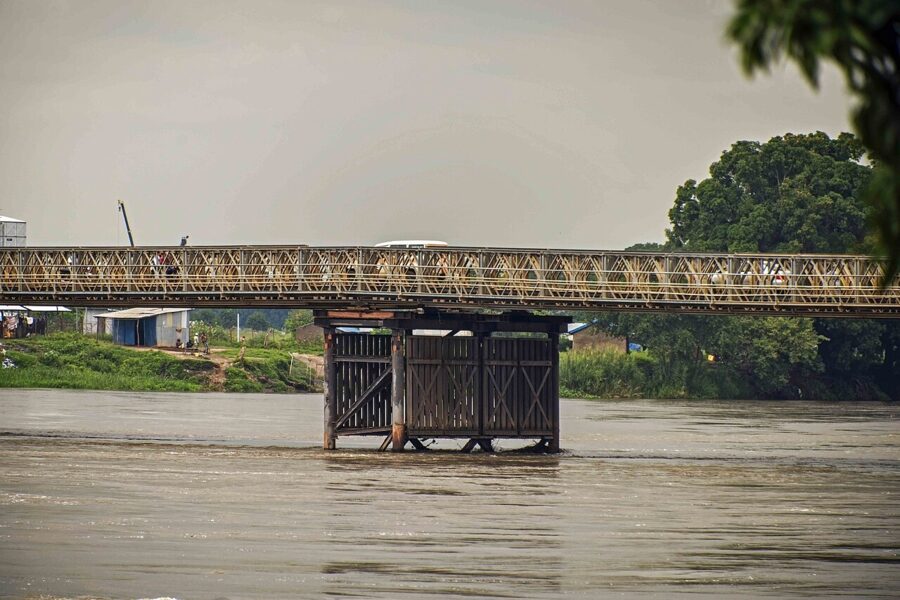
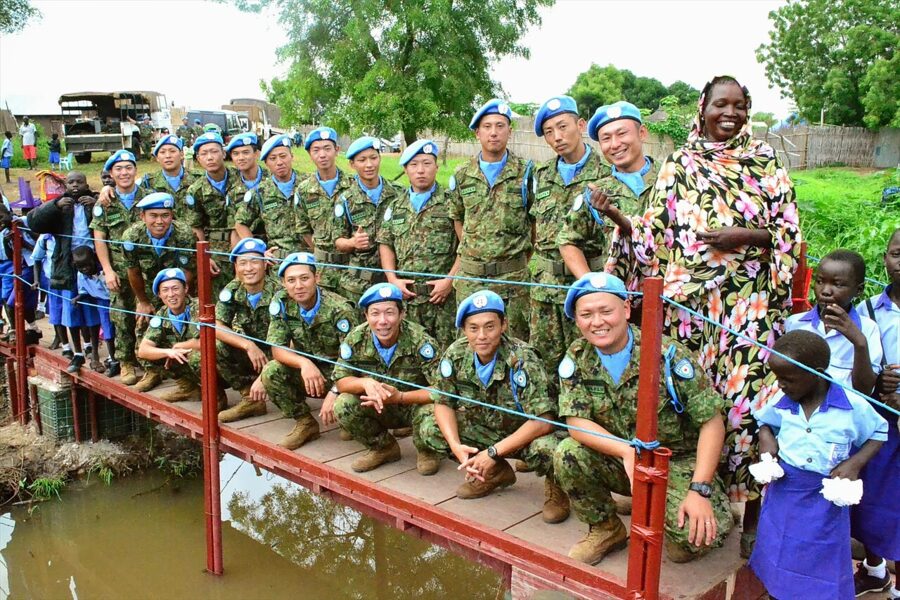
The United Nations Mission in the Republic of South Sudan (UNMISS) began when the country became independent in July 2011. Japan sent staff officers from November 2011 and an engineering unit from January 2012, based at the UN’s Tomping compound in Juba. Over eleven rotations, the Ministry of Defense’s mission record counts 3,912 personnel.
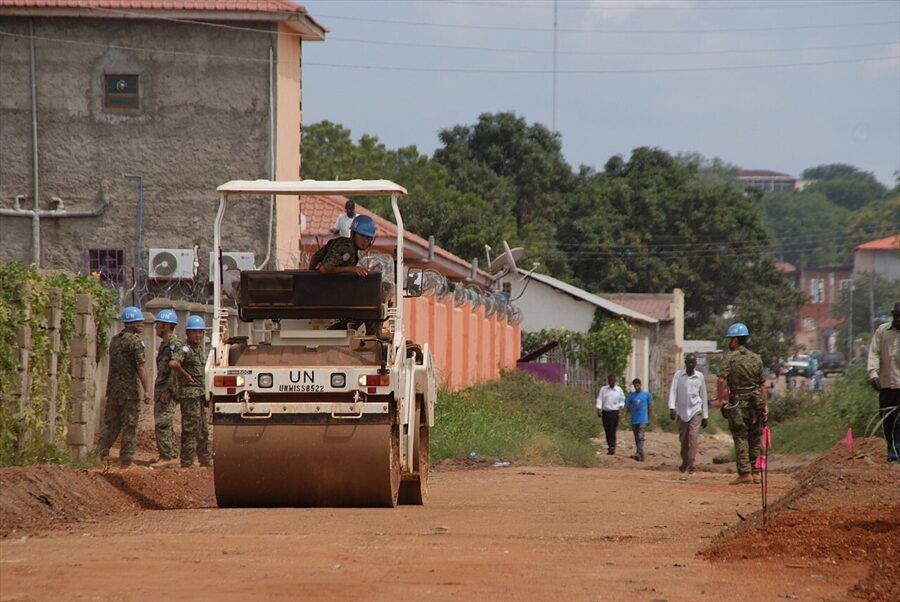

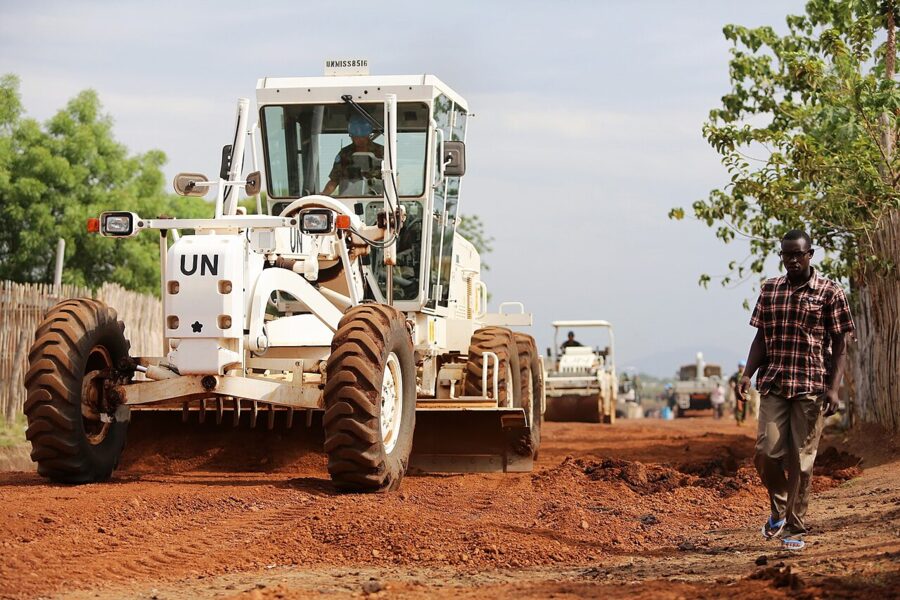

The country fell apart around them. Civil war broke out in December 2013 between forces loyal to President Salva Kiir and his former deputy Riek Machar, and tens of thousands fled into UN bases. A peace deal in August 2015 brought Machar back to Juba as first vice-president in April 2016.
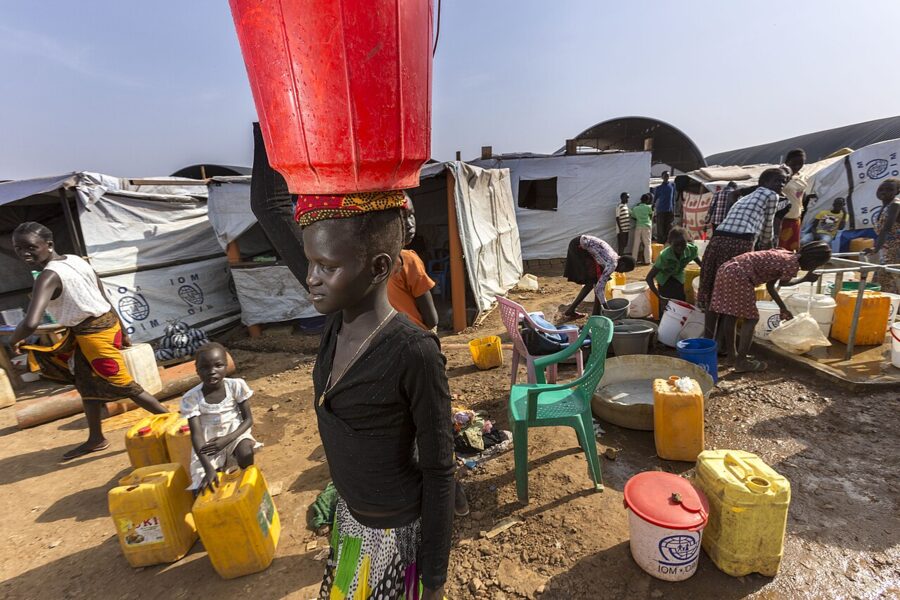

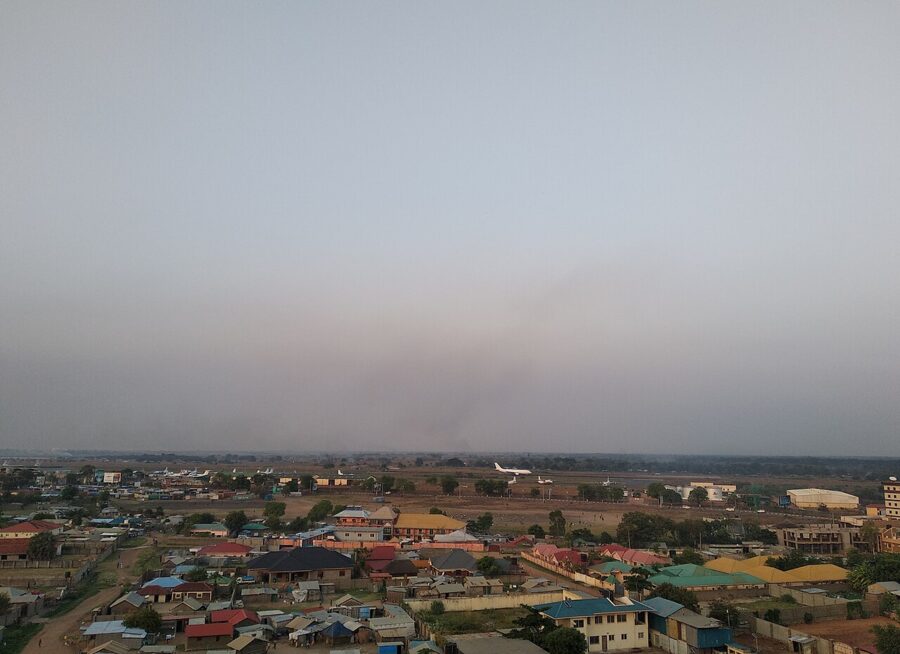
The deal broke on 7 July 2016. For about five days government and opposition troops fought across Juba, close to the UN bases. The Tokyo Bar Association, summarising the UN’s findings, put the dead in the hundreds, including at least 73 in attacks touching UN facilities and two Chinese peacekeepers. On 11 July soldiers stormed the Terrain hotel compound, home to aid workers; a UN special investigation published on 1 November found peacekeepers had not answered calls for help, and the force commander was replaced.
Aid workers under attack, armed peacekeepers nearby, and no one coming to help: that is the scene kaketsuke keigo was written for.

Giving the order, November 2016
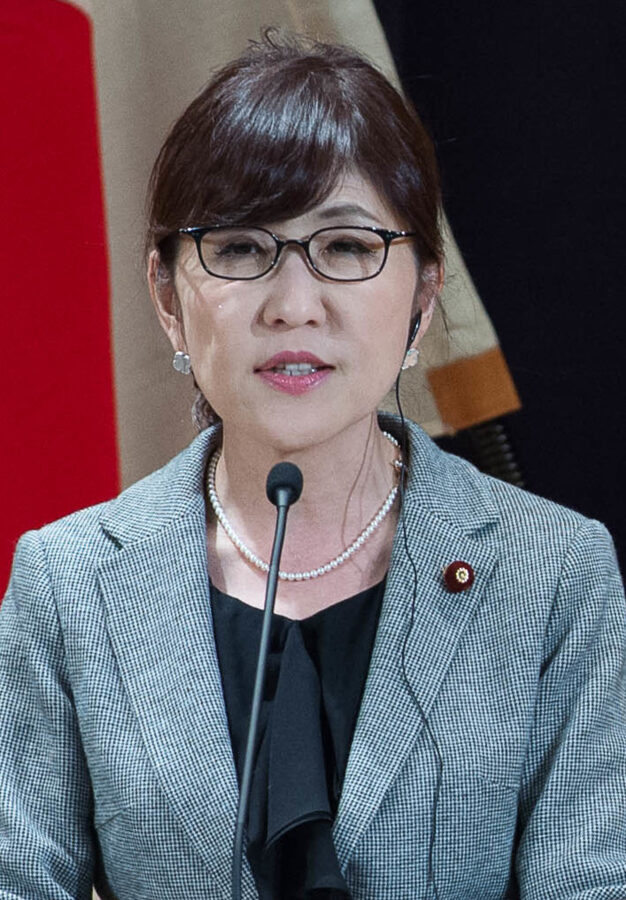
Defence Minister Tomomi Inada (稲田朋美) visited Juba on 8 October 2016 and concluded, in the words of the 2017 defence white paper, that security was “very severe” but Juba and its outskirts “relatively stable”. On 23 October she watched the 11th rotation train at Iwatesan. On 15 November, after a nine-minister meeting of the National Security Council, the cabinet gave that rotation kaketsuke keigo and a second duty, joint defence of the shared UN camp (shukueichi no kyōdō bōgo, 宿営地の共同防護).
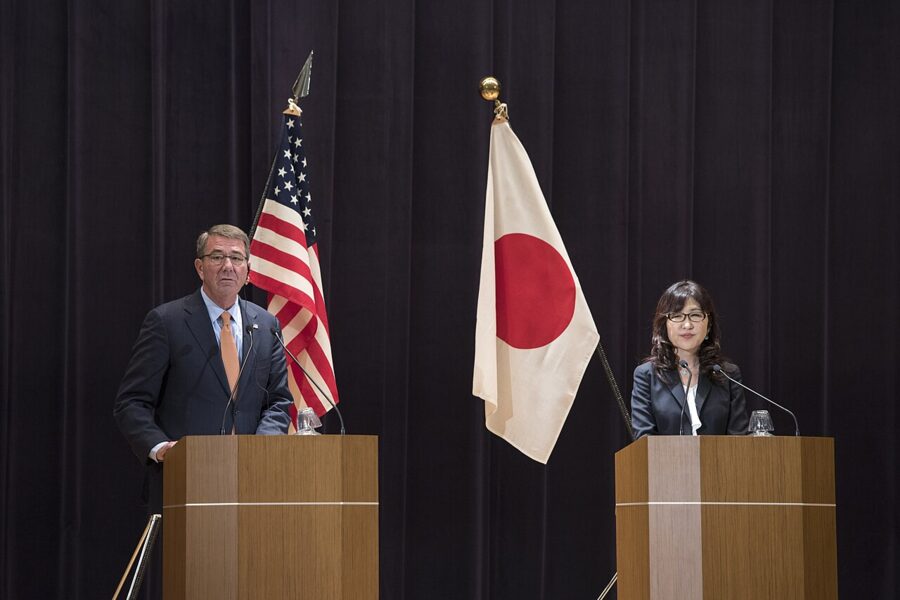
The government’s statement that day worked hard to make the mission small. Japan had sent engineers, and keeping order was not their job. Kaketsuke keigo would happen only in “extremely limited” cases: NGO or other staff attacked near the Japanese, no other UN unit able to respond, an urgent request, and only within the unit’s abilities. Rescuing other countries’ soldiers was “not envisaged”, and joint camp defence reduced risk, since if the Rwandan or other contingents sharing Tomping were overrun, the Japanese would be next.

Opponents read the same facts the other way. The Tokyo Bar Association’s protest statement of 18 November argued that weapons used to carry out a mission go beyond self-defence, risk becoming “the use of force” and so breach Article 9, and that a city where hundreds had just died hardly met the ceasefire principle. The Japanese Communist Party said the troops were being sent to “kill or be killed”.
Some defence specialists thought the fuss overblown. A commentary for the Canon Institute for Global Studies on 29 November called it a duty any contingent should take for granted, little more than permission not to abandon people under attack, and one the government itself expected almost never to arise.

The daily logs
The damage came from a records request. Each day the unit sent a nippō (日報), a daily report, to its command in Japan, the Central Readiness Force. On 3 October 2016 the ministry received a disclosure request for the reports of 7 to 12 July, the days of the fighting, generally credited to the freelance journalist Jun Fuse (布施祐仁). On 2 December it refused: the documents, it said, had been discarded.

After a request from the LDP’s own administrative reform headquarters and an order from Inada to search again, copies turned up at the Joint Staff Office, and the ministry published them on 7 February 2017. The logs described sentō (戦闘), “fighting” or “combat”, between government and opposition troops in Juba, including near the UN compound where the Japanese were based. That one word mattered because combat between organised armed parties is exactly what the five principles are meant to rule out.
Inada’s answer in the Diet that month became the most quoted line of the affair. There had been killing “as a matter of fact”, she said, but not combat in the legal sense, since it was not part of an international armed conflict, and the government avoided words that raised problems under Article 9, preferring buryoku shōtotsu (武力衝突), “armed clash”. The opposition took this as the ceasefire principle being met by vocabulary; the government said the legal term had a fixed meaning that the logs’ everyday usage did not change.
Then the Ground SDF’s own copies came to light. On 17 March 2017 the ministry’s Inspector General’s Office began a special defence inspection, and its summary of 27 July 2017 set out what had happened in some detail:
- The deputy commander of the Central Readiness Force had steered an earlier, related request in July 2016 so that the logs were left out, which led to the “do not exist” answer in December.
- Around 13 December 2016, after the refusal, a Ground Staff Office director gave guidance under which the logs were deleted from the Ground SDF’s electronic bulletin board; the inspection said this could fairly be read as bringing reality into line with the refusal.
- After the 7 February release, the same director asked units to dispose of their remaining copies.
- On 15 February the Ground Staff chief reported that the data still existed at the Central Readiness Force. The administrative vice-minister judged it personal data, not an official record, and decided the minister need not be told.
On Inada herself the inspectors were careful. They could not rule out that something was said about the Ground SDF’s copies when she was briefed, but found no written report of their existence, no request for her approval to keep them quiet and no decision by her on publishing them. Several newspapers called the finding equivocal. Inada resigned on 28 July 2017, the day the results were announced, and the administrative vice-minister, Tetsuro Kuroe (黒江哲郎), and the Ground Staff chief, General Toshiya Okabe (岡部俊哉), also left their posts.
Withdrawal, May 2017
By then the troops were coming home. Abe announced on 10 March 2017 that the engineers would finish at the end of May. The official reasons, repeated in the white paper, were that five years was the longest any Japanese engineering unit had served on a UN mission, that its work in Juba had reached “a certain conclusion”, and that South Sudan was entering a new stage. The government said security was not the reason; opposition parties questioned that.

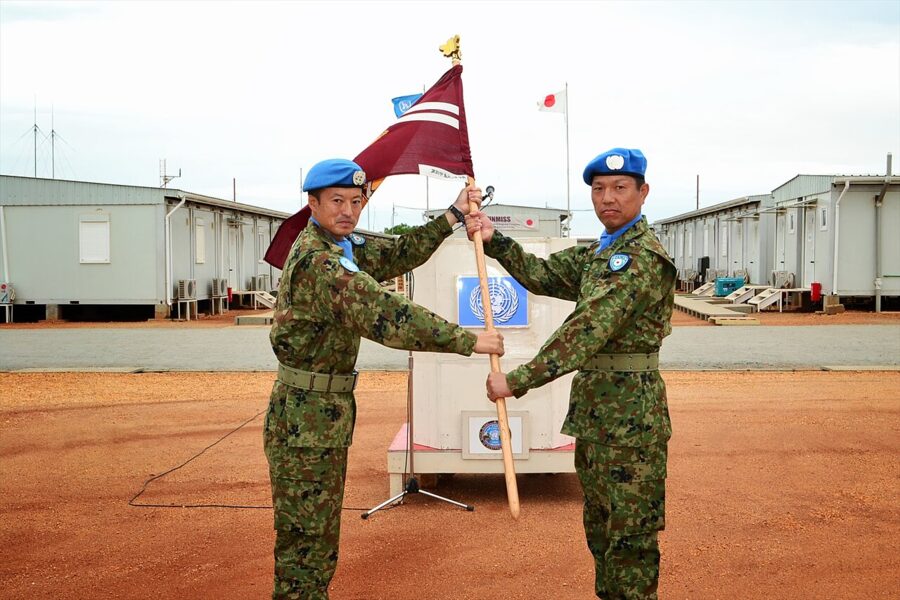
The unit flag was handed back on 30 May 2017, and with it went the new duties. No Japanese unit has been assigned kaketsuke keigo since, and as far as the record shows it was never carried out. A report by the rotation itself, dated 23 May 2017, shows how close readiness came: according to Shimbun Akahata, the Communist Party’s paper, which obtained it in 2019, security platoons leaving Tomping carried rescue equipment so they could respond “whenever the task was given”, and the report suggested considering sniper rifles for future missions.


Japanese peacekeeping since
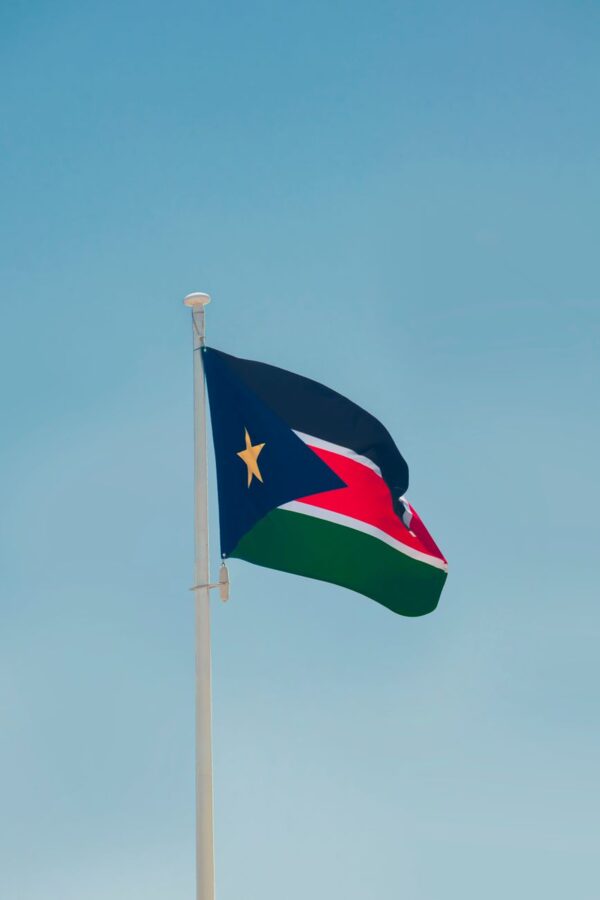
Japan never left UNMISS entirely. As of June 2026, four Ground SDF officers work at the mission’s headquarters in Juba as staff for logistics, intelligence, engineering and air operations, unarmed, and on 19 June the cabinet extended their deployment to 30 June 2027, after the Security Council renewed the mission to 30 April 2027. The ministry describes UNMISS as the only UN peacekeeping operation to which Japan currently sends personnel.
The most senior post Japan has ever held in a UN peacekeeping force followed. A Ground SDF officer chosen by the UN Secretariat became chief of staff at the UNMISS force headquarters in May 2026, serving as a UN employee rather than in a national contingent, and the cabinet decision of 17 April 2026 runs to 11 May 2027. The post oversees personnel, intelligence, operations, logistics and planning under the force commander and deputy.
The 2015 laws also opened a second door that has been used. Since April 2019 Ground SDF officers have served at the headquarters of the Multinational Force and Observers, the non-UN body that monitors the Egypt-Israel peace treaty in Sinai, the first use of a new category the 2015 laws created for operations outside UN command. As of November 2026 four officers are at Sharm el-Sheikh, and the cabinet extended that deployment on 6 November to 30 November 2027.
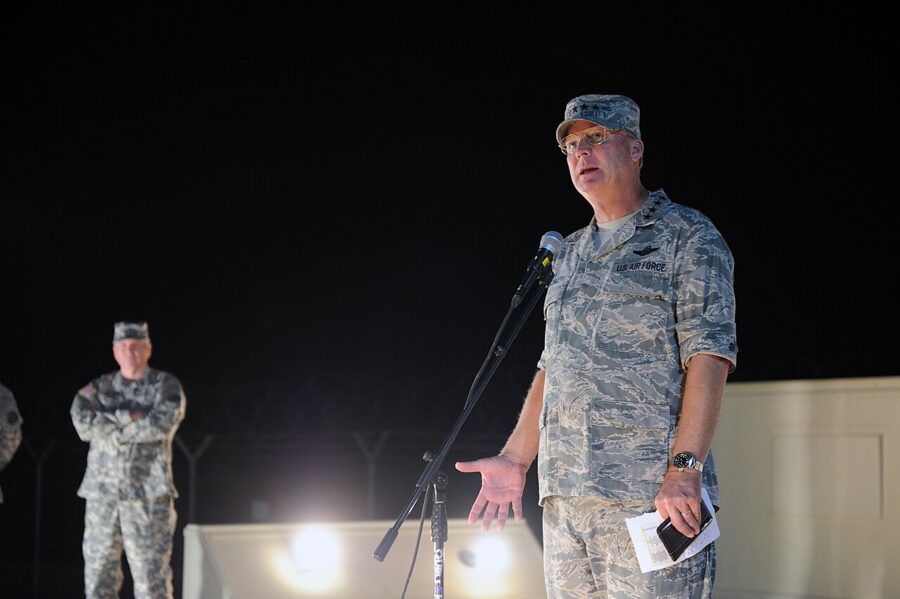
The argument over the laws has moved from the street to the courts and stalled there. Citizens’ suits in 22 district courts and branches have all failed: in the last appeal ruling, on 5 August 2026, the Nagoya High Court dismissed the claim without ruling on the constitution, as the others had, and the Supreme Court has turned appeals away. Opposition parties led by the Constitutional Democratic Party of Japan (CDP) have argued for repealing the parts they consider unconstitutional; the LDP says the laws sit within the government’s reading of Article 9.
Kaketsuke keigo itself is still in the PKO Act, untested. A future cabinet could assign it to the next unit it sends, and the argument over what counts as combat would follow.

Visiting Ichigaya
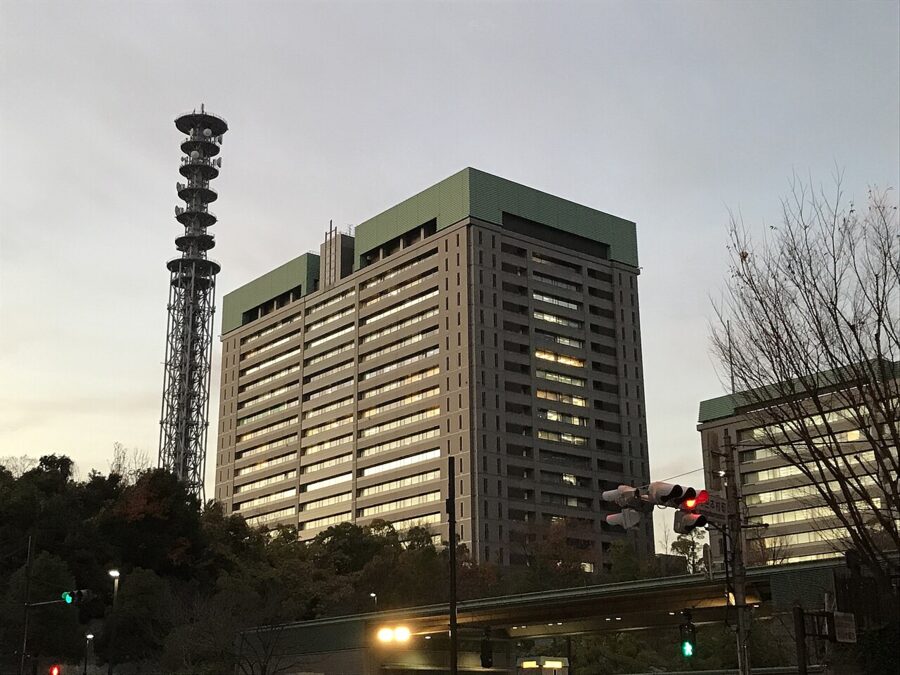
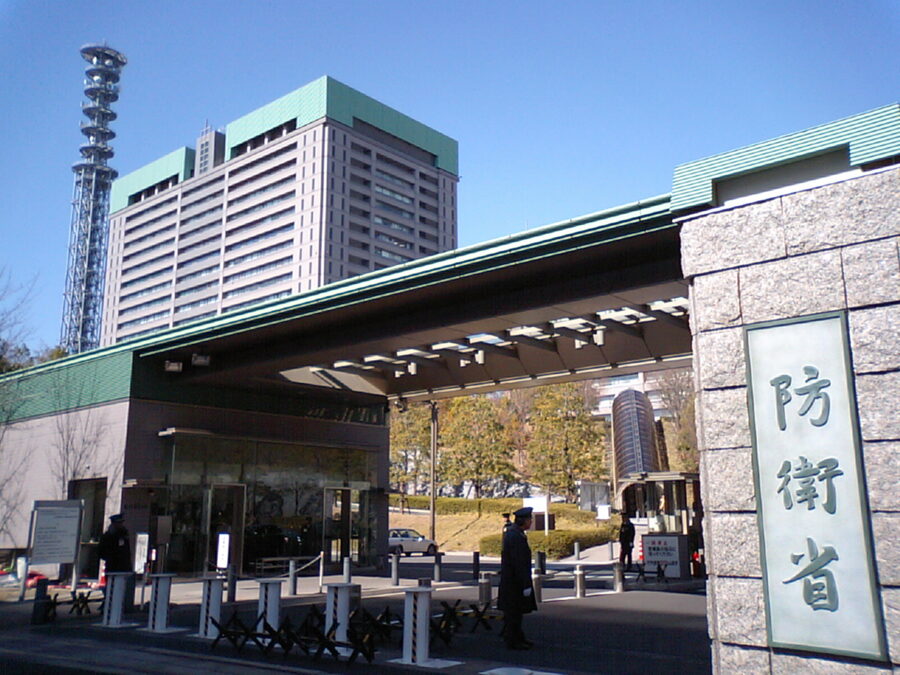
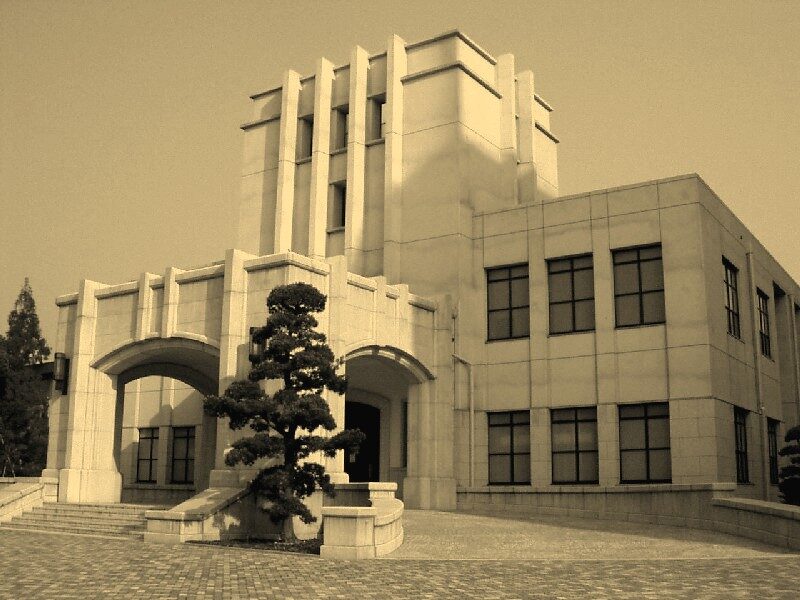
The ministry at the centre of the logs affair runs guided tours of its grounds, the Ichigaya-dai tour, on weekdays except public holidays. As of November 2026 the morning tour (sign-in 9:10 to 9:20) takes two hours and visits Ichigaya Memorial Hall, the moved and restored building whose auditorium housed the Tokyo war crimes trials. The afternoon tour (sign-in 13:10 to 13:20) adds the wartime Imperial General Headquarters bunker, which costs ¥700 (about $4.50) for adults.
Booking opens two months ahead, by phone first, and closes at 16:00 two working days before; tours are in Japanese. From 1 December 2026 to 28 February 2027 the morning tour is cancelled and the afternoon route skips the hall, and there are no tours from 24 December to 4 January. The main gate is about ten minutes’ walk from Ichigaya Station (JR, Yurakucho, Namboku and Toei Shinjuku lines) or Yotsuya Station (JR, Marunouchi and Namboku lines).
Nothing on the route mentions Juba. But the offices that decided what the logs were, and what the minister should hear about them, work in these buildings, and the rescue rehearsed at Iwatesan in October 2016 is still in the law, waiting for a unit to be given it.