
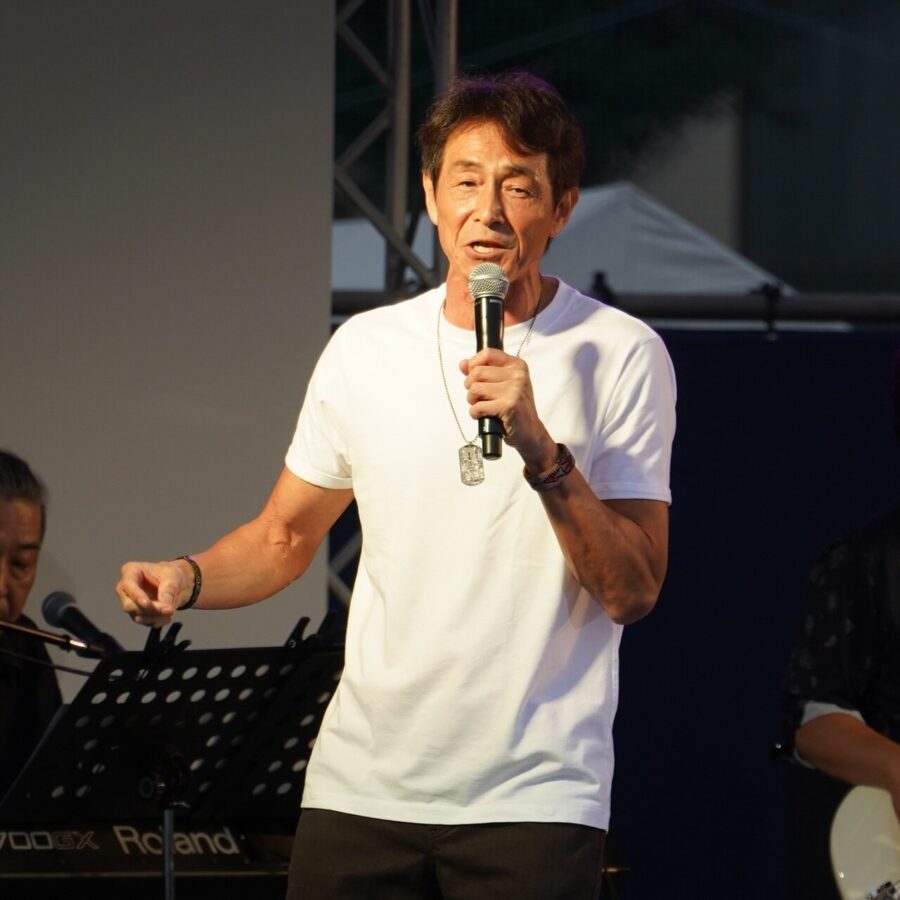

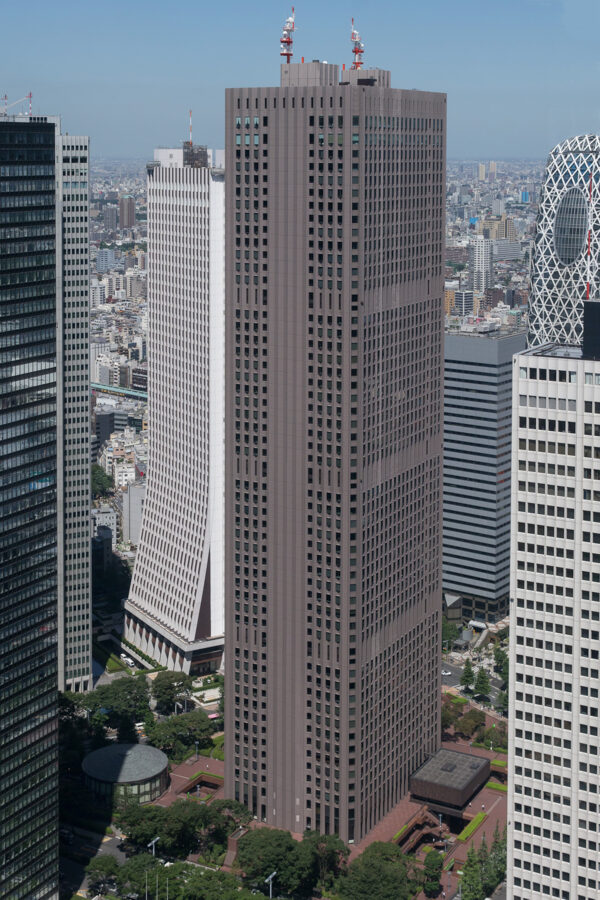
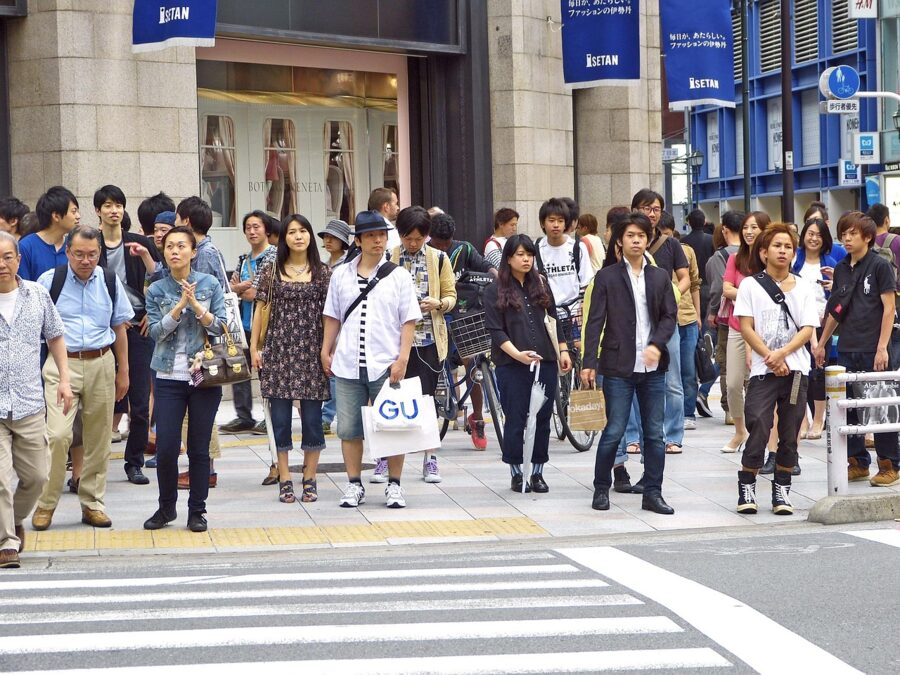
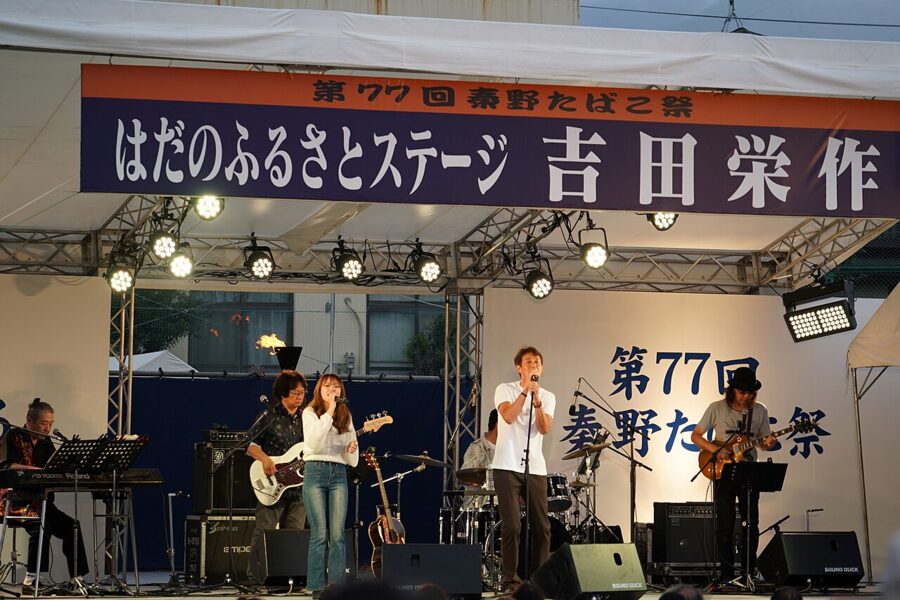
At sixteen, on a date, Eisaku Yoshida (吉田栄作) sat in a café high up in the Shinjuku Center Building and looked down at a crossing so far below that the people on it were specks. “I’m one grain of that,” he remembers thinking, and since a life only happens once, he wanted to leave something on the record. The next day he quit the basketball team he had played on since the fifth year of primary school.
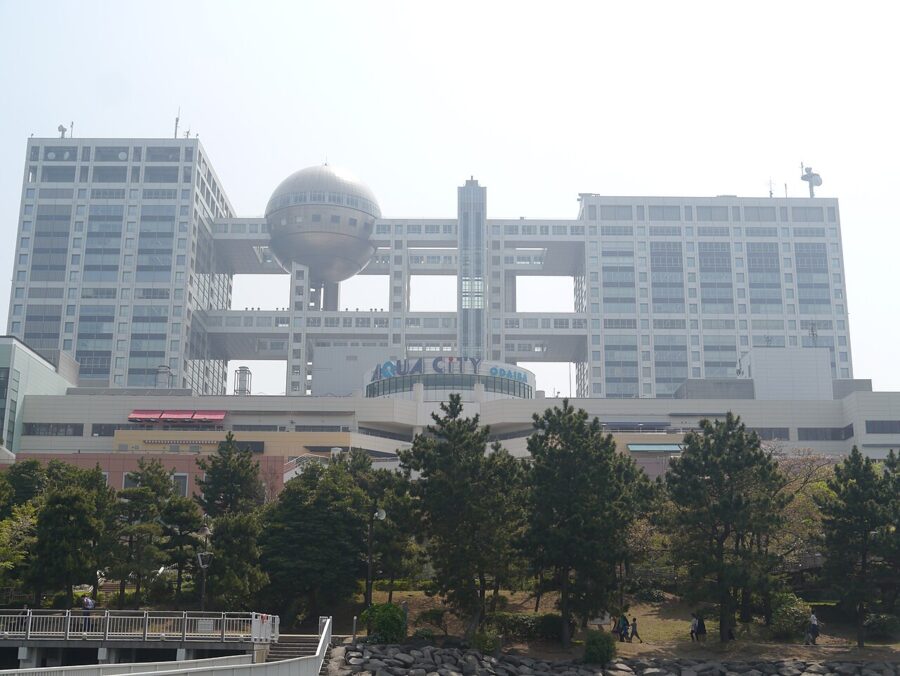
Six years later he was the star of a Fuji TV drama whose final scene was shot a short walk from that café, and he had already sung on NHK’s year-end Kohaku Uta Gassen. Four years after that, at the top of his fame, he moved to Los Angeles with no job waiting.

Outside Japan his name mostly travels with one fact: in December 2015 he and the model Risa Hirako (平子理沙) divorced after eighteen years of marriage. Both said a good deal about it in public. The larger story is a man who reached every goal he had set by 22, then spent thirty years working out what to do with the rest.
In this article
The Nice Guy of 1988
Yoshida was born on 3 January 1969 in Hadano, Kanagawa, under the Tanzawa mountains. Yoshida Eisaku is his real name, though it reads like a joke on two postwar prime ministers, Shigeru Yoshida and Eisaku Sato. After school he joined a small acting school and took whatever came: karaoke videos, extras’ work.
His evenings went to a café bar in Shibuya near a studio where trendy dramas were shot, serving the actors he wanted to be. A regular, a stylist, handed him a flyer for Fuji TV’s Nice Guy Contest in Japan. The prize decided it: ¥1 million (about $6,300 at today’s rate), which came to ¥950,000 (about $6,000) after tax and paid for a flat with a bath.

He won. Three people in the audience changed his life that night: a Toei producer casting a lead opposite Kumiko Goto in the New Year film Garasu no Naka no Shōjo (The Girl in the Glass), the president of the Fun House record label, and a scout for Watanabe Production. His first single, “Dōnika Naru sa: Chasing My Dream”, followed on 6 September 1989 as a Pocky jingle.
“Big wave,” he said of that year in a 2021 TOKYO FM interview, and he meant it as a surfer does: thrilling, frightening, and no telling where it puts you down.
The trendy drama years
The torendī dorama (トレンディドラマ, “trendy drama”) was a late-Bubble product: young Tokyo professionals, good flats, love triangles, chart-topping theme songs. Yoshida points out that it was running before he arrived. With Yuji Oda and Taishu Kase he was billed as the senior member of the torendī gosanke (トレンディ御三家), a “big three” named after the three senior branch houses of the Tokugawa shoguns.
In 1990 he co-starred with Nobuko Sendo (仙道敦子) in TBS’s Kurisumasu Ibu (Christmas Eve). In April 1991 came Fuji’s Mō Dare mo Aisanai (I’ll Never Love Anyone Anymore), a revenge thriller so fast, he said, that a trip to the toilet cost you three years of plot. He counts it as the first of the dorodoro (ドロドロ, “sludgy”) melodramas that took over the decade.
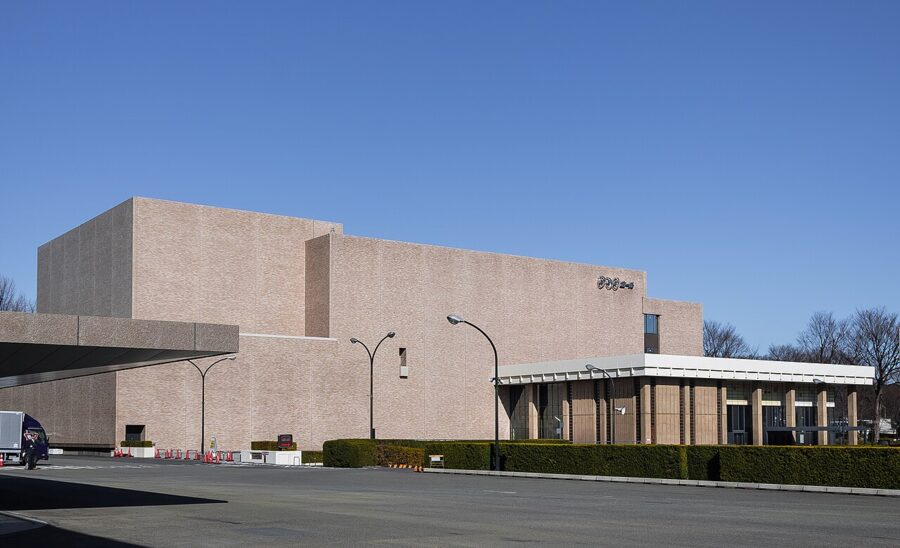
That autumn he led Nippon TV’s Aisazu ni Irarenai and sang its theme. In 1993 he and Sendo, as the duo NOA, sang “Ima wo Dakishimete” for TBS’s Tettei-teki ni Ai wa…; it won an excellence prize at the Japan Record Awards. It was recorded in secret in Los Angeles, and he came home with a phone number he would use two years later.

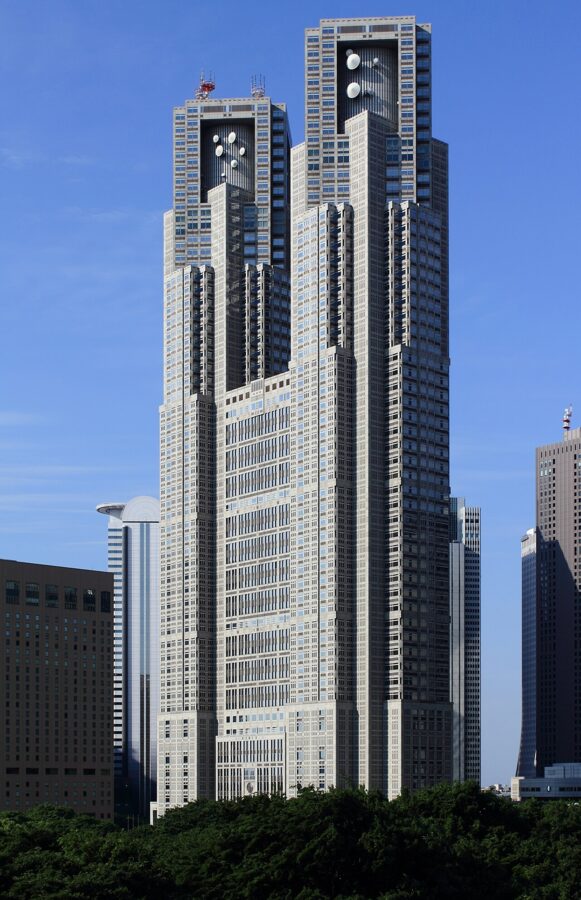
The night that mattered, in his telling, was the last episode of Mō Dare mo Aisanai. His character dies at the foot of the Tokyo Metropolitan Government Building, and the final line, which he worked out with the director because the script had none, is doko e ikō ka kore kara: “where shall I go from here”.

He was 22 and had everything the boy in the café had asked for. What he felt, he told TOKYO FM, was that he had arrived far too early, still had a lot to learn, and that the name “Eisaku Yoshida” had drifted a long way from the man who owned it.
He had everything the sixteen-year-old in the café had asked for, and the name had gone somewhere without him.
Los Angeles, 1995 to 1998
The press treated his 1995 announcement, at 26, as a bolt from the blue. He has spent years correcting that. He had started English lessons four years earlier at a chain conversation school, and, knowing there would be no income, he rented cheaply.

He needed rest. He wanted to study, as an actor, a singer and “a person”. And Los Angeles had the ocean, a blue sky and Hollywood, so that if the day came to try, he would already be there.
Did he promise to come back janbo, “jumbo”? He says he may have, in a giddy interview, but does not remember.

The reality was plain. His classroom English went blank on arrival. Days went on assembling IKEA furniture, then bread and sausages eaten alone. With almost no Japanese people around him for a year and a half, he learned the language by ear, at the cinema and in music clubs.
On the question everyone asks: none of the credit lists I have read show an American screen role from those years, and he has never claimed one. He did not go with a part lined up. He went to stop, look at Japan from outside, and see what was left when the name was taken away.

Television brought him home. The NHK director Sakae Okazaki asked him back to lead the 1998 drama Ryūtsū Sensō, after which he returned to California. Then, watching NHK’s taiga historical dramas on an Asian cable channel, he realised he had never played a period role. The phone rang with an offer for the 1999 taiga Genroku Ryōran, and he came home for good.
Risa Hirako: married in 1997, divorced in 2015
Risa Hirako, born in Tokyo on 14 February 1971, had her own American years: she studied in the United States from fifteen and was at college in Santa Monica when she won Fuji TV’s Japan Beauty Award in 1990. She went on to report on Formula One and model for JJ and ViVi. They married in 1997 after about three years together, and soon afterwards he left for Los Angeles.
That timing produced the label that followed them: bekkyo-kon (別居婚, “living-apart marriage”). They kept separate homes after his return too, which the weeklies treated as romantic or suspicious by turns. After the divorce Hirako rejected the label: there had simply been a period, she wrote, when he lived in America and she lived in Japan.
In 2009, their twelfth year of marriage, they posed together for the first time, for an an. Two years earlier she had written that she had been in love with him ever since they met.
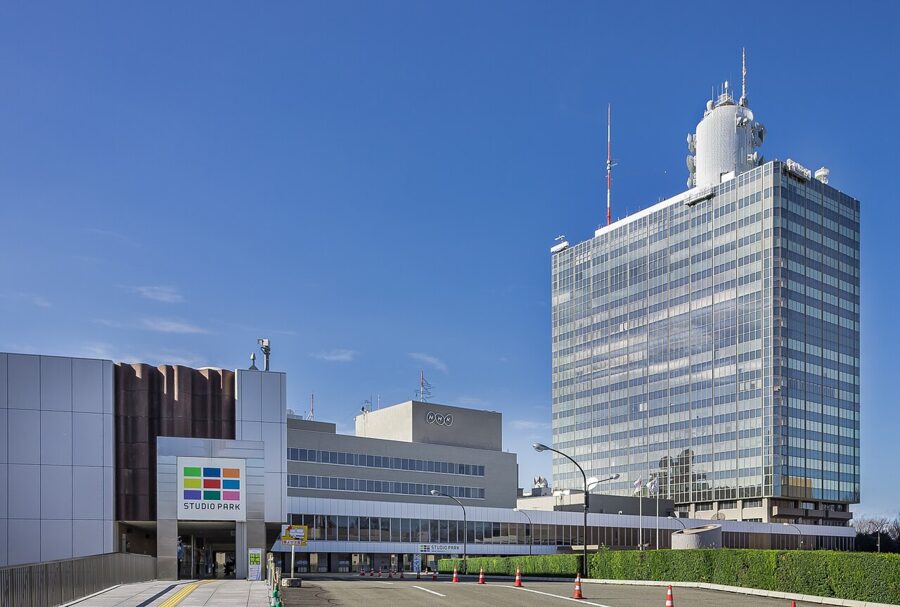

The photo weekly FRIDAY reported on 18 December 2015 that they would divorce, and Hirako’s agency confirmed talks since the spring. According to his agency, Yoshida came back from Nagoya on 19 December and they agreed terms face to face. An agent filed the papers at a Tokyo ward office on the 21st, and both agencies announced it in writing on the 22nd.
His statement, as Nikkan Sports printed it, said changes in their work and circumstances had slowly pulled their lives apart. Hers said they had respected each other’s way of living, but had begun to miss each other until the distance grew. Both expected to stay friends. They had no children.
Divorce by agreement, kyōgi rikon (協議離婚), needs no court: both spouses sign a form and it is lodged at the local office, which is why an agent could file it. I would read the two statements as a matched pair drafted to close the story, and they did.
At his first public appearance afterwards, on 8 January 2016, he summed up his mood as shinki itten (心機一転), literally “the heart’s workings turned over once”: a fresh start.
The second act: NHK, the money tigers and the stage
The return worked. After Genroku Ryōran, NHK cast him as the chain-and-sickle fighter Shishido Baiken in the 2003 taiga Musashi, which with a lawyer’s role in TBS’s Give My Regards to Black Jack won him a Galaxy Award prize.
His oddest success was presenting. From 2001 to 2004 he hosted ¥ Manē no Tora (Money Tigers) on Nippon TV, where entrepreneurs pitched for investors’ real money. He accepted, he says, only on condition that nothing was staged. The format went abroad as Dragons’ Den and Shark Tank.
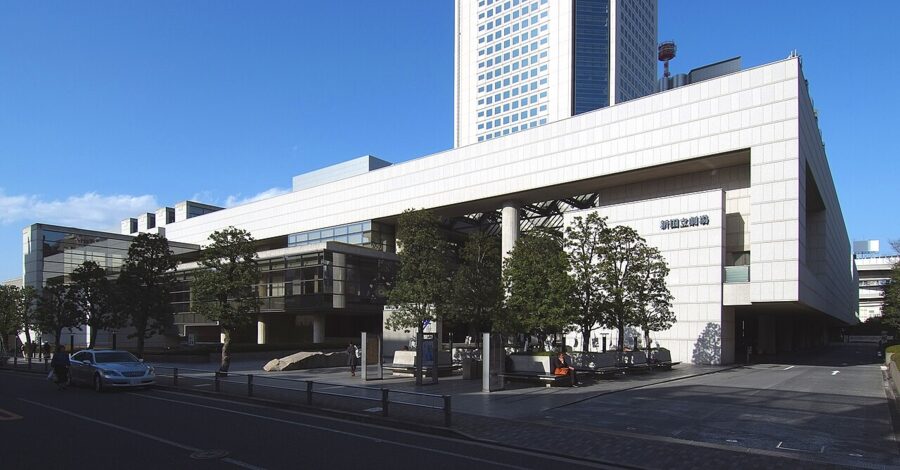

Then the slow work of a character actor: the NHK morning drama Dandan (2008–2009), the mahjong genius Akagi in TV Tokyo’s Ten (2018), a banker in Netflix’s The Naked Director (2021). On stage: Hector in Troilus and Cressida (2015), Claudius in Hamlet Q1 (2024), and Scrooge in a musical A Christmas Carol, first in 2022 and again on tour in late 2025.
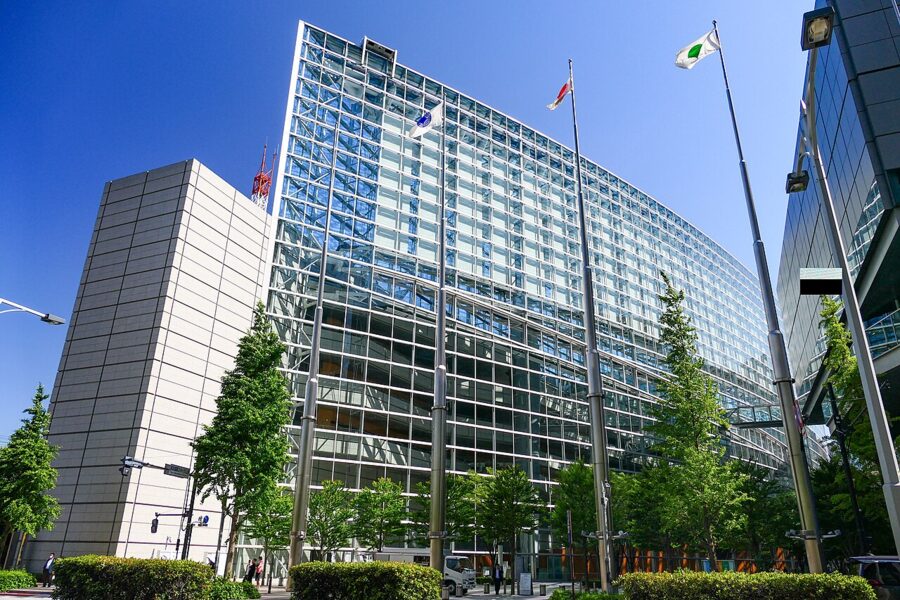

At the end of 2018 he left Watanabe Entertainment after thirty years. He explained it with the four-part arc of classical verse, kishōtenketsu (起承転結): introduction, development, turn, conclusion. Deciding to act was ki, America was shō, going independent at fifty was ten, and the ketsu, he told the Kanto Federation of Bar Associations, was still to come. His official site lists him with the office Dhuta.

On 21 November 2021 he and the actress Rina Uchiyama (内山理名), twelve years his junior, announced in a jointly signed statement that they had married that day. They met in 2017 on a TBS drama. Sanspo reported that they chose an ichiryū manbai bi (一粒万倍日), an almanac day on which “one grain becomes ten thousand”. Like most celebrity marriages in Japan, it was announced as done, and she still works under her own name.

On 10 September 2025 both announced the birth of their first child. “A 56-year-old new dad, an old rookie,” he wrote, adding that the baby and his wife’s health would now shape the work he took, as Sports Hochi reported. For 2026 he was billed with Naomi Fujiyama in the stage comedy Odamari, Otatsu! at Osaka’s Shin Kabukiza and Tokyo’s Meijiza.
The Japanese actors who did make it in Hollywood
Yoshida went to America to rest and learn, and only someday to try. The Japanese actors who built careers there mostly went the other way round, with a part already offered.
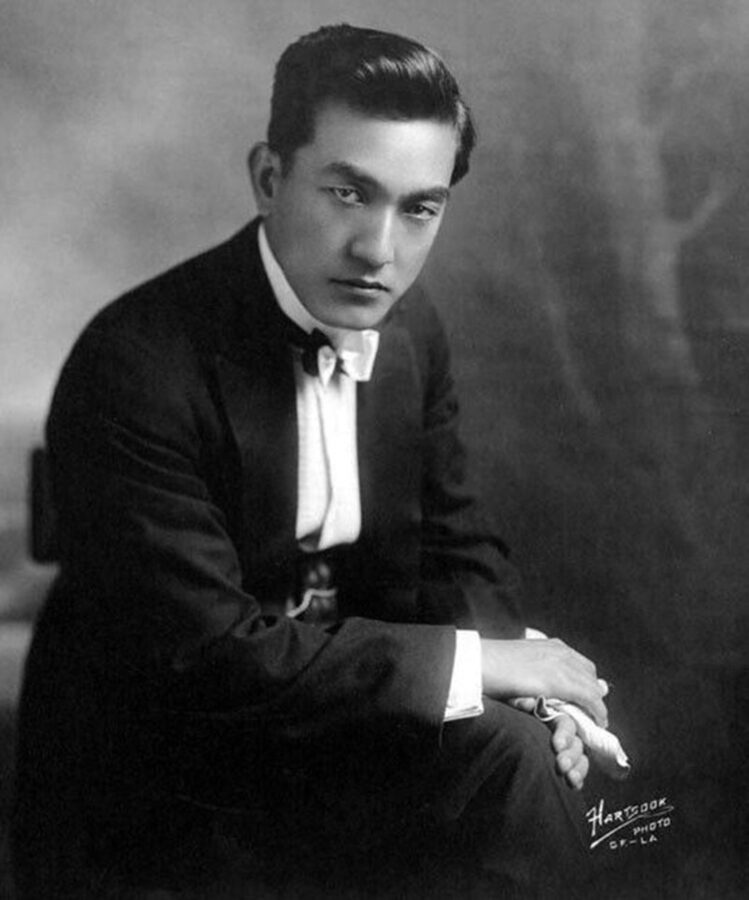
| Actor | Breakthrough in the US | What it led to |
|---|---|---|
| Sessue Hayakawa | The Cheat (1915) | Silent-era stardom; Oscar nomination for The Bridge on the River Kwai (1957) |
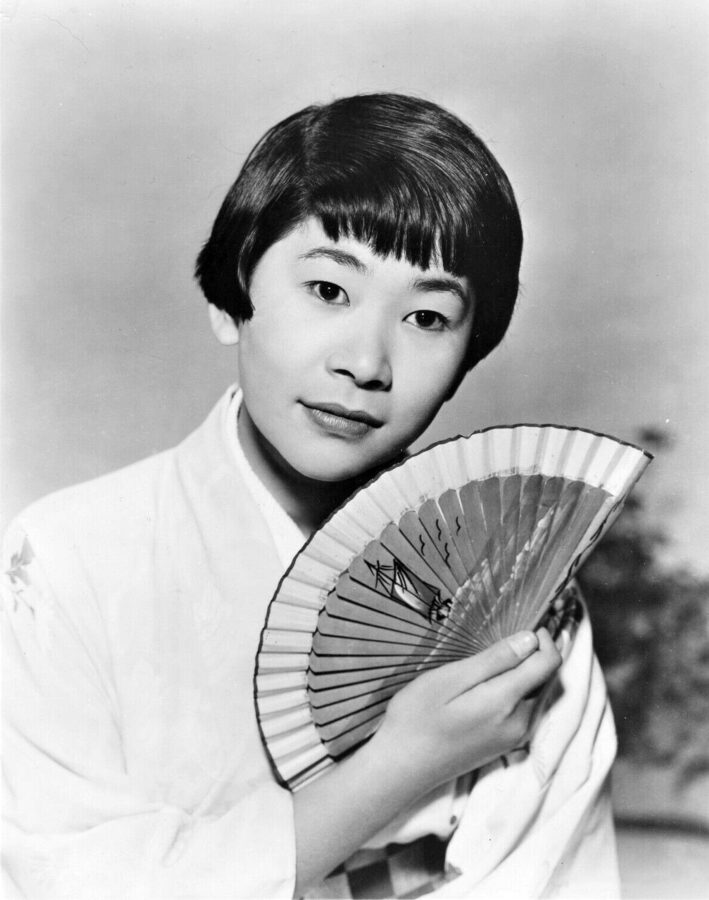
| Miyoshi Umeki | Sayonara (1957) | Academy Award for Best Supporting Actress |
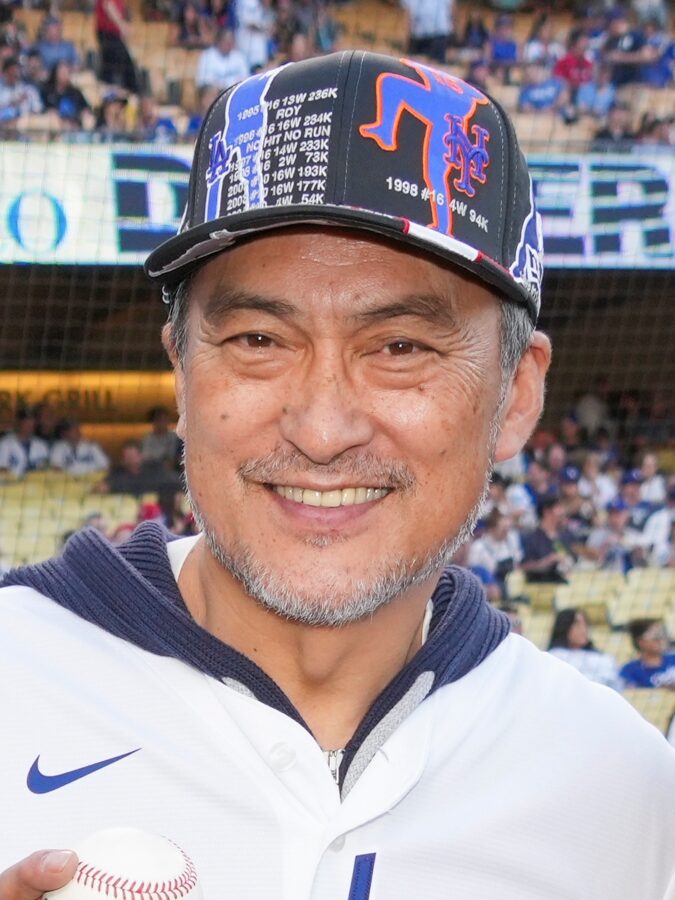
| Ken Watanabe | The Last Samurai (2003) | Oscar nomination; Tony nomination for The King and I (2015) |
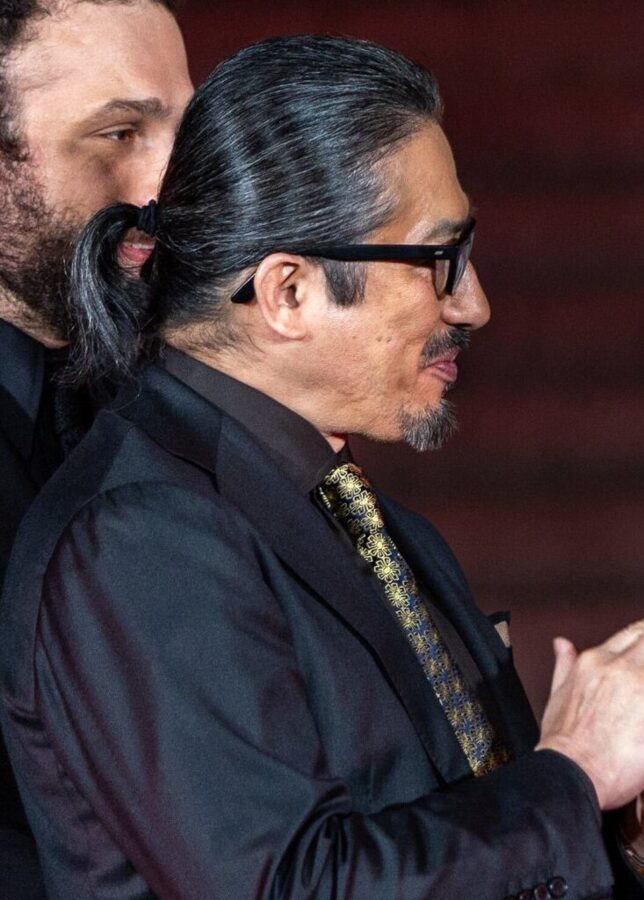
| Hiroyuki Sanada | The Last Samurai (2003) | Two Primetime Emmys for Shōgun (2024), as lead actor and producer |
| Eisaku Yoshida | None (in Los Angeles 1995–1998) | Came home for NHK; a long career in Japan |
Watanabe and Sanada are nearest to Yoshida in age and in the careers they already had at home. Both were cast from Japan for The Last Samurai in their forties, with reputations that were safe if Hollywood went nowhere. Sanada then spent twenty years in supporting parts before Shōgun made him a lead.

Yoshida went at 26, with no role and no return date. Yoshiki of X Japan, who settled in Los Angeles in the 1990s, made the musician’s version of that bet and stayed. I would not call Yoshida’s three years a failure. He went to close the gap between himself and his name, and the parts he took afterwards, which nobody would have offered the trendy-drama lead, suggest that it closed.
Where to stand today
You cannot go up to the café where it started, but across the road you can stand higher. The observatories of Tokyo Metropolitan Government Building No. 1 are free and, as of October 2026, open 9:30 to 22:00 (last entry 21:30), according to Tokyo’s official tourism guide. The South Observatory closes on the first and third Tuesdays, the North on the second and fourth Mondays, and both at New Year.
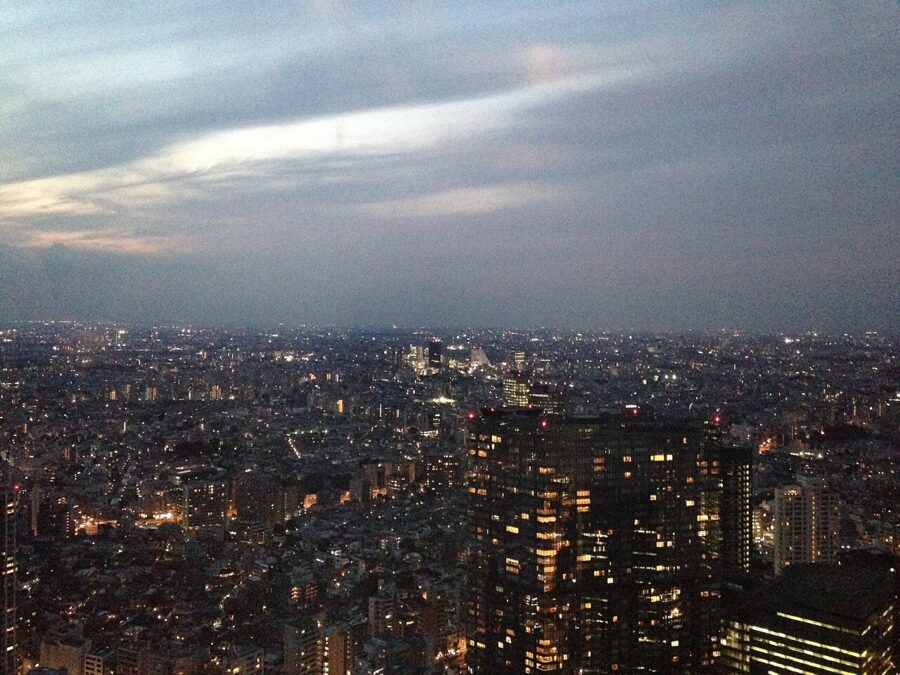

Take the Toei Oedo Line to Tochomae Station, exit A4, a minute from the building. Look down and count the grains. Then go back to ground level, to the foot of the towers where the drama ended in 1991, and ask the question he wrote into the script himself: where shall I go from here.