
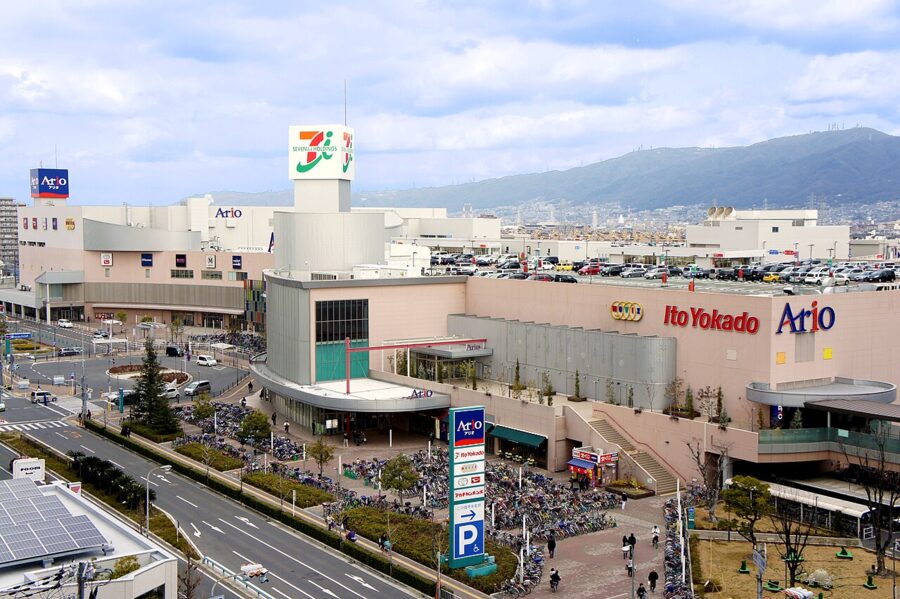

In the winter of 2015 a shopping centre in Yao, on the south-eastern edge of Osaka, made a bet with two comedians who had been professionals for less than a year. If 8.6 Second Bazooka (8.6秒バズーカー) could pull in 1,000 people, the mall would keep its maze of winter lights running longer. More than 2,000 turned up.
They came for two words, “Rassun Gorerai” (ラッスンゴレライ), which meant nothing. That was the joke, and for the first half of 2015 it was the most repeated nonsense in the country: chanted by junior and senior high school pupils, and noted by one entertainment site that January as a chat-up line.
Then the joke ran into something it could not survive. By spring, a story was circulating online that the nonsense was code, and that the code was about Hiroshima.

In this article
Two classmates and a phrase nobody understood
The pair are Hamayanen (はまやねん) and Tanaka Single (タナカシングル, written 田中シングル in their early years). Both were born in 1991, and they were classmates at junior high school. In April 2013 they joined the 36th intake of NSC, the comedy school run by Yoshimoto Kogyo, and they formed the act in April 2014, straight out of it.
Tanaka admitted later that he had meant to quit after the one-year course. About 1,000 students had enrolled in his year, he told a room of applicants at the school in March 2015, and he never expected to stand out from them.
The routine is rizumu neta (リズムネタ, “rhythm material”), a two-man act set to a beat. Hamayanen, the boke or fool, claps and chants the phrase. Tanaka, the tsukkomi or straight man, follows him round the stage on the same beat, asking what on earth he means: “Chotto matte, chotto matte, onīsan” (ちょっと待って ちょっと待って お兄さん, “Wait, wait, mister”), and then, “What is rassun gorerai?” Nobody ever answers.
They had started out doing ordinary manzai (漫才), the standing double act. The problem, they told the Daily Sports in January 2015, was that Hamayanen could never land his lines on time, and a rhythm fixed that. The phrase itself came from Tanaka, stuck for material and trying to make his partner laugh. On a Yoshimoto web show that April he said the whole routine was written within an hour of him first saying it, and Hamayanen said he had no idea what it meant either.
The look was settled early: matching red shirts, black ties and dark sunglasses. In a rhythm act the costume is half the joke, a lesson the pair could have taken from Oriental Radio, whose chanted “Buyūden” routine had done the same trick in the mid-2000s.

From a phone screen to New Year television
The spread began without them. Hamayanen’s own account, given in May 2026, is that someone uploaded a clip of the act to YouTube “before YouTube was really a thing” for comedians, without asking, and it passed ten million views. Teenagers did the rest, passing phones round.
Television followed the phones. The slot every young comic wants is New Year’s Day on Omoshirosō (おもしろ荘), the unknown-comedian showcase inside Nippon TV’s Gurunai, and they got it in 2015. Hamayanen says that the same day Fuji TV called them onto its New Year comedy marathon, Bakushō Hit Parade.
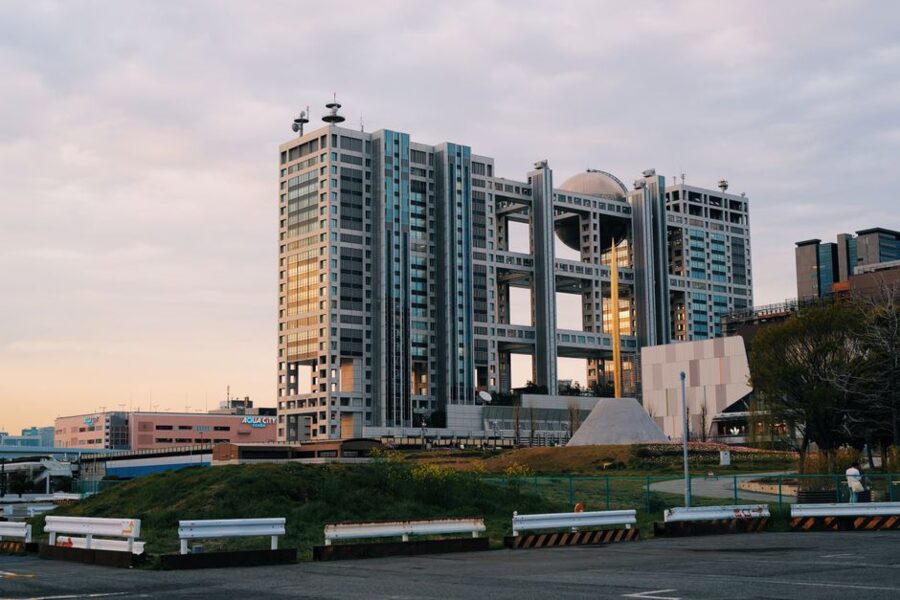
On 5 January they won a contest on PON!, Nippon TV’s lunchtime show, decided by retweets during each act, with about four times the retweets of the three other acts. By late January they were doing up to seven interviews a day. Hamayanen remembers days with 22 separate jobs and nights without sleep.

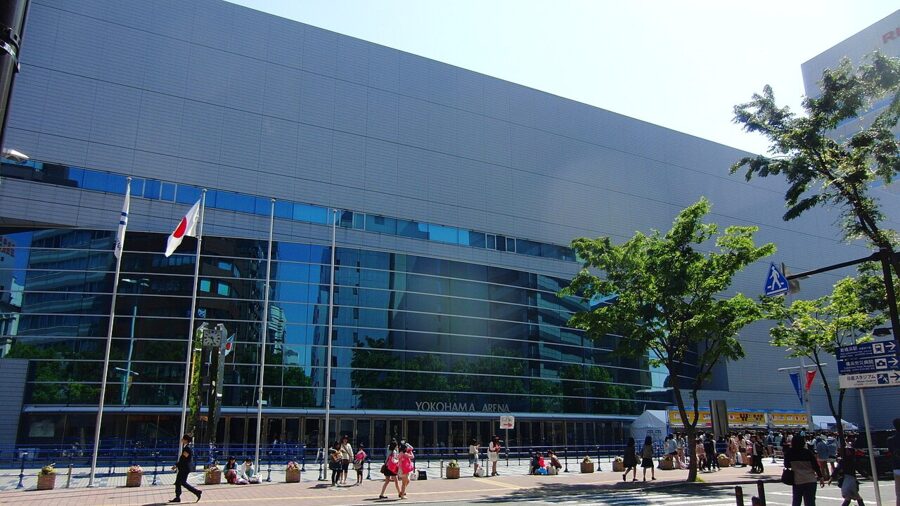
On 14 February they walked on as a surprise at Tokyo Runway, a girls’ fashion show at Yokohama Arena, did the one routine and walked off. On 1 March they were back at their old school giving a lecture to applicants, eleven months after their debut. A recorded single and a DVD of the act followed within the year.

The money matched. At the peak, Hamayanen said in 2026, he earned ¥5 million in a month (about $32,000 at today’s rate) and ¥20–25 million in the year (about $130,000–160,000).
Eight point six: the rumour and the answer
The trouble began in March and April 2015 on the anonymous board 2channel and on Twitter. The claim was that the act was anti-Japanese in disguise. “8.6”, it said, stood for 6 August, the day of the atomic bombing of Hiroshima, and “rassun gorerai” was a phonetic spelling of 落寸号令雷, an invented phrase read as a bomb-release order.
Further “evidence” accumulated quickly. The duo’s opening pose was said to copy the Children’s Peace Monument in Hiroshima. Even their NSC instructor, Masanori Honda, found himself named online as the hand behind the act, and gave Nikkan SPA! an interview about it.
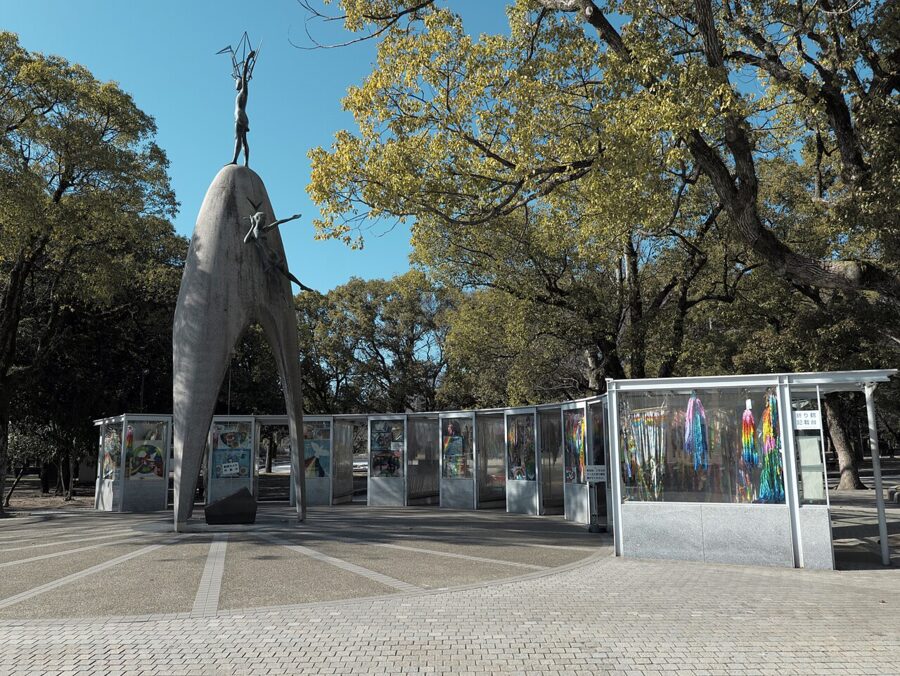

The duo answered on 14 April 2015, live on Yoshilog, a Yoshimoto web programme. “There’s talk online that Rassun Gorerai has some frightening hidden meaning,” Tanaka said, “and there’s nothing like that at all.”
The name, he said, came from Hamayanen’s time over 50 metres: 8.6 seconds. “It’s groundless. I just had to say that properly, once.”
Eleven years later Hamayanen gave a different origin. Speaking on NO MAKE, an ABEMA documentary programme streamed on 9 May 2026, he said the pair loved a band called 0.8-byō to Shōgeki (0.8秒と衝撃。) and wanted a name in seconds. The hero of the manga Initial D, a hit when they were at school, drives a Toyota AE86, the “hachi-roku”, so they took 8.6. “Bazooka” was added because “8.6 seconds” alone sounded too stylish, and they wanted a hard, voiced word on the end.
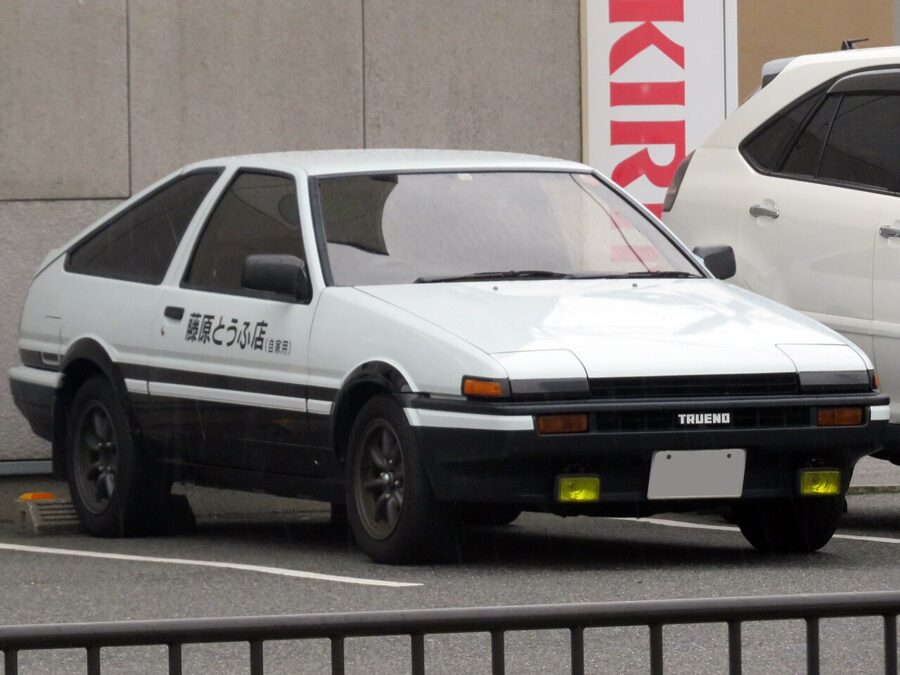

So the record holds two explanations, a sprint time and a car, and both deny the same thing. Asked straight out in 2026 whether the conspiracy theory was false, Hamayanen said: “False, false, false. I used to wonder why anyone would believe something that made no sense.”
I would read the rumour as a product of the act’s own design. A phrase built to mean nothing is a blank page, and a blank page gets written on. Whatever the cause, the bookings fell away after it, and the 2026 documentary tied the fall directly to the rumour.
Number eight of fifty
Every December the publisher Jiyu Kokuminsha and its sponsor U-Can announce the New Words and Buzzwords Awards, the ryūkōgo taishō (流行語大賞). The publisher and the award office first name 50 nominees, then a selection committee picks a top ten. “Rassun Gorerai” was number eight on the 2015 nominee list.
Its neighbours on the list tell you what kind of year it was. The winners were bakugai (爆買い), the “explosive shopping” of Chinese tourists, and “triple three”, a baseball statistic. Further down sat the vocabulary of that summer’s security bills, including kaketsuke keigo, and the slogan of the protests against them.
“Rassun Gorerai” missed the top ten. “We worked too hard in the first half of the year,” the duo told Oricon. A consolation came the same month, when Yahoo! Japan gave 8.6 Second Bazooka the comedian award in its Search Awards, which go to the names whose searches rose most that year.
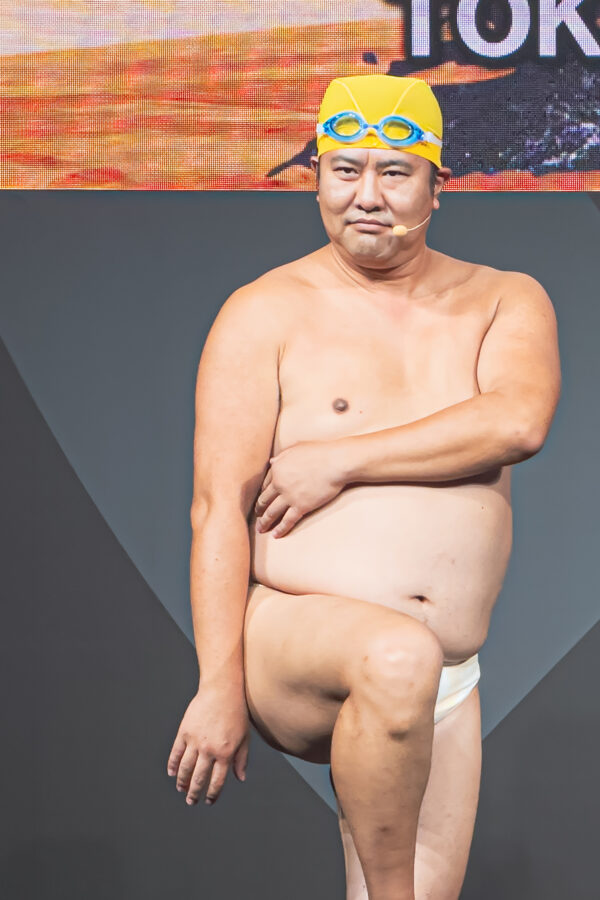

The comedian who did reach the top ten that year was Tonikaku Akarui Yasumura, the man who appears naked and then reveals his briefs. The prize citation teased him with a jinx the organisers clearly knew well: win the buzzword award and you end up an ippatsuya.
Ippatsuya: Japan’s one-hit comedians
Ippatsuya (一発屋) is “one-shot merchant”. The Digital Daijisen dictionary gives three senses: someone who stakes everything on a single contest, a batter who swings for home runs, and, colloquially, a singer or entertainer who was popular only once or only for one season. In comedy it has become almost a job title.
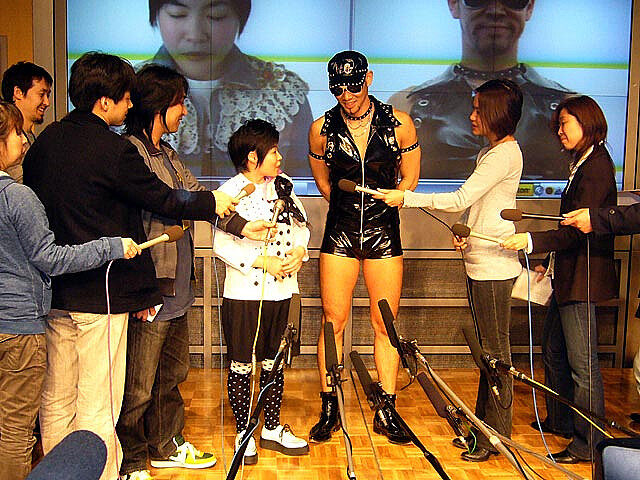

The type is easy to spot in the award lists, starting with Razor Ramon HG in 2005.
Yoshio Kojima’s “Sonna no kankei nee” (“Like that matters!”), shouted in swimming trunks, made it in 2007, on a nominee list that also carried KY, short for reading the air and failing at it. Edo Harumi’s thumbs-up “Guu!” took the grand prize in 2008.
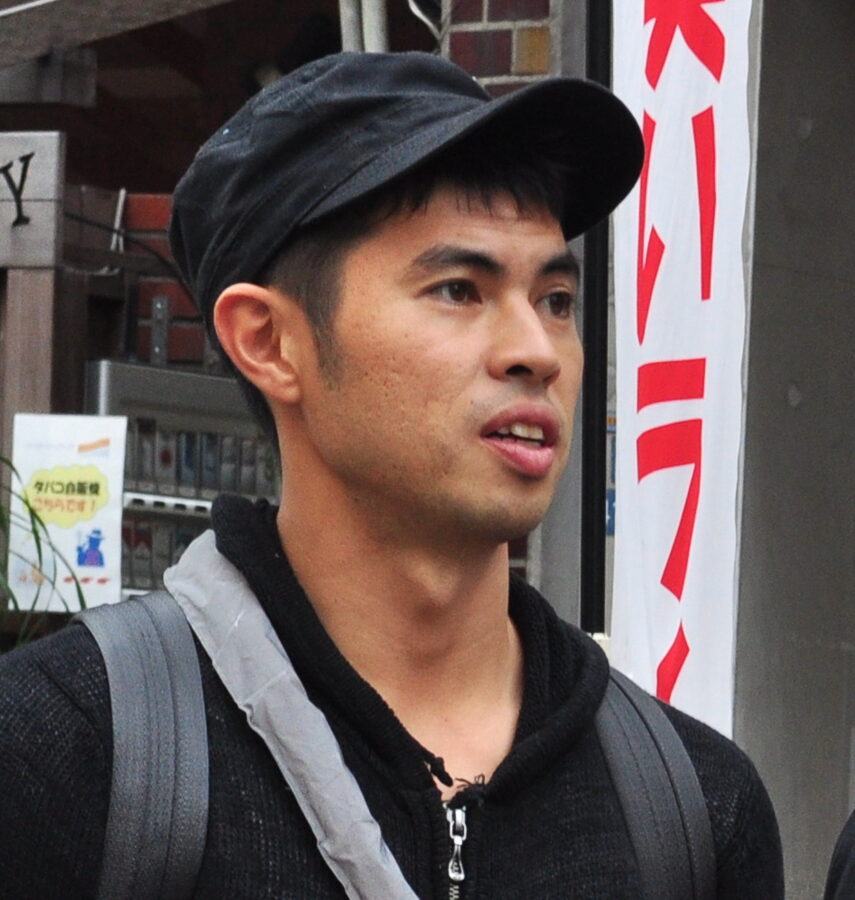

The pattern behind them is the same. One move, one phrase and one costume that a child can copy in a playground carry the act. As I read it, television books the act, not the performer, so when the phrase is used up the bookings go with it.
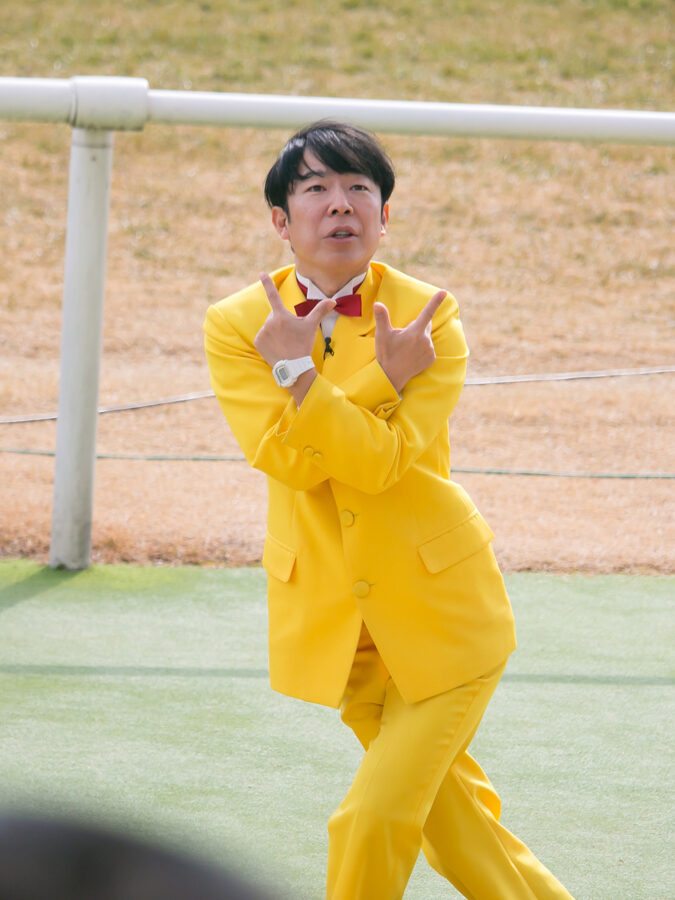

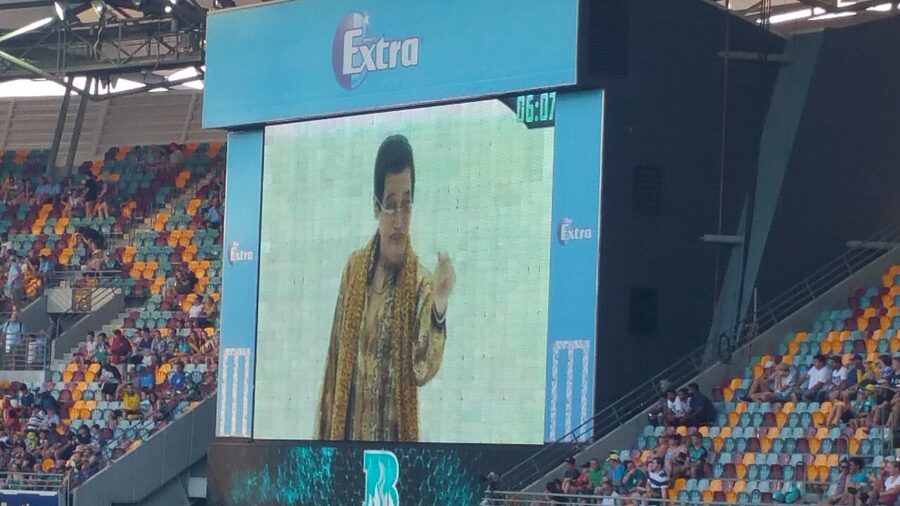
The craze machine did not slow after 2015. In 2016 the buzzword top ten took “amore” from a footballer’s press conference, and the playgrounds moved on to the love dance from a drama’s closing credits. Pikotaro’s “PPAP” went further than any of them, onto screens on the other side of the world.

After the boom
Hamayanen’s earnings as a comedian fell, by his account, to ¥80,000 a month (about $500). In October 2025 Fuji TV put him in Ano Kane Doko Itta? (“Where Did That Money Go?”), a programme about famous people who had made a fortune and lost it.
The May 2026 documentary filled in the rest. As of the end of April he had done no comedy work at all that year. He lives on a kitchen car, a food van he bought in 2022 for ¥4 million (about $25,000), which took ¥10 million (about $63,000) in sales the year before, with a best single day of ¥1.2 million (about $7,600).
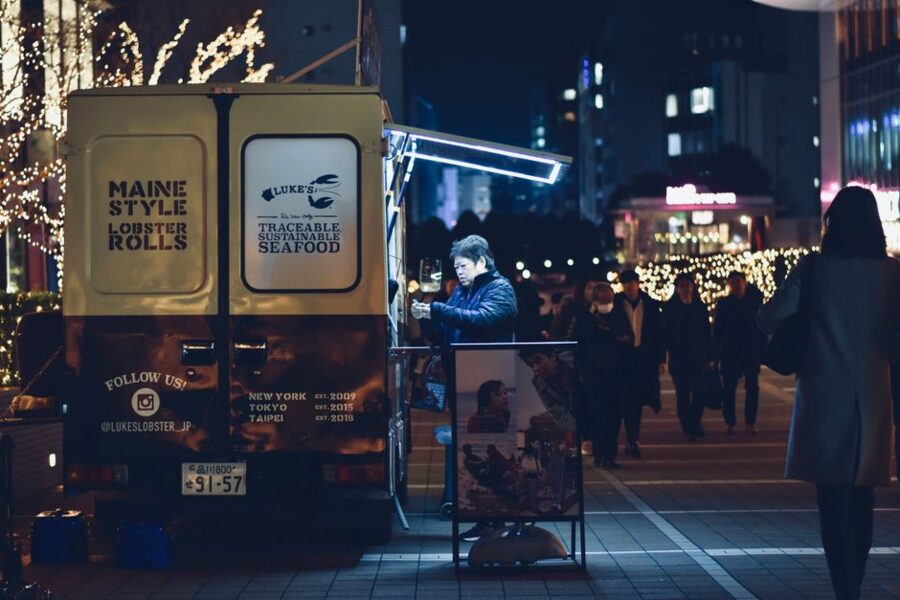
He was frank that it is a hard living. The crew filmed him at a two-day music festival in Tottori, where he took ¥100,900 (about $640) against about ¥430,000 (about $2,700) in food, travel and pitch fees. “There are months I can’t make a living,” he said. “Months I eat into my savings.”
Tanaka Single announced his marriage in February 2017 and the birth of his first child that May. On where he is now, the latest word is his partner’s: Hamayanen said in 2026 that the two had last eaten together two years earlier, and that he had heard Tanaka was living comfortably at his own pace.
Hamayanen still wants the act back. “I love comedy,” he told the programme. “I’d like it if one day my partner and I could do Rassun Gorerai together again, just like before.”
Where to see the next one
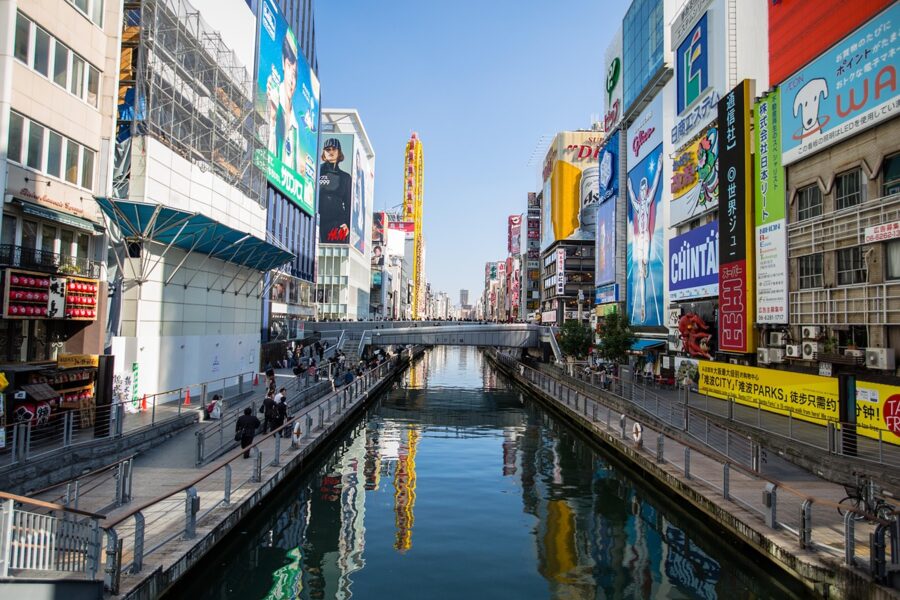
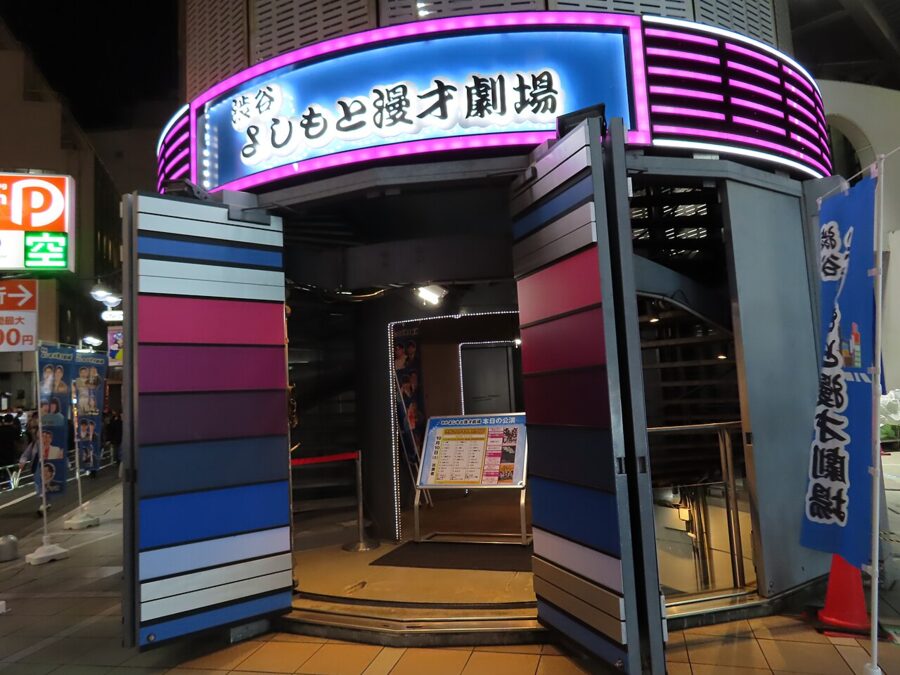
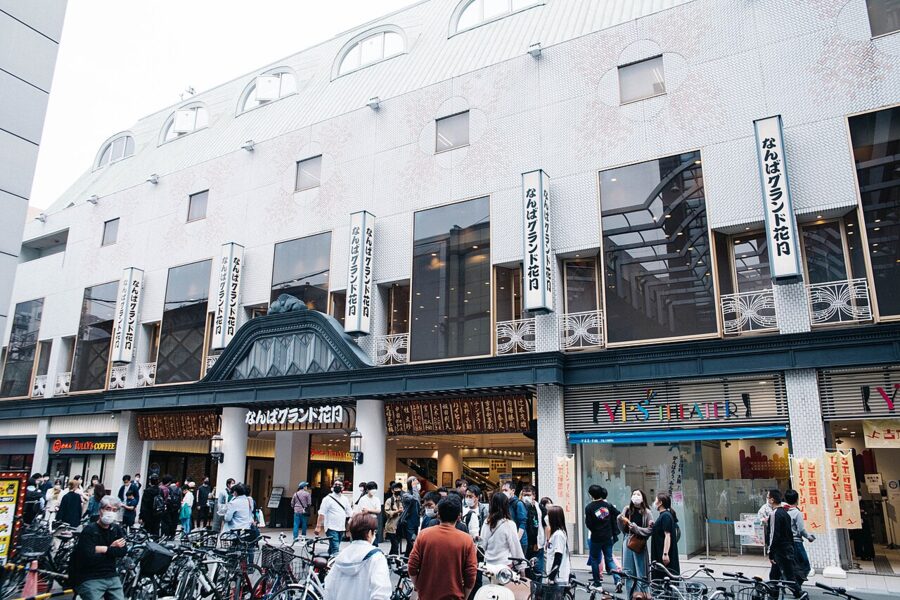
The next rhythm act is already somewhere in a Yoshimoto theatre. In Tokyo the company runs the Shibuya Yoshimoto Manzai Theater in Udagawacho, a house given over to double acts. In Osaka the flagship is Namba Grand Kagetsu, which calls itself the largest comedy theatre in Japan.

NGK stands at 11-6 Namba Sennichimae, Chuo-ku. From Namba Station on the Midosuji subway line, take exit 3, then exit E5 of the Namba Nannan underground mall, walk into the Nankai-dori shopping street and turn right at the first crossing; the theatre is about 30 metres on. The line-up for the main shows is announced on the 24th of the month, three months ahead (as of November 2026).

Sit through the young acts and listen for a phrase that means nothing. If the teenagers in the seats near you are mouthing it by the second chorus, you have heard the next one, and you can wish it a better year than 2015.