
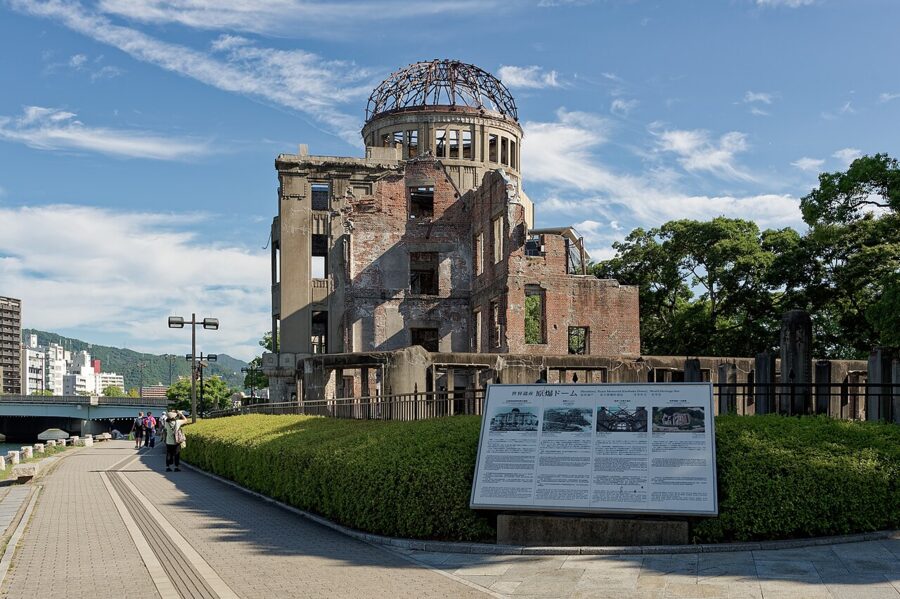

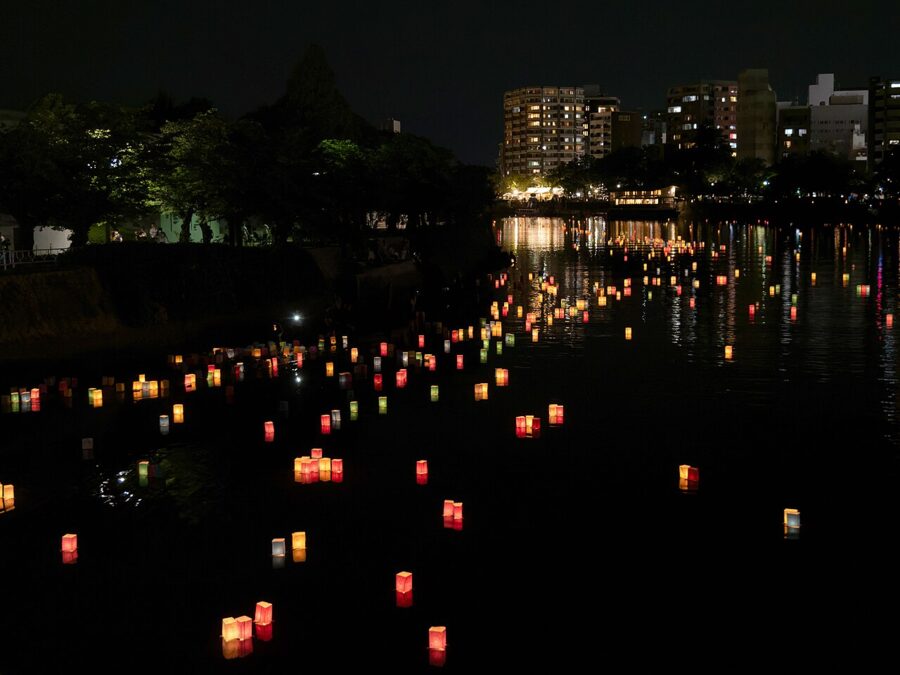
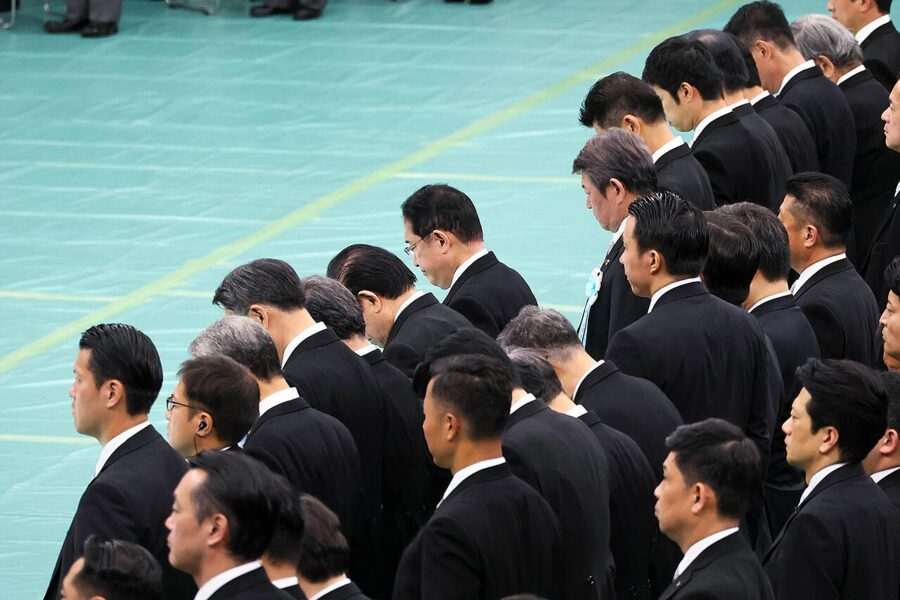
Japan keeps its postwar history on a clock. At 5:46 on the morning of 17 January, candles are lit in a park in Kobe. At 14:46 on 11 March the Tohoku coast stops for a minute. At 8:15 on 6 August a bell is struck in Hiroshima, at 11:02 on 9 August Nagasaki answers it, and at noon on 15 August the emperor stands in silence in the Nippon Budokan in Tokyo.
The word for all of it is sengo (戦後), “after the war”, and the newspapers still keep count: 2026 is sengo 81-nen, the eighty-first year. Most of what happened in those years is settled history. A handful of moments are not, and they come back every summer in editorials, at shrine gates and in the Diet.
Each has its own date, its own memorial and its own argument, and the arguments have outlived most of the people who were there.

In this article
- 1945: two cities and a broadcast
- The Occupation and a constitution written in nine days
- The bases, the treaty and Okinawa
- Growth, the Olympics and the bubble
- Apologies, and the shrine
- 1995: an earthquake and a gas attack
- 2011: the earthquake and Fukushima
- The security laws, and the defence argument now
- Where to go, and when
1945: two cities and a broadcast
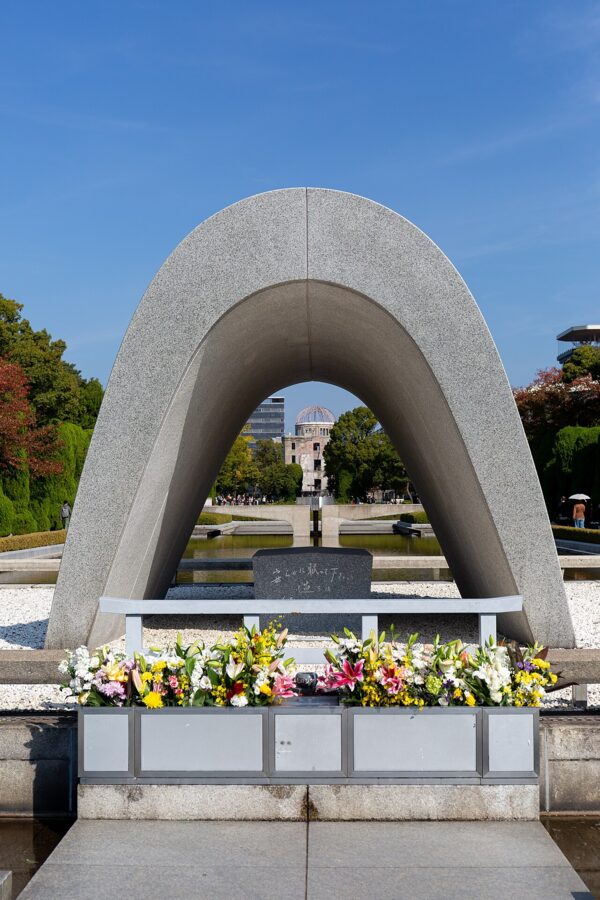
The first atomic bomb used in war exploded over Hiroshima at 8:15 a.m. on 6 August 1945, the second over Nagasaki at 11:02 a.m. on 9 August. The cities’ own estimates put the dead by the end of that year at about 140,000 and about 74,000, most of them civilians, thousands of Korean labourers among them. The survivors are hibakusha (被爆者), “people affected by the bomb”, a legal status that brings medical support.
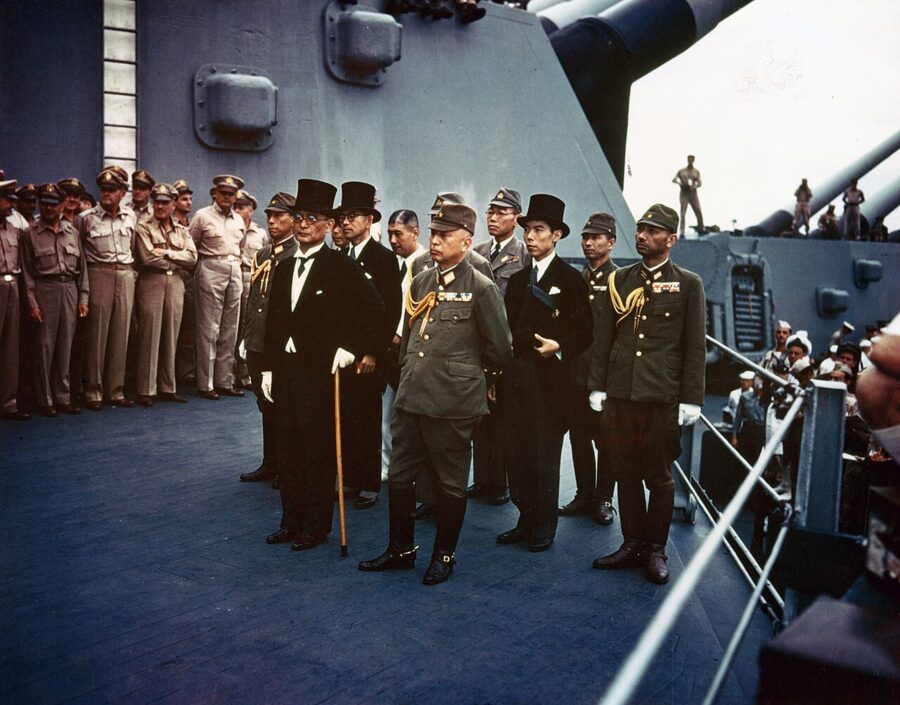
At noon on 15 August people gathered round radios to hear the emperor’s voice for the first time. The Gyokuon-hōsō (玉音放送, the “jewel-voice broadcast”) never used the word surrender; it said the war had developed “not necessarily to Japan’s advantage”. The formal signing came on 2 September aboard USS Missouri, which is why the United States and much of Asia mark the end of the war on a different day.
The argument over the bombs still runs along a national line. The standard American account holds that they ended the war quickly and spared the far greater toll of an invasion; most Japanese, and many historians on both sides of the Pacific, answer that Japan was already close to collapse and that the Soviet declaration of war on 8 August weighed as heavily. Hiroshima’s Peace Declaration, read by the mayor every 6 August, steps around the history and asks for the abolition of nuclear weapons instead.
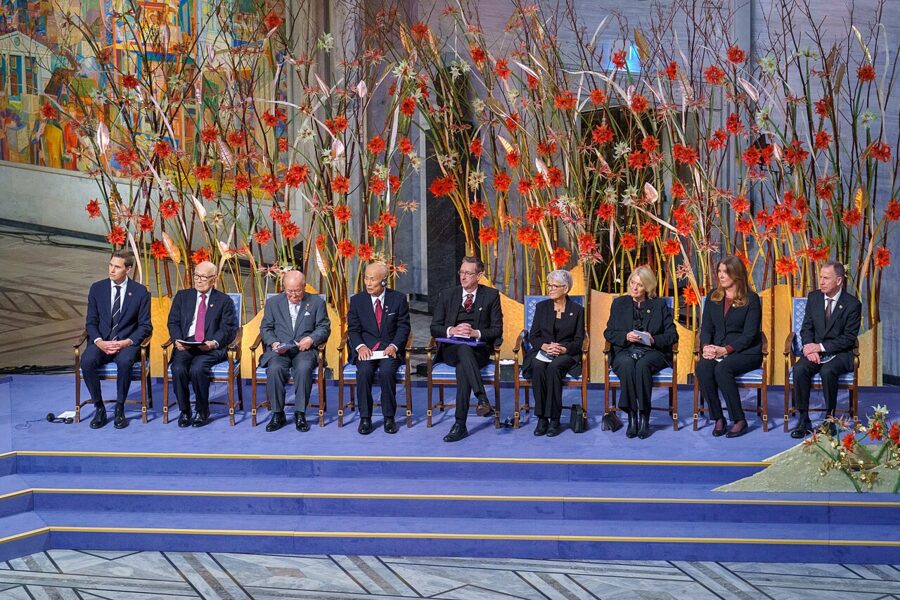
The visit that tested both views came on 27 May 2016, when Barack Obama went to Hiroshima, the first sitting American president to do so. He laid a wreath, embraced a survivor and did not apologise, and most survivors’ groups were content with that. In December 2024 Nihon Hidankyo, the confederation of survivors’ organisations, received the Nobel Peace Prize.

Where 1945 is remembered
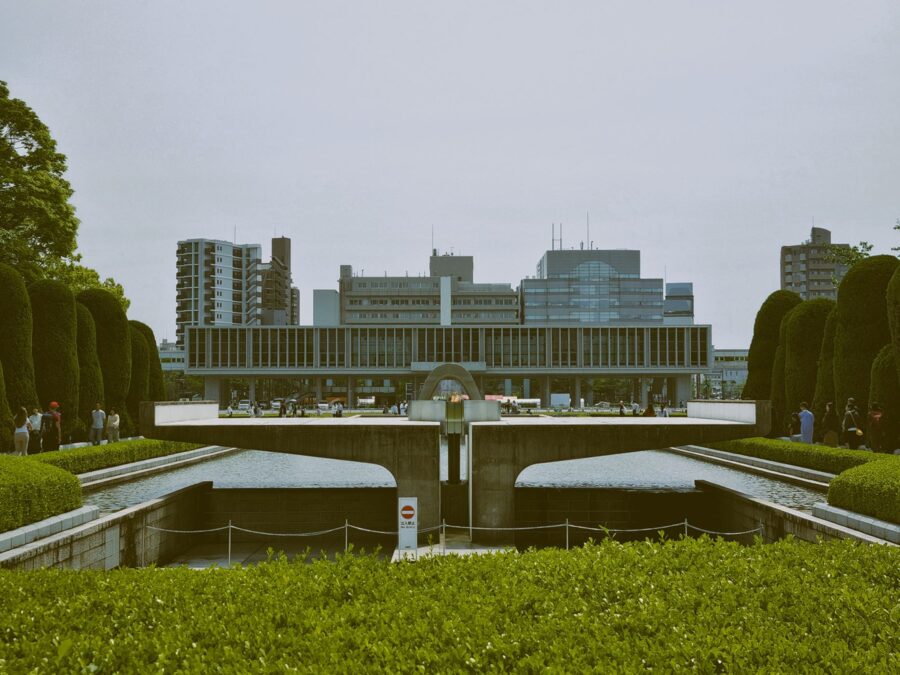
As of November 2026 the Hiroshima Peace Memorial Museum, at the south end of the park, opens at 7:30 daily and closes at 19:00 from March to July and September to November, 18:00 from December to February and 20:00 in August (21:00 on 5 and 6 August). It is shut on 30 and 31 December. Adults pay ¥200 (about $1.30), high school students ¥100, and younger children go free; evening entry needs a timed web ticket.
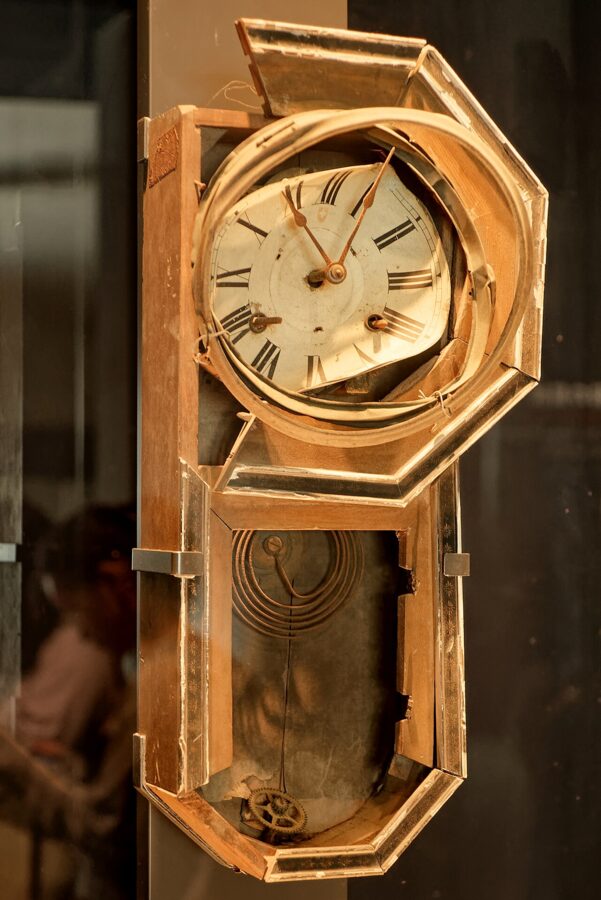
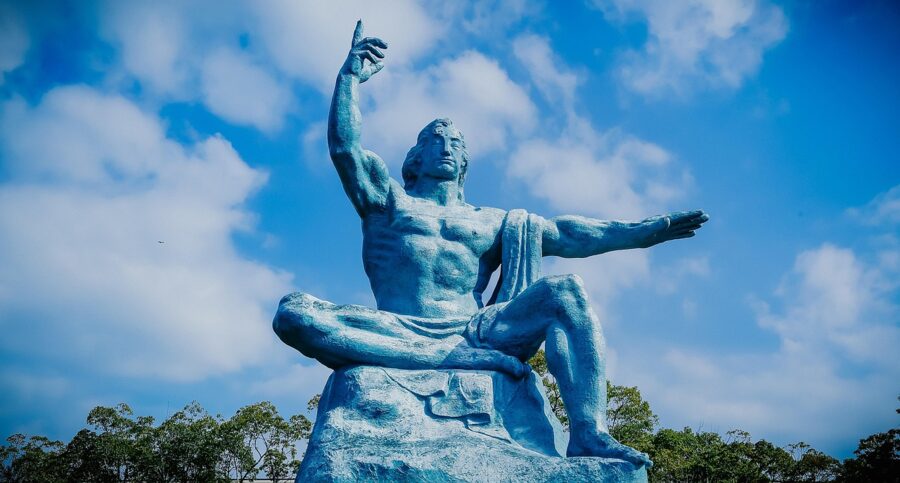
In Nagasaki the Atomic Bomb Museum keeps a wall clock stopped at the moment of the blast. On the hill above the hypocentre stands Seibo Kitamura’s Peace Statue, unveiled in 1955.

The Occupation and a constitution written in nine days
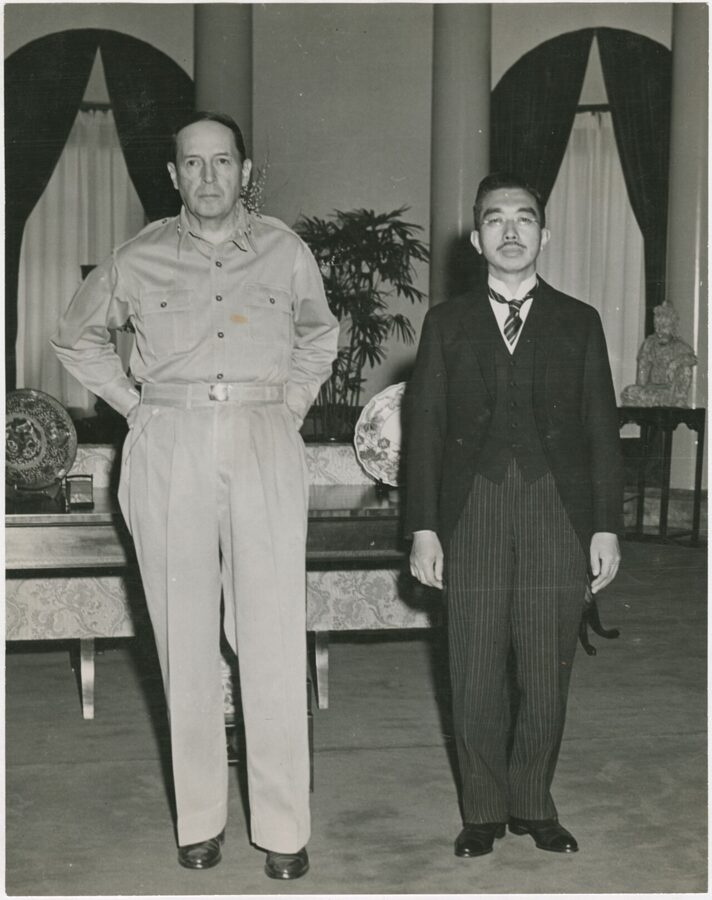
General Douglas MacArthur landed at Atsugi on 30 August 1945 and ran Japan through GHQ, the General Headquarters of the Allied occupation, until April 1952. The photograph that told the country who was now in charge was taken on 27 September at the US Embassy: MacArthur in open-necked khaki, the emperor beside him in morning dress. The Home Ministry tried to stop newspapers printing it, and GHQ overruled it.
The first years were a revolution from outside. Women voted for the first time on 10 April 1946 and sent 39 of their number to the House of Representatives; land reform broke up the landlord class, and the zaibatsu conglomerates were split. The Tokyo Trial sent seven men to the gallows, among them the wartime prime minister Hideki Tojo, while Emperor Showa (Hirohito) was never charged, a decision historians still argue over.
The constitution is the part people still fight about. When the cabinet’s own draft stayed too close to the Meiji charter, MacArthur’s Government Section wrote a new one in about nine days in February 1946. It was promulgated on 3 November 1946, took effect on 3 May 1947, now Constitution Memorial Day, and has never been amended.
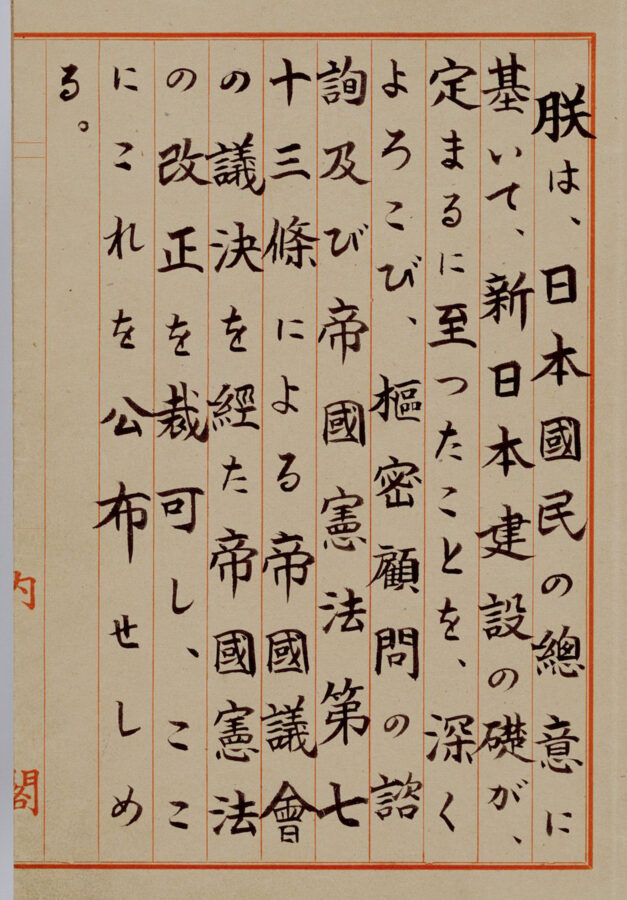
Its best-known clause is Article 9. In the English text the National Diet Library publishes with the full constitution, the first paragraph reads:
Aspiring sincerely to an international peace based on justice and order, the Japanese people forever renounce war as a sovereign right of the nation and the threat or use of force as means of settling international disputes.
The second paragraph says that “land, sea, and air forces, as well as other war potential, will never be maintained.” The Japan Self-Defense Forces (SDF) were created all the same in 1954, and every government since has held that the minimum force needed for self-defence is not “war potential”. Changing the text needs two-thirds of both houses and a majority in a referendum. The Liberal Democratic Party (LDP) wants to write the SDF into Article 9; the Constitutional Democratic Party of Japan (CDP) and parties to its left say that would empty the clause, and no amendment has yet gone to a vote.
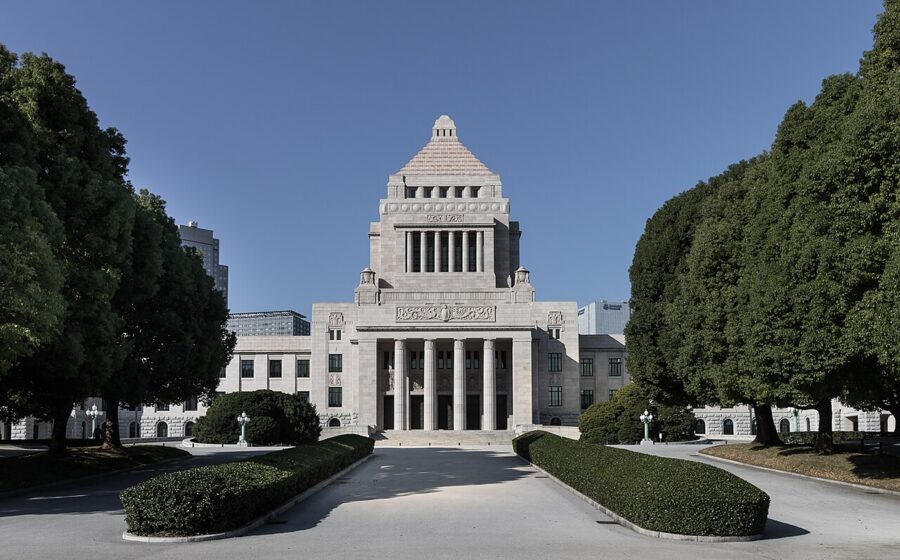

On 28 April 1952 the San Francisco Peace Treaty came into force and the Occupation ended, for most of the country. Okinawa stayed under American rule, and there 28 April is still called kutsujoku no hi (屈辱の日), the “day of humiliation”.
The bases, the treaty and Okinawa
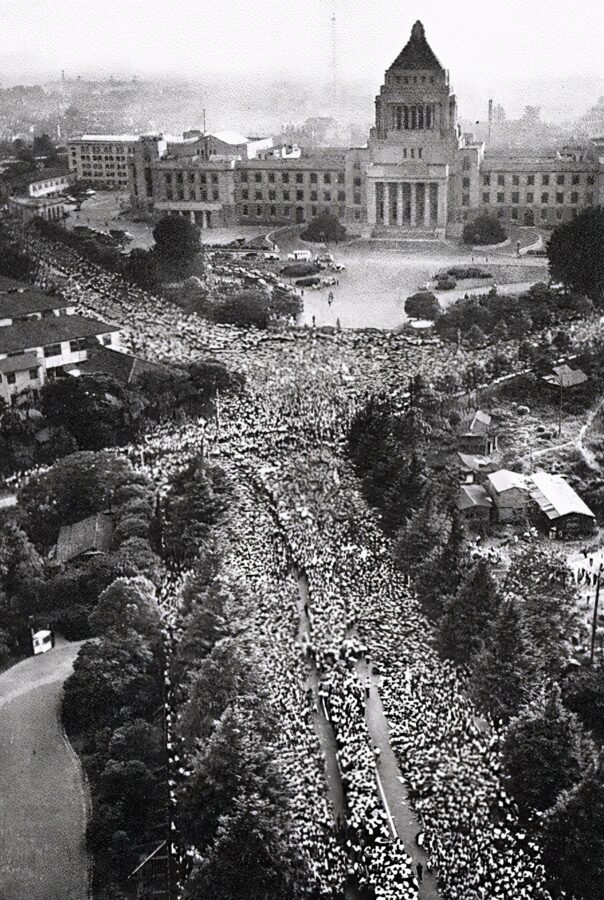
The peace treaty came with a security treaty that let American forces stay. Prime Minister Nobusuke Kishi, Shinzo Abe’s grandfather, renegotiated it in 1960, and the country erupted. The lower house approved it after midnight on 20 May, once police had removed opposition members blocking the Speaker; for a month hundreds of thousands marched on the Diet, and on 15 June a Tokyo University student, Michiko Kanba (樺美智子), died in a crush at the gates. The treaty took effect on 19 June, President Eisenhower’s visit was called off, and Kishi resigned.
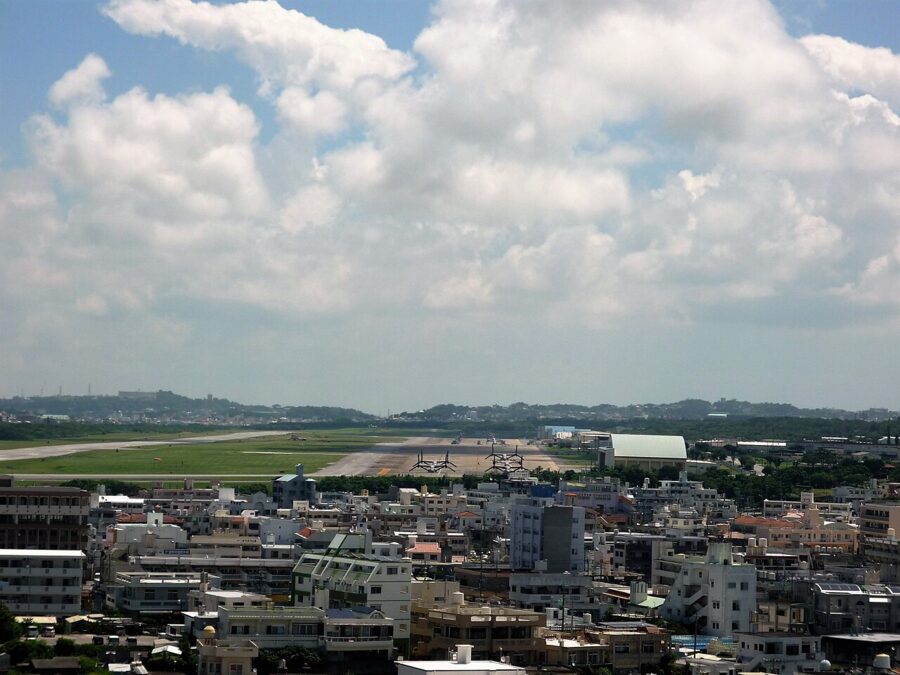
Its weight falls on Okinawa, which lost more than 200,000 people, close to half of them civilians, in the Battle of Okinawa and was then governed by the US military until reversion on 15 May 1972. The bases stayed: Okinawa, with about 0.6% of Japan’s land, still hosts about 70% of the land set aside for US forces’ exclusive use.
Futenma is the case that never closes. The Marine Corps air station sits in the middle of Ginowan, a city of about 100,000. After three American servicemen raped a twelve-year-old girl in September 1995, the two governments agreed to return Futenma within five to seven years, provided a replacement was built in Okinawa. The replacement is being built off Henoko, beside Camp Schwab in Nago.
Thirty years after the deal to close it, Futenma is still flying.

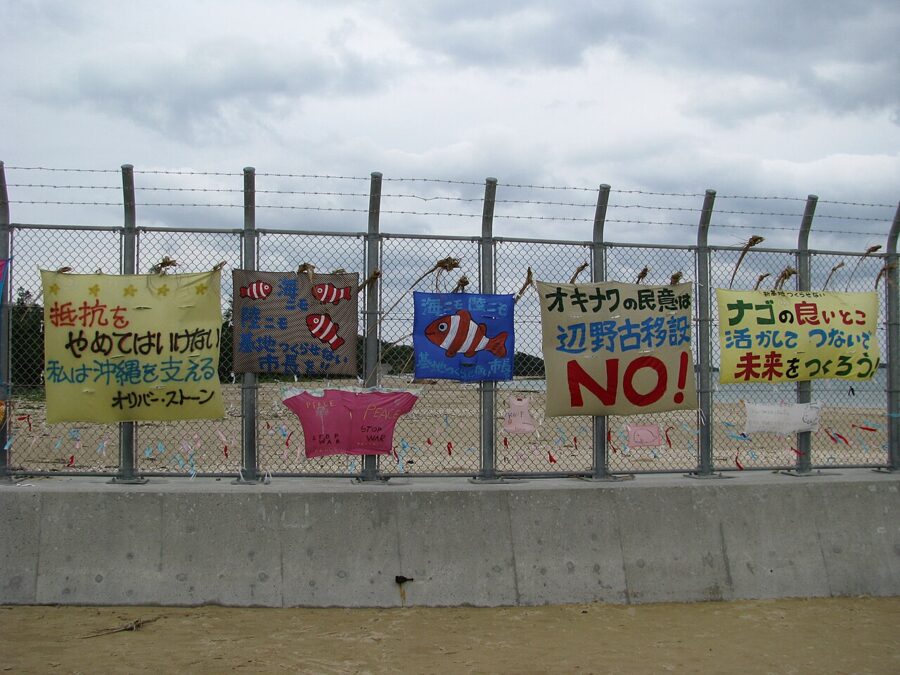
Henoko has been fought over at every level. In a prefectural referendum in February 2019, 71.7% of voters opposed the landfill; the Supreme Court ruled against the prefecture in 2023, and that December the land minister approved the design change himself, in place of a governor who refused to. Work in the soft seabed of Oura Bay began in January 2024, and on the government’s own schedule Futenma will not be handed back before the mid-2030s.

Then the politics turned. On 13 September 2026 Okinawa elected Genta Koja (古謝玄太), a 42-year-old former deputy mayor of Naha backed by the LDP and its partners, with 423,124 votes to about 274,000 for the governor, Denny Tamaki. Koja is the first governor born after reversion and, as Kyodo reported on his first day, the first in twelve years to accept the move to Henoko. Tamaki’s supporters say the vote was about the economy, not the base, and a Kyodo exit poll found 49.5% naming the economy as the main issue and 20.9% the bases.
Where Okinawa remembers
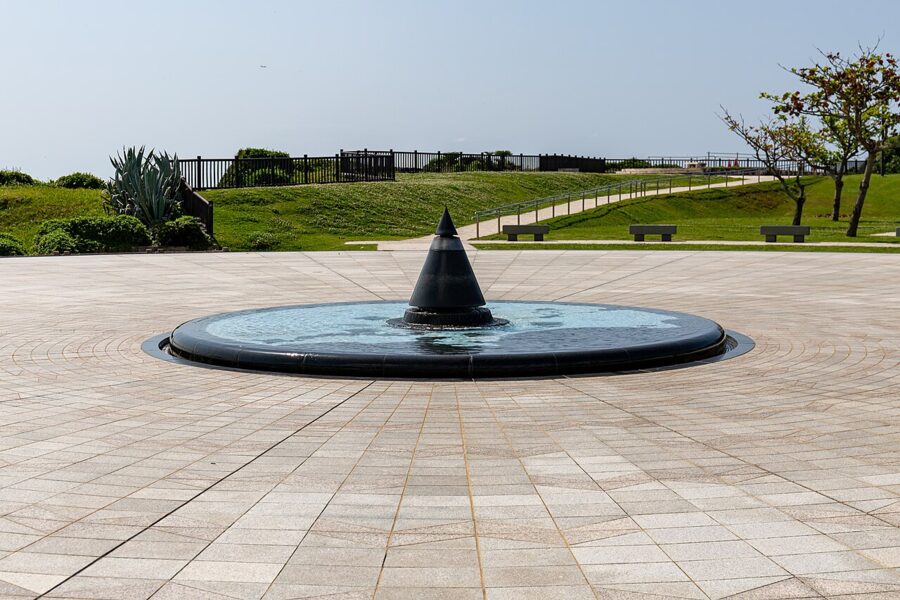
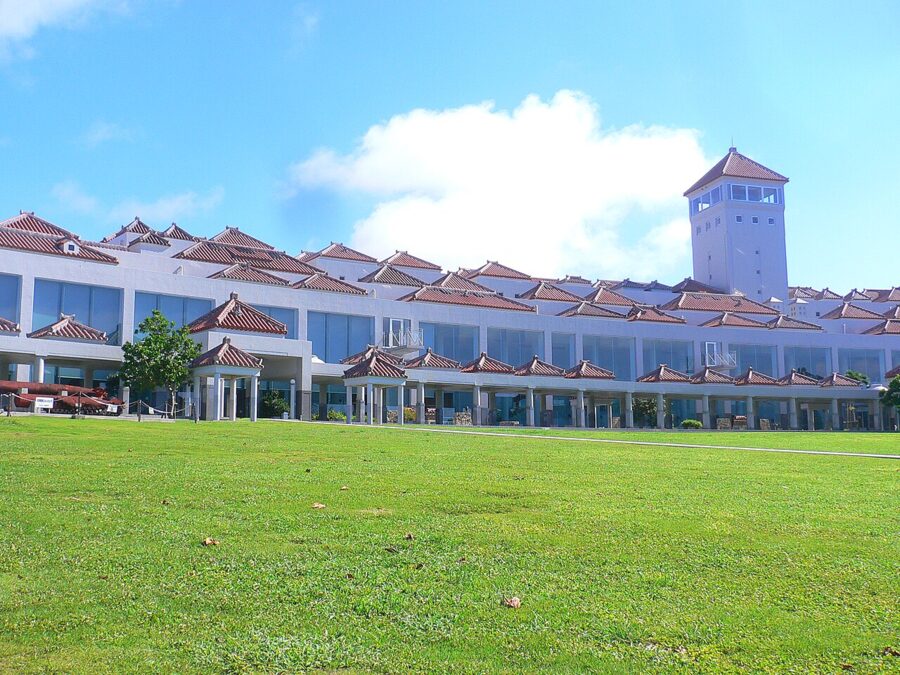
On 23 June, Irei no Hi (慰霊の日, Memorial Day), the prefecture holds its ceremony at the Peace Memorial Park in Mabuni, Itoman, where the battle ended. The Cornerstone of Peace there carries more than 240,000 names of the dead of every nationality. The Okinawa Prefectural Peace Memorial Museum opens 9:00 to 17:00 (last entry 16:30) and closes from 29 December to 3 January; the permanent exhibition costs ¥300 (about $1.90) and is free on 23 June (as of November 2026).

Growth, the Olympics and the bubble
The economy that came out of the ruins grew faster than any large economy had before. Orders for the Korean War started it, and Prime Minister Hayato Ikeda’s 1960 plan to double national income in ten years gave it a slogan. Growth averaged close to 10% a year until the 1973 oil shock, and in 1968 Japan’s economy passed West Germany’s to become the second largest outside the communist bloc.
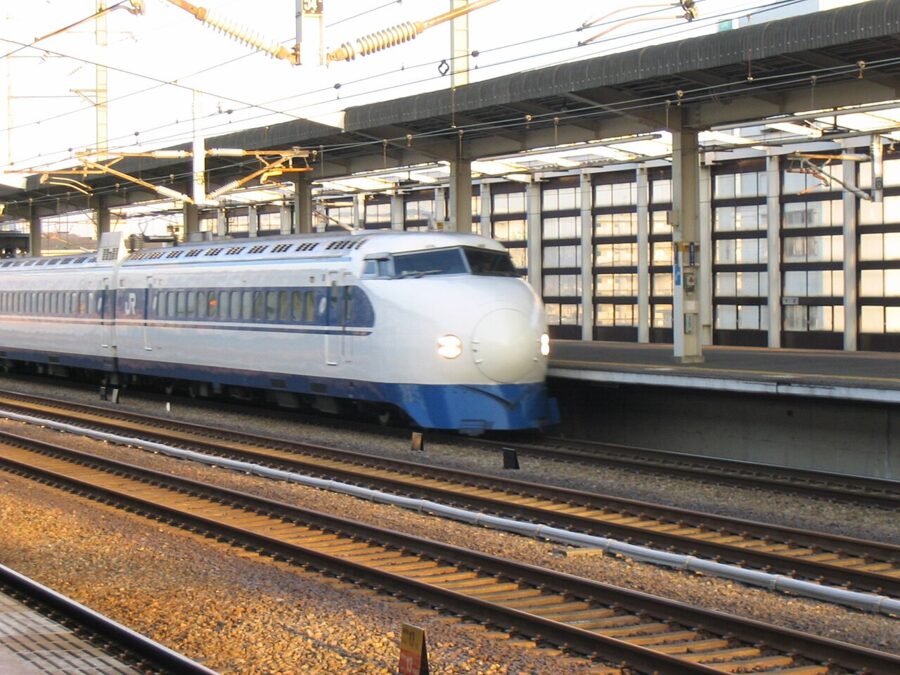
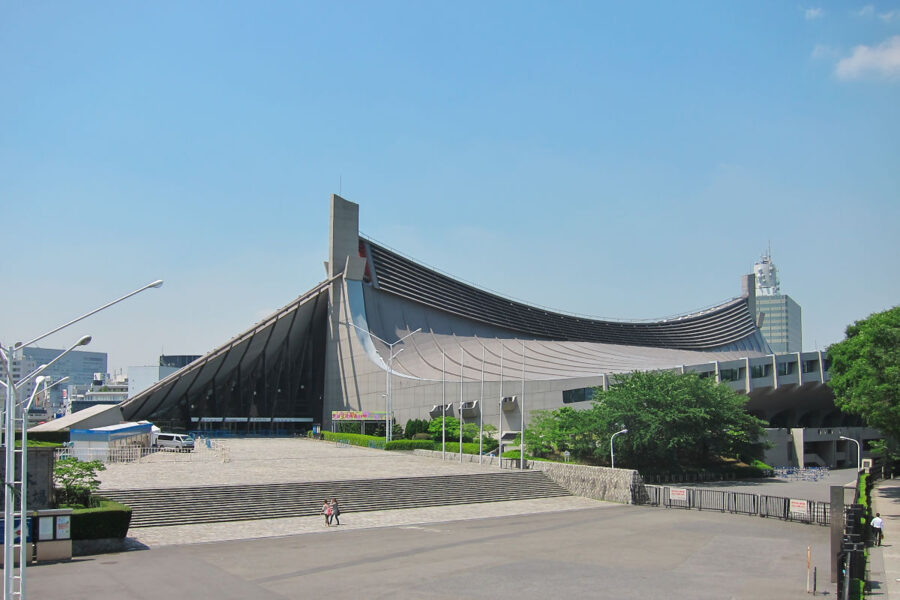
The year everyone points to is 1964. The Tokaido Shinkansen opened on 1 October, nine days before the Tokyo Olympics began, and Kenzo Tange’s Yoyogi National Gymnasium gave the games their image. The costs showed more slowly: Minamata disease, mercury poisoning from a chemical plant’s waste, was recognised as pollution only in 1968, twelve years after the first cases were reported.


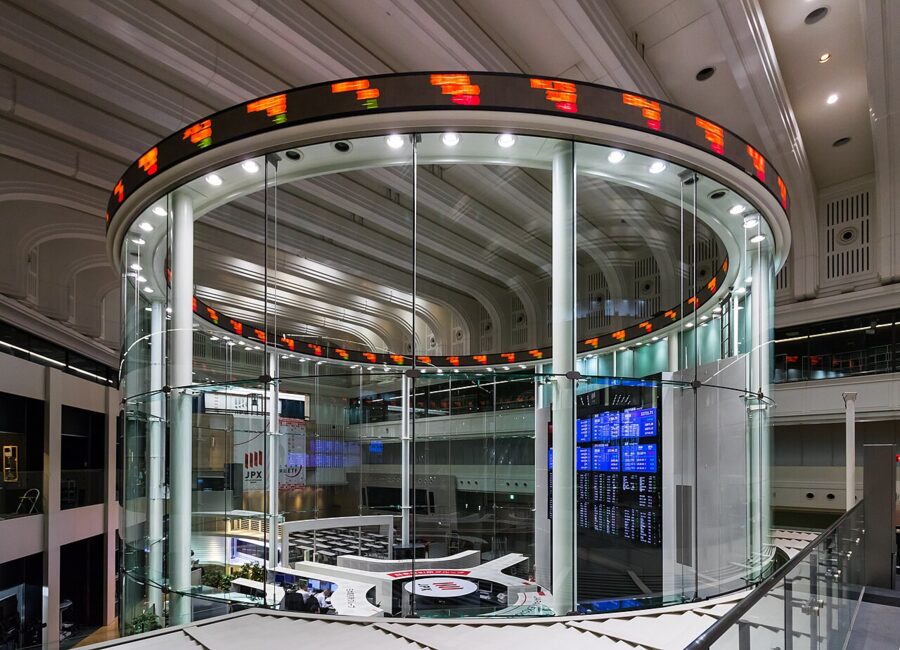
The bubble was the boom’s last chapter. After the Plaza Accord of 1985 drove the yen up, cheap money sent land and shares soaring, and the Nikkei 225 closed at a record 38,915.87 on 29 December 1989. Then prices fell for more than a decade, banks sat on bad loans, and the 1990s became the ushinawareta jūnen (失われた10年), the “lost decade”, later stretched to two and then three.
The Nikkei did not pass its 1989 close until 22 February 2024. In between, China overtook Japan’s economy in 2010 and Germany in 2023, and a generation grew up with prices and wages that barely moved.

Apologies, and the shrine
Two statements define Japan’s official account of the war. On 4 August 1993 Chief Cabinet Secretary Yohei Kono acknowledged the military’s involvement in setting up and running the “comfort stations” and offered the government’s “sincere apologies and remorse”. On 15 August 1995 Prime Minister Tomiichi Murayama, a Socialist leading a coalition with the LDP, said Japan had caused “tremendous damage and suffering” through “its colonial rule and aggression”, and expressed “deep remorse” and a “heartfelt apology”. Murayama died in October 2025, aged 101.
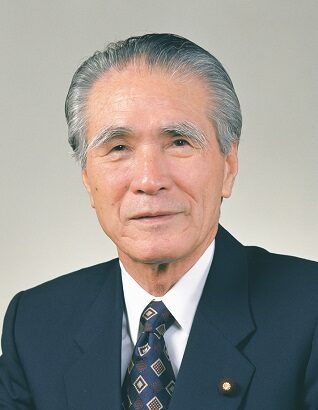

Every government since has said it upholds both, and the argument is over what that means. Conservatives say the apologies have been made many times, and that the Kono statement rested on testimony nobody checked; a government review in 2014 found its wording had been coordinated with Seoul. China, South Korea and critics in Japan say a statement means little while ministers visit Yasukuni. Shinzo Abe’s statement for the 70th anniversary kept the words of 1995 but added that later generations “who have nothing to do with that war” should not “be predestined to apologize”; for the 80th, in October 2025, Shigeru Ishiba issued no cabinet statement at all, only a personal reflection.
Yasukuni Shrine (靖国神社) in Kudankita, Tokyo, founded in 1869 for those who died fighting for the emperor, enshrines about 2.46 million of them. In 1978 its priests added fourteen men convicted or charged as Class A war criminals, Tojo among them. Emperor Showa had last visited in 1975 and never went again; a memo by Tomohiko Tomita, a former head of the Imperial Household Agency, published by the Nikkei in 2006, records him naming the enshrinement as the reason.
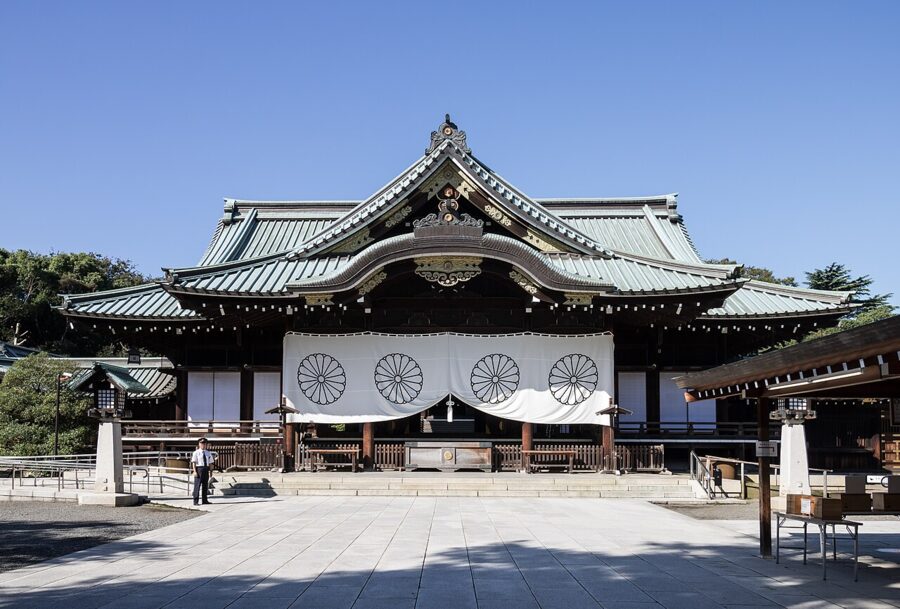

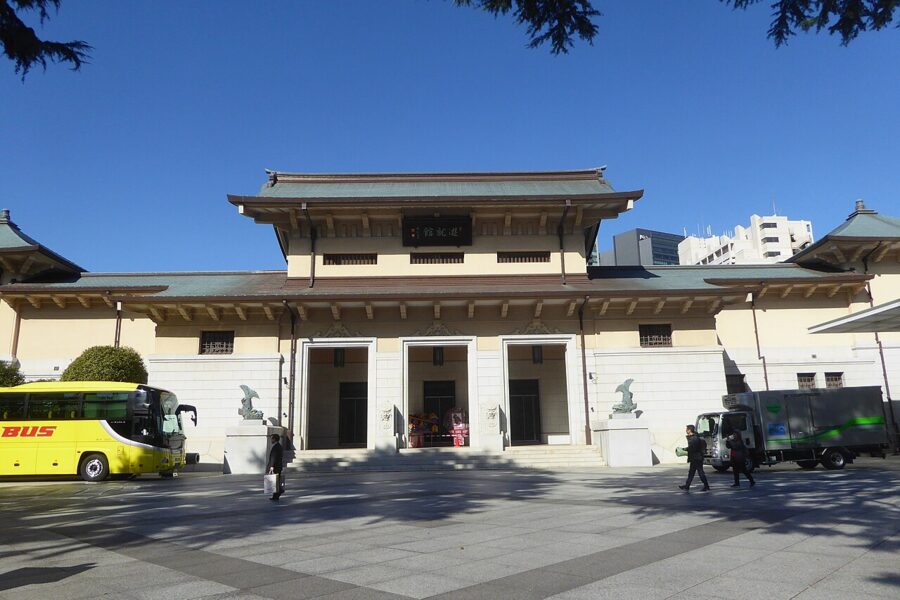
The shrine’s supporters say a prime minister should be free to honour the war dead as any citizen does. Its critics, at home and in Beijing and Seoul, say a visit honours the men who led the war, and they point to the Yushukan museum in the grounds, which tells the war as one of self-defence. Junichiro Koizumi went every year from 2001 to 2006; Shinzo Abe went once, in December 2013, and the US Embassy said it was “disappointed”.
Sanae Takaichi, a regular visitor before she became prime minister, stayed away on 15 August 2026. NHK reported that she sent an offering, a tamagushi-ryō (玉串料), as party president and paid for it herself, while four of her ministers, Defence Minister Shinjiro Koizumi among them, went in person.
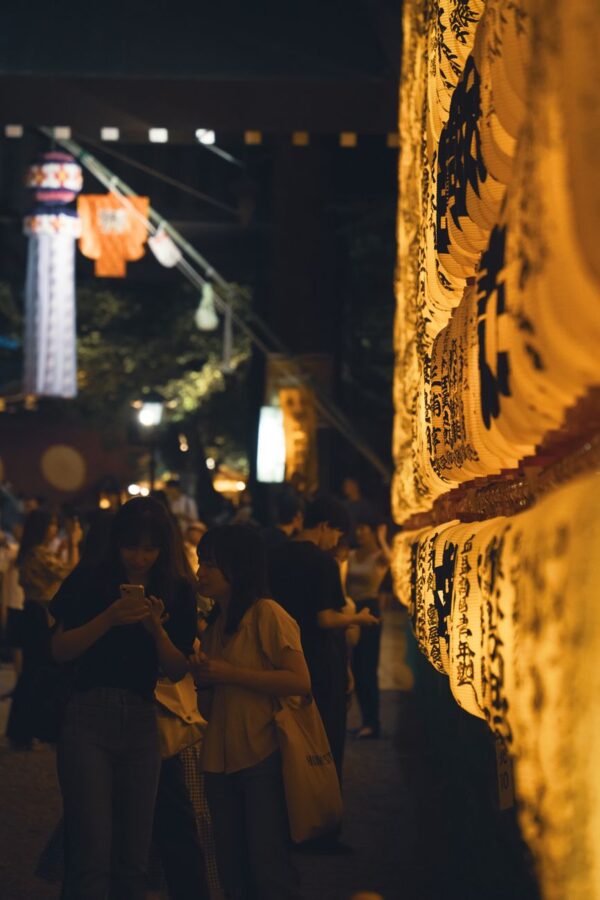

Where the war dead are remembered in Tokyo
The state’s own ceremony is held in the Nippon Budokan at noon on 15 August. Yasukuni’s grounds open 6:00 to 18:00 (17:00 from November to February), and the Yushukan opens 9:00 to 16:30 and costs adults ¥1,000 (about $6.30), as of November 2026. Ten minutes’ walk south, Chidorigafuchi National Cemetery holds the remains of more than 370,000 unidentified war dead, and it is where people who want no part of the Yasukuni argument go. The nearest station for all three is Kudanshita (Tozai, Hanzomon and Toei Shinjuku lines).
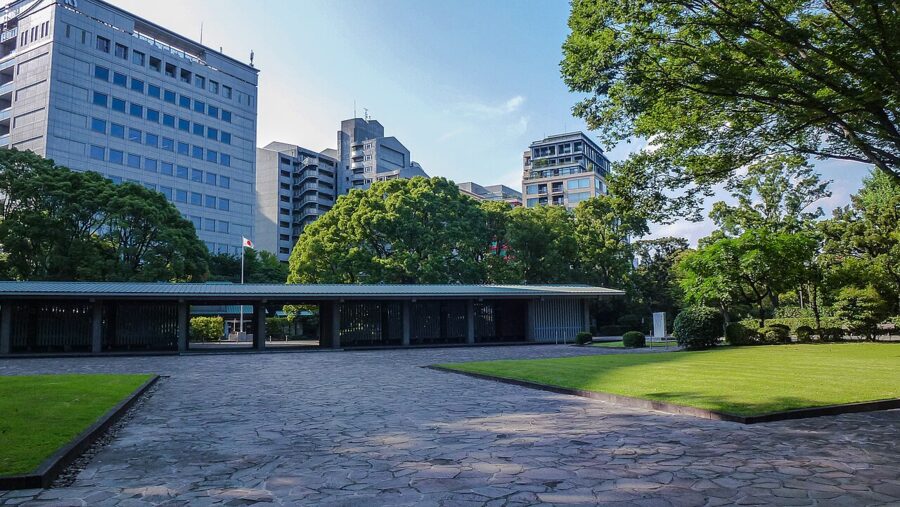

1995: an earthquake and a gas attack
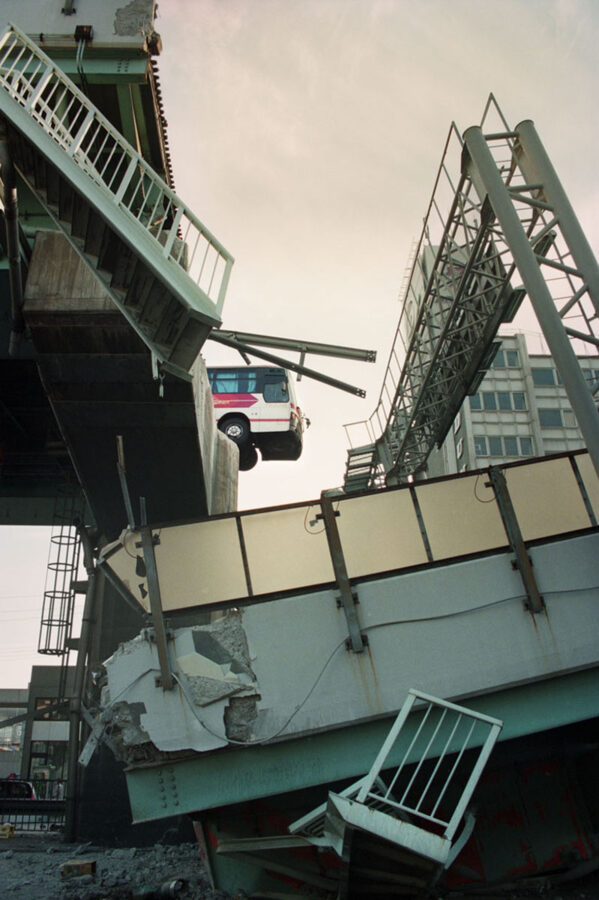
At 5:46 a.m. on 17 January 1995 a magnitude 7.3 earthquake struck beneath northern Awaji Island and Kobe. It killed 6,434 people, most of them crushed in old wooden houses or caught in the fires that followed, and threw down 635 metres of the Hanshin Expressway. Tokyo was slow to grasp the scale; the volunteers were not, and 1995 is remembered as borantia gannen (ボランティア元年), “year one of volunteering”.

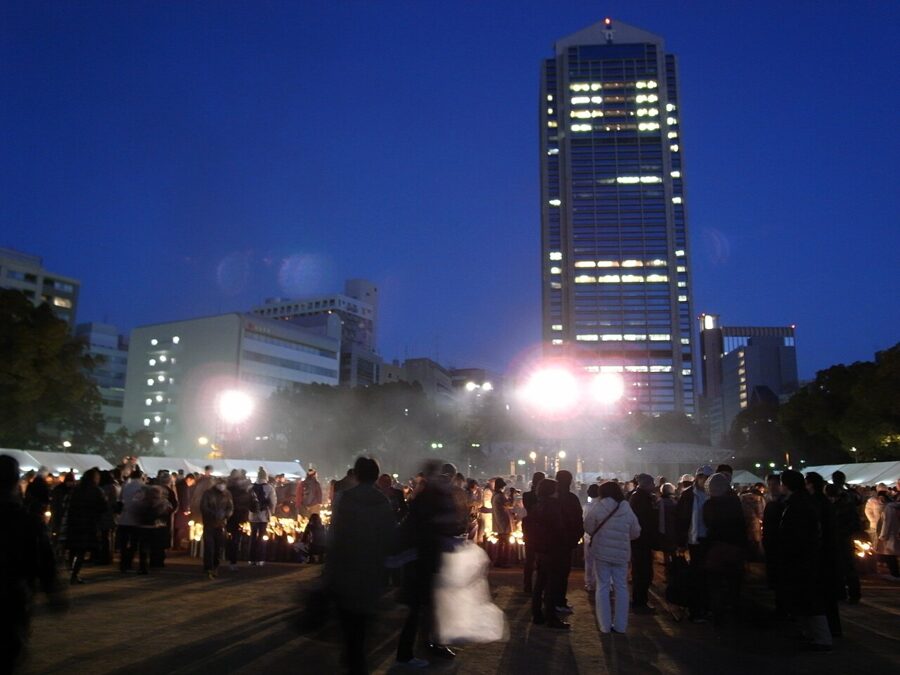
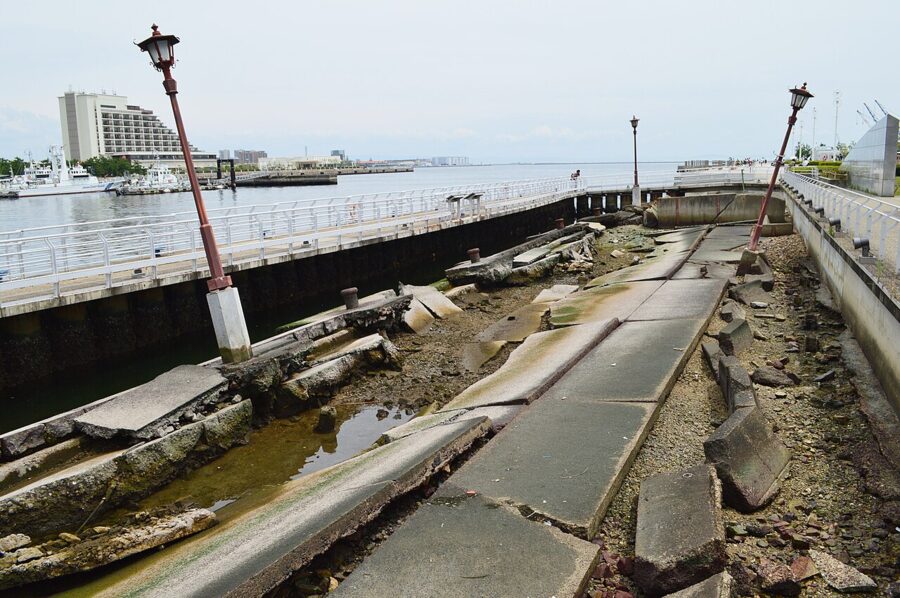
Kobe remembers at the hour. Before dawn every 17 January thousands gather in Higashi Yuenchi park beside the city hall for the 1.17 no tsudoi (1.17のつどい) and keep silence at 5:46. In Meriken Park, the Port of Kobe Earthquake Memorial Park keeps a 60-metre stretch of broken quay as the earthquake left it.

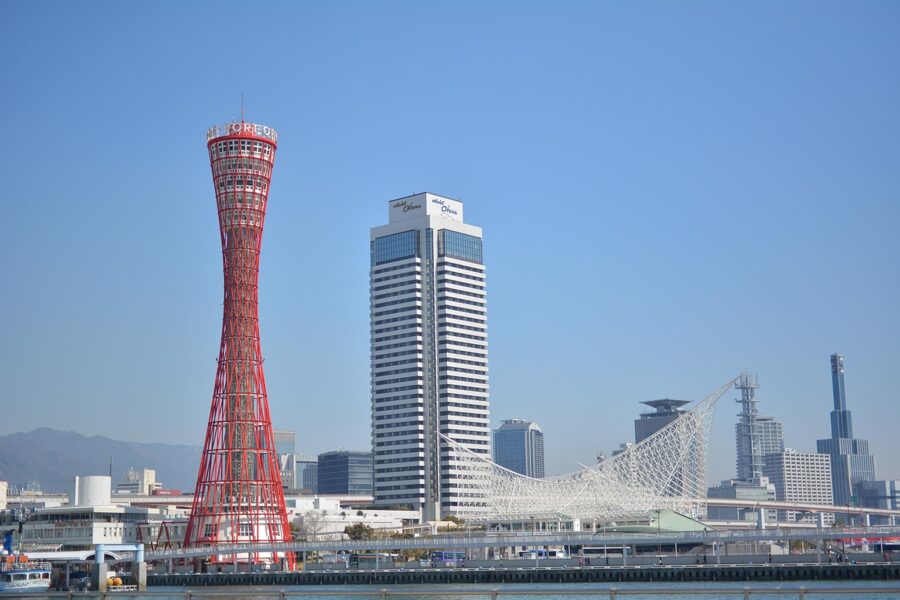
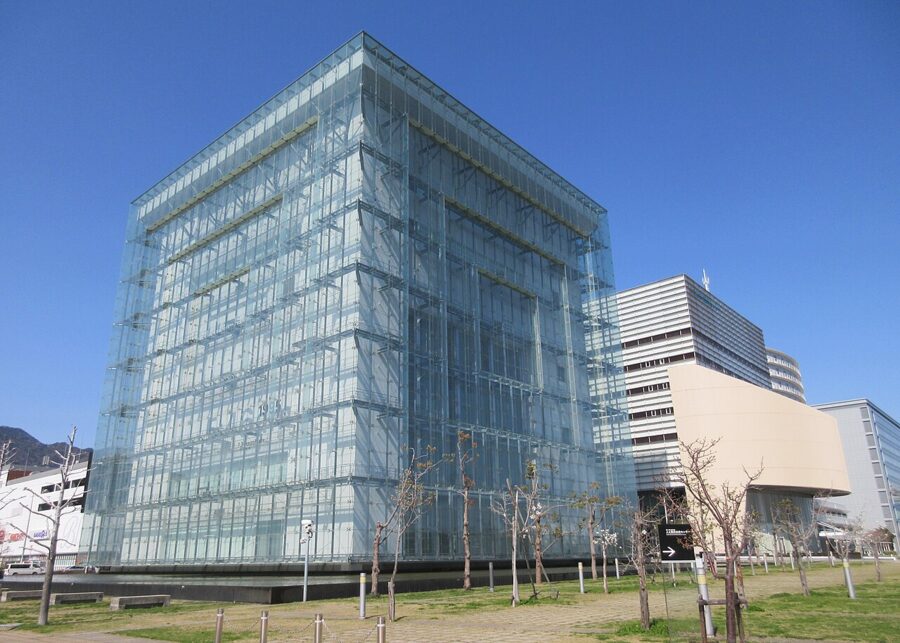
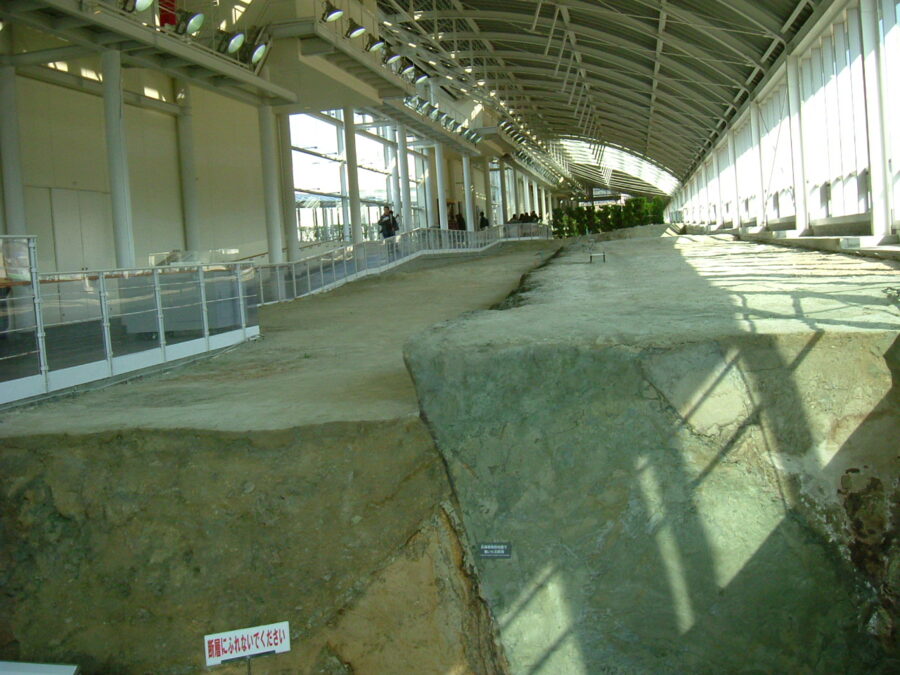
The Hito to Bōsai Mirai Center (人と防災未来センター, Disaster Reduction and Human Renovation Institution), about ten minutes’ walk from Hanshin Iwaya Station, tells the story with film, a rebuilt street and survivors’ accounts. As of November 2026 it opens 9:30 to 17:30 (last entry 16:30), closes on Mondays, and charges adults ¥650 (about $4.10) for both buildings; entry is free on the 17th of every month. On Awaji Island, the Nojima Fault Preservation Museum keeps about 140 metres of the rupture under a roof.


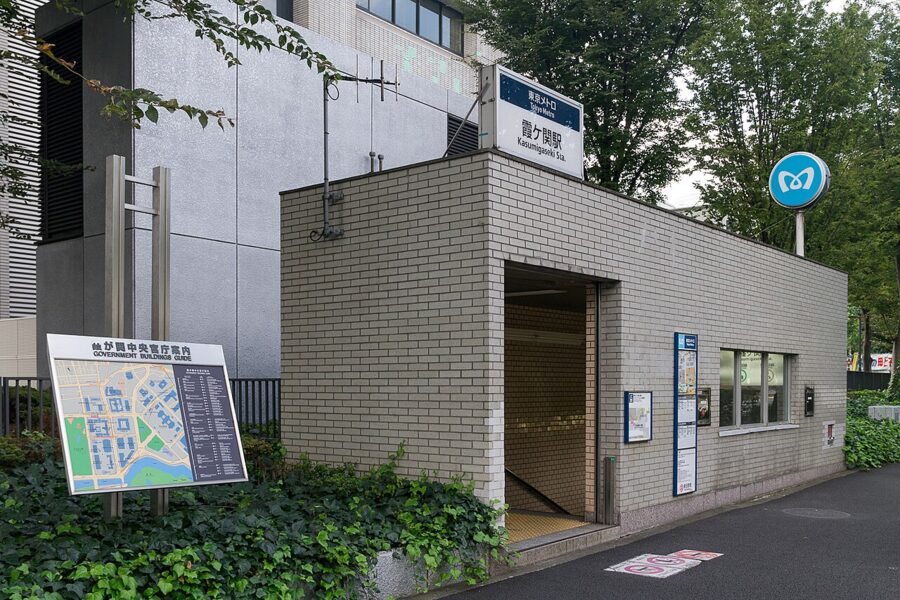
Two months later, at about 8 a.m. on 20 March 1995, members of the religious group Aum Shinrikyo pierced bags of liquid sarin on five rush-hour trains on the Chiyoda, Marunouchi and Hibiya lines, all bound for Kasumigaseki, beneath the ministries. Fourteen people died and more than 6,000 were hurt, among the dead two station staff who carried leaking packages off the trains. Aum’s founder, Shoko Asahara, and twelve followers were hanged in July 2018, and the cult’s successor groups remain under state surveillance.
For the day itself I would still start with Haruki Murakami’s Underground (1997), built from interviews with the people on those trains. There is no museum. Every 20 March, station staff and families lay flowers at Kasumigaseki at the hour the trains came in.

2011: the earthquake and Fukushima
At 14:46 on 11 March 2011 the Tohoku earthquake, magnitude 9.0, raised a tsunami that ran inland along hundreds of kilometres of coast. The National Police Agency’s count as of March 2026 is 15,901 dead and 2,519 still missing, and thousands more died later from the strain of evacuation.
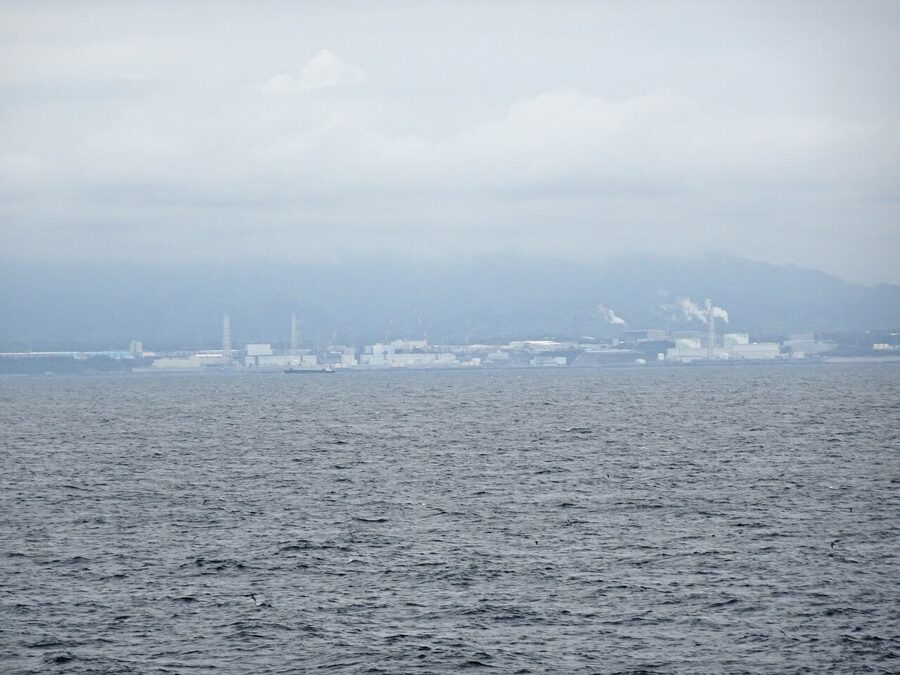
The tsunami also cut the power and cooling at the Fukushima Daiichi nuclear power plant, and three reactors melted down; at the peak more than 160,000 people from Fukushima Prefecture were evacuees. The release of treated water into the sea began on 24 August 2023, over the objections of fishing co-operatives and of China, and the first sample of melted fuel, under a gram, came out only in November 2024.

The health argument is the sharpest. The Fukushima Health Management Survey has found far more thyroid cancers in children than anyone expected; UNSCEAR concluded in its 2020/2021 report that the rise most likely came from screening a whole population with sensitive ultrasound, not from radiation, while the epidemiologist Toshihide Tsuda argues the excess is real and linked to exposure.
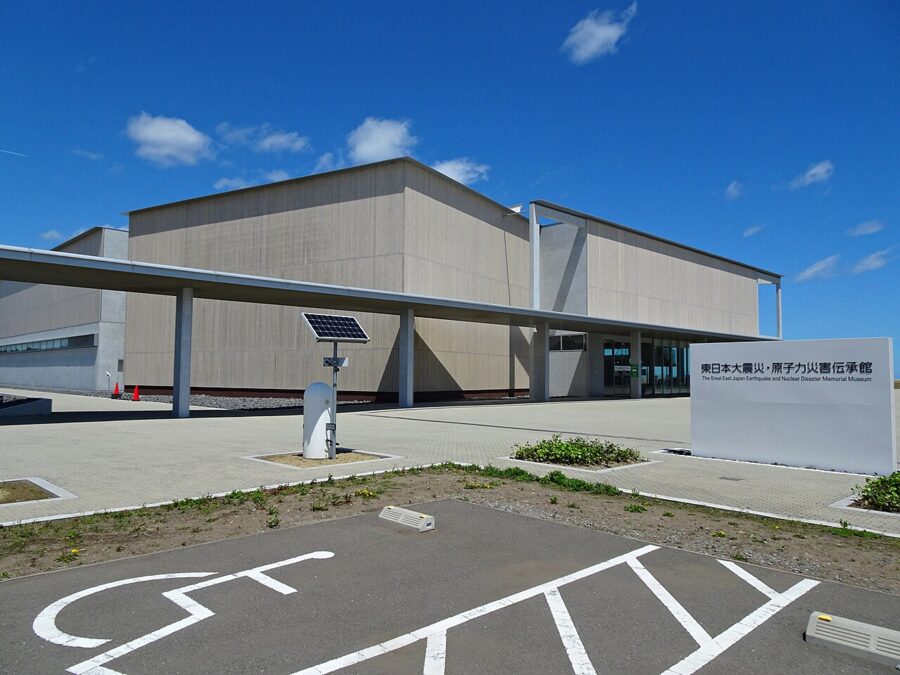
The Great East Japan Earthquake and Nuclear Disaster Memorial Museum (東日本大震災・原子力災害伝承館) opened in 2020 in Futaba, one of the two towns that host the plant. As of November 2026 it opens 9:00 to 17:00 (last entry 16:30), closes on Tuesdays, and charges adults ¥600 (about $3.80). It is about 2 km from Futaba Station on the JR Joban Line, five minutes by shuttle bus.

The security laws, and the defence argument now
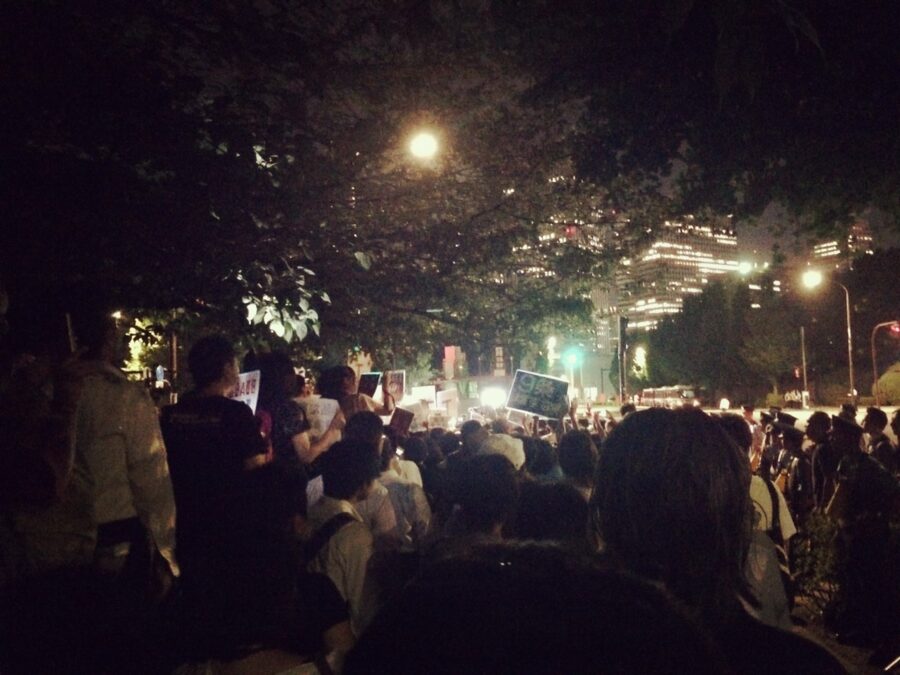
On 1 July 2014 Shinzo Abe’s cabinet reinterpreted Article 9 to allow collective self-defence, using force to defend an ally when Japan’s own survival is threatened. The laws passed the House of Councillors in the early hours of 19 September 2015, after a summer of protests outside the Diet and after three constitutional scholars, one invited by the LDP itself, had called the bills unconstitutional. The government’s answer was that the security environment had changed and that the new powers came with strict conditions: a sonritsu kiki jitai (存立危機事態), a “survival-threatening situation”, and no other way out.

The money followed the law. In December 2022 Fumio Kishida’s government committed ¥43 trillion (about $270 billion) over five years, a capacity to strike missile bases on enemy territory and a target of 2% of GDP by fiscal 2027; the Takaichi government reached it in fiscal 2025. In November 2025 Takaichi told the Diet that a Chinese attempt to take Taiwan by force could amount to a survival-threatening situation, and relations with Beijing went cold.
The argument now is over the next step. The LDP and its coalition partner, the Japan Innovation Party (Ishin), opened talks on 10 November 2026 on revising the three security documents again, with a revision expected in mid-December. On the table are a new spending target, wider arms exports, nuclear-powered submarines and a review of the non-nuclear principle that bars bringing nuclear weapons into Japan. Supporters ask whether Japan can still be defended the old way; critics in the CDP and the Japanese Communist Party say each step is being taken by cabinet decision, without the open debate in the Diet that a change this large deserves.

Where to go, and when
| Date | What | Where | Getting there |
|---|---|---|---|
| 17 January, 5:46 | Kobe earthquake | Higashi Yuenchi; Hito to Bōsai Mirai Center | Sannomiya; Hanshin Iwaya Station |
| 11 March, 14:46 | Tohoku and Fukushima | Memorial Museum, Futaba | Futaba Station, then shuttle bus |
| 20 March | Sarin attack | Kasumigaseki Station | Hibiya, Marunouchi, Chiyoda lines |
| 3 May | The constitution | National Diet Building | Kokkai-gijido-mae Station |
| 23 June | Battle of Okinawa | Peace Memorial Park, Itoman | About an hour by car from Naha |
| 6 August, 8:15 | Hiroshima | Peace Memorial Park and Museum | Tram to Genbaku Dome-mae |
| 9 August, 11:02 | Nagasaki | Peace Park; Atomic Bomb Museum | Tram to Matsuyama-machi |
| 15 August, noon | End of the war | Budokan; Yasukuni; Chidorigafuchi | Kudanshita Station |
Next summer the papers will print sengo 82-nen. The bell in Hiroshima will ring at 8:15, the Budokan will fall silent at noon, and whoever is prime minister will be asked, again, about Kudan.