
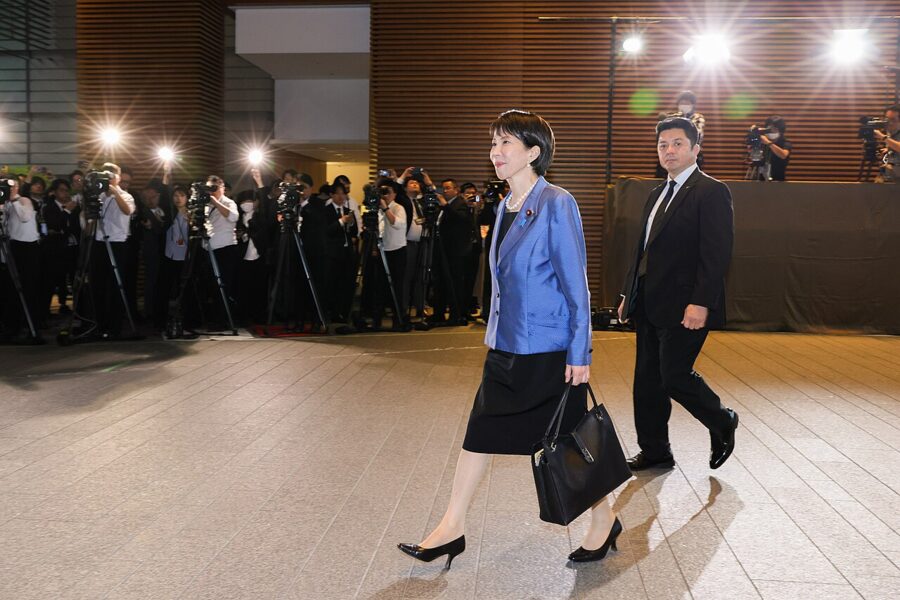

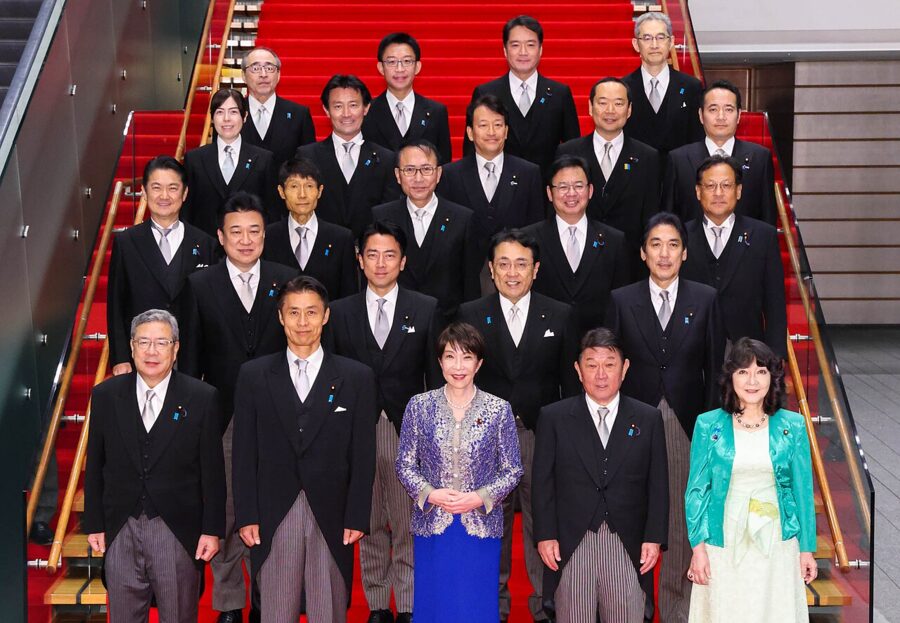
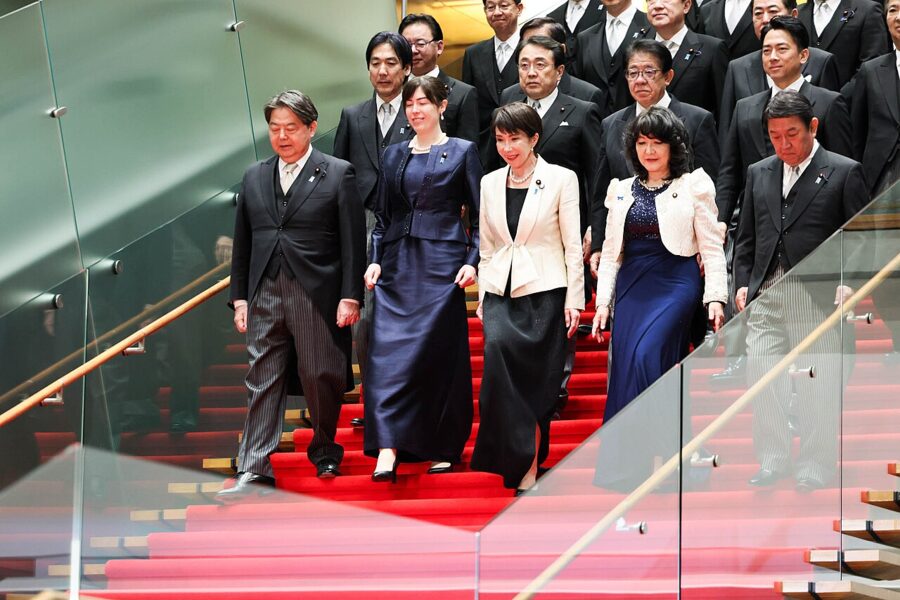
On 21 October 2025 the House of Representatives counted its ballots for prime minister and found 237 for Sanae Takaichi (高市早苗), enough to spare her a runoff. The House of Councillors chose her too. Before the day was out she had been appointed at the Imperial Palace, walked into the Kantei past a wall of photographers and led her ministers down a red-carpeted staircase for the cabinet photograph.
That made her the 104th prime minister of Japan. Four months later she became the 105th, and nobody else held the job in between. The official count, kept by the Prime Minister’s Office in its list of past cabinets, adds a number every time the Diet names a prime minister, and the Diet names one again after every general election. Shinzo Abe (安倍晋三) is the 90th, 96th, 97th and 98th.

The full title is naikaku sōri daijin (内閣総理大臣), “minister presiding over the cabinet”. Officials and the prime minister’s own staff say sōri (総理); newspapers prefer shushō (首相), which fits a headline. Either way the holder is chosen by parliament on paper and by one party in practice, the oldest habit in Japanese politics, and rarely keeps the job for long.
In this article
What the constitution says
The procedure takes three short articles of the 1947 constitution. Article 67 is the heart of it, and the official English text reads:
The Prime Minister shall be designated from among the members of the Diet by a resolution of the Diet. This designation shall precede all other business. If the House of Representatives and the House of Councillors disagree and if no agreement can be reached even through a joint committee of both Houses, provided for by law, or the House of Councillors fails to make designation within ten (10) days, exclusive of the period of recess, after the House of Representatives has made designation, the decision of the House of Representatives shall be the decision of the Diet.
Three things follow from the constitution. The prime minister must sit in the Diet, and under Article 66 must be a civilian. Every member of the cabinet resigns together after a general election (Article 70), so the vote happens at the first sitting of each new lower house. And the lower house always wins.
The vote in the Diet
Japanese calls it shuhan shimei (首班指名), “naming the head of the government”. Each house votes by signed ballot; a member with a majority of valid votes is chosen, and if nobody has one the top two go to a runoff. That last step had not been needed in the lower house for thirty years until 11 November 2024, when Shigeru Ishiba (石破茂), whose coalition had just lost its majority, beat Yoshihiko Noda (野田佳彦) in a second round because the opposition parties could not agree on a single name.

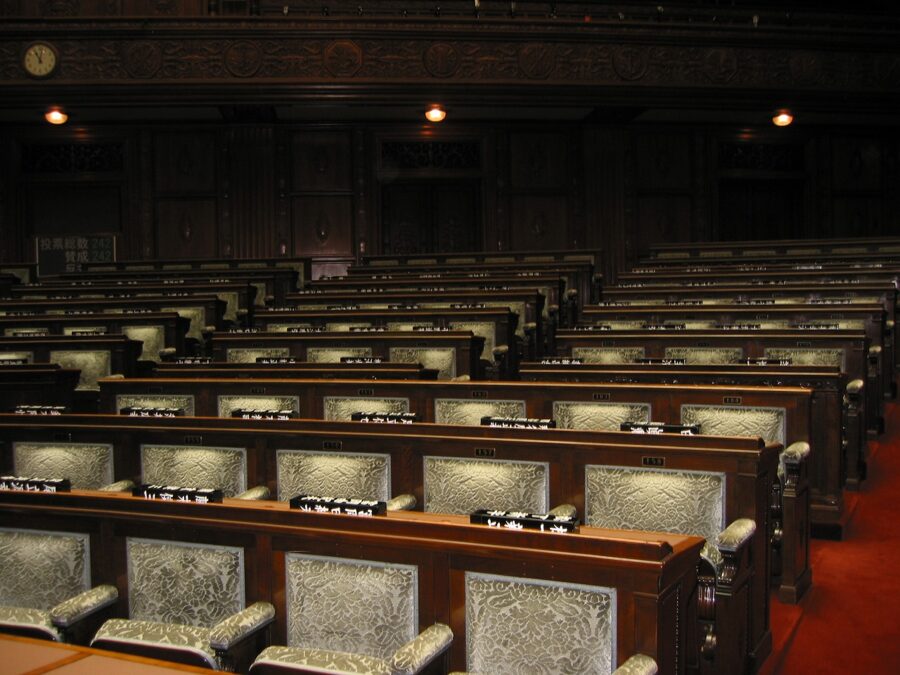

The two houses have disagreed five times, most recently in 2007 and 2008, when the opposition controlled the upper house and named its own leader, Ichiro Ozawa, against Yasuo Fukuda and then Taro Aso. A joint committee met each time, failed, and the lower house’s choice became the Diet’s. No member of the House of Councillors has ever been named.
The emperor’s part
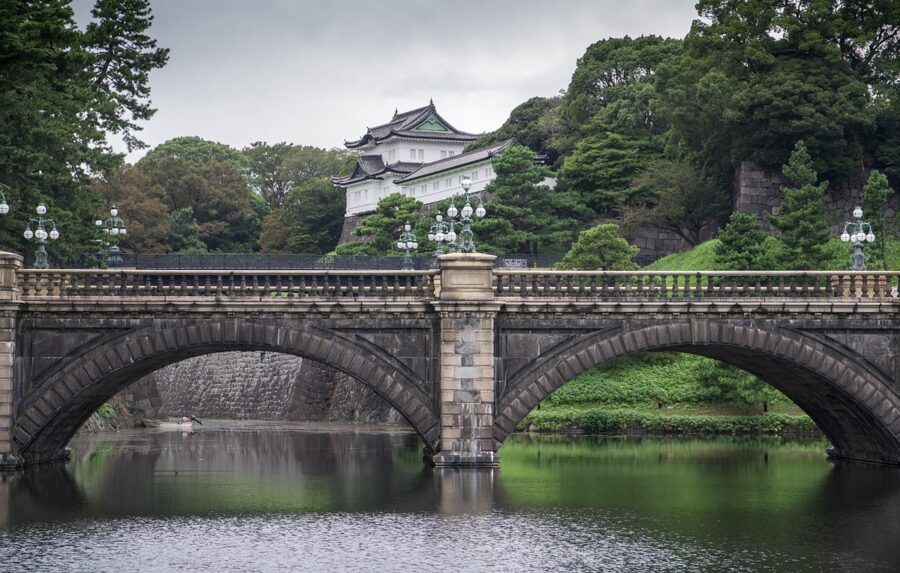
Article 6 says the emperor “shall appoint the Prime Minister as designated by the Diet”. There is no discretion in it. The appointment is a ceremony, the shinninshiki (親任式), held at the Imperial Palace the same day, after which the new ministers are attested in a second ceremony and the government formally exists.
How the job is really won
Since the Liberal Democratic Party (LDP) was founded in November 1955 it has been out of government for fewer than five of those seventy years. The leader of the LDP is therefore, nearly always, the prime minister, and Japanese has a single word for the person who holds both jobs: sōri-sōsai (総理総裁), “prime minister and party president”. The party contest is the election that matters.
Sori-sosai: the party vote first
Any LDP member of the Diet with twenty colleagues as nominators can stand. In the first round Diet members cast one vote each, and party members’ ballots are converted into the same number of votes again. If nobody wins a majority, the top two face a runoff in which the Diet members vote again and each of the 47 prefectural branches casts a single vote.
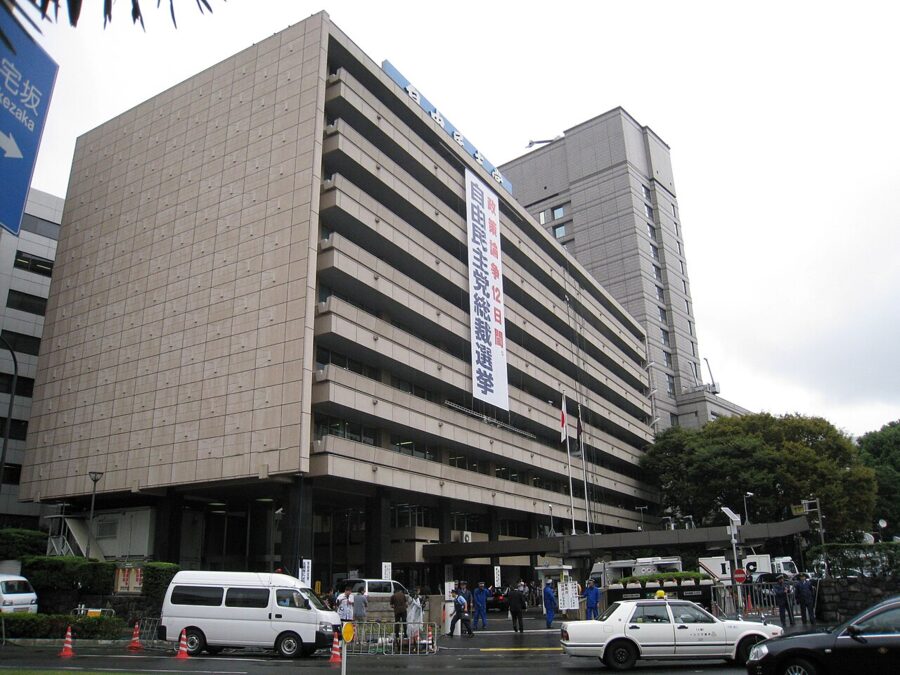
The runoff is where Diet members take back control. In September 2024 Takaichi won the first round and the larger share of members’ ballots, then lost the runoff to Ishiba by 215 votes to 194. A year later she came first in both rounds and beat Shinjiro Koizumi by 185 to 156.
For most of the LDP’s history the votes that counted were held by its habatsu (派閥), the factions. Kakuei Tanaka, forced out by a money scandal in 1974, kept enough members to help install three successors. In April 2000, after Keizo Obuchi’s stroke, five party grandees agreed on Yoshiro Mori behind closed doors. After the slush-fund scandal of 2023, all but one faction announced it was dissolving; the money that sustained them, and the hereditary politics behind so many leaders, is a story of its own.

When the LDP is not enough
The exceptions are short. Morihiro Hosokawa led an eight-party coalition from August 1993; in 1994 the LDP returned to power by voting for the Socialist leader Tomiichi Murayama. The Democratic Party of Japan (DPJ) won the 2009 election outright and produced three prime ministers in three years. Otherwise the LDP has governed alone or with a junior partner: Komeito for twenty-six years, until it walked out on 10 October 2025, and since 20 October 2025 the Japan Innovation Party (Nippon Ishin no Kai).
Powers, and where they run out
On paper the office is strong. The prime minister appoints and dismisses ministers at will (Article 68), represents the cabinet before the Diet and directs the ministries (Article 72), and commands the Japan Self-Defense Forces (SDF). The cabinet advises the emperor to dissolve the House of Representatives, which in practice means the prime minister picks the date of the next election, a weapon the press calls the denka no hōtō (伝家の宝刀), the family’s treasured sword.
Some powers are ceremonial. The People’s Honour Award, created by Takeo Fukuda in 1977, is the prime minister’s to give, and most of its recipients have come from sport and the entertainment industry.
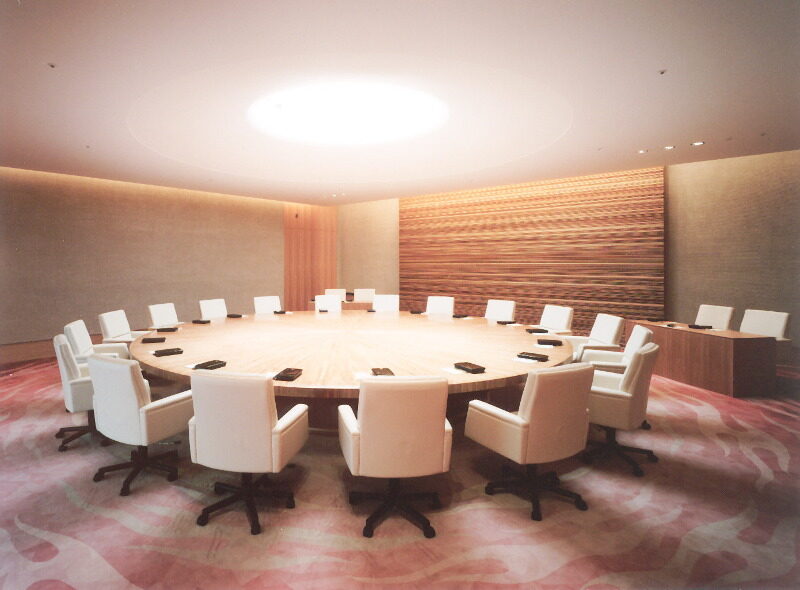

Since 2014 the Kantei has also controlled appointments to about 600 senior civil-service posts, the core of what Japanese calls kantei shudō (官邸主導), “Kantei-led” government. Supporters say it lets elected politicians, rather than the ministries, set policy. Critics such as the former trade official Shigeaki Koga argued that the same power was used to keep officials and broadcasters in line.
The limits are real, though. Ordinary bills need the House of Councillors as well, unless the lower house can override it with a two-thirds majority, and twice between 2007 and 2013 a “twisted Diet”, nejire kokkai (ねじれ国会), let an opposition-run upper house block government bills and nominees. LDP bills also clear the party’s own policy and general councils before the cabinet sees them. A coalition partner can walk out, and a scandal can take a minister before the prime minister decides anything, as Akira Amari’s resignation over cash payments in January 2016 showed.

A job that rarely lasts
Thirty-six people held the office between August 1945 and October 2025, roughly two and a quarter years each. The average flatters most of them. From 1989 to 2025 nineteen people held it; leave out Koizumi and Abe and the other seventeen managed about sixteen months apiece.
The calendar works against them. The LDP presidency runs for three years, the House of Councillors elects half its members every three years on a date the prime minister cannot choose, and a defeat there has ended four premierships: Sosuke Uno in 1989, Ryutaro Hashimoto in 1998, Abe in 2007 and Ishiba in 2025. Add a press that counts the cabinet’s approval rating every month and a party that changes leaders to save seats, and the turnover follows.
Abe resigned once after a year and once after nearly eight, both times citing the same illness.
Six prime ministers in six years
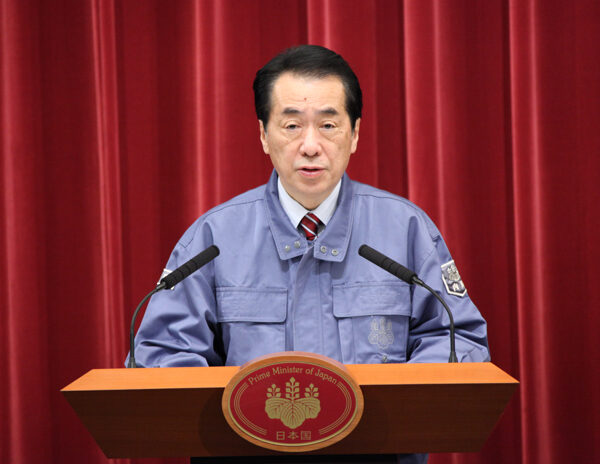
The worst run came between September 2006 and December 2012. Abe, Yasuo Fukuda and Taro Aso for the LDP, then Yukio Hatoyama, Naoto Kan and Noda for the DPJ, each lasted about a year. Kan’s government handled the Tohoku earthquake and the Fukushima nuclear accident, and he was out within six months of them.

Abe’s record, and the argument over it
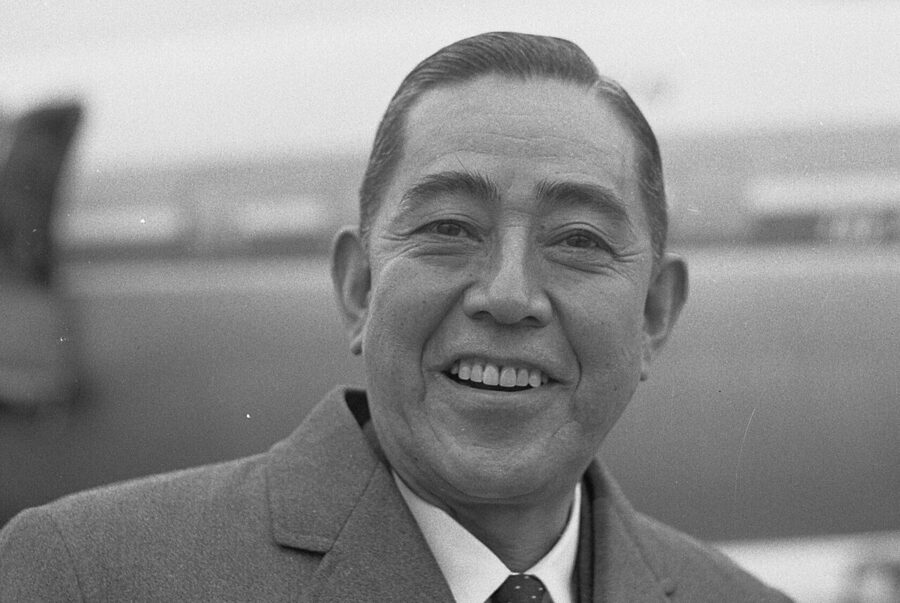
Abe holds both records in the Kantei’s count: 3,188 days in all and 2,822 in a row, from December 2012 to September 2020. His supporters point to the economic programme called Abenomics, the 2015 security laws that let the SDF take on new missions abroad, and seven years of stable government. His critics point to the same security laws, which many constitutional scholars called unconstitutional, to his views on Japan’s wartime record, and to scandals over a land sale to a school operator, a veterinary school and a publicly funded cherry-blossom party.
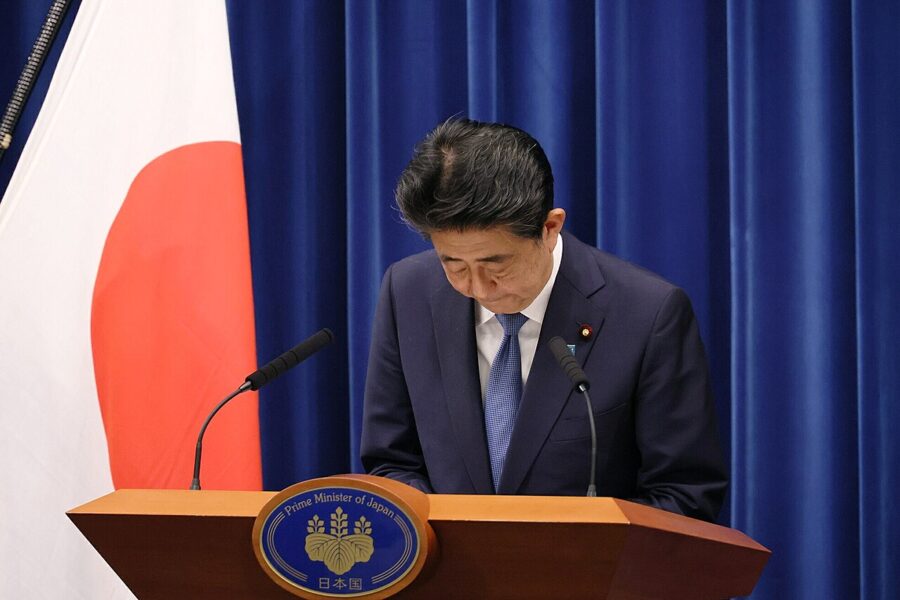

Abe resigned once after a year and once after nearly eight, both times citing the same illness. The state funeral held for him in September 2022 divided opinion as sharply as his government had.
Sanae Takaichi, as of November 2026
Takaichi was born in 1961 in Nara Prefecture, won a lower-house seat as an independent in 1993 and joined the LDP in 1996. She served Abe as internal affairs minister and Fumio Kishida as economic security minister. She is the first woman to lead the LDP and the first to be prime minister.
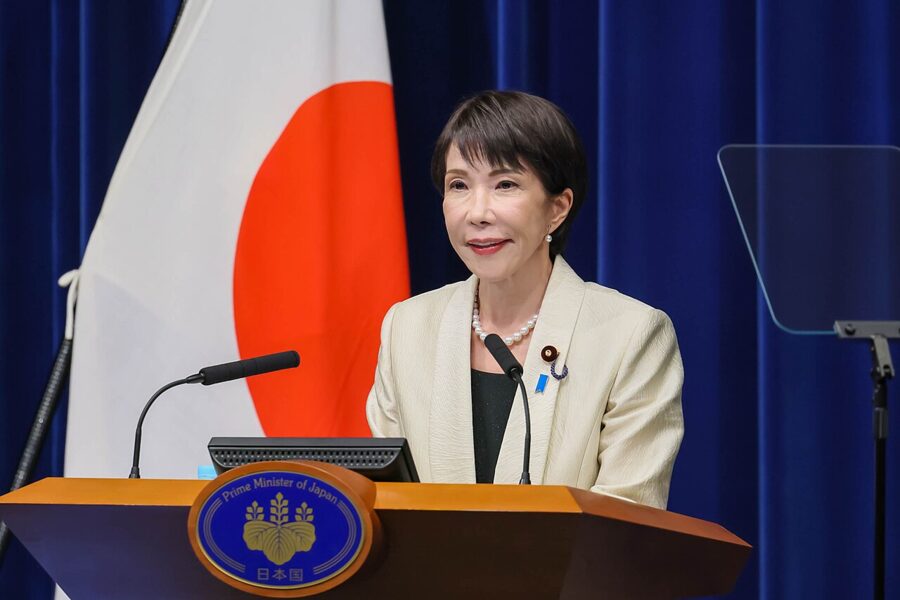

Her first weeks set the pattern. Komeito left the coalition before she could be elected, citing her leadership and the party’s handling of the slush-fund scandal, and she closed a deal with the Japan Innovation Party in ten days. On 7 November 2025 she told a Diet committee that a Chinese attack on Taiwan could amount to a “survival-threatening situation” for Japan, the legal trigger for collective self-defence, and relations with Beijing have been strained since.
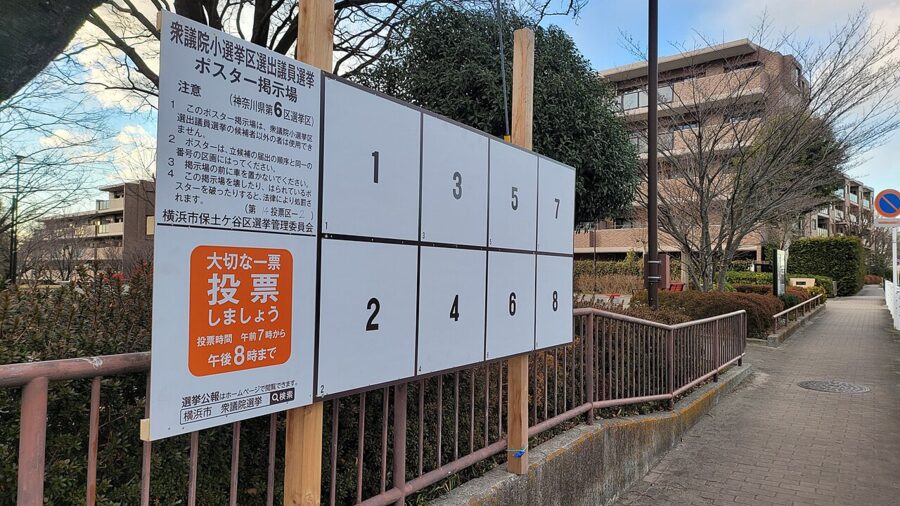
She dissolved the lower house on 23 January 2026. In the election of 8 February the LDP won 316 of 465 seats, the first time since the war that one party has held two-thirds of the chamber on its own, and enough to override the upper house on ordinary bills. As of November 2026 she governs with the Japan Innovation Party, in the reshuffled cabinet of 17 September 2026.

Is she conservative? By her own description, yes.
She argues for “responsible and proactive” public spending, a stronger military, revising Article 9 of the constitution and keeping the throne male, and she opposes letting married couples keep separate surnames. Critics in Japan and abroad call her ultraconservative and revisionist on the war, and point to her regular visits to Yasukuni Shrine before she took office. She is married to Taku Yamamoto, a former LDP member of the lower house; they married in 2004, divorced in 2017 and remarried in 2021, when he took her surname.
Every postwar prime minister
From the Kantei’s list. Days are the Kantei’s own count; Yoshida and Abe appear twice because their terms were split. Party means the party each led on taking office.
| Prime minister | Party | In office | Days |
|---|---|---|---|
| Prince Naruhiko Higashikuni 東久邇宮稔彦王 | None | 1945 | 54 |
| Kijuro Shidehara 幣原喜重郎 | None | 1945–46 | 226 |
| Shigeru Yoshida 吉田茂 | Liberal | 1946–47 | 368 |
| Tetsu Katayama 片山哲 | Socialist | 1947–48 | 292 |
| Hitoshi Ashida 芦田均 | Democratic | 1948 | 220 |
| Shigeru Yoshida 吉田茂 | Democratic Liberal, then Liberal | 1948–54 | 2,248 |
| Ichiro Hatoyama 鳩山一郎 | Japan Democratic, then LDP | 1954–56 | 745 |
| Tanzan Ishibashi 石橋湛山 | LDP | 1956–57 | 65 |
| Nobusuke Kishi 岸信介 | LDP | 1957–60 | 1,241 |
| Hayato Ikeda 池田勇人 | LDP | 1960–64 | 1,575 |
| Eisaku Sato 佐藤栄作 | LDP | 1964–72 | 2,798 |
| Kakuei Tanaka 田中角栄 | LDP | 1972–74 | 886 |
| Takeo Miki 三木武夫 | LDP | 1974–76 | 747 |
| Takeo Fukuda 福田赳夫 | LDP | 1976–78 | 714 |
| Masayoshi Ohira 大平正芳 | LDP | 1978–80 | 554 |
| Zenko Suzuki 鈴木善幸 | LDP | 1980–82 | 864 |
| Yasuhiro Nakasone 中曽根康弘 | LDP | 1982–87 | 1,806 |
| Noboru Takeshita 竹下登 | LDP | 1987–89 | 576 |
| Sosuke Uno 宇野宗佑 | LDP | 1989 | 69 |
| Toshiki Kaifu 海部俊樹 | LDP | 1989–91 | 818 |
| Kiichi Miyazawa 宮澤喜一 | LDP | 1991–93 | 644 |
| Morihiro Hosokawa 細川護熙 | Japan New Party | 1993–94 | 263 |
| Tsutomu Hata 羽田孜 | Japan Renewal Party | 1994 | 64 |
| Tomiichi Murayama 村山富市 | Socialist | 1994–96 | 561 |
| Ryutaro Hashimoto 橋本龍太郎 | LDP | 1996–98 | 932 |
| Keizo Obuchi 小渕恵三 | LDP | 1998–2000 | 616 |
| Yoshiro Mori 森喜朗 | LDP | 2000–01 | 387 |
| Junichiro Koizumi 小泉純一郎 | LDP | 2001–06 | 1,980 |
| Shinzo Abe 安倍晋三 | LDP | 2006–07 | 366 |
| Yasuo Fukuda 福田康夫 | LDP | 2007–08 | 365 |
| Taro Aso 麻生太郎 | LDP | 2008–09 | 358 |
| Yukio Hatoyama 鳩山由紀夫 | DPJ | 2009–10 | 266 |
| Naoto Kan 菅直人 | DPJ | 2010–11 | 452 |
| Yoshihiko Noda 野田佳彦 | DPJ | 2011–12 | 482 |
| Shinzo Abe 安倍晋三 | LDP | 2012–20 | 2,822 |
| Yoshihide Suga 菅義偉 | LDP | 2020–21 | 384 |
| Fumio Kishida 岸田文雄 | LDP | 2021–24 | 1,094 |
| Shigeru Ishiba 石破茂 | LDP | 2024–25 | 386 |
| Sanae Takaichi 高市早苗 | LDP | 2025– | In office |
Two buildings in Nagatacho
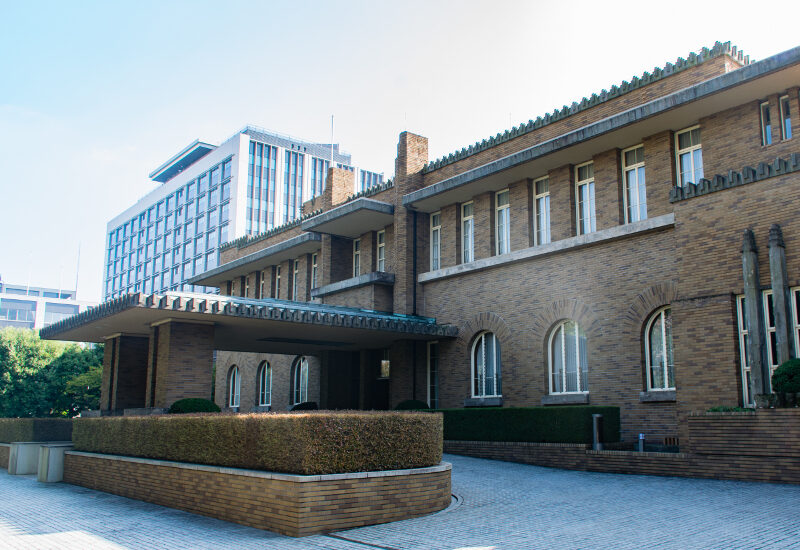
The word Kantei (官邸) means only “official residence”, and for most of the last century the prime minister worked in a different building from the one he slept in, or slept at home. The office opened in March 1929, a brown-brick building in the style people called “Wright-like” after Frank Lloyd Wright’s Imperial Hotel, though a Finance Ministry architect designed it. A small Japanese-style residence stood beside it, joined by a corridor.
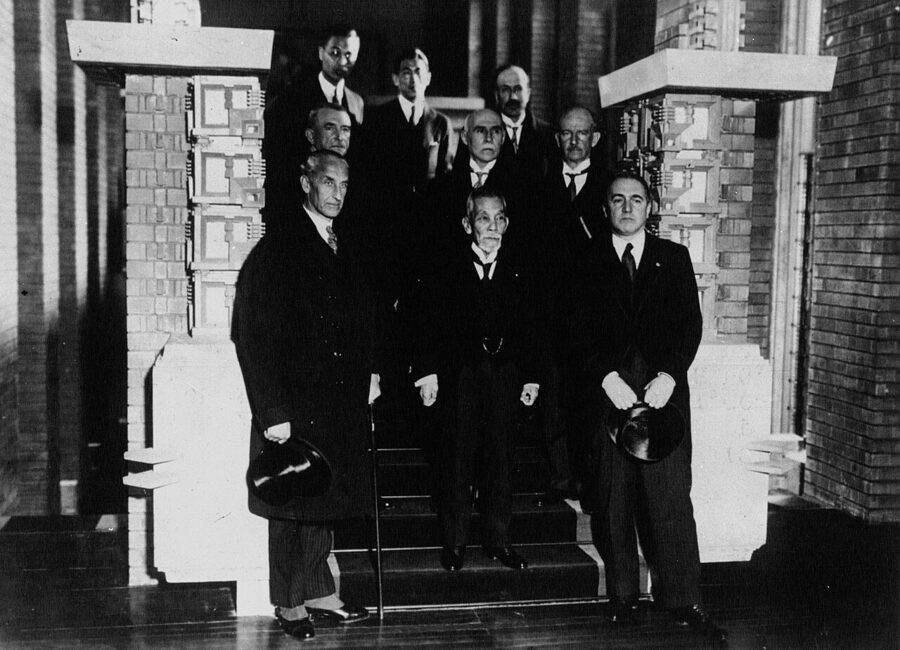
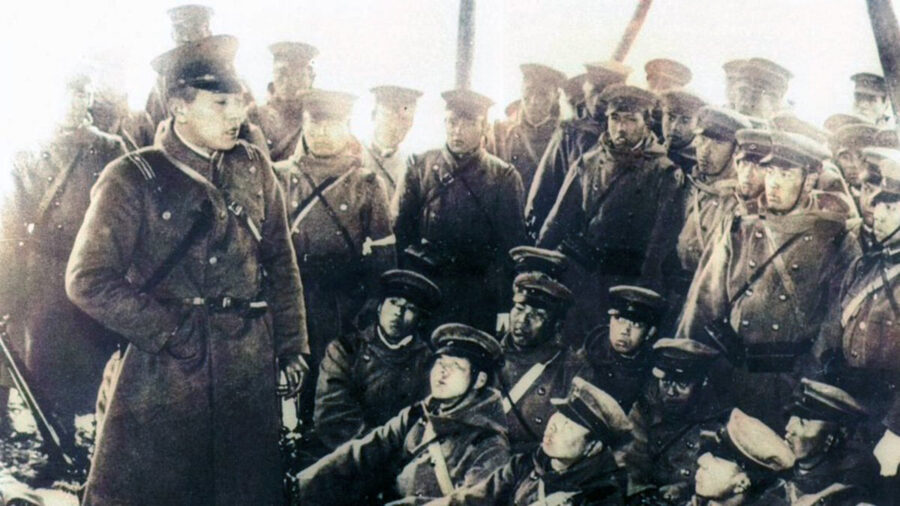
The building’s history is violent. Inukai was killed there in 1932. On 26 February 1936 rebel soldiers stormed it looking for Keisuke Okada, who survived by hiding; they killed his brother-in-law and secretary, Denzo Matsuo, instead. The residence was so badly damaged that it became offices, and a wooden house was built in the garden for later prime ministers.
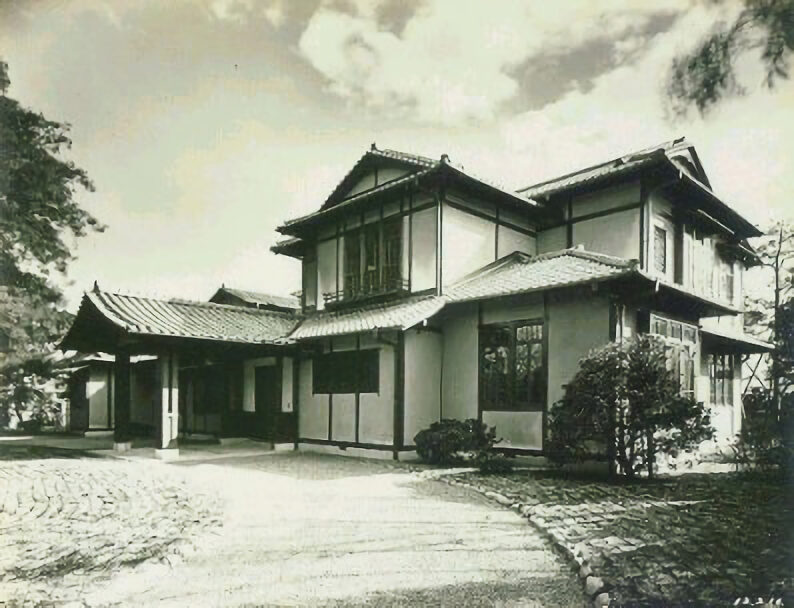
The current Kantei opened in April 2002. The old one was then jacked up, turned and rolled about fifty metres south in 2003, a building weighing some 20,000 tonnes, and restored as the Kotei (公邸, kōtei, “official residence”), joined to the new office by a covered walkway. Koizumi moved in on 26 April 2005.

Ghosts, and a cabinet decision about them
Nagatacho has long whispered that soldiers in uniform haunt the residence, and its occupants get asked about it. Yoshiro Mori described waking to a doorknob rattling and footsteps fading down the carpeted corridor; Taro Aso said he once sat up on his bed and introduced himself to whatever was making the noise. Abe lived there in his first term and not in his second, and in May 2013 an opposition member asked in writing whether ghosts were the reason.
The cabinet formally adopted its answer: it was “not aware” of any ghosts. Abe’s chief cabinet secretary, Yoshihide Suga, admitted at a press conference that month that the rumours came up even among ministers. Kishida moved in in December 2021, the first prime minister to do so since Noda.
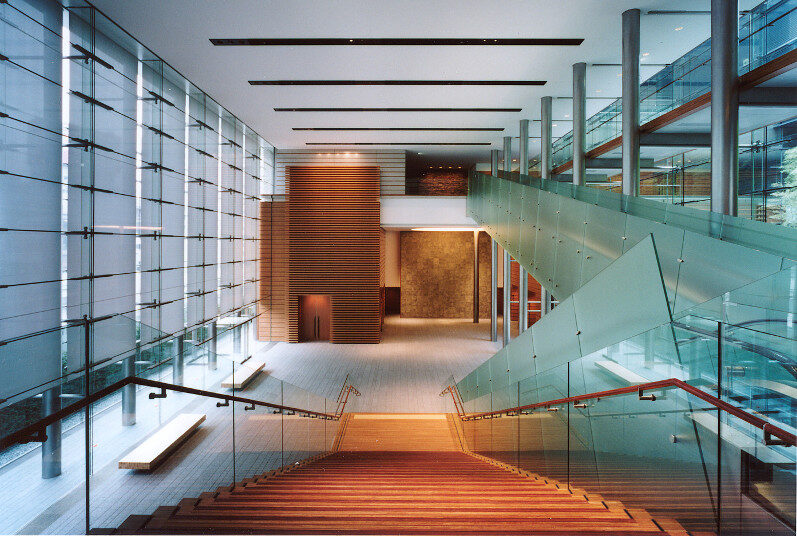

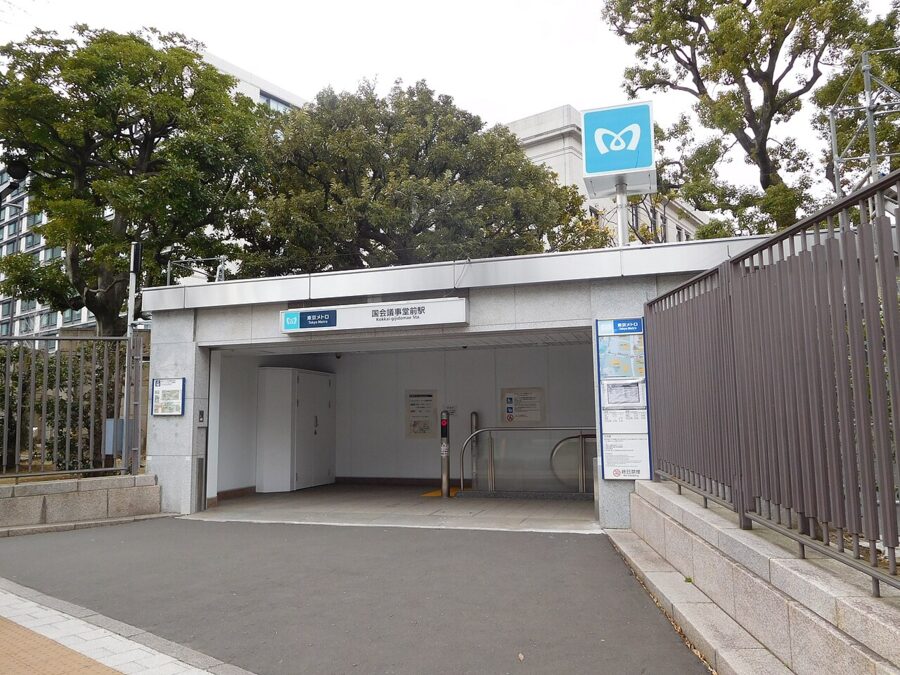
Seeing the Kantei from outside
The Kantei does not run public tours the way the Diet does, so the view is from the pavement. Take the Marunouchi or Chiyoda line to Kokkai-gijidomae Station and come up at Exit 1, which opens at the crossing the street signs call Sori Kantei-mae (総理官邸前), “in front of the Prime Minister’s Office”.

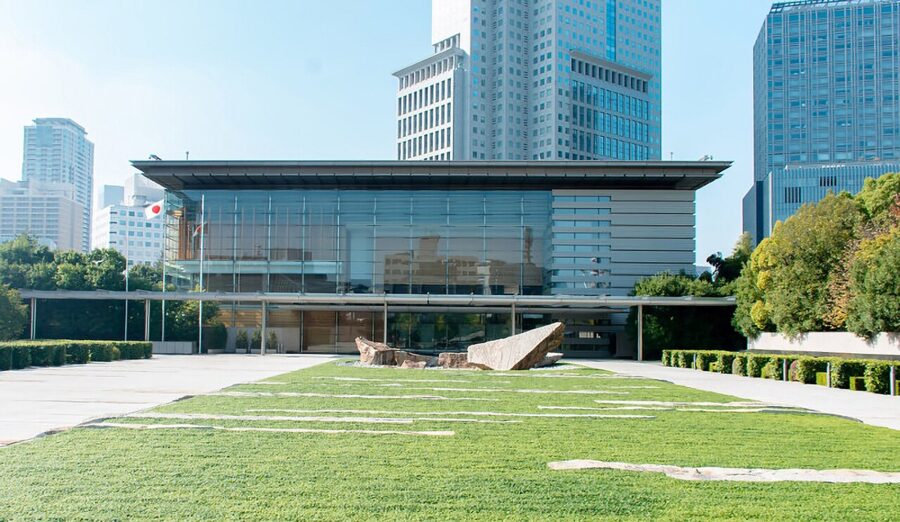
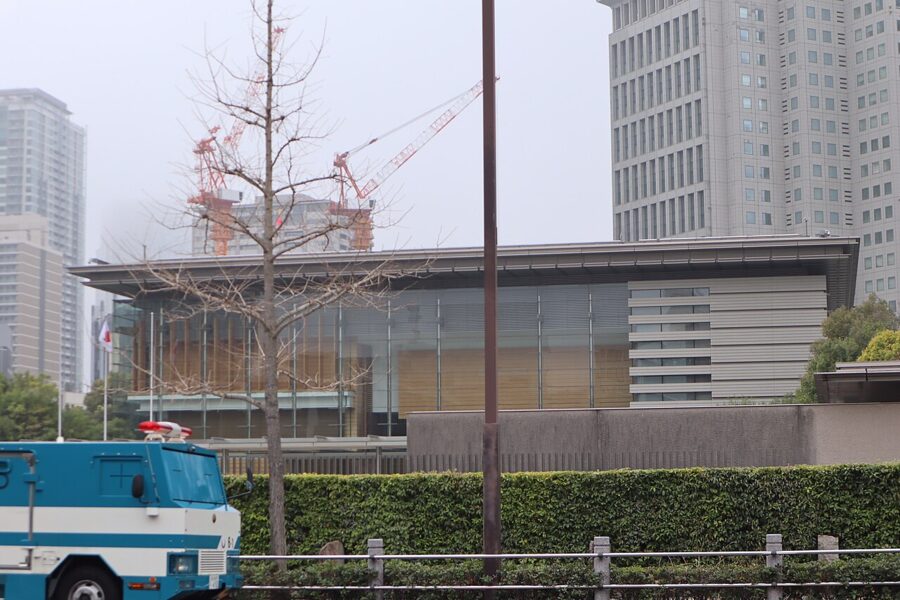
What you see is a low building of glass and stone behind a hedge and a high fence, with police on the gates. The Kantei is a designated site under the law banning drones over key facilities, so leave one in your bag.

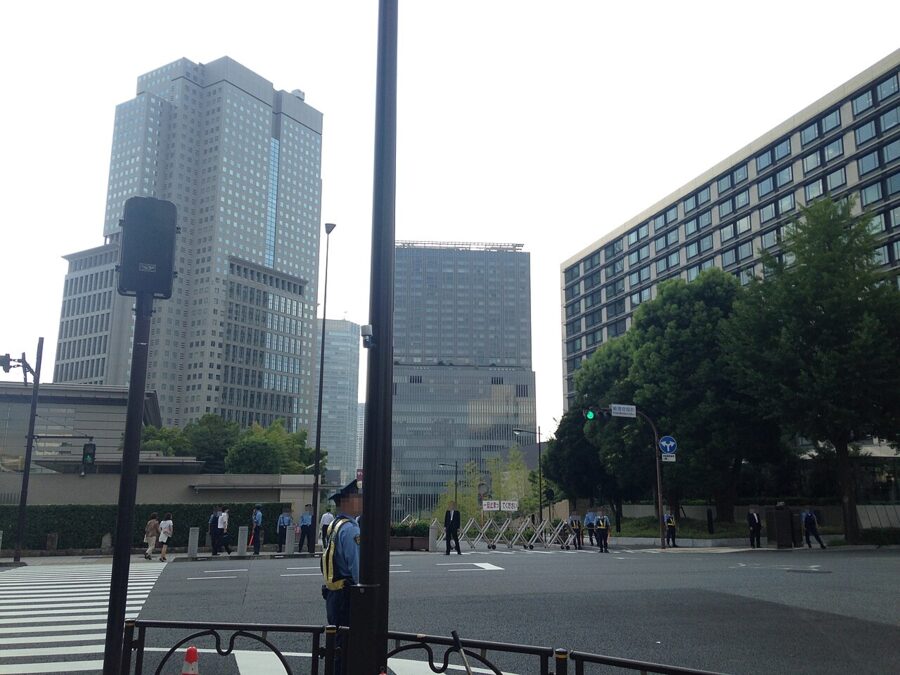

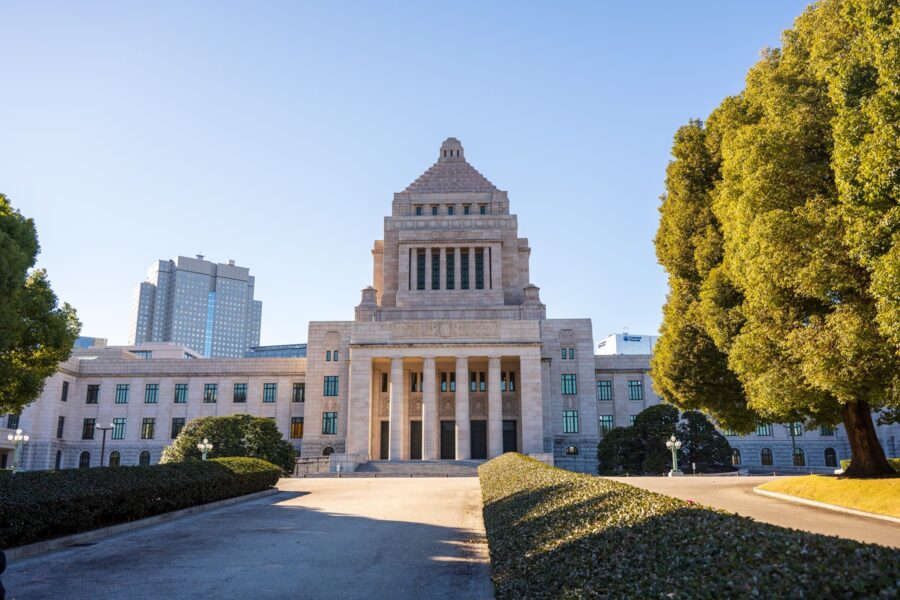
The Diet is where you can go inside, and both houses take visitors free of charge (as of November 2026). The House of Councillors admits individuals on weekdays from 8am to 5pm without booking, for a tour of about an hour; the reception desk, beside its annex, closes at 4pm, and no visitors go in from an hour before a plenary sitting until it ends. The House of Representatives runs a tour in English on weekday afternoons, booked by email at least 24 hours ahead, for up to 30 people a day; bring your passport.
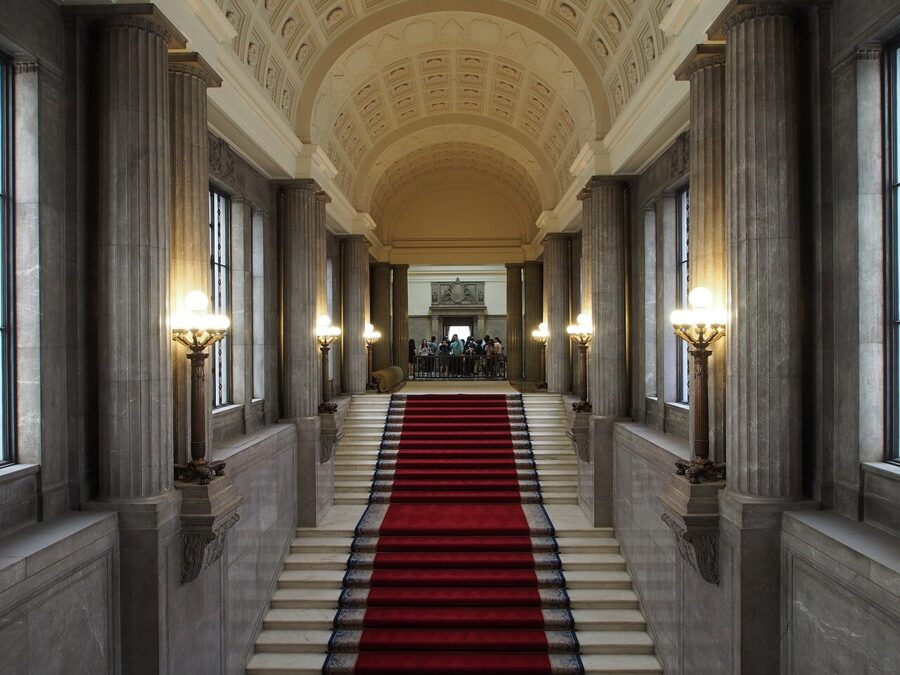

Walk back past the crossing afterwards. The Kantei’s list ends, for now, at number 105, and the next general election will add a 106th. If Takaichi leads the LDP to another win, the name beside that number will be hers again.