
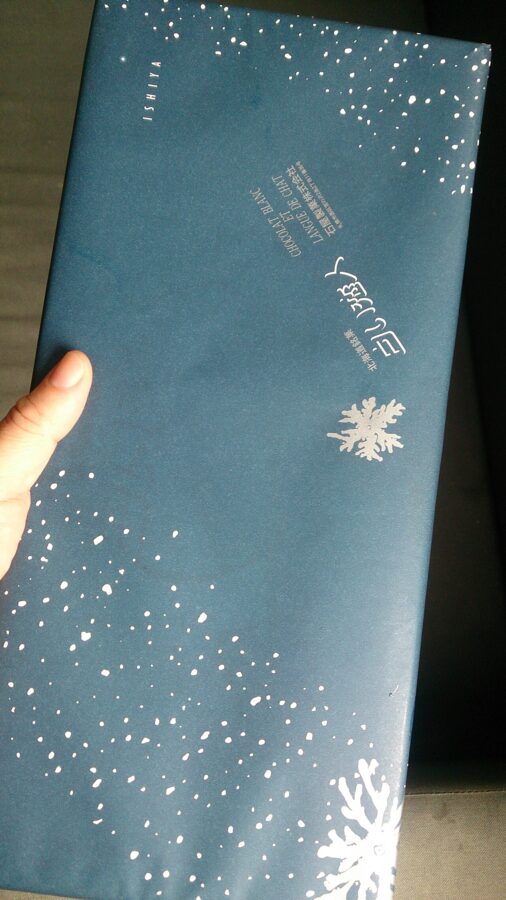

On a Monday morning in a Tokyo office, a box of individually wrapped biscuits sits by the kettle with a sticky note on the lid: o-yasumi wo itadakimashita (お休みをいただきました), “I was granted some days off.” Whoever left it flew back from Hokkaido on Sunday night, bought the box at the airport and counted the desks before choosing the size. Nobody will ask much about the trip. By lunchtime the box will be empty.
Three customs are sitting on that desk, and each one has a name. The box is omiyage (お土産), the souvenir owed to the people you left behind. The verb on the note, itadaku, is humble keigo: a holiday you were entitled to, described as a gift received from above. And the reason for the box at all is meiwaku (迷惑), the trouble your absence caused the colleagues who covered for you, repaid in biscuits.
The words are a better guide to Japanese customs than any list of rules, because they are what people in Japan actually reach for when they praise a colleague, grumble about a boss or explain to a child why the train is quiet. Most of them began life meaning something else entirely: a builders’ party, a gardening trick, a Buddhist sin, a punishment for samurai.
In this article
At work
Honne and tatemae
Honne (本音) is what you really think. Tatemae (建前) is the position you state. The pair turns up in every Japanese conversation about meetings, politics and polite refusals, and the second word has the better history: in the dictionaries tatemae is first a builders’ term for the day a house’s main frame goes up, and for the party held to celebrate it.

Honne began as the true sound of a musical instrument, and the first recorded use in its modern sense is in a 1902 story by Kunikida Doppo. Put the two together and you have the frame everyone can see and the note you only hear up close. The place most people meet them is a refusal: in a business reply, kentō shimasu (検討します, “we will look into it”) is very often the polite form of no, and nobody in the room is deceived.
The psychiatrist Takeo Doi (土居健郎) treated the pair in Omote to Ura (表と裏, 1985; in English The Anatomy of Self) as two faces of one relationship rather than truth and lies. I think that is right, and the language agrees: Japanese has had to coin slang for dropping the frame. In the Agency for Cultural Affairs’ survey of attitudes to the language, carried out between January and March 2026, 15.8% said they use shōjiki bēsu de (正直ベースで, literally “on a candour basis”) to mean “frankly, not for show”, and 46.7% said hearing it bothers them.
Nemawashi
Nemawashi (根回し) is a gardener’s word. A year or two before moving a large tree, you dig a trench around it, cut back the thick roots and fill it in again, so that fine new roots grow close to the trunk and the tree survives the move. Japanese gardeners have used the technique since at least the late Edo period, according to the Nipponica encyclopedia.
In an office it means going round the people who matter, one at a time and in private, before the meeting where a decision will be taken. By the time the meeting starts, its job is to record the result. The political scientist Hideo Otake, writing in the Heibonsha encyclopedia, describes it as a way of building agreement out of sight: quick and frank because the talks are private, and for the same reason hard to hold to account. Newcomers usually learn the word by raising an objection at a meeting whose outcome was settled the week before.
Its paper twin is the ringi (稟議), a proposal that travels from desk to desk collecting each manager’s seal. Done well, the two together mean that nobody is surprised and nobody loses face in public. Done badly, they mean that nobody can say who decided.
Hō-ren-sō
Hō-ren-sō (報連相) is three words cut down to their first syllables: hōkoku (report), renraku (keep people informed) and sōdan (consult). Said aloud, it is also the word for spinach, which was the whole point. Tomiji Yamazaki (山崎富治), president of Yamatane Securities, started a “spinach campaign” at his firm around 1982, and in 1986 published Hōrensō ga Kaisha wo Tsuyoku Suru (Spinach Makes a Company Strong), whose chapter titles call it the best nourishment an organisation can get.

New employees are still drilled in it, and it explains why a Japanese colleague may tell you a task is on schedule when you assumed silence meant the same thing. Its critics say it trains people to wait for permission. One reply has done the rounds in Japanese business writing, aimed at bosses rather than juniors: ohitashi, the dish of boiled spinach, standing for okoranai, hitei shinai, tasukeru, shiji suru: don’t get angry, don’t dismiss, help, and give clear instructions.
Sontaku
Sontaku (忖度) is guessing what the person above you wants and doing it without being asked. It is an old written word that spent most of its life in dictionaries. In March 2017 it was suddenly everywhere, after the head of the school operator Moritomo Gakuen, which had bought state land in Osaka at a deep discount, said nobody had pulled strings for him: officials had simply shown sontaku. Prime Minister Shinzo Abe, whose wife had been named honorary principal of the planned school, denied any part in the sale.
The word shared the 2017 buzzword prize with insuta-bae (“Instagrammable”), and it is now the standard term for an official who does what a minister would like before the minister has to say so. In an office it is less sinister, and more common: the report rewritten to suit the director’s known views, the awkward figure left out of the slides.
Keigo, and why the ladder matters
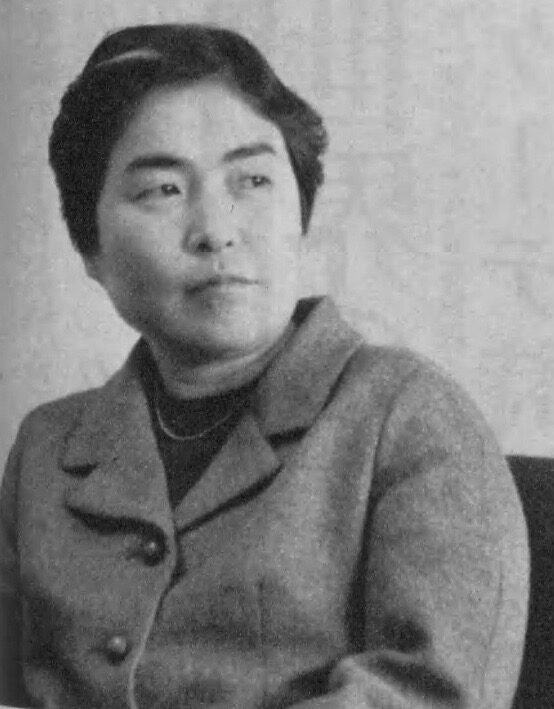
Why so much grading? The social anthropologist Chie Nakane (中根千枝) gave the best-known answer in Tate Shakai no Ningen Kankei (タテ社会の人間関係, 1967; in English Japanese Society, 1970). Japanese groups, she argued, are defined by the frame people share, the company or the school, rather than by what each of them does, and inside the frame everyone is ranked by who joined first.
All of this is spoken in keigo (敬語), the grammar of rank. Since a 2007 report by the Council for Cultural Affairs, schools and style guides divide it into five kinds: respectful forms for what others do, two kinds of humble form for what you do, the polite desu and masu endings, and “beautified” words such as o-cha for tea. The rule visitors find hardest is uchi and soto, inside and outside: talking to a client, you strip the honorifics from your own boss’s name.
The 2026 survey tested exactly that. Asked how a receptionist should refer to her own section chief when speaking to a visitor, 37.4% chose the bare surname, “Suzuki wa”, 35.8% “kachō no Suzuki wa” (“Suzuki, our section chief”), and only 3.6% “Suzuki-san”. A majority, 54.4%, want keigo kept as “traditional, beautiful Japanese” with its full range, against 32.7% who would rather it were simpler; people in their twenties and thirties lean towards simpler.
Guests, gifts and the home
Omotenashi
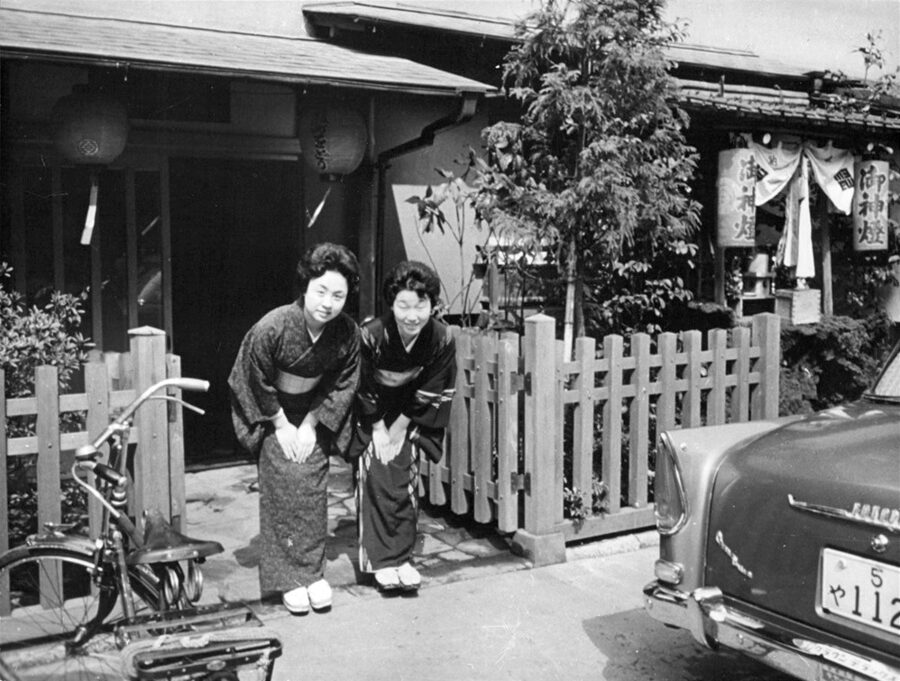
On 7 September 2013, in Buenos Aires, the broadcaster Christel Takigawa (滝川クリステル) told the International Olympic Committee that Tokyo would welcome the world with o-mo-te-na-shi, spelling it out a syllable at a time with a gesture for each. Tokyo won the vote, and the phrase shared that year’s buzzword prize. Omotenashi (おもてなし) is hospitality, but specifically the host’s half of it: seeing what a guest needs before the guest has to ask.


Shops and hotels like to explain the word as omote nashi, “no front”: hospitality with no hidden side. It is a pleasing story, and the dictionaries do not support it; they derive the word more plainly from motenasu, to treat or entertain, with the polite prefix o-. Inside Japan the word has also picked up a critical edge, used of unpaid extra effort that staff are expected to absorb as part of the service.

Omiyage, temiyage and the gift at the door
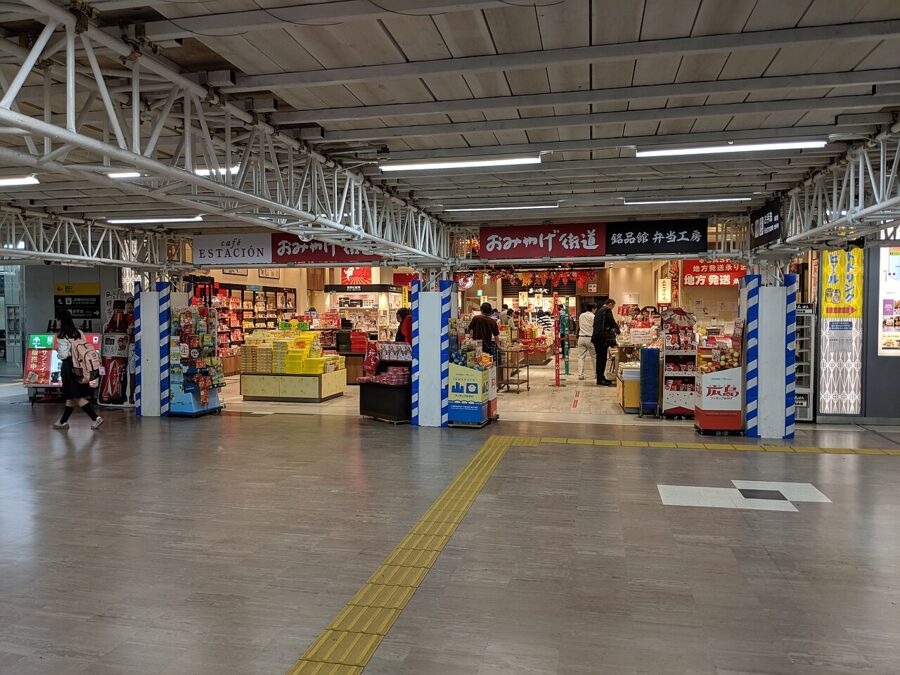
Omiyage is what you bring back from a trip. What you carry to someone’s home or office when you visit is temiyage (手土産), the “hand gift”. The Nihon Kokugo Daijiten finds miyage in a noble household’s records of 1468, meaning produce sent from far away and shared out among the neighbours, and that is still the logic: the point is to share, which is why the boxes come individually wrapped and why the sensible choice is a regional speciality nobody at home can buy.

Wrapping matters more than price. Formal gifts come in noshi paper, printed with a red-and-white cord knot, mizuhiki, and the occasion written above it. Twice a year the formal ones arrive in bulk: ochūgen in summer and oseibo at the end of the year, sent to people you owe thanks, a teacher, a landlord, a client. The old line on handing a gift over, tsumaranai mono desu ga (つまらないものですが, “it is nothing much, but”), sounds rude when translated and is heard by the host simply as “here you are”.
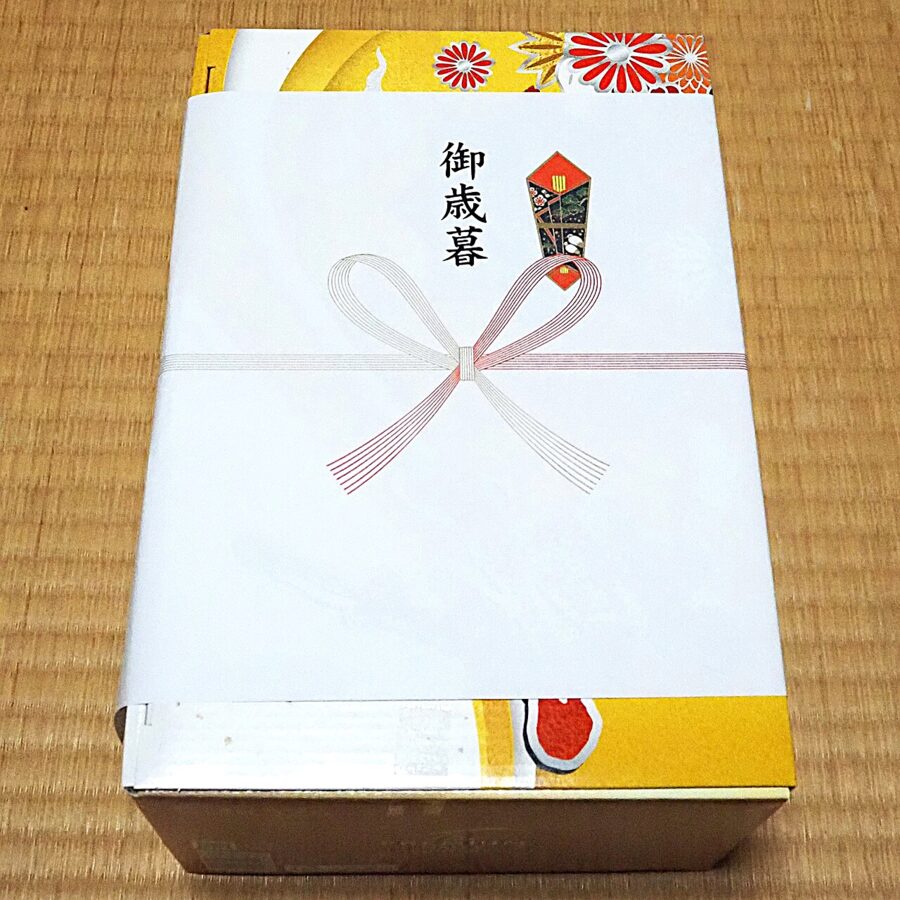
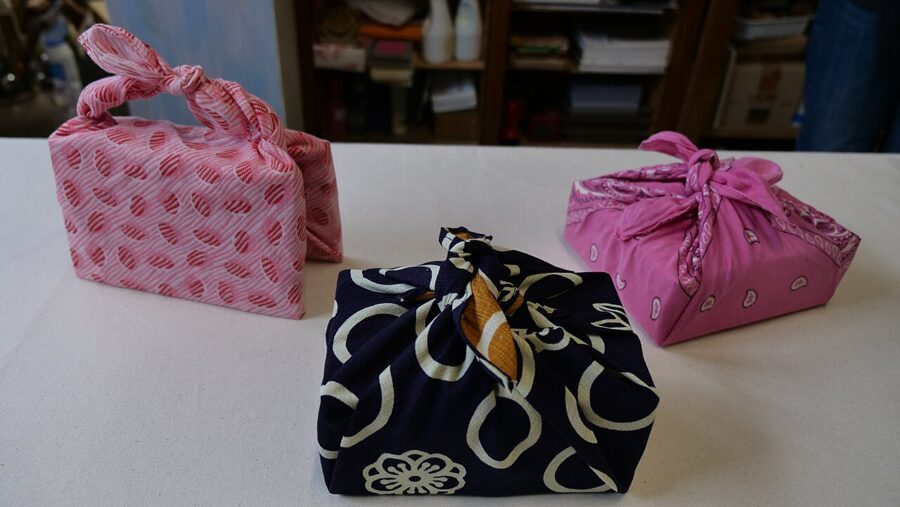

At the door itself you say ojama shimasu (お邪魔します), “I am about to get in your way”, and when you leave, ojama shimashita, “I got in your way”. Shoes come off in the genkan, the sunken entrance, and are turned to face the door for the way out. The host, for their part, will apologise for the mess in a spotless room.

Enryo
Enryo (遠慮) is holding back: declining the first offer, leaving the last piece, not saying what you would like. Its characters mean “far thought”, and in Chinese it once meant planning far ahead. In the Edo period it was also a punishment, the mildest form of house arrest: a samurai sentenced to enryo kept his gate shut, but the side door could be left pulled to and people could slip in and out after dark.
On a shared plate, the last piece nobody takes is enryo no katamari (遠慮の塊), “the lump of restraint”, a phrase heard most in Kansai. On a sign, go-enryo kudasai (ご遠慮ください, “please hold back”) is the polite form of a ban: satsuei wa go-enryo kudasai means photography is not allowed. It is not a suggestion, and staff who point to it are not inviting a discussion.
Amae
Takeo Doi found his most famous subject through enryo. As a young psychiatrist in the United States, he wrote, he was asked by a host whether he was hungry and would like some ice cream; he said he was not hungry, expecting to be pressed again as a Japanese host would, and the American simply took him at his word. He went hungry, and started thinking about why the exchange felt so cold.
The result was Amae no Kōzō (「甘え」の構造, 1971; in English The Anatomy of Dependence, 1973). Amae (甘え), from amai, sweet, is the wish to be indulged: to lean on someone’s goodwill and have them accept it. Doi traced it to an infant seeking its mother and argued that it runs through adult Japanese life, and that other languages had no everyday word for it. Critics answered that the feeling exists everywhere, which Doi never denied; his point was about the word.
That part holds. A parent can tell a child amaenai no, “don’t be babyish”, and a colleague can say o-kotoba ni amaete, “taking you up on your kind offer”, as they accept help. The same root covers being spoilt and being trusted, and Japanese speakers move between the two without noticing.
Giri and ninjō
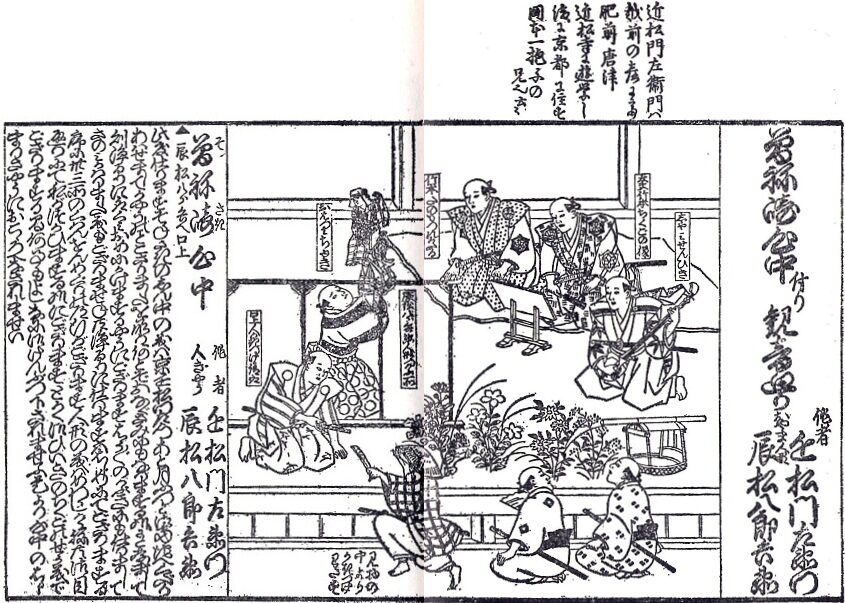
Giri (義理) is obligation owed to a particular person: the return gift, the wedding you attend because your boss invited you. Ninjō (人情) is human feeling. The pair came together as a set phrase, giri ninjō, for the decent person who honours both, but for three centuries the drama has been in the collision. Chikamatsu Monzaemon built his love-suicide plays for the Osaka puppet theatre on it, starting with Sonezaki Shinjū (曾根崎心中, The Love Suicides at Sonezaki) in 1703, and the yakuza films of the 1960s ran on the same engine.
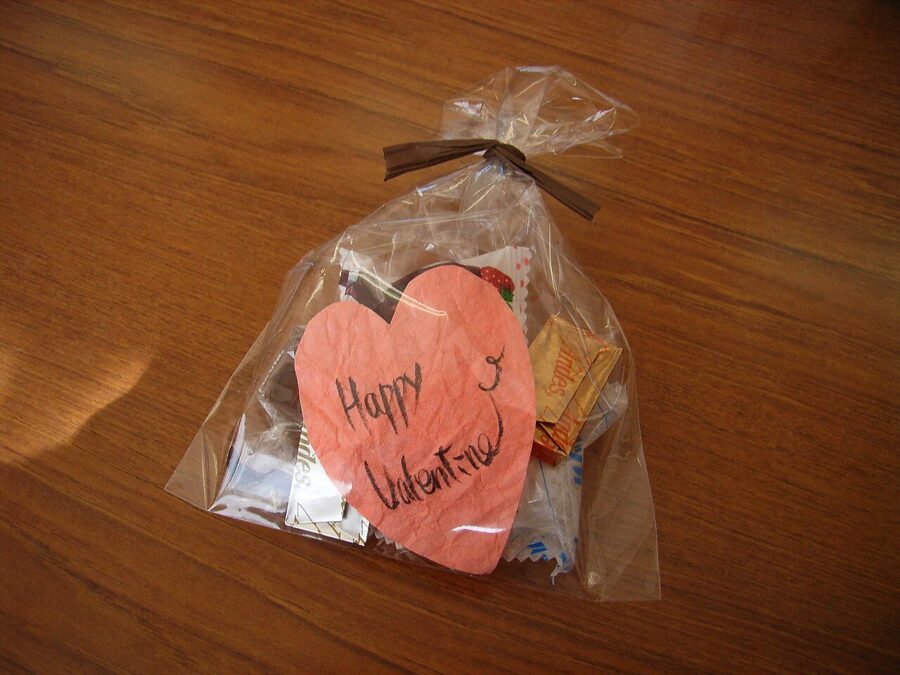
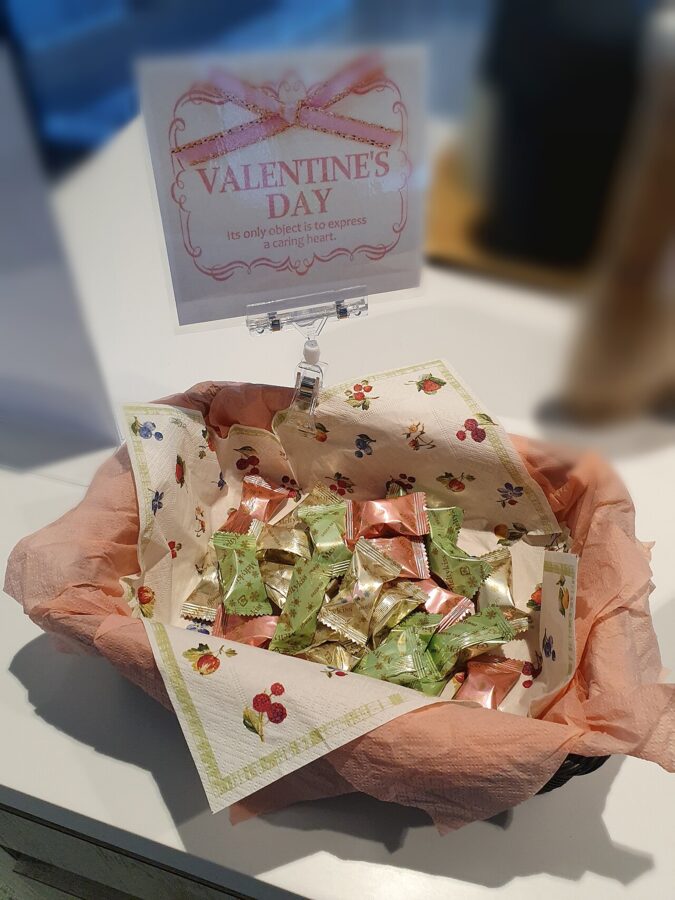
Giri survives most visibly in February as giri choco, “obligation chocolate”, which women have long been expected to hand out to male colleagues on Valentine’s Day. In 2018 the chocolatier Godiva took a full-page advertisement in the Nikkei headed “Japan, let’s stop giri choco”, which says something about how many people were tired of it.

In public
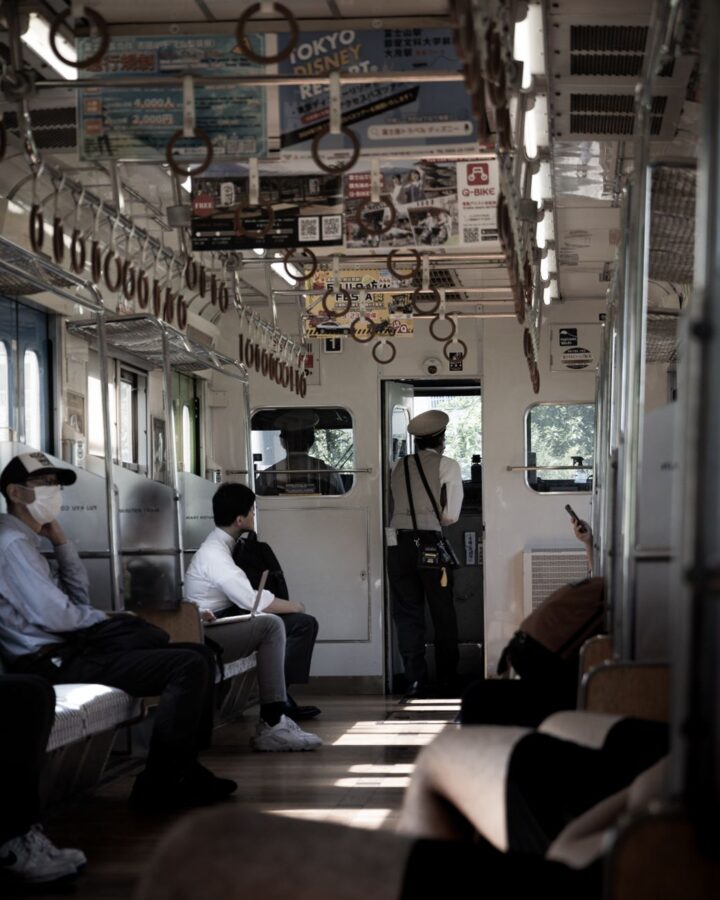
Most of what visitors notice on a Japanese street or train comes down to kūki wo yomu (空気を読む), reading the air: sensing what a space expects and fitting in without being told. There is no law against talking in a train carriage, and it is quiet anyway. Phones are switched to manā mōdo (“manner mode”, Japanese-made English for silent), and calls are taken at the end of the carriage or not at all.
Meiwaku
Meiwaku is the trouble you cause other people, and the most quoted rule of a Japanese upbringing is hito ni meiwaku wo kakenai, don’t be a burden on others. The word first meant being lost, at a loss what to do, and only later the burden someone else’s behaviour puts on you. Its formal shape is the apology heard at every corporate press conference: go-meiwaku wo okake shimashita, “we have caused you trouble”.
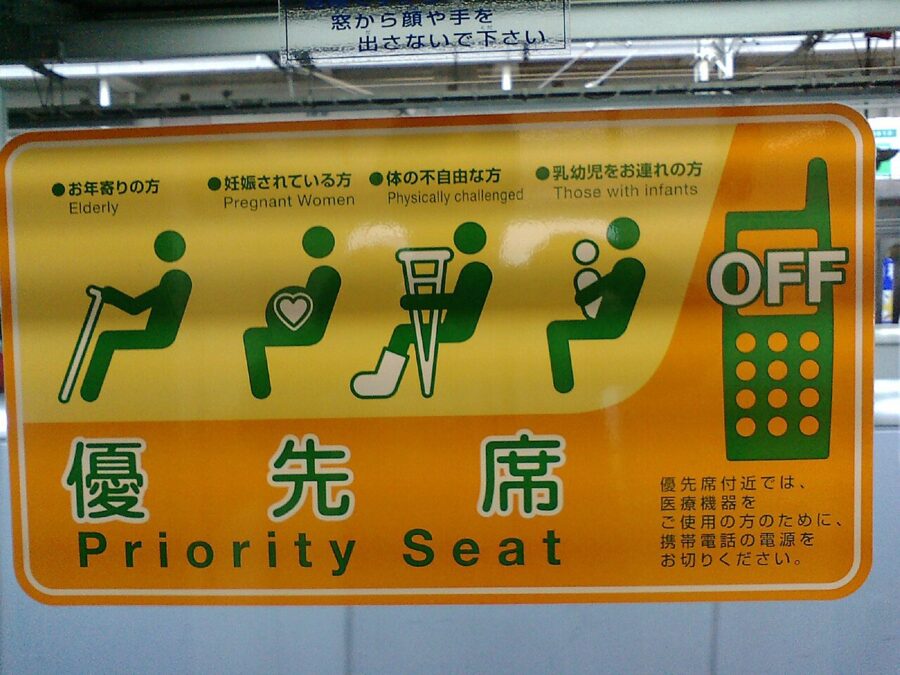

Every autumn the Japan Private Railway Association asks passengers which behaviour on trains and in stations bothers them most. In the 2025 survey, published on 19 December 2025 with 5,202 responses, coughing and sneezing without covering up came first for the second year running.
The year before, the association asked about visitors for the first time. Of 5,314 respondents, about six in ten said a foreign traveller’s behaviour had bothered them, and the top complaints were loud conversation (51.8%), the way luggage was carried or left (37.1%) and blocking the way in stations (24.8%). If you want one rule for Japanese public space, it is in that list: keep your voice and your suitcase small.
Gaman
Gaman (我慢) is enduring without complaint, and no word here has travelled further from where it started. In Buddhism it was a sin: one of the seven kinds of conceit, pride in the self. By the fifteenth century it meant stubbornness, refusing to show weakness, and only in the late Edo period did it settle into its modern sense of putting up with things. The Nihon Kokugo Daijiten also records it as old slang for a tattoo, from the pain endured under the needle.
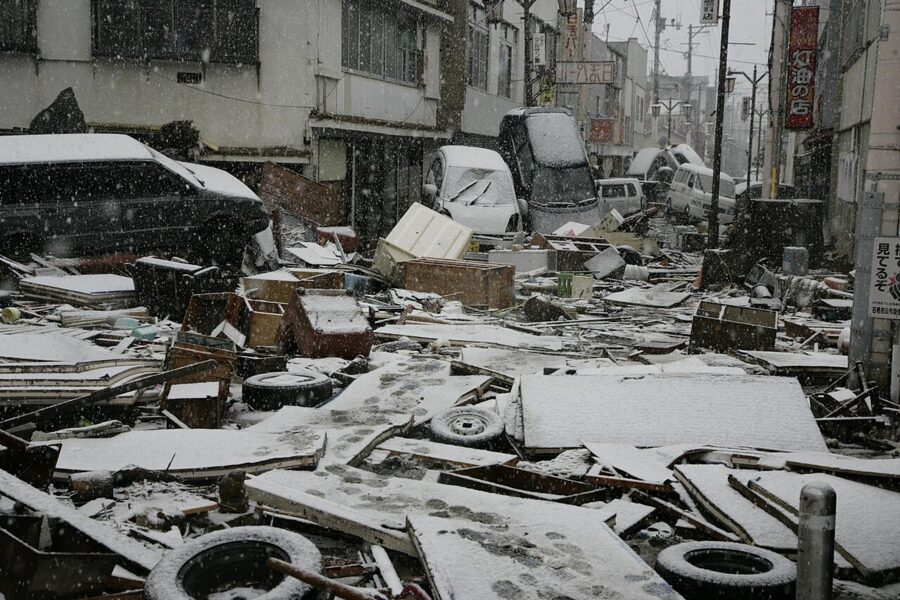

After the 2011 earthquake and tsunami the word went round the world’s press as the explanation for orderly queues at evacuation centres. It had crossed the Pacific already: Delphine Hirasuna’s The Art of Gaman (2005) collected the furniture, carvings and jewellery that Japanese Americans made in the wartime internment camps. Inside Japan the word has a harder edge as well, since “just gaman” is also the answer given to overwork, and people argue about which of the two it really names.
Mottainai
Mottainai (勿体無い) is “what a waste”, said over food left on a plate or a working umbrella in the bin. Mottai is proper form or dignity, and the word first meant something outrageous, out of all proper order, in the dictionary‘s earliest example, a collection of tales from around 1221. It then came to mean “too good for me” before arriving at waste: something with use left in it, thrown away.


Wangari Maathai, the Kenyan environmentalist and 2004 Nobel peace laureate, came across the word on a visit to Japan in February 2005 and took it home as a slogan, arguing that it covered reducing, reusing, recycling and respect in a single word. It also sits behind kintsugi, the craft of mending broken pottery with lacquer and gold so that the repair shows, and behind the grandmother who irons used wrapping paper flat for next year.
Pastimes and rituals
Some customs are kept for pleasure, and these have names too. At most stations of any size there is a rubber stamp and an ink pad on a small table by the gates, free for anyone: the eki stamp, which railways have been setting out since the 1930s and still use for summer stamp rallies. Collectors carry a notebook for them, and children are given a card.
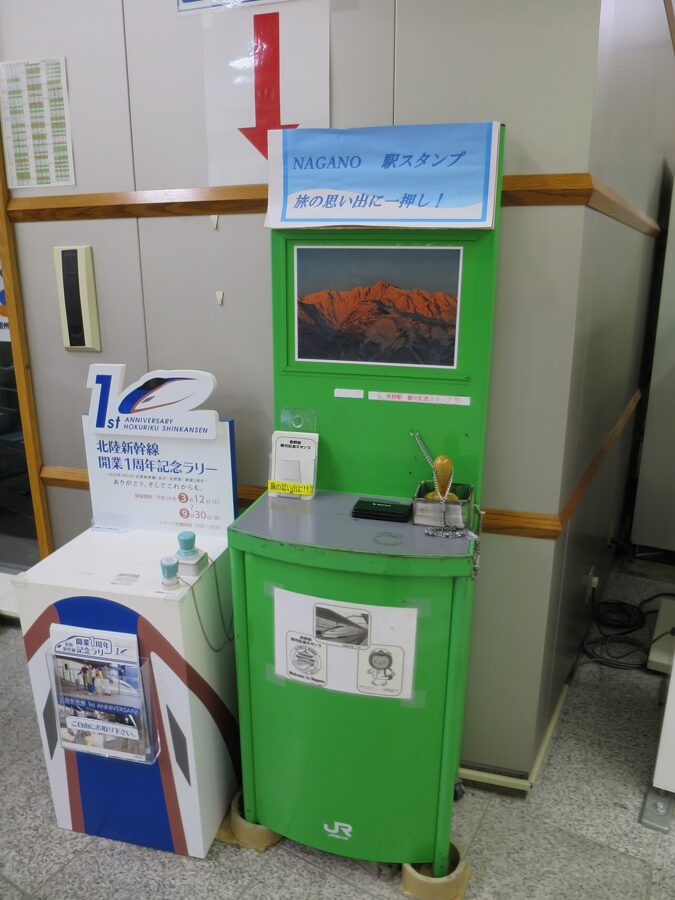

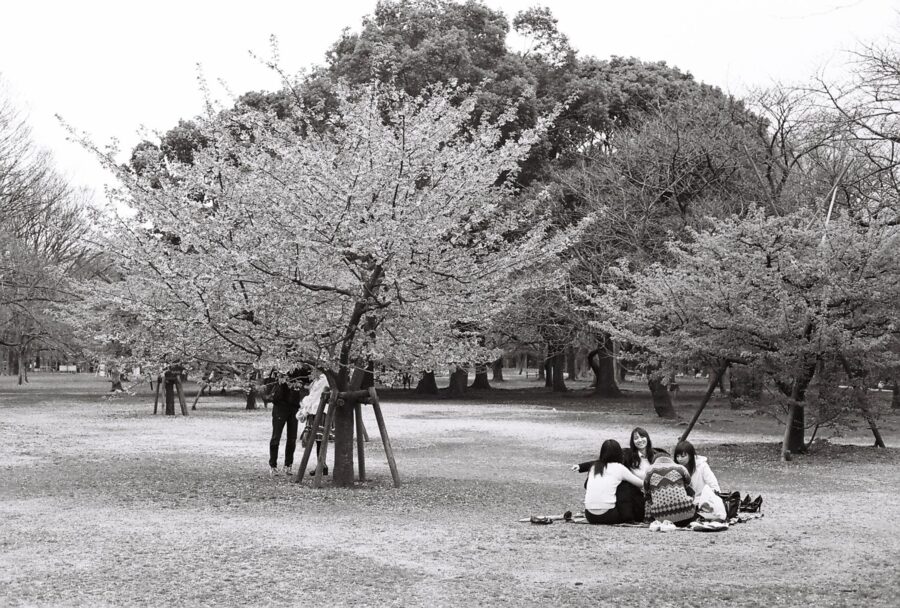
Two ceremonies of looking mark the year. In autumn there is tsukimi (月見), moon viewing, on jūgoya, the fifteenth night of the eighth month of the old calendar, with white dumplings and pampas grass by the window; in 2026 it fell on 25 September. In spring there is hanami, flower viewing, which means sitting under cherry trees in bloom with food, drink and, as often as not, the whole office; in 2026 the Japan Meteorological Agency declared Tokyo’s blossom open on 19 March, going by its sample tree at Yasukuni Shrine.
Two more words left Japan and came back changed. Wabi-sabi is sold abroad as a design style; ask on a Japanese street what it means and most people will tilt their head and say they are not quite sure. Ikigai is drawn abroad as four overlapping circles about purpose and pay; in Japan it is simply what makes life feel worth living, and in a Cabinet Office survey of over-65s in 2021, 72.3% said they felt it at least a little.
Where to start
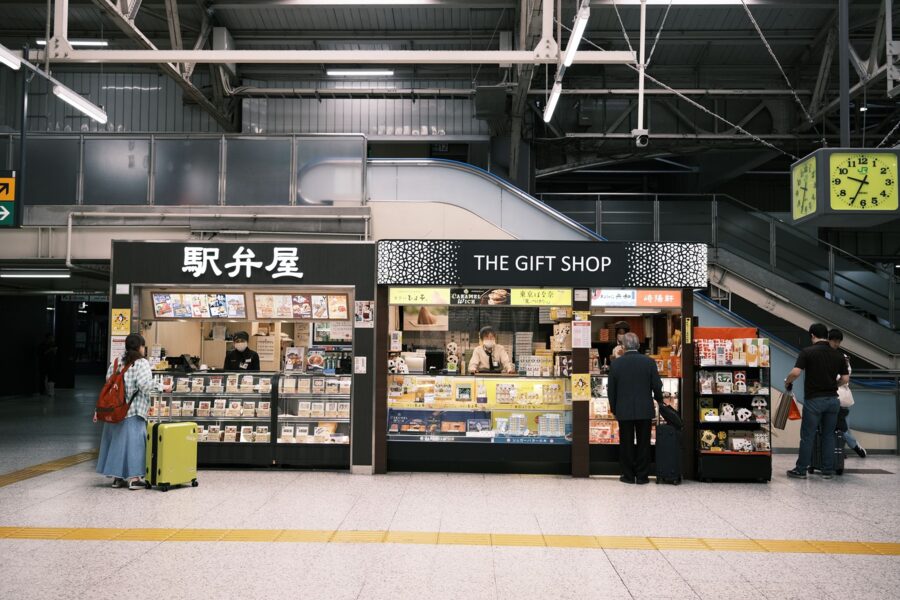
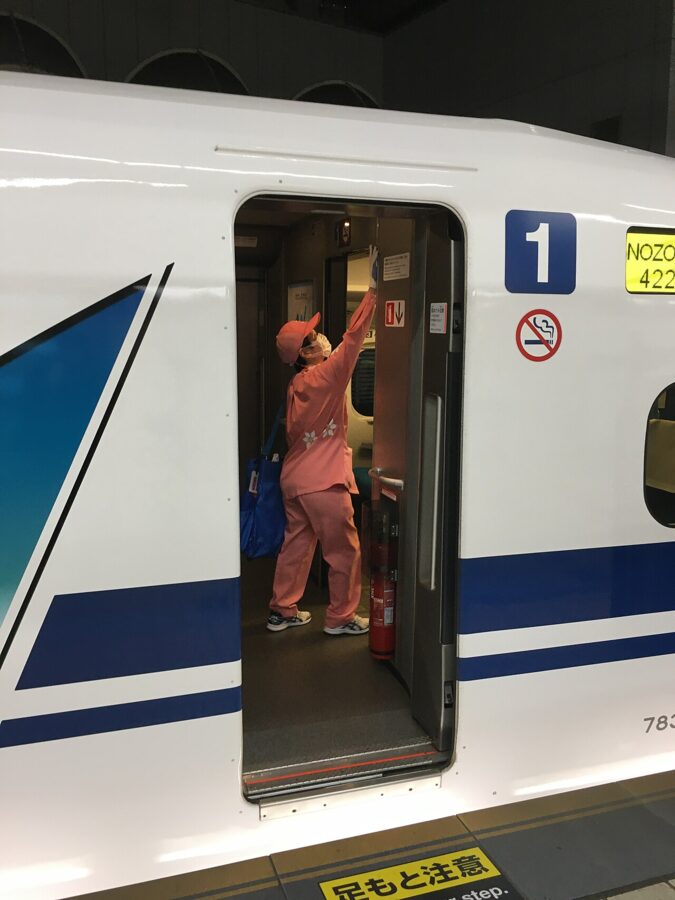
You can hear most of these words in a single day in Tokyo without going near a temple. Tokyo Station (JR lines and the Marunouchi Line) has a free eki stamp, a red hexagon built around the character 東, and dozens of omiyage shops inside and around the station. The announcements on any commuter train will give you the rest before lunch: go-meiwaku wo okake shite orimasu when a train is late, and kakekomi jōsha wa go-enryo kudasai, please don’t run for the doors. For the rest, spend an afternoon in one of Tokyo’s older neighbourhoods, where the shops are small enough for most of these words to be in use at the same counter.
And if you have spent a week in Japan with someone looking after your desk at home, buy them a box on the way to the airport. Count the desks first. Leave it by the kettle, say nothing about the trip, and let the biscuits do the apologising.