
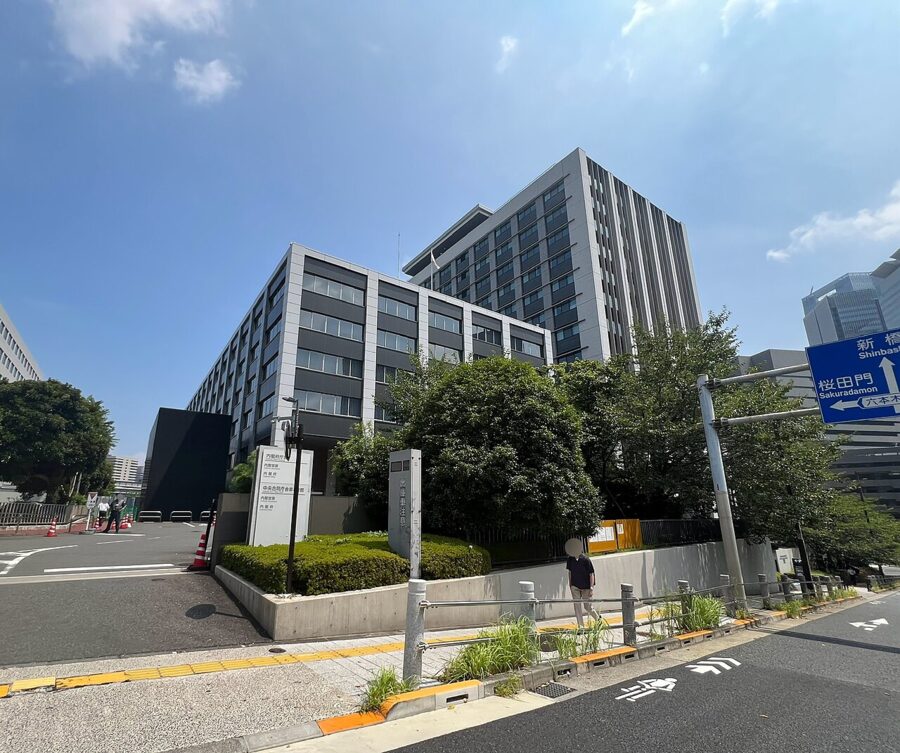
In December 2021 the Cabinet Office posted a questionnaire to older people all over Japan. One question asked how much ikigai (生き甲斐) they felt, and in case anyone was unsure of the word, the form glossed it in brackets: 喜びや楽しみ, “joy and pleasure”. Of the 2,049 people over 65 who sent it back, 72.3% said they felt it at least a little.
Nothing on that form asked what anyone was paid for. That question belongs to a different ikigai: the one drawn as four overlapping circles on office walls, coaching websites and the covers of books stacked in airport shops. It reached Japan from outside, and the two share less than the covers suggest.
To see how far apart they are, start with the grammar.

In this article
The word: iki and kai
Ikigai joins iki (生き), the noun form of “to live”, to kai (甲斐), which softens to gai when it follows another word. The Nihon Kokugo Daijiten, the largest Japanese dictionary, defines it as the result an action earns, its effect, and traces it to an old verb meaning “to exchange”: kai is what comes back for what you put in. The Digital Daijisen defines ikigai itself as “something worth living for; the zest and joy of going on living”.
Kai turns up all over everyday Japanese. Yarigai (やりがい) is the worth of doing something, the word people reach for when a job is hard but satisfying. Hatarakigai (働きがい) is the worth of working, and tomodachi-gai (友達甲斐) is what you owe someone as a friend. “Tsukutta kai ga atta“, it was worth cooking, is what a parent says when the plates come back empty.
How it sounds in a sentence
The commonest uses are small and specific. “Mago ga ikigai desu” (孫が生きがいです) means “my grandchildren are my ikigai”. A man can say his allotment is his ikigai, a woman her choir, a widower his dog. You can have several at once, lose one and find another.
The word also has a downside the export left behind. In 2007 the sociologist Yuki Honda (本田由紀) named a pattern she saw in service jobs and creative work: yarigai no sakushu, “the exploitation of fulfilment”, where low pay is excused because the work is meant to be rewarding in itself. Japanese readers know that a kai word can be used against them.
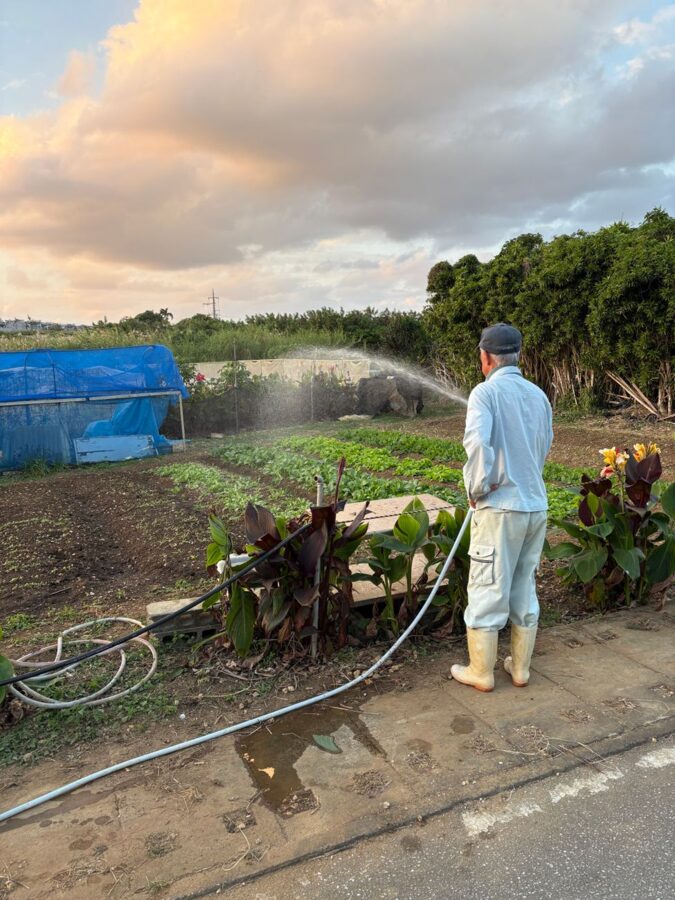
The clinical psychologist Akihiro Hasegawa told the BBC in 2017 that ikigai belongs to seikatsu (生活), daily living, rather than jinsei (人生), the whole lifetime. Ask about someone’s ikigai and you are more likely to hear about the vegetable patch, or the seasonal outings of hanami in spring and tsukimi in autumn.
Mieko Kamiya and the sanatorium on Nagashima
The book that made ikigai a subject in Japan was written by a psychiatrist who spent fifteen years among people the state had locked away. Mieko Kamiya (神谷美恵子) was born in Okayama in 1914, the daughter of a senior official who later became education minister. At 19, a student at what is now Tsuda University, she went with an uncle to Tama Zenshoen, the leprosy sanatorium on the western edge of Tokyo, and decided she would work with its patients.
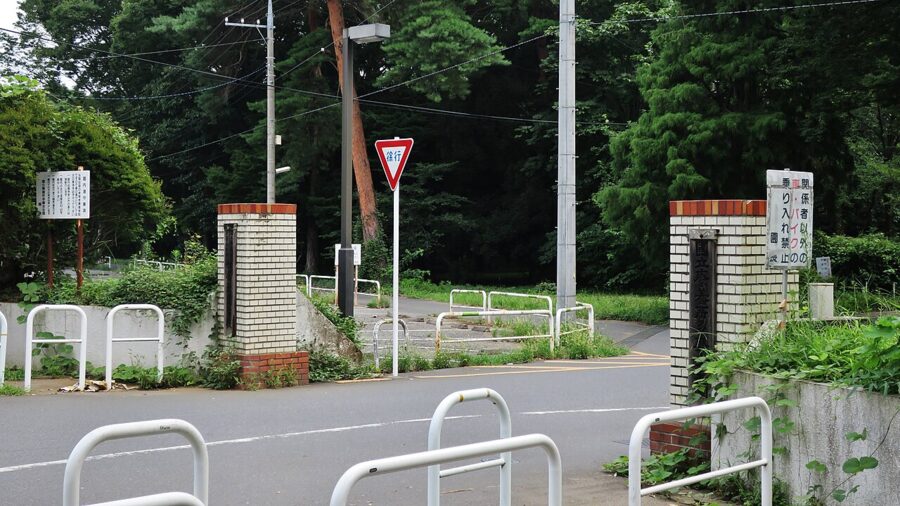

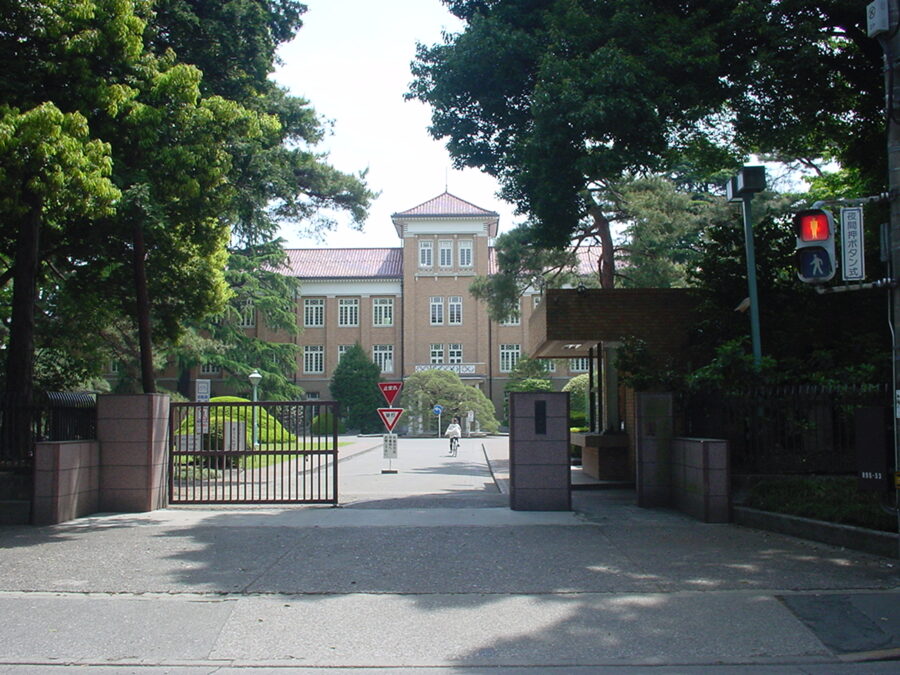
It took her a long time to get there. Her family opposed a medical career, tuberculosis cost her years, and she studied Greek literature at Columbia University before switching to medicine and qualifying at Tokyo Women’s Medical College in 1944.

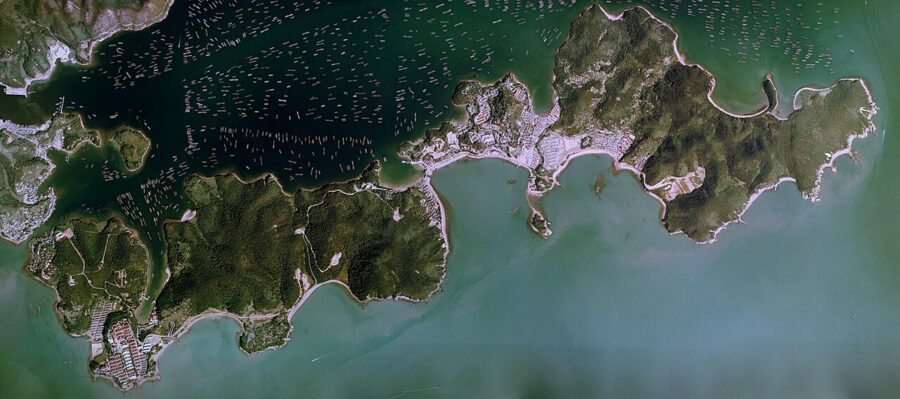
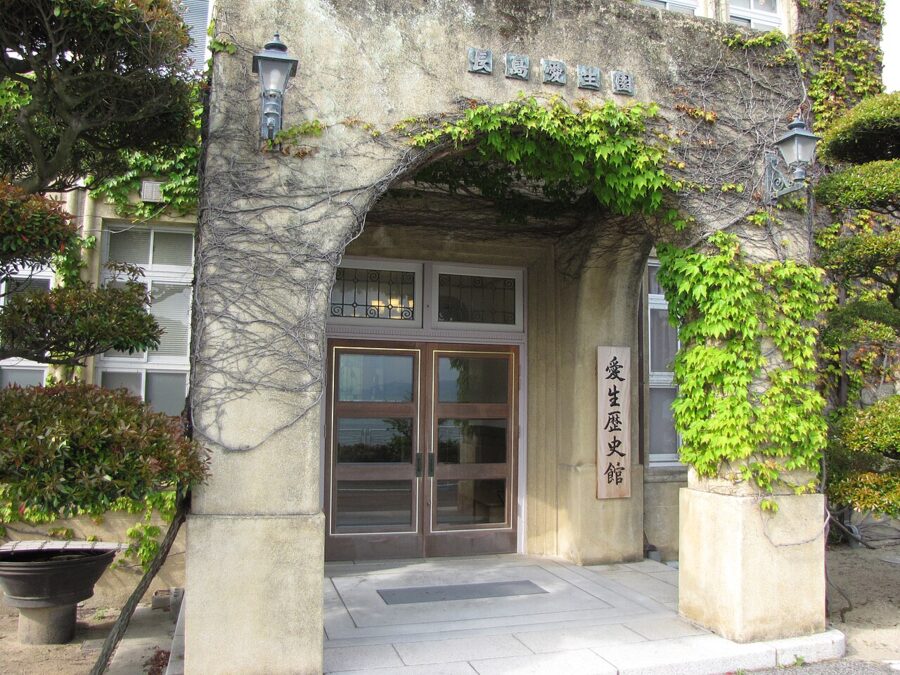
In 1957, at 43, she began psychiatric research at Nagashima Aiseien, the national leprosarium on an island in the Seto Inland Sea. Under the segregation policy of the day, patients were sent there for life. She travelled from Ashiya in Hyogo, five hours each way by train and boat, became head of psychiatry in 1965 and stayed until heart trouble stopped her in 1972.

When she surveyed the residents, about half described their days as wasted, empty or without hope. A smaller group said they felt joy in living, in the same place, under the same sentence. One resident, blind and unable to feel Braille with his fingers, learned to read it with his lips and tongue and went on to lead a harmonica band. Kamiya wanted to know what separated the two groups, and the answer became Ikigai ni tsuite (生きがいについて, On Ikigai), published by Misuzu Shobo in 1966.
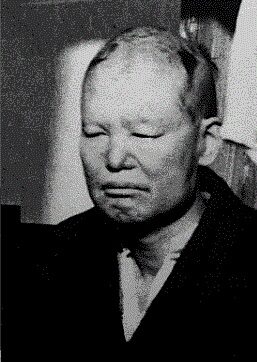
The book separates two things English runs together: the source of ikigai (a person, a task, a belief) and the feeling of having it, which she called ikigai-kan (生きがい感). She thought the word close to “happiness” but different in one way that mattered on Nagashima: it is what lets you look forward even while the present is miserable.
Kamiya’s ikigai was worked out among people who could not leave an island, had no career and were paid for nothing.
The book started a wave of ikigai writing in Japan and is still in print. Nothing in it resembles a career plan.

Ogimi, Okinawa and the longevity story
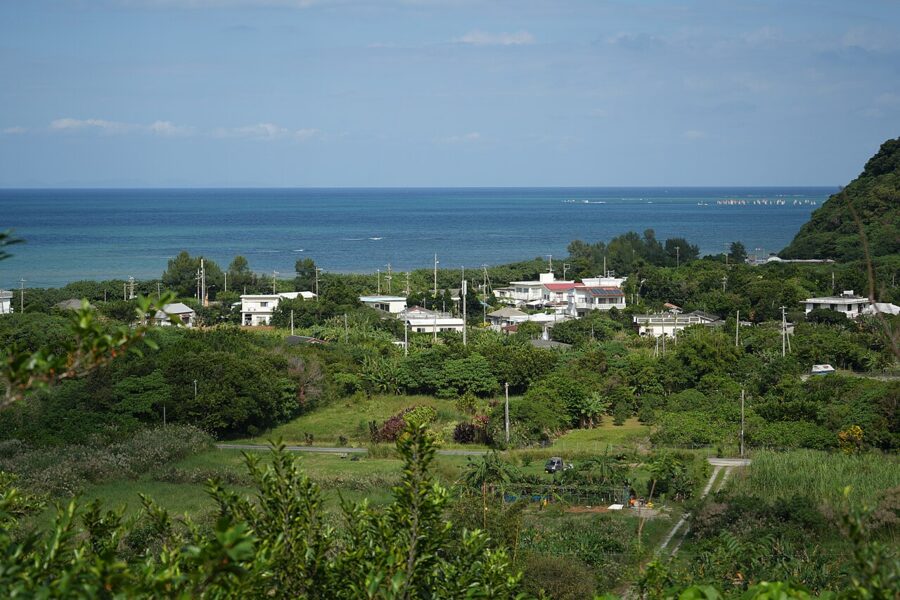
The ikigai sold abroad comes from somewhere else: Ogimi, a village of forested hills and small coastal settlements in the north of Okinawa Island. On 23 April 1993 the village’s federation of senior citizens’ clubs declared it the longest-lived village in Japan, and its declaration invites anyone proud of their own longevity to come and learn the village’s secrets. The village’s profile describes elders who farm, weave and volunteer for as long as they live.

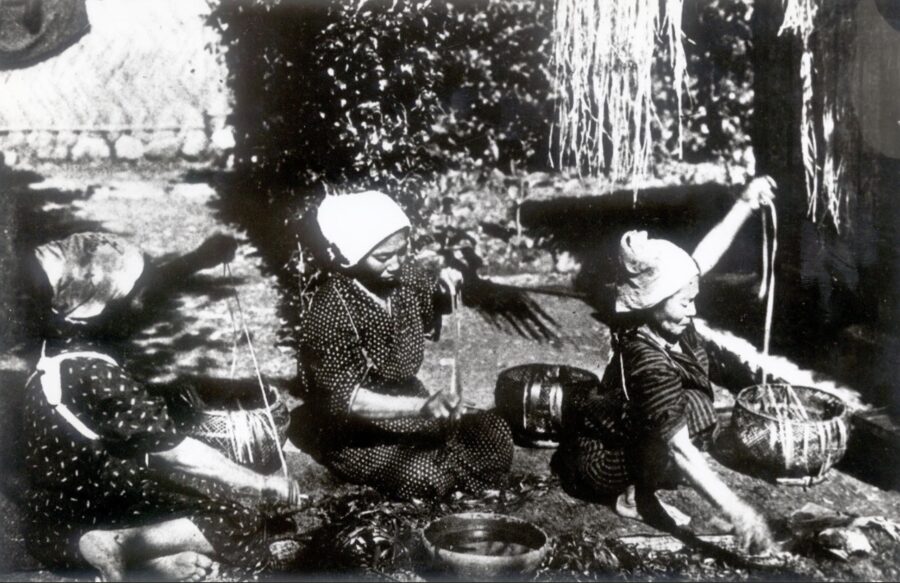
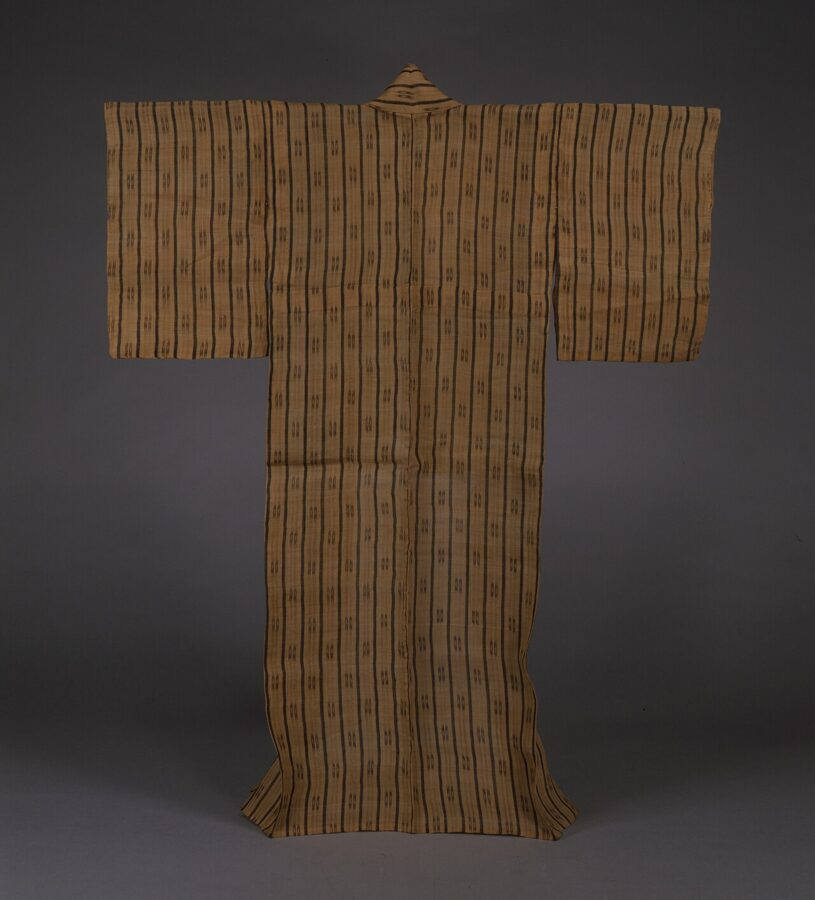
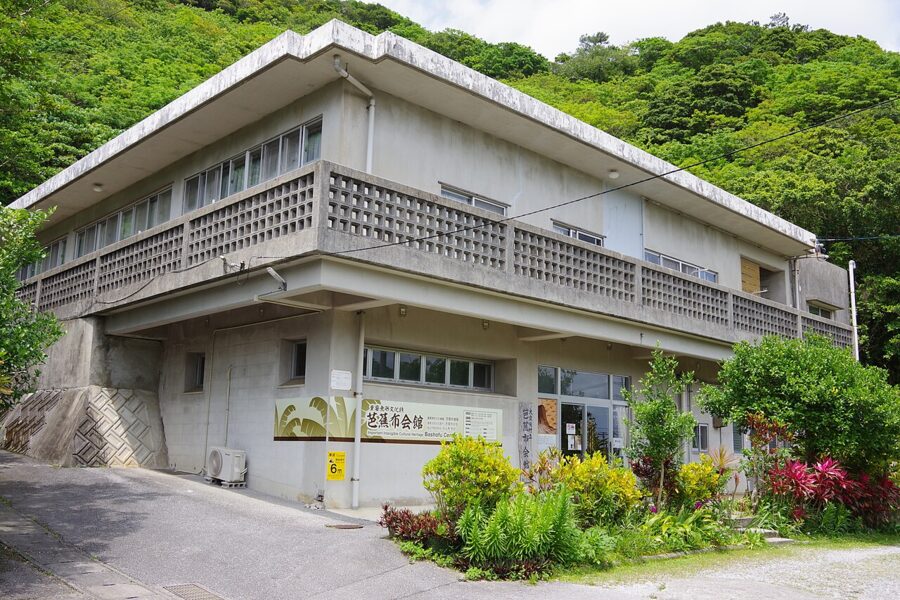
Héctor García and Francesc Miralles interviewed more than a hundred of those elders for their book, and the government’s English-language magazine, Kizuna, retold the story in 2022. Its pictures included Toshiko Taira (平良敏子), who revived Kijoka’s banana-fibre cloth, bashōfu, with war widows after 1945 and was named a Living National Treasure in 2000. She died in September 2022, at about 101.

Dan Buettner put Okinawa among his “Blue Zones” in a 2005 National Geographic cover story, and in a 2009 TED talk named ikigai as one reason Okinawans lived so long. Food, gentle daily work and the moai (模合), circles of friends who pool money and meet for decades, fill out the same accounts.


What the ikigai studies found
The health research is mostly Japanese. The Ohsaki Study in Miyagi Prefecture asked 43,391 adults a single question, “Do you have ikigai in your life?”, and followed them for seven years. Those who said no had a 1.5 times higher risk of dying, driven by heart disease, stroke and external causes such as accidents, but not by cancer.
The Japan Collaborative Cohort Study asked 73,272 people aged 40 to 79 a similar question in 1988–1990 and followed them for 12.5 years on average. Over the longer follow-up, men with ikigai had a 15% lower risk of death from any cause and women 7%, a borderline result. A 2022 study of older adults found that having ikigai in 2013 went with a 31% lower risk of disability and a 36% lower risk of dementia three years later, more strongly in men and in better-off people.
None of this proves that ikigai makes you live longer. A sick person is less likely to answer yes in the first place, and the studies adjust for what they can measure, not for everything. I would read them as good evidence that having something to look forward to travels with good health in Japan, and weak evidence about which comes first.
Where the Okinawa numbers wobble
The Okinawa part is shakier. Okinawan men fell from fourth to 26th among the 47 prefectures in the life tables for 2000, a result the local press called the “26 shock”. In the 2020 prefectural life tables, the latest published, Okinawan men ranked 43rd (80.73 years) and women 16th (87.88).


The same tables hold a twist. An Okinawan woman who reached 65 in 2020 could expect another 25.44 years, the most of any prefecture, and at 75 she still led the country. The old are still remarkable; it is the middle-aged, raised on a postwar diet, whose death rates from liver disease and diabetes pulled the averages down.

Then there are the records: the Battle of Okinawa in 1945 destroyed many family registers, which were rebuilt afterwards. Saul Newman, a demographer at University College London, argued in 2024 that extreme old age clusters where records are poor, and that Okinawa’s centenarians crowd into the areas where wartime bombing burned the registers. The work won him the first Ig Nobel Prize for demography. Blue Zones researchers reply that they checked ages against registers going back to the 1800s.
Japan has its own cautionary case. In July 2010 Sogen Kato, listed as Tokyo’s oldest man at 111, turned out to have been dead in his home in Adachi for about three decades, and a national check of family registers turned up more than 230,000 people aged 100 or over with no record of where they lived. Most were stale entries, not people in the official statistics, but the case showed how long a death can go unrecorded.
Four circles from Guernsey
The diagram most people now picture when they hear the word was not drawn in Japan. Like wabi-sabi, ikigai left Japan as a word and came back as a lifestyle. On 14 May 2014 Marc Winn, a blogger and entrepreneur on Guernsey, posted “What is your Ikigai?”, built around four questions: are you doing something you love, that the world needs, that you are good at, and that you can be paid for?
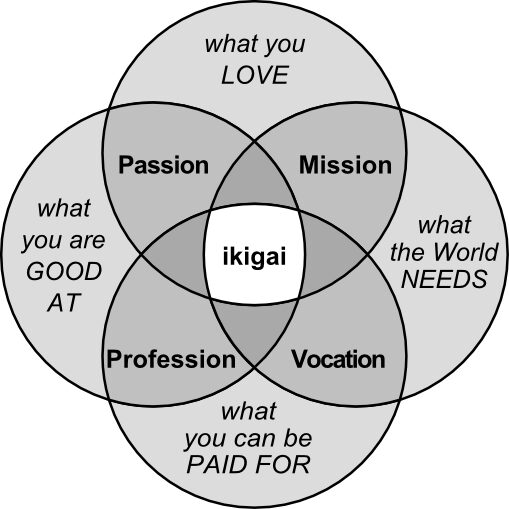

He took the picture from a diagram of propósito, purpose, drawn a few years earlier by Andrés Zuzunaga, which Winn had come across in a business book. Winn changed one word, swapping “purpose” for “ikigai”. He now says so on the same page: “The diagram is not mine.”

Japanese readers tend not to recognise it, because ikigai is not a target where four conditions meet: it is whatever gives your days their kai, and it can fail every test in the diagram. A grandchild is not paid work, and a choir does not need you to be good. The same Kizuna article reproduces the diagram, credits it to Winn and calls him American, which shows how loosely the story travels even in official hands.
Ikigai is whatever gives your days their kai, and it can fail every test in the diagram.
The bestsellers, and their Japanese editions
García, a Spanish engineer long resident in Japan, and Miralles, a writer from Barcelona, published Ikigai: los secretos de Japón para una vida larga y feliz in 2016. Penguin’s English edition, Ikigai: The Japanese Secret to a Long and Happy Life, followed in 2017; its jacket now claims more than five million copies sold. It reprints Winn’s diagram and closes with ten rules drawn from Ogimi: stay active, slow down, stop eating at 80% full (hara hachi bu), keep good friends, exercise, smile, reconnect with nature, give thanks, live in the moment and follow your ikigai.
Is it worth reading? As a warm portrait of a village and a book of sensible habits, yes. As an account of what the word means in Japan, it adds the circles and the career frame and leaves out Kamiya’s island almost entirely.
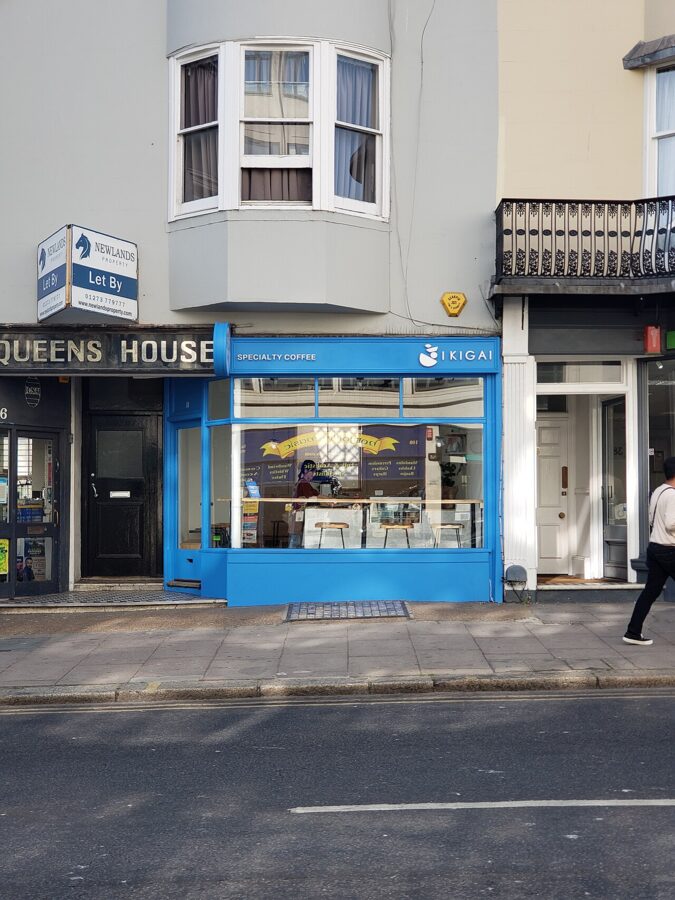
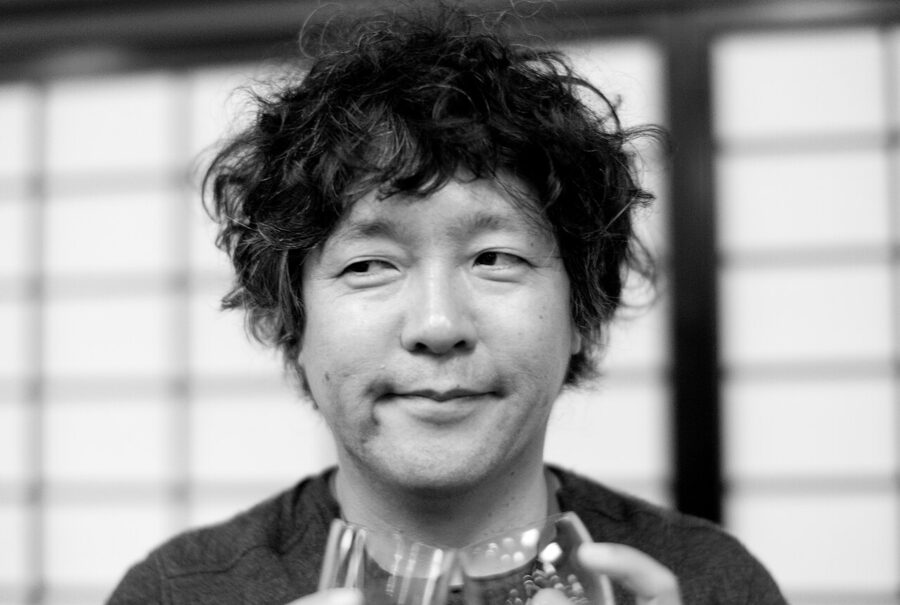
The neuroscientist Ken Mogi (茂木健一郎) wrote The Little Book of Ikigai in English, published by Quercus in 2017. His five pillars (start small, release yourself, harmony and sustainability, the joy of little things, being in the here and now) sit much closer to Kamiya than to Winn.

García and Miralles came out in Japan in 2017 as Gaikokujin ga mitsuketa chōju Nippon shiawase no himitsu (外国人が見つけた長寿ニッポン幸せの秘密), “the secret of long-lived Japan’s happiness, as found by foreigners”. Mogi’s book came home in 2018 as IKIGAI: Nihonjin dake no nagaku shiawase na jinsei wo okuru hiketsu, “the secret, known only to the Japanese, of a long and happy life”: a Japanese word in capital roman letters, sold back to Japan as a concept.
Ikigai in Japanese policy and retirement
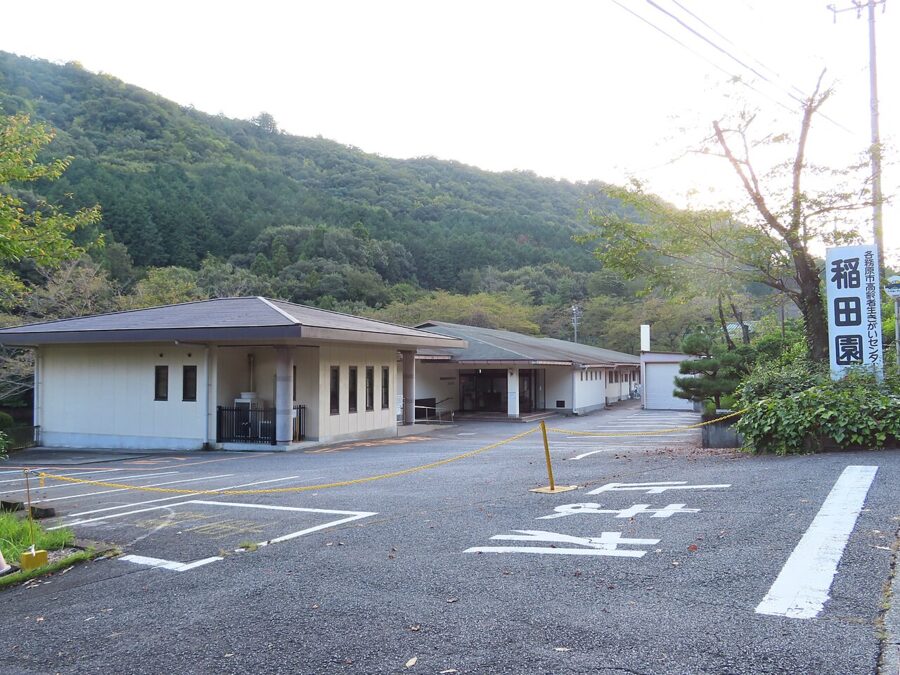
In Japan the word has been in the statute book for six decades. Article 2 of the Act on Social Welfare for the Elderly, which the Diet passed in 1963, says older people are to be respected for their contribution and “guaranteed a healthy and peaceful life in which they can have ikigai”. The article is still in force, and it explains why ikigai turns up in the names of public buildings.

The Cabinet Office, the prime minister‘s own ministry, measures it. Its 2021 mail survey found 22.9% of over-65s felt ikigai fully and 49.4% to some degree. Its five-yearly international survey, run in Japan, the United States, Germany and Sweden from September to November 2025, put the share of over-65s who felt ikigai at 64.0% in Japan, against 88.0% in Sweden, 82.2% in the United States and 63.8% in Germany.
Japan’s figure had fallen since the 2020 round. In Japan, Germany and Sweden the most common source was time with family, children and grandchildren; in the United States it was chatting with friends. About four in ten Japanese over 65 said they wanted to keep working for pay, where more than seven in ten in each of the other three countries said they did not.
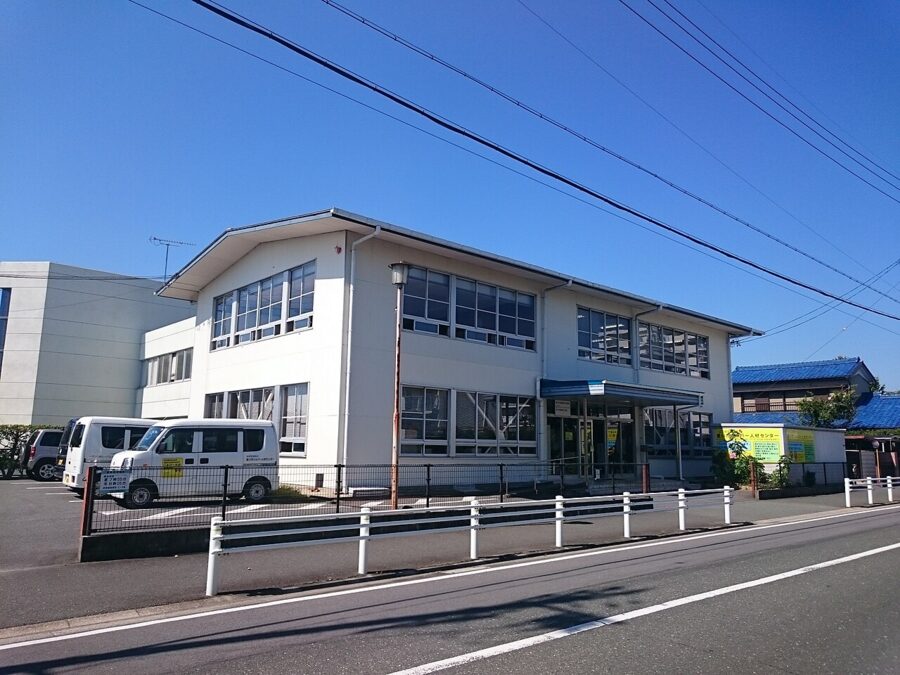
The Silver Human Resources Centres, run by cities and towns across Japan, turn that wish into a system. The national association describes their purpose as letting older people gain ikigai through work, and warns members that it is “work for ikigai”, so no fixed income is guaranteed.

Work, hatarakigai and the company man
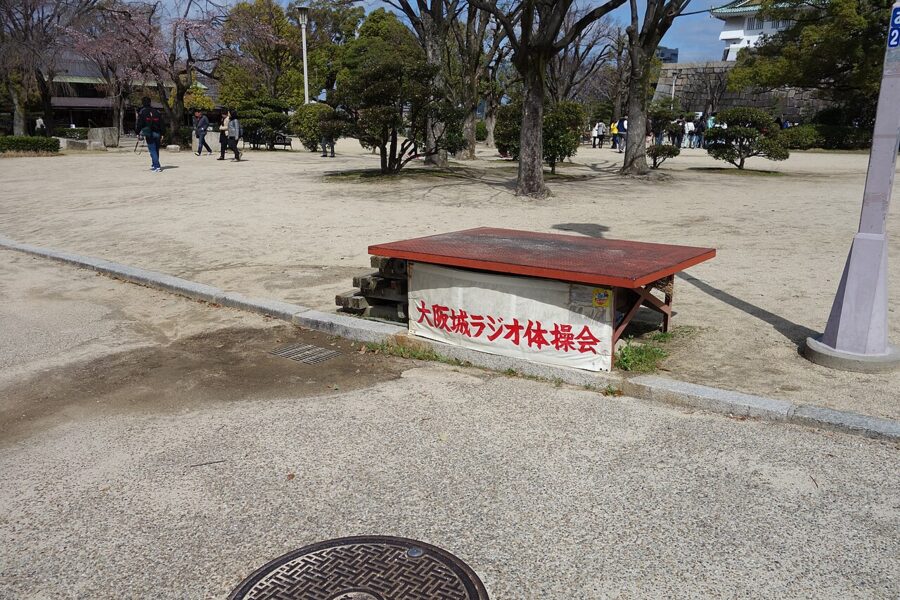
For the postwar generation of salaried men, the company was often the ikigai, and retirement could take it away overnight. The late 1980s gave Japanese the cruel phrase nure-ochiba (濡れ落ち葉), “wet fallen leaves”, for retired husbands who cling to their wives and cannot be swept off. The anthropologist Chikako Ozawa-de Silva found in 2020 that older Japanese still described their ikigai in that mould of company and family, while younger people talked about what they might become.
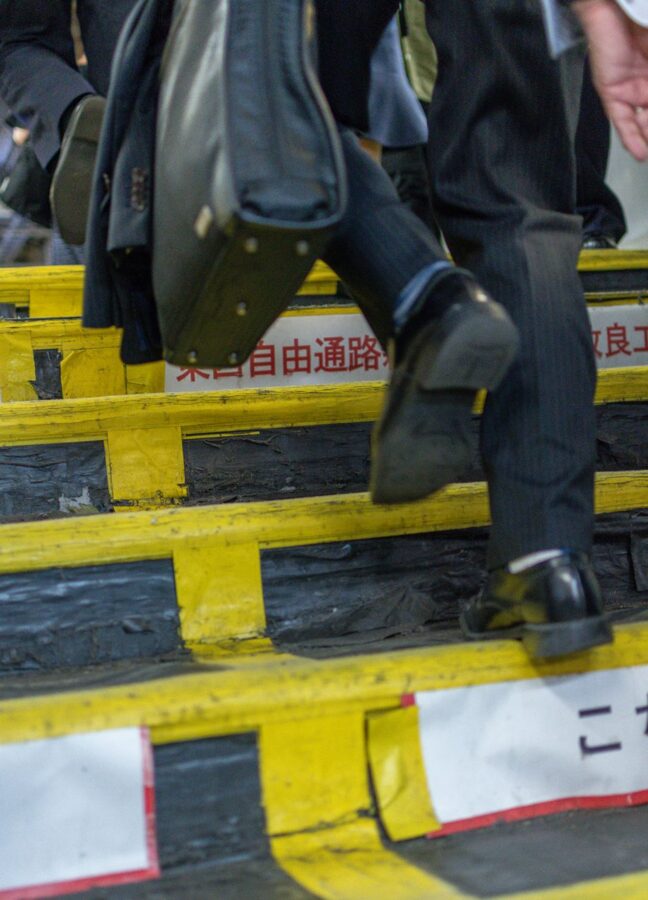
Hatarakigai is the word Japanese recruiters use for an engaging workplace, and a March 2026 column in Business Insider Japan argued that firms hiring abroad must offer a reason to work beyond pay, and called it ikigai. The word has gone out and come back as management advice.
What Japanese readers make of the export
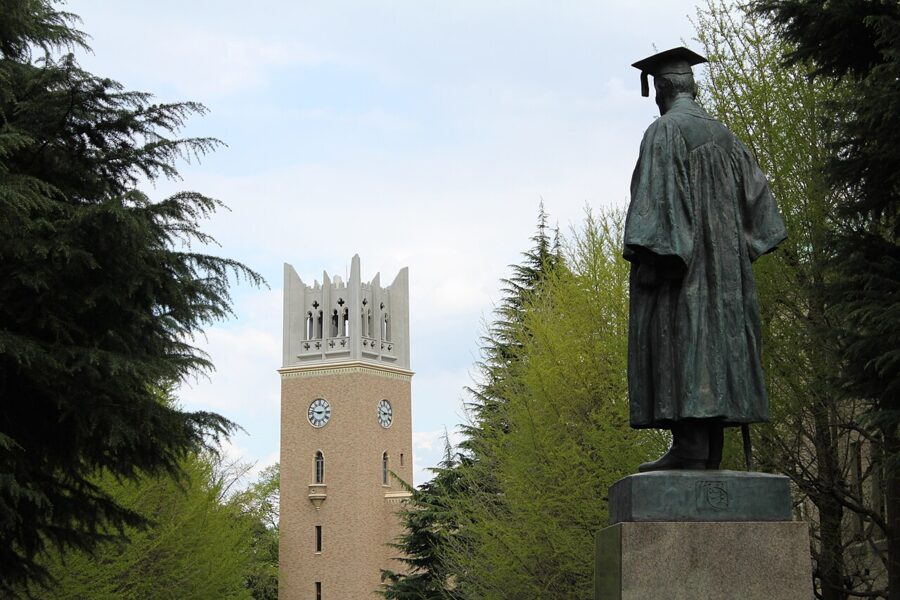
When the business professor Akie Iriyama (入山章栄) of Waseda University discussed the four-circle version with Business Insider Japan’s editor in January 2023, his verdict on the definition was polite and flat: it did not ring true to him. The editor’s objection was the one most Japanese would make. Something can be your ikigai even if it earns no money, nobody needs it and you are not good at it, so long as you feel it is.
Iriyama’s wider point was that some words, like iki (粋, stylishness), are grasped at once between Japanese speakers and resist definition; like reading the air, they work because nobody spells them out. To my reading, the usual Japanese reaction to the export is mild amusement, a little pride and a correction. You do not find an ikigai by drawing circles; you notice it, usually in something small, the way the residents Kamiya counted on Nagashima noticed theirs or failed to.
Visiting Nagashima and Ogimi
The Nagashima Aiseien Historical Museum is free and opens 9:30 to 16:00 by advance booking; the sanatorium’s own page lists Mondays and Fridays as closed, while Okayama’s tourism listing gives Mondays only, so confirm the day when you book (as of November 2026). Both close from 10 to 20 August and from 28 December to 5 January. Residents still live on the island, and visitors are guests in their home.
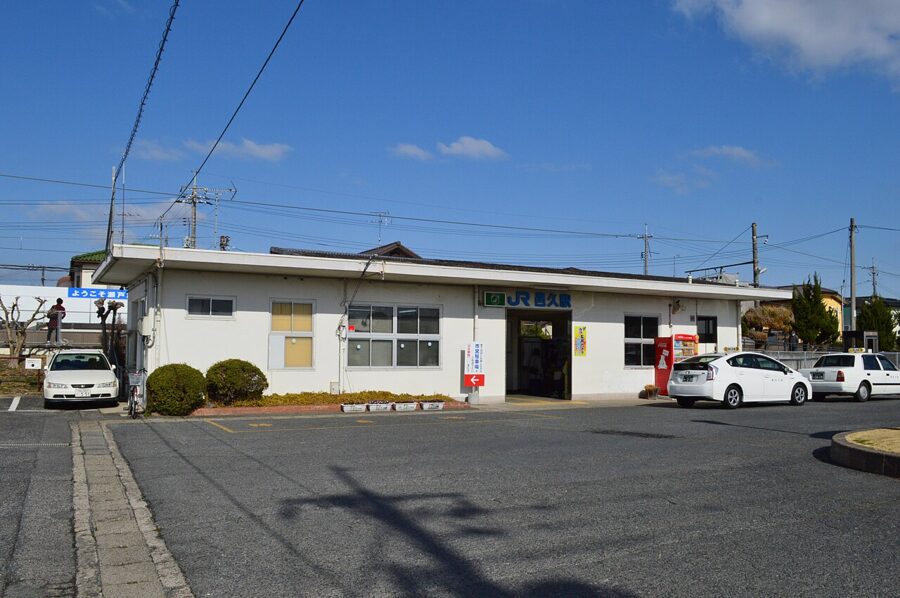
Take the JR Ako Line to Oku Station (邑久駅), then the bus bound for Aiseien, about 45 minutes, to the Aiseien-guchi stop; the museum is a three-minute walk.
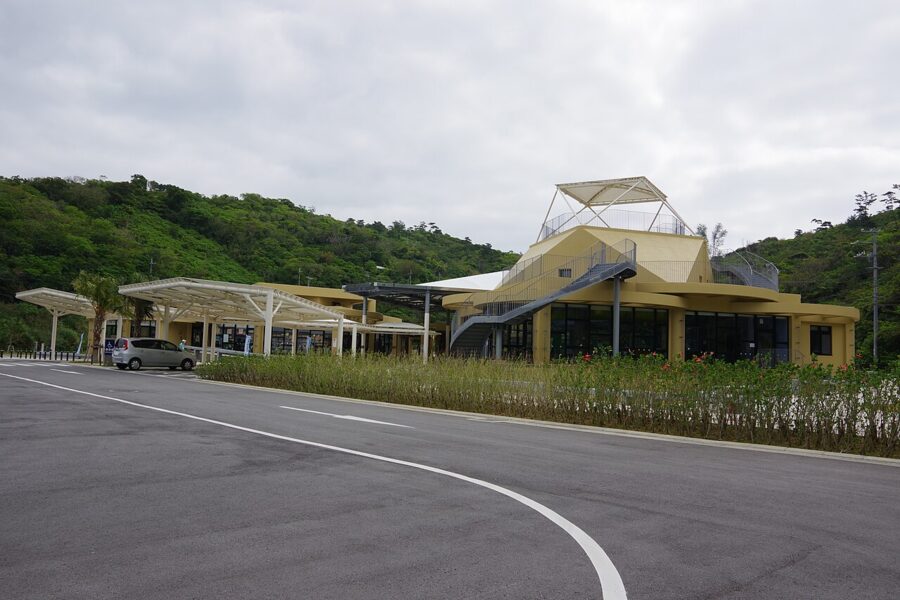
Ogimi is on National Route 58 in the north of Okinawa Island, easiest by car from Naha. Michi-no-eki Ogimi sells local produce, and the Bashofu Hall in Kijoka shows the cloth Toshiko Taira spent her life reviving.


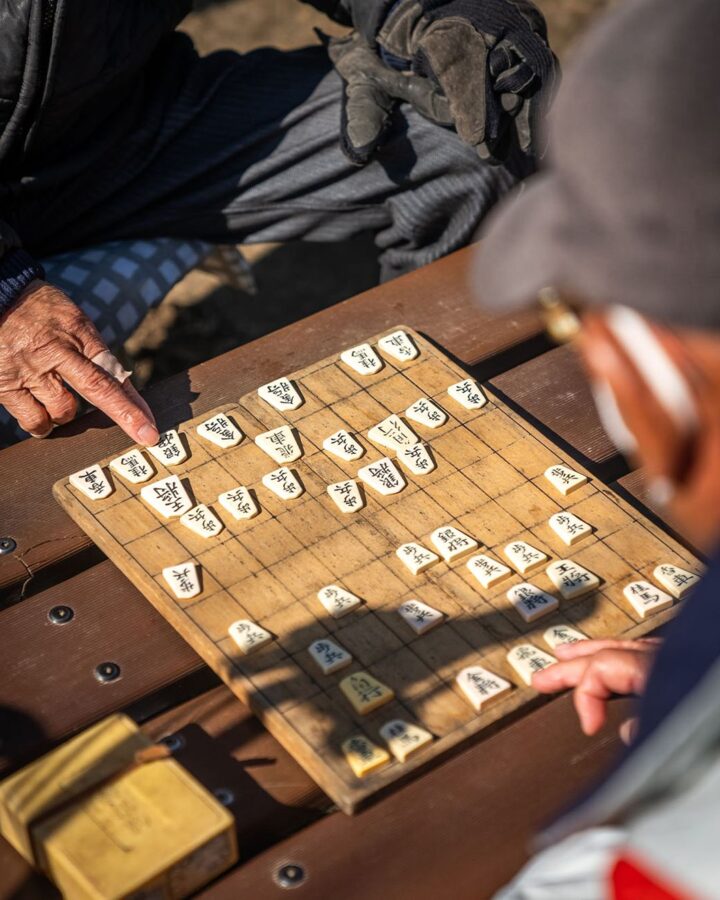
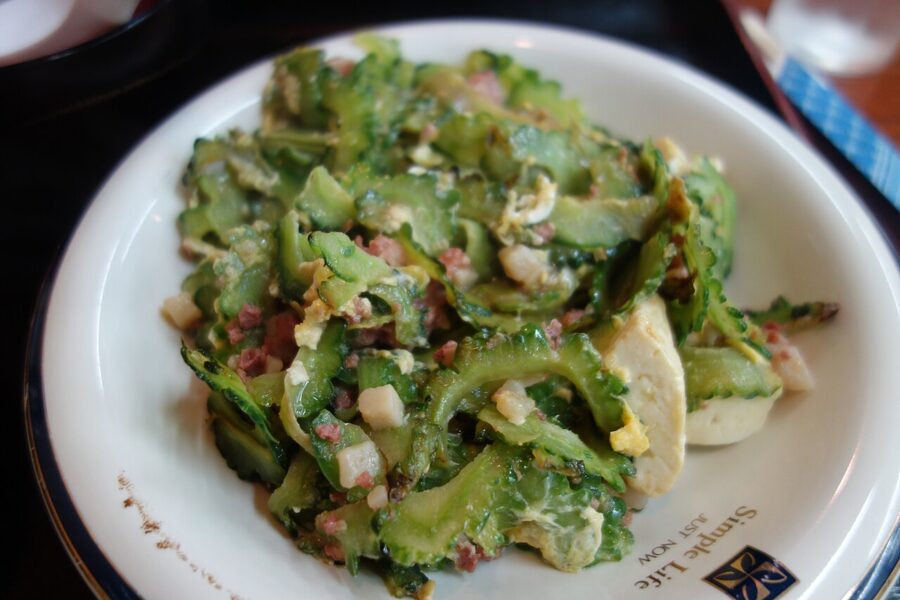
If an old man in Ogimi or a woman on a bench in Sugamo tells you about their ikigai, do not expect circles. Expect a grandchild, a vegetable bed or a morning game of shogi, and the gloss the Cabinet Office prints on its form: joy and pleasure.