
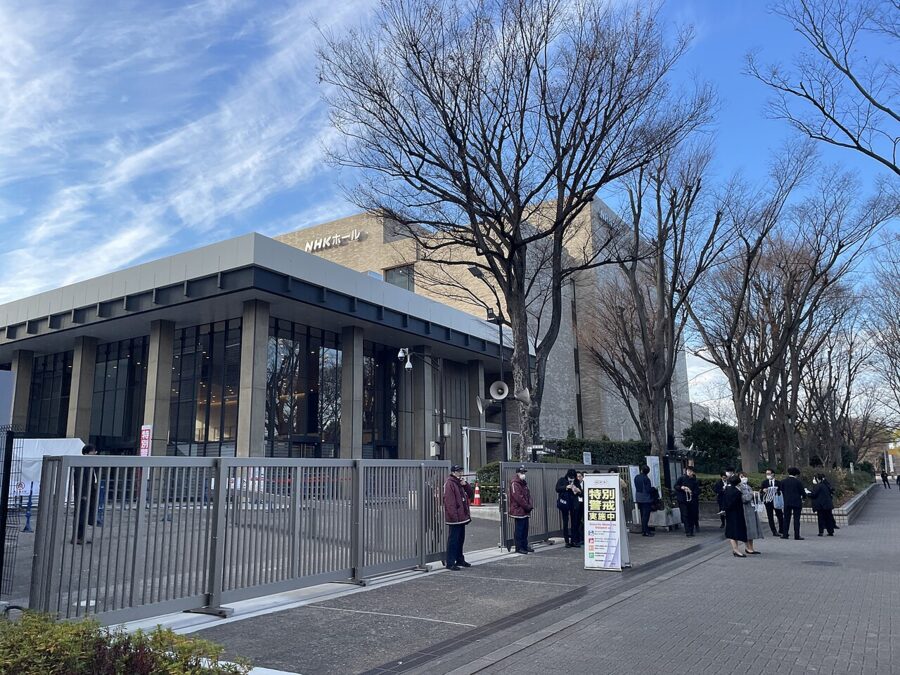

On New Year’s Eve 2023 the NHK Kōhaku Uta Gassen went out without a single act from Johnny & Associates, the first year since 1979 that the show had none. Nobody had banned anyone. That September the agency had admitted that its founder sexually abused boys for decades, and NHK had said it would not invite its performers back until it saw progress on compensation.
That empty slot shows how Japanese show business is wired. The performer belongs to an agency. The agency supplies the networks, the networks fill the year from the January dramas to the Kōhaku, and the charts and the weekly magazines keep score from outside.


In this article
The jimusho: who owns a famous face
The geinō jimusho (芸能事務所, “entertainment office”) is the talent agency, but the English word undersells it. An American agent finds work for a client for a percentage. A Japanese jimusho scouts a teenager, trains them, chooses their image, books their jobs, collects the fees and decides how much of them the performer sees.
The usual arrangement is the senzoku keiyaku (専属契約), an exclusive contract covering everything. Some agencies pay a monthly salary, so that a newcomer eats while the agency invests; others pay a share of each fee, or a mix. Either way the agency owns the relationship with the networks, the advertisers and the record company.
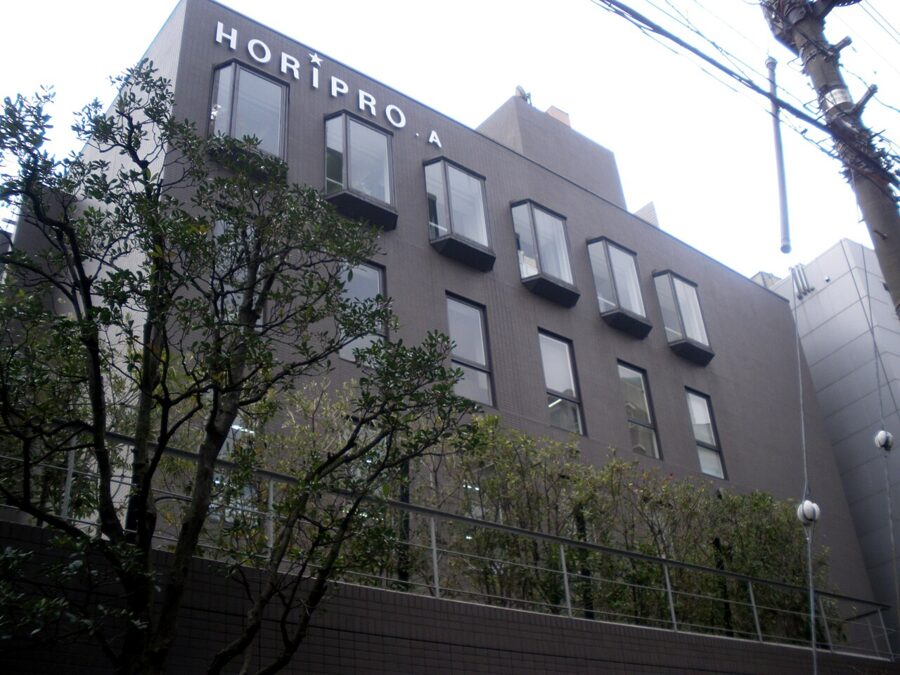

Which agency is the biggest depends on the measure. Yoshimoto Kogyo is the largest by headcount, with thousands of comedians on its books. For male idols the answer for sixty years was Johnny’s; for actors and models the weight is spread across older houses such as Horipro, Watanabe Production and Amuse.
Leaving, and the independence wave
For decades the hard part was the exit. A performer who left on bad terms could find that the networks stopped calling, with nobody saying why. In 2018 the Japan Fair Trade Commission (JFTC) listed restrictions on moving agency, or on using a stage name after leaving, as conduct that could breach competition law.
The case that made it concrete was SMAP. After the group disbanded at the end of 2016, three of its five members, Goro Inagaki, Tsuyoshi Kusanagi and Shingo Katori, left Johnny’s in September 2017 and relaunched as Atarashii Chizu (“New Map”). Their commercial television work fell away, and in July 2019 the JFTC warned Johnny’s that pressuring broadcasters not to use former members could breach the Antimonopoly Act; Johnny’s said it had applied no pressure.
Since then leaving has become ordinary. In 2023 Sho Hirano and Yuta Jinguji left King & Prince and the agency, and with Yuta Kishi formed Number_i under TOBE, the company of the former Johnny’s executive Hideaki Takizawa (滝沢秀明). In September 2025 the JFTC and the Cabinet Secretariat issued guidelines for deals between performers, agencies, broadcasters and labels, built on a survey sent to 2,628 agencies, which set out what an agency may and may not do when a performer wants to go.
I read the guidelines as the end of the old exit penalty, not of the agencies. The common new model is the agent contract: the performer runs their own company and hires the agency to book work for a fee. Some never joined the system at all; Yoshiki of X Japan founded his own label in 1986.
Yoshimoto Kogyo and the comedy system
In April 1912 Taizō Yoshimoto (吉本泰三) and his wife Sei (吉本せい) bought a small variety hall in Tenma, Osaka. By 1922, the company’s own history records, they controlled 41 halls and more than 500 performers. Taizō died in 1924, and Sei ran the business for most of the next quarter-century.
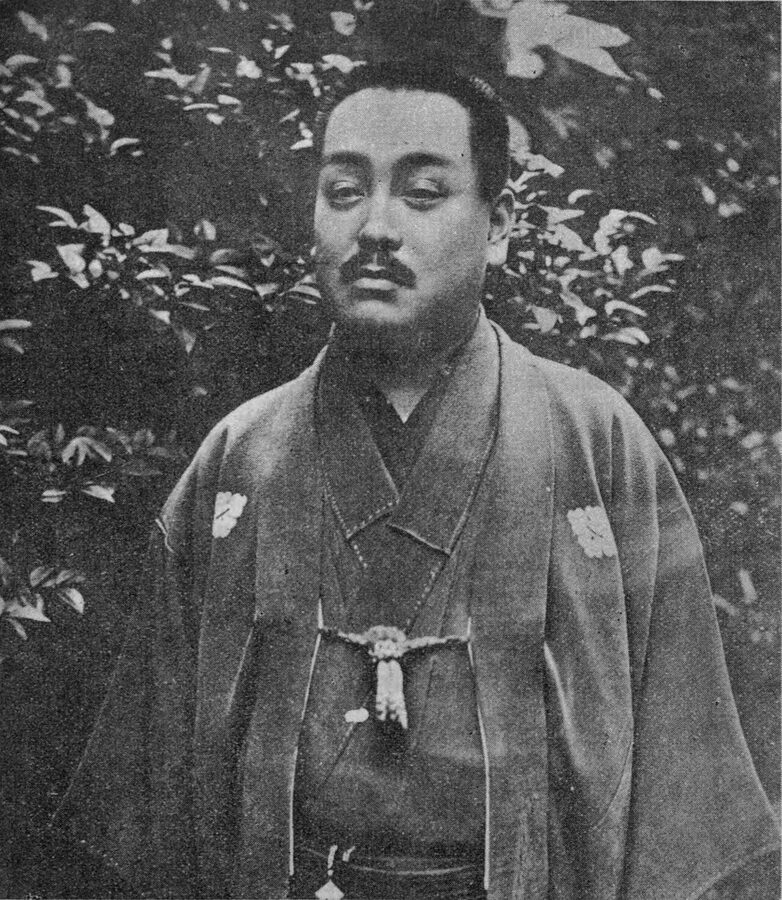
The bet that made Yoshimoto was manzai (漫才), the standing double act. In the late 1920s, with rakugo storytelling losing its audience, the company backed the new patter, and in 1930 it turned a Sennichimae hall into a manzai house with seats at ten sen. In 1959 the Mainichi Broadcasting System began televising its slapstick troupe, later named Yoshimoto Shinkigeki.
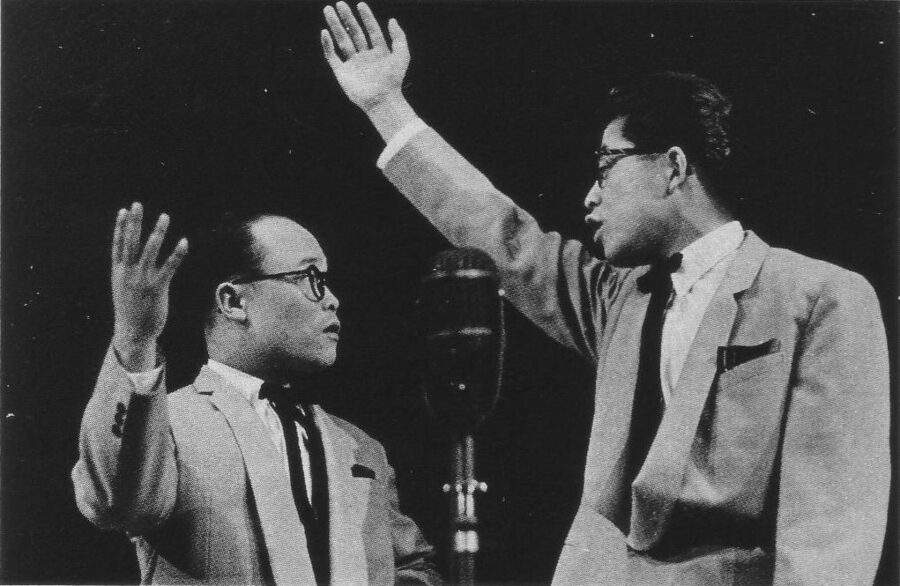
A manzai pair has two jobs. The boke (ボケ, from bokeru, “to go senile”) says the stupid thing; the tsukkomi (ツッコミ, “the jab”) calls it out, often with a slap. The other forms are konto (コント), the costumed sketch, and the pin geinin (ピン芸人), the solo comic.
From apprentice to NSC
For most of the century a comedian reached the stage as the deshi (弟子), or apprentice, of a master. Yoshimoto broke that in April 1982, after the manzai boom of 1980 to 1982, by opening the Yoshimoto Sōgō Geinō Gakuin (吉本総合芸能学院), the school known as NSC. Anyone who paid could enrol, and the first intake included Downtown, the pair who went on to run variety television for thirty years.


NSC turned comedy into an intake. Students form pairs, audition for the company’s small theatres and aim for television. 8.6 Second Bazooka, who formed their act straight out of NSC in 2014, show the path at its fastest: within a year their nonsense phrase was in every playground.
M-1 and the one-hit gag
The M-1 Grand Prix, which Yoshimoto started with Asahi Broadcasting Corporation (ABC) in December 2001, is the national manzai championship. Any pair within fifteen years of forming may enter, and the winner takes ¥10 million (about $63,000) and a year of bookings. Reiwa Roman won in 2023 and again in 2024, the first pair to win twice in a row.
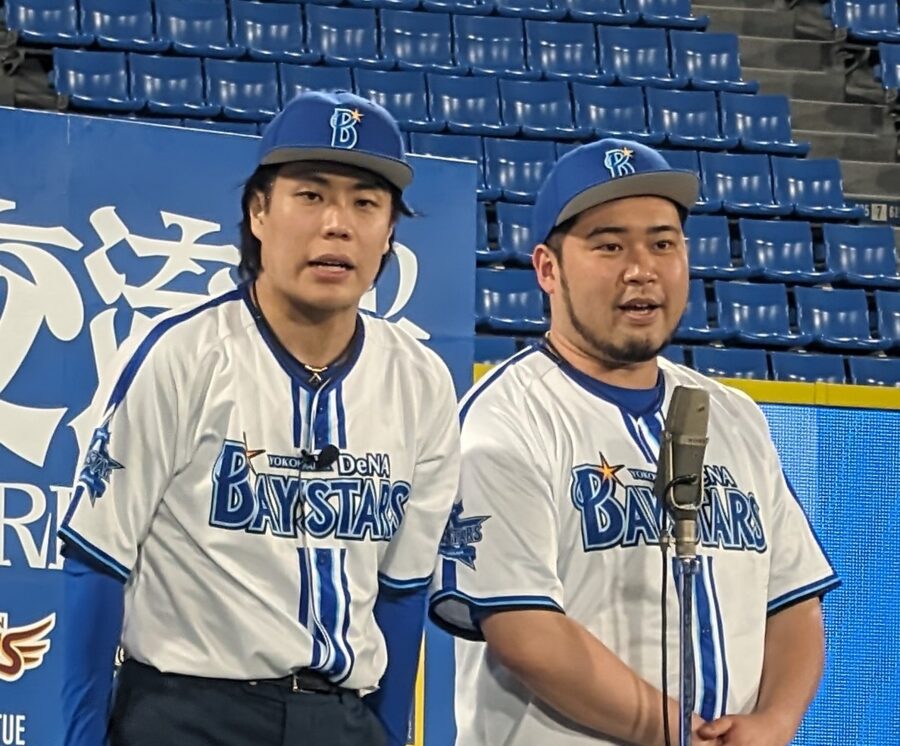



The contest rewards craft. Television’s other reward goes to the ippatsuya (一発屋, “one-shot merchant”), the comic with one phrase and one costume that children can copy. Those acts last a season, and the industry knows it.
The 2019 contracts row
In June 2019 a weekly reported that Yoshimoto comedians had played, without the company’s knowledge, at a party thrown by a fraud ring: yami eigyō (闇営業, “dark bookings”). On 20 July two of them, Hiroyuki Miyasako (宮迫博之) and Ryo Tamura (田村亮), held their own press conference and said the company had stopped them apologising in public. The president, Akihiko Okamoto (岡本昭彦), answered two days later in a conference that ran for more than five hours.

The questions that followed were about paper. Yoshimoto had worked with thousands of comedians without written contracts, and the JFTC’s chairman said that could be a problem. The company then offered every comic a written agreement, either exclusive management or an agent contract.
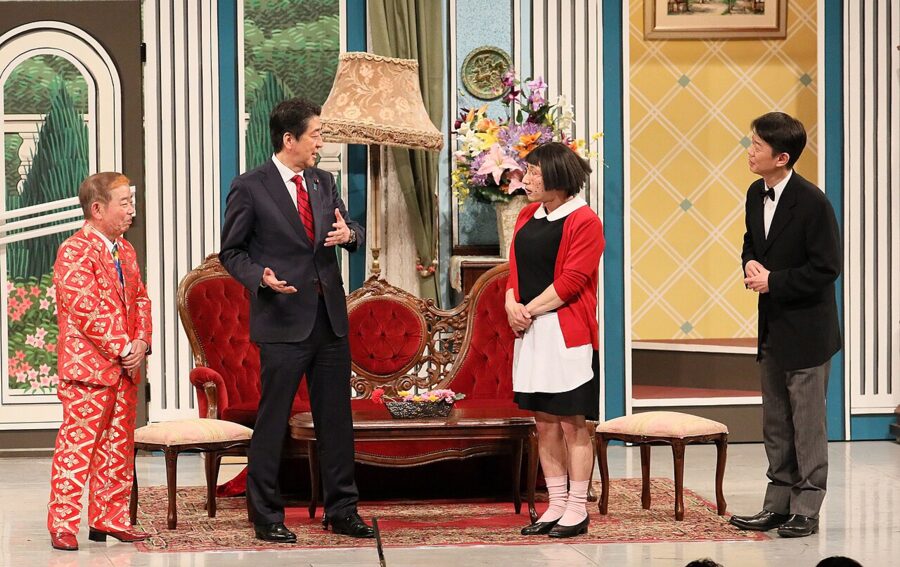

That walk-on measures Yoshimoto’s reach. It runs theatres, television production, a school and regional promotion work, and, as the prime minister of the day found, it can offer a politician the friendliest audience in Osaka.
Idols: the trainee system and its reckoning
An aidoru (アイドル) is a performer sold on personality and closeness to fans more than on voice. What does an idol actually do? Sing and dance, appear on variety shows, act, front advertisements, meet fans, and stay available, in image at least, to all of them.
Johnny’s, 1962 to 2019
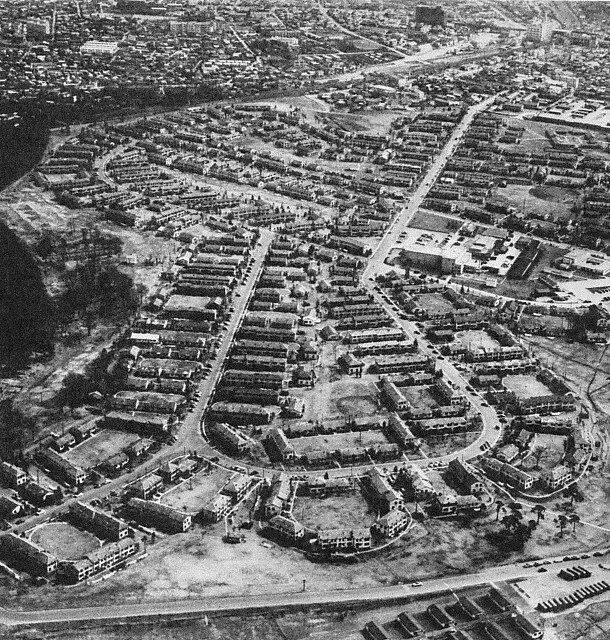
Johnny Kitagawa (ジャニー喜多川) was born in Los Angeles in 1931 and settled in Tokyo after the war. In 1962 he formed a group called Johnnys from a boys’ baseball team he coached at Washington Heights, the American housing estate where Yoyogi Park is now, and the agency dates itself from then.
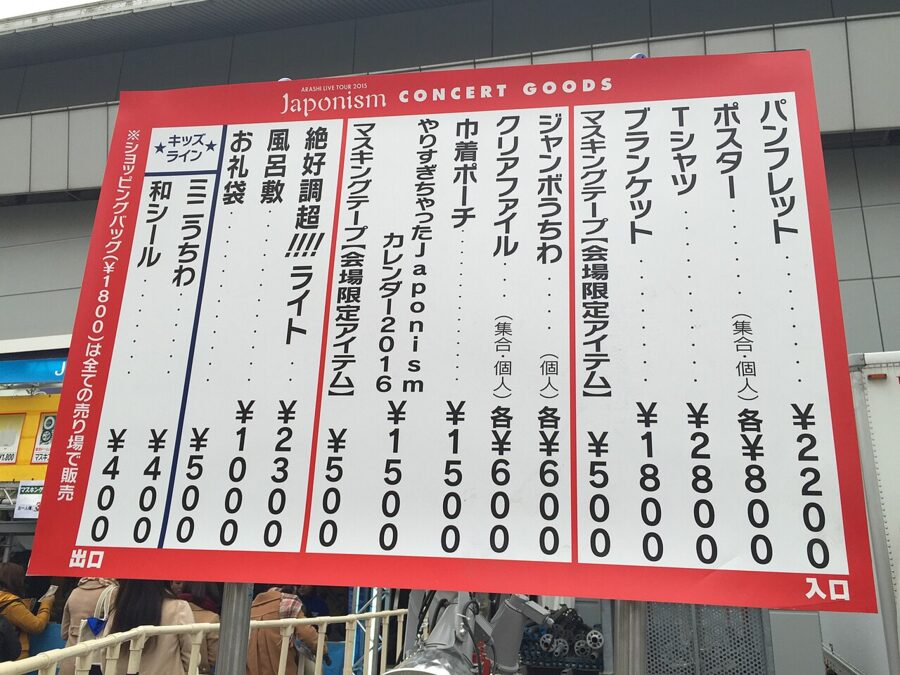
His system was the Johnny’s Jr., a large pool of teenage trainees who danced behind the stars and waited to be chosen. SMAP, debuting in 1991, took the model into variety, news and drama. Arashi, formed in 1999, became the biggest group in the country and played every Kōhaku from 2009 to 2020.

The abuse was reported long before it was admitted. In 1999 the weekly Shūkan Bunshun ran accounts from former trainees, and Johnny’s sued. In 2003 the Tokyo High Court found the core of the abuse reporting true, and in 2004 the Supreme Court declined the agency’s appeal. The networks, which depended on Johnny’s for their schedules, barely reported it, and Kitagawa died in July 2019 with his standing inside the industry unchanged.
2023: the report, SMILE-UP. and STARTO
The silence broke from outside. In March 2023 the BBC broadcast a documentary on Kitagawa, and on 12 April the singer Kauan Okamoto (岡本カウアン) told the Foreign Correspondents’ Club of Japan that Kitagawa had abused him from the age of 15. Other former trainees followed him on camera.
An outside team chaired by Makoto Hayashi (林眞琴), a former prosecutor-general, reported on 29 August 2023. It found that Kitagawa had abused large numbers of trainees from the 1950s into the 2010s, blamed the family ownership that let him go unchecked, and said his niece, the president Julie Keiko Fujishima (藤島ジュリー景子), should resign. On 7 September the company admitted the abuse, and Noriyuki Higashiyama (東山紀之), a veteran performer, replaced her.


In October 2023 the company became SMILE-UP., with one remaining task: compensation. Its performers moved to a new firm, STARTO ENTERTAINMENT, which began work on 10 April 2024 offering agent as well as management contracts. As of 13 November 2026, SMILE-UP. reports 1,049 claims, 583 of them paid.
Another 231 were refused because the company found no record of the claimant as a trainee or of the harm. Higashiyama left the board when his term ended on 30 September 2026, the company saying the remaining work was mostly legal. NHK’s Kōhaku did without the agency’s acts in 2023; on the line-up for 2026, STARTO’s Aぇ! group is among the first-timers.
The abuse was reported in 1999 and upheld in court in 2003. What changed in 2023 was who was willing to repeat it.
AKB48 and the group model
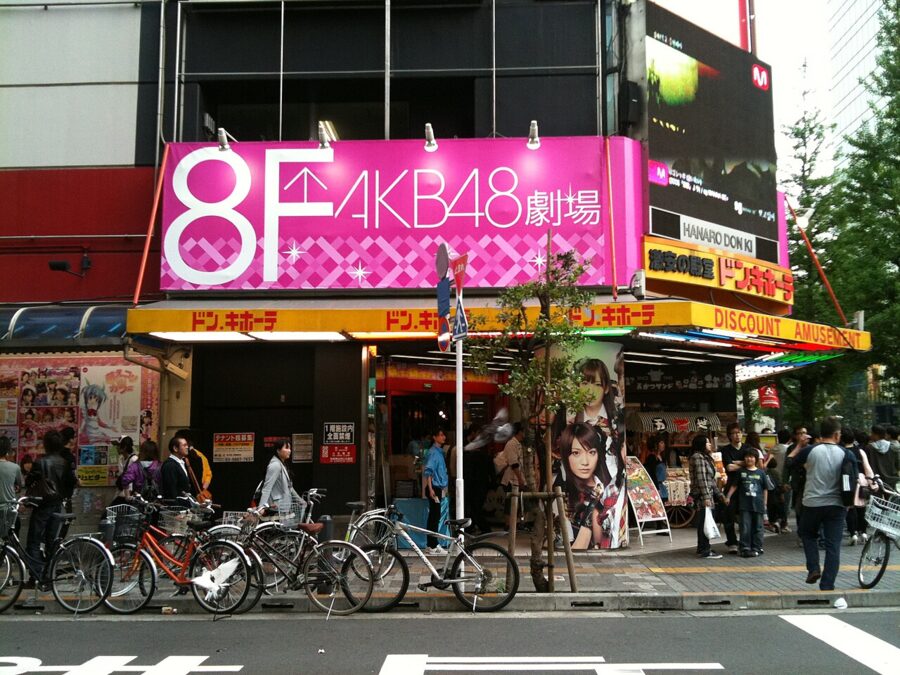
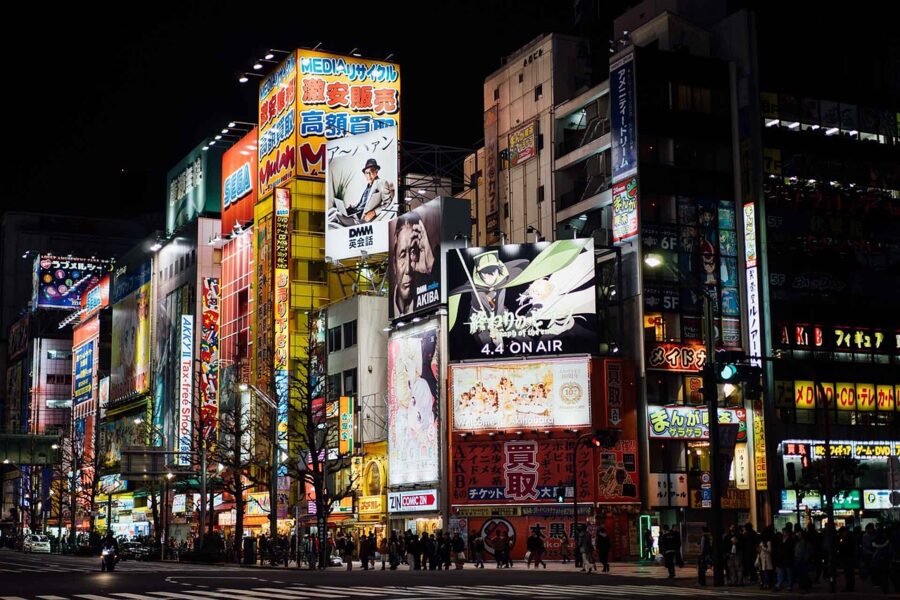
The other idol factory works the opposite way. Johnny’s sold distance. In December 2005 the lyricist and producer Yasushi Akimoto (秋元康) opened a theatre in Akihabara for a girl group that performed daily, under the slogan ai ni ikeru aidoru (会いに行けるアイドル), “idols you can go and meet”. According to the theatre’s own page, seven people came to the first show.

AKB48 turned closeness into a sales model. Tickets for akushukai (握手会), handshake events, came packed in CD singles, and from 2009 to 2018 so did ballots for the senbatsu sōsenkyo (選抜総選挙), the “general election” that ranked members. Fans bought dozens of copies of one single, and the charts filled with million-sellers that measured devotion as much as listening.
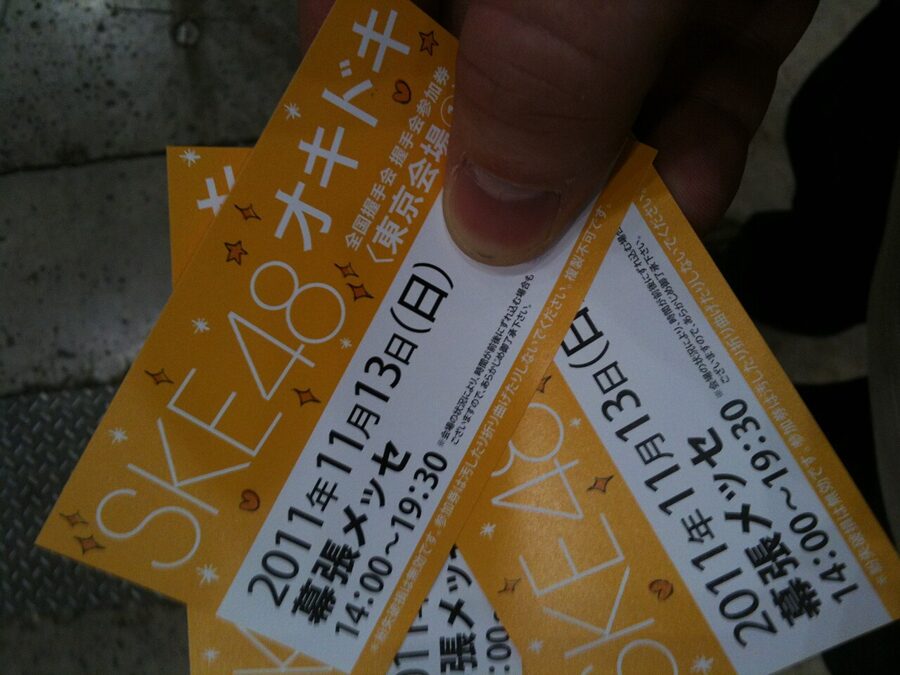

The model spread through sister groups in Nagoya, Osaka and Fukuoka and into the Sakamichi groups, starting with Nogizaka46 in 2011. Underneath sits the chika aidoru (地下アイドル), the “underground idol”, playing small live houses for a few dozen fans.


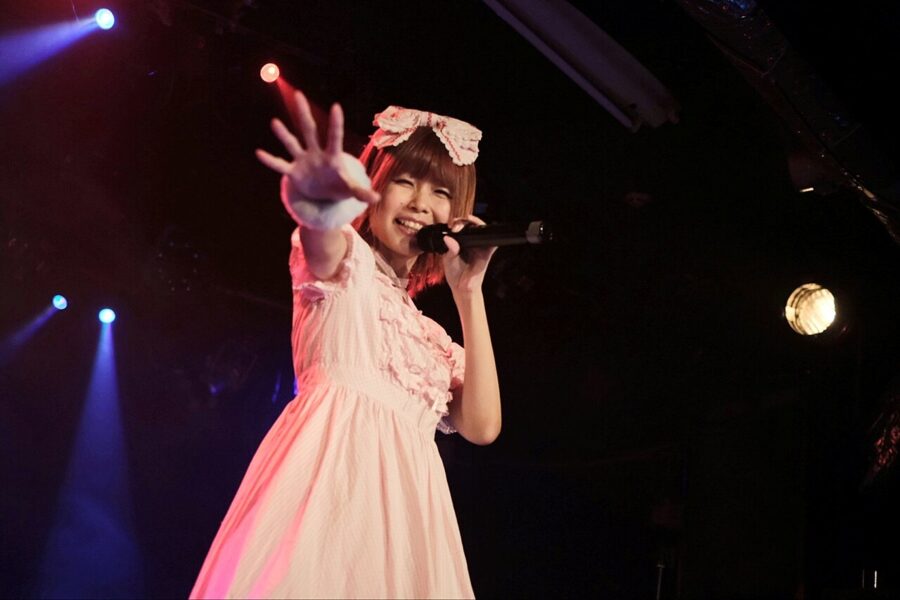

The cost of closeness is control. Many idol contracts ban dating, the ren’ai kinshi (恋愛禁止), and in 2015 a Tokyo District Court judge awarded an agency damages against a former idol who broke one. In January 2016 another judge in the same court refused a similar claim, calling love part of the freedom to pursue happiness.
That is why celebrity marriages are still announced as done deals, through the agency, often with an apology to fans for the surprise. When the table tennis player Ai Fukuhara married in 2016, it led the evening news.
Television: tarento, wide shows and the four seasons
The agencies need television, and Japanese television needs them on a scale with no Western equivalent. A tarento (タレント, from the English “talent”) is a celebrity whose job is being on television: a comedian, a former idol, a model, an athlete, moving between genres freely.
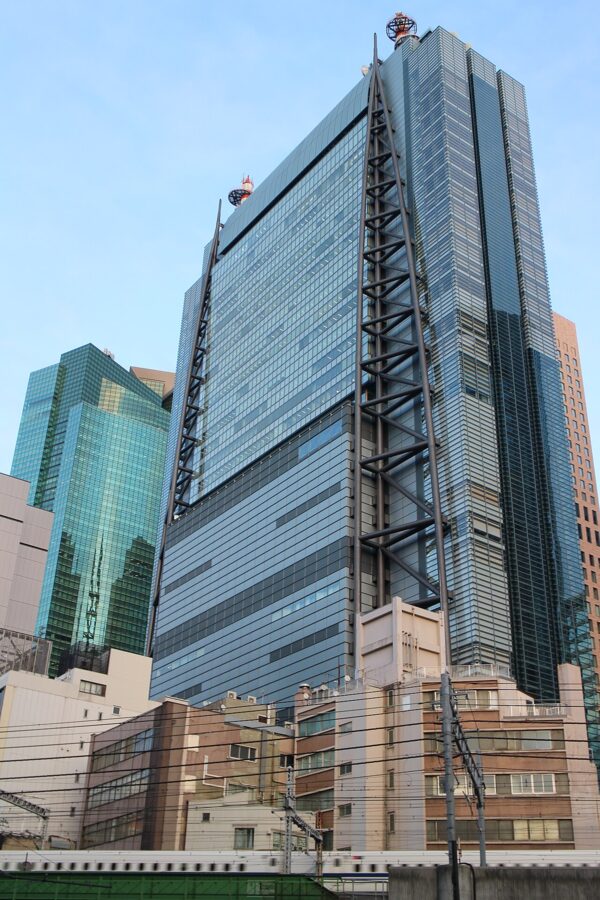

Variety, and the wide shows
The staple is baraeti (バラエティ), the variety show: a host, a tier of seated comics called hinadan geinin (ひな壇芸人, after the stepped stand for festival dolls), and filmed segments. The faces reacting in the corner of the screen are the waipu (ワイプ, “wipe”).
The waido shō (ワイドショー, “wide show”) is the weekday news-and-gossip programme, mixing politics, crime and celebrity with tarento as commentators. It is where most viewers first hear of a scandal. Ratings come from Video Research, which since 2020 has reported individual viewing nationwide alongside the household figure.
Drama seasons and the Monday 9 slot
Japanese drama runs in four seasons, called kūru (クール, from the French cours), starting in January, April, July and October. A series runs ten or eleven episodes and ends; second seasons are rare. Each network keeps fixed slots, so viewers know a TBS Tuesday or Sunday drama the way they know a newspaper section.


The famous slot is Fuji TV’s getsuku (月9), Monday at 9 p.m., which began in April 1987 and defined the late-Bubble trendy drama. Ratings have fallen since, and a hit now is a show people talk about and stream, as TBS’s Nigeru wa Haji da ga Yaku ni Tatsu was with the Koi dance.
The Kōhaku
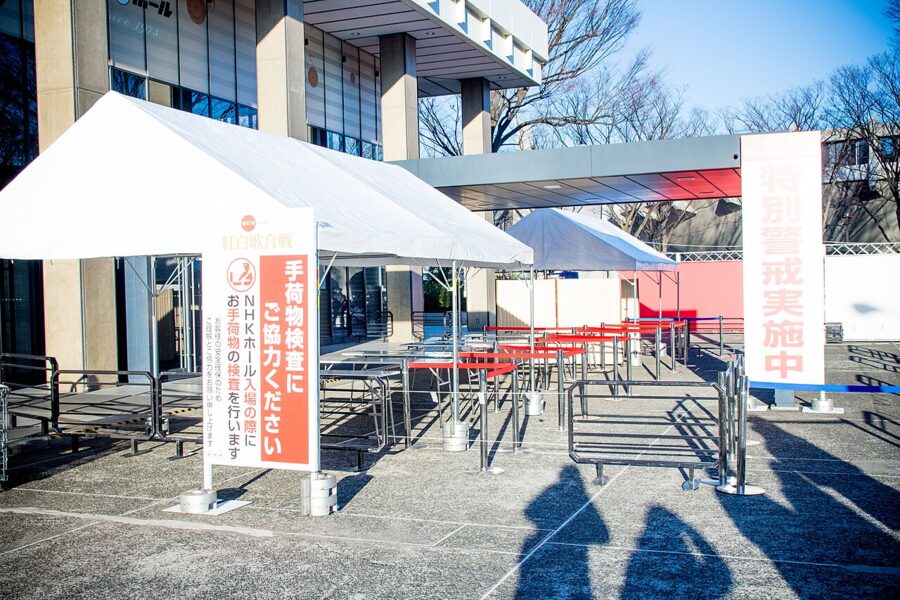
The NHK Kōhaku Uta Gassen (紅白歌合戦, “red and white song battle”) began on radio on 3 January 1951 and has been televised on New Year’s Eve since 1953. Women sing for the red team, men for the white. Its record, 81.4% of Kanto households in 1963, will never be matched.
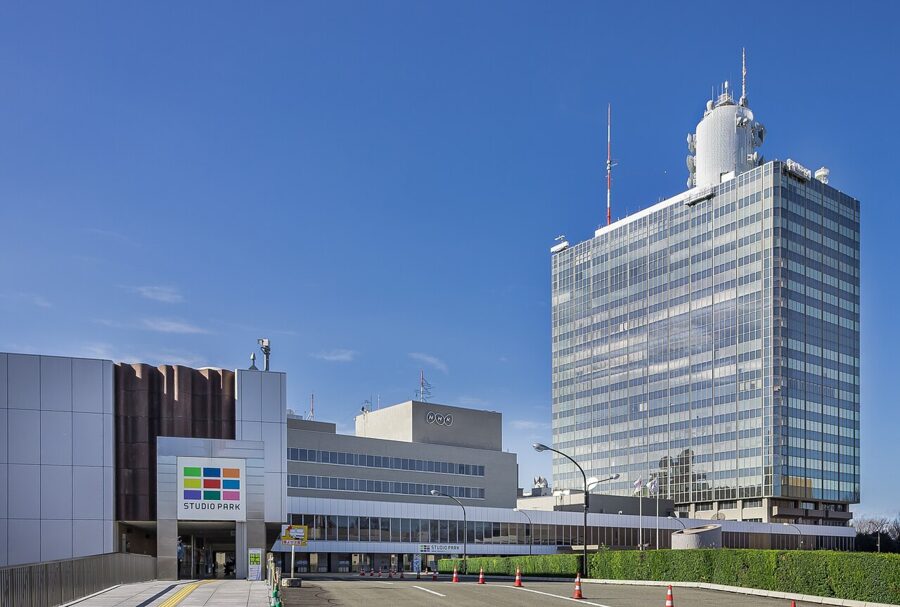

A Kōhaku booking is still how the industry measures a year. In 2023 the second half drew 31.9%, the lowest on record; in 2025 it recovered to 35.2% (Video Research, Kanto). For 2026 NHK named 41 acts plus a special appearance by Koshi Inaba of B’z, with seven first-timers, for 7:20 to 11:45 p.m. on 31 December.

Music charts: what Oricon and Billboard Japan count
Japan still buys CDs, which is why it has two charts. Oricon, founded in 1967, built its weekly chart on physical sales. That made it the scoreboard of the handshake era, when a single could sell a million in a week to a fan base far smaller than a million.


Billboard Japan’s Hot 100, launched in 2008, combines CD sales with downloads, streaming, radio play and other signals. Since December 2017 it has adjusted how far physical sales count, a correction aimed at multi-copy buying, and in 2025 it began trimming the streaming points of songs a year into their run. Oricon added a combined ranking of its own in December 2018.
The disagreement between them tells you something. A song topping Oricon and missing from Billboard Japan’s top end was bought by a loyal fan base; a song high on Billboard Japan with modest CD sales is the one people hum. Gen Hoshino’s “Koi” spent 11 weeks at number one on the Hot 100 and entered Oricon’s CD chart at number two.
The weeklies and the scandal cycle
The networks depend on the agencies, and the big newspapers sit inside the press clubs. The part of the system that answers to neither is the shūkanshi (週刊誌), the weekly magazine. Shūkan Shinchō began in 1956, Shūkan Bunshun in 1959, and the photo weeklies such as FRIDAY, from 1984, added the long lens.
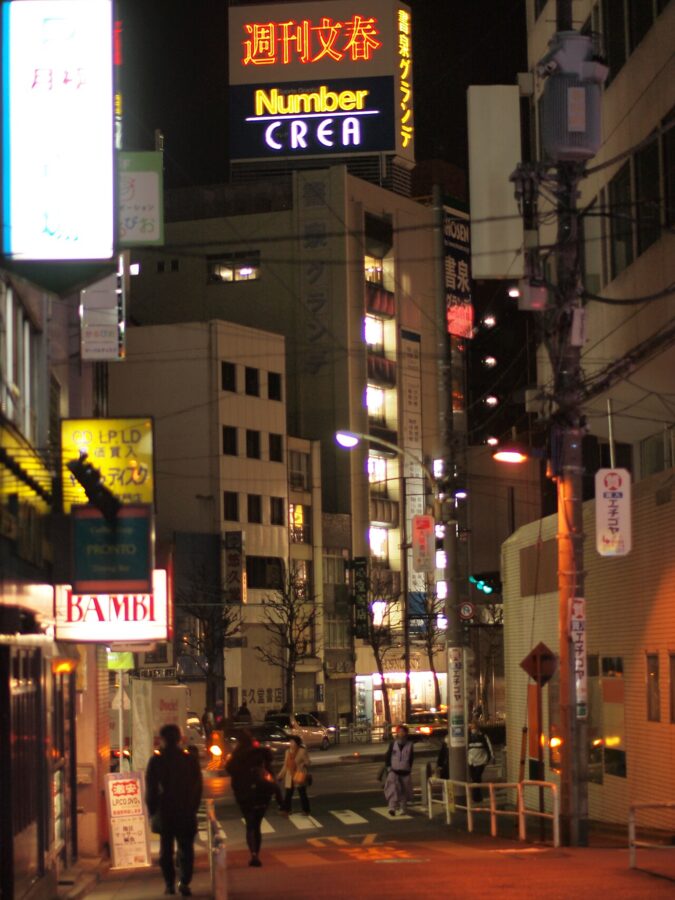

Shūkan Bunshun, published by Bungei Shunju, is the one the industry fears. Its scoops are called Bunshun-hō (文春砲, “the Bunshun cannon”), and they have ended careers in Japanese politics as well as on television. Its 1999 Johnny’s series is why it could say in 2023 that it had been right all along.
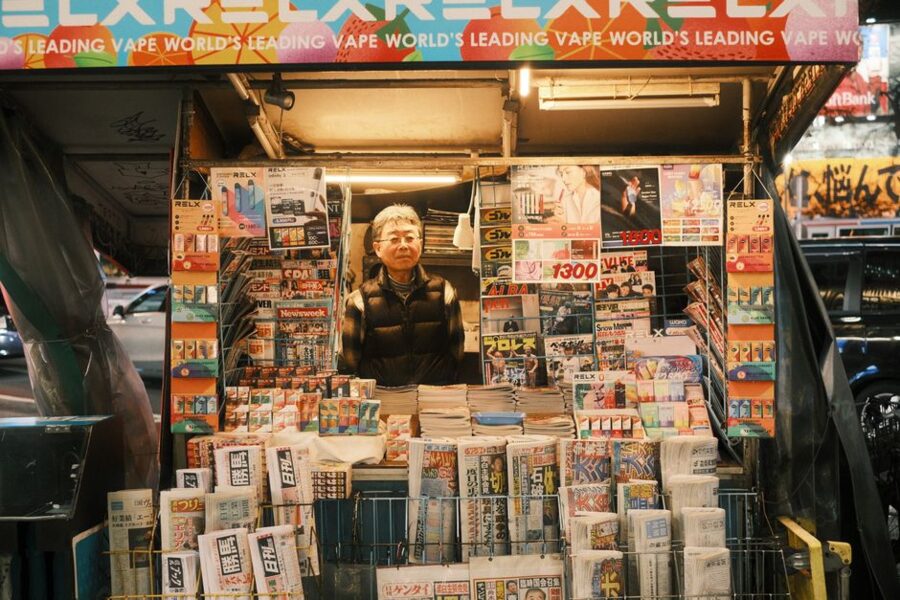
The cycle that follows is well worn, and everyone in it is expected to read the air. The weekly publishes; the agency issues a statement; sponsors pull advertisements. If the story holds, the performer gives a shazai kaiken (謝罪会見), an apology press conference, with a long bow and “I am sorry for causing a commotion”, then withdraws for months.

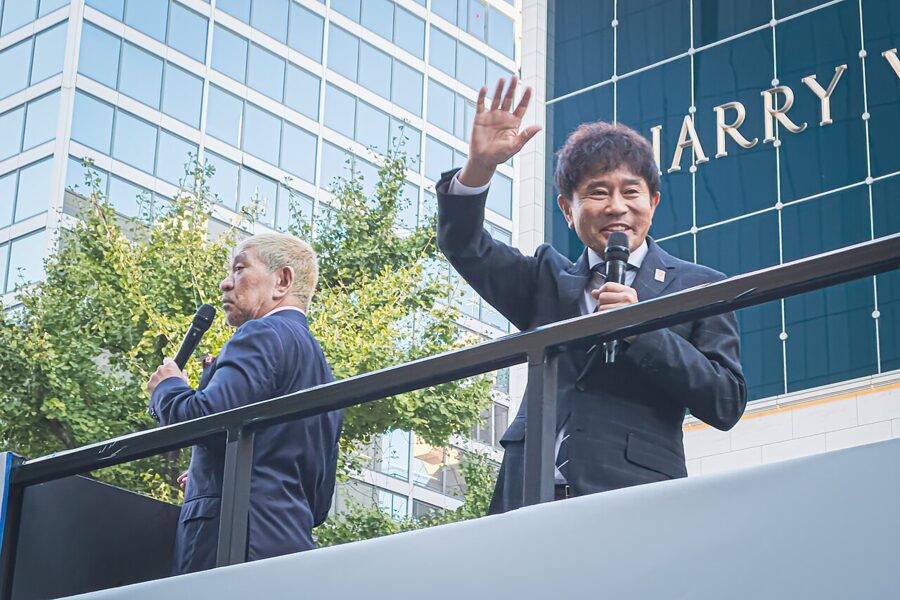
Two recent cases broke the pattern. In December 2023 Shūkan Bunshun reported allegations of sexual misconduct against Hitoshi Matsumoto (松本人志) of Downtown, Yoshimoto’s biggest name. He denied them, stopped work and sued the publisher for ¥550 million (about $3.5 million), then withdrew the suit in November 2024, apologising to any women who had felt hurt while maintaining there was no evidence of coercion. In November 2025 he returned on DOWNTOWN+, Yoshimoto’s paid streaming service, not on broadcast television.

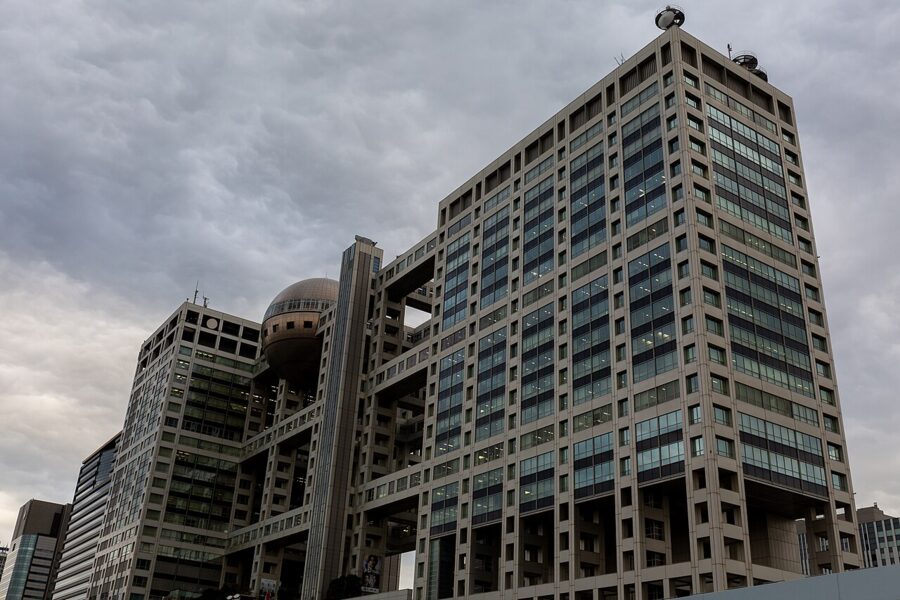
The second case turned on a network. In December 2024 the weeklies reported that the former SMAP leader Masahiro Nakai (中居正広) had settled a dispute with a woman who had worked at Fuji TV. Fuji’s first press conference, in January 2025, was closed to cameras, and advertisers withdrew by the dozen, replacing their spots with public-service notices as they had after the 2011 earthquake. Nakai retired on 23 January, and Fuji’s chairman and president resigned at a second conference that lasted about ten hours.
On 31 March 2025 a third-party committee appointed by Fuji found that Nakai had committed sexual violence against the woman, in what it called an extension of her work, and criticised Fuji’s handling of it. Nakai’s lawyers disputed the finding. The weeklies started the story, but advertisers and lawyers settled it.
Where to see it for yourself
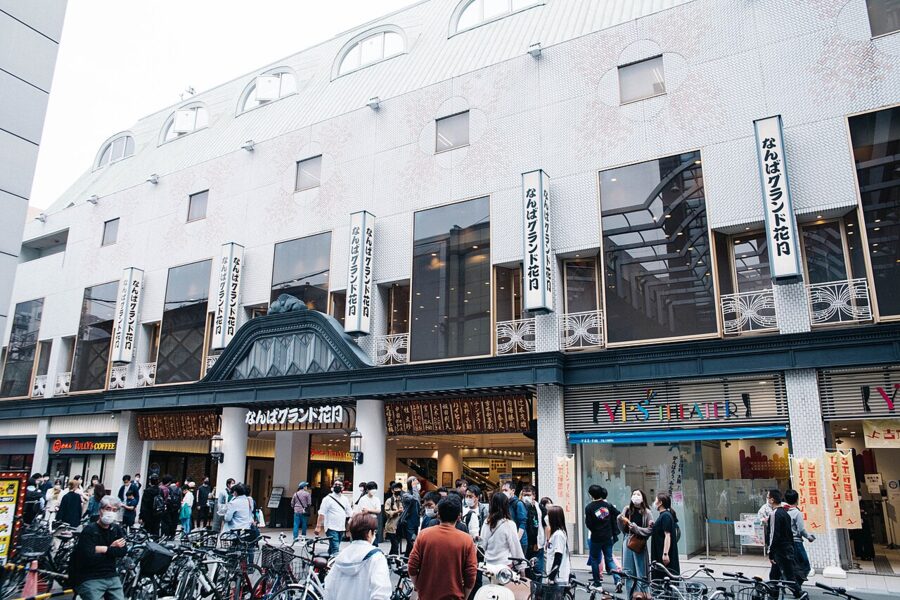
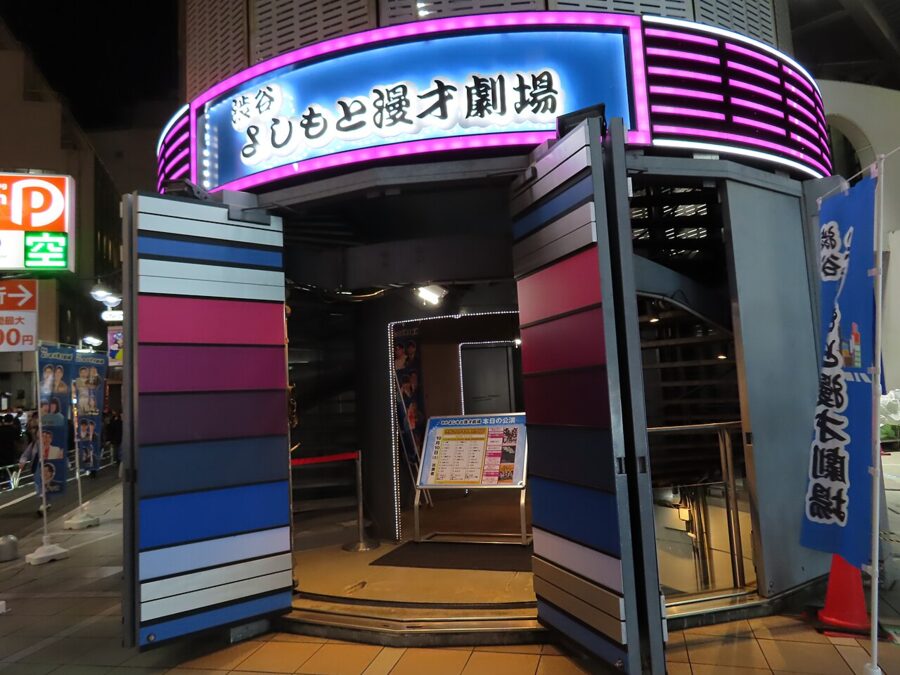
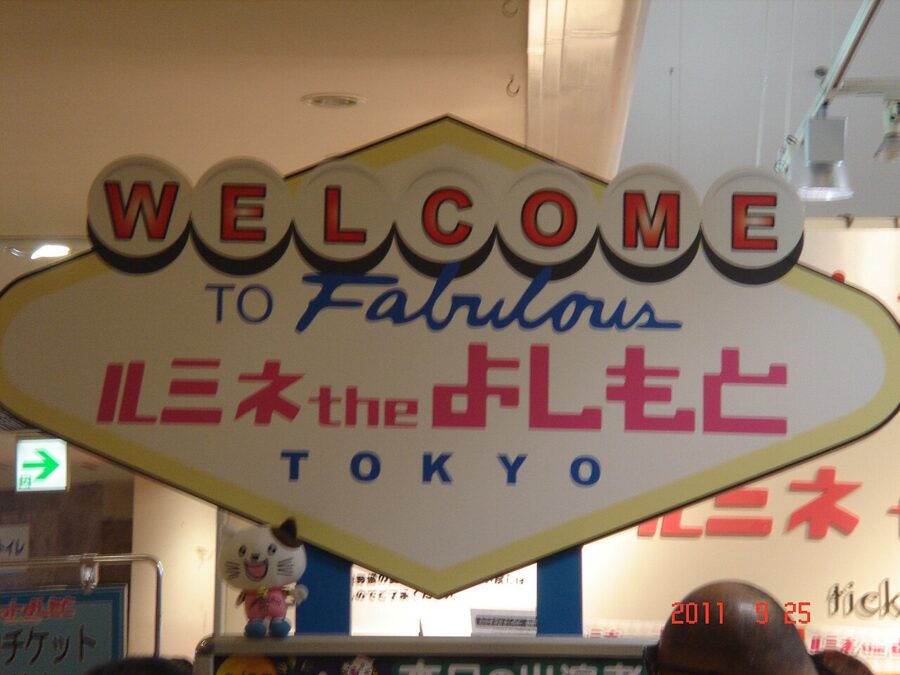
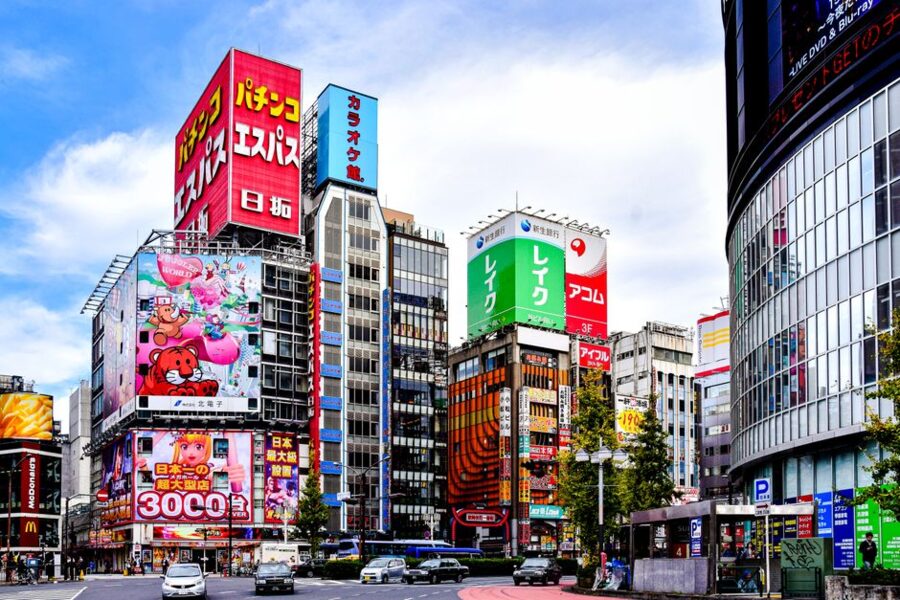
Comedy is the easiest part to see live. Namba Grand Kagetsu runs shows daily near Namba Station in Osaka. In Tokyo, Lumine the Yoshimoto is on the seventh floor of Lumine 2 at Shinjuku Station’s south side, and the Shibuya Yoshimoto Manzai Theater, given over to young double acts, is in Udagawacho, a few minutes from Shibuya Station.


As of November 2026 the AKB48 Theater is still on the eighth floor of Don Quijote Akihabara (4-3-3 Sotokanda), five minutes on foot from the Electric Town exit of JR Akihabara Station, with seats by application. NHK Hall is in Jinnan, Shibuya, about 15 minutes on foot from Harajuku Station on the JR Yamanote Line.
Or watch from home on 31 December. Count the agencies behind the 42 acts, and look for Aぇ! group, the STARTO act among this year’s first-timers. Three years after the empty slot, it is a small booking, and the whole industry will be counting that one too.