


On 7 September 2023 the management of Johnny & Associates faced a press conference, something no one running the company had done in its sixty-one years. Julie Keiko Fujishima (藤島ジュリー景子), the founder’s niece and until two days earlier its president, said that the company, and she personally, recognised that her late uncle had sexually abused boys in its care. “My uncle did this,” she said through tears, “so I, his niece, will take responsibility.”
Beside her sat the new president, Noriyuki Higashiyama (東山紀之), of the 1980s group Shonentai. He called his old mentor’s conduct the work of a fiend. That afternoon the company still meant to keep the name Johnny’s. Within six weeks the name was gone, the sign was off the building and the agency had split in two.
Johnny’s (ジャニーズ, Janīzu) was for sixty years the dominant maker of male idols in Japan, the house that gave the country SMAP, Arashi and a Tokyo Dome full of fans on many weekends. How talent agencies in general hold their performers and the networks is its own subject, covered in the Japanese entertainment industry. This is the story of the one that set the rules, and of what happened when the rules stopped protecting its founder.



In this article
- Johnny Kitagawa and the founding
- The machine: juniors, debut and the television grip
- The allegations, 1964 to 2019
- 2023: the BBC film, Kauan Okamoto and the UN panel
- The admission, the new names and the split
- Compensation: the numbers to date
- Sponsors and broadcasters
- Where it stands in November 2026
Johnny Kitagawa and the founding
Johnny Kitagawa (ジャニー喜多川) was born in Los Angeles in 1931 and settled in Tokyo after the war. He coached a boys’ baseball team at Washington Heights, the US military housing estate that stood where Yoyogi Park is now. In 1962 four of those boys became a singing group called Johnnys, and the company has always dated itself from that year; in the story it told for decades, the idea came after the boys saw West Side Story together.

The business side belonged to his elder sister, Mary Kitagawa (メリー喜多川), who closed the snack bar she ran and took over the management of the first group. From 1980 until Johnny’s death in 2019 the two of them held the shares half and half. The outside team that investigated the company in 2023 described a family firm in which nobody could stop the founder, and that diagnosis runs through everything that follows.
The trouble started early. In 1964 the head of a Tokyo performing school, Shin Geino Gakuin, took Kitagawa to court in a dispute that included accusations of indecent conduct with pupils. The four Johnnys testified that nothing had happened, and the court found no proof. Ryo Nakatani (中谷良), one of the four, wrote in 1989 that he had testified as instructed and that it was false.
The machine: juniors, debut and the television grip
Kitagawa’s lasting invention was the trainee pool. Boys, most of them in their early or middle teens, joined as Johnny’s Jr. (ジャニーズJr.), danced behind the established groups, learned the songs and waited. Debyū (デビュー) in this world means a CD release under a group name, and Kitagawa decided who got one, which members went in, and where each stood on stage.

Each decade had its group. Four Leaves, the hit group of the late 1960s, set the template of a band that sang and danced but played no instruments. The Tanokin Trio carried the agency into the 1980s, Shonentai brought acrobatic stagecraft from 1985, and Hikaru Genji, on roller skates, became in 1988 the first group of the house with three singles on Oricon’s year-end chart.
SMAP, which released its first CD in 1991, took the model out of the music shows and into variety, drama and news, and broke up at the end of 2016 after a feud inside the office. Sho Sakurai and the four others of Arashi, launched in 1999, became the biggest act in the country in the 2010s. KAT-TUN, whose CD debut came in 2006, was the rougher, louder answer. In 2011 Guinness World Records credited Kitagawa with producing 232 number-one singles and 8,419 concerts between 1974 and 2010, both records for one person.
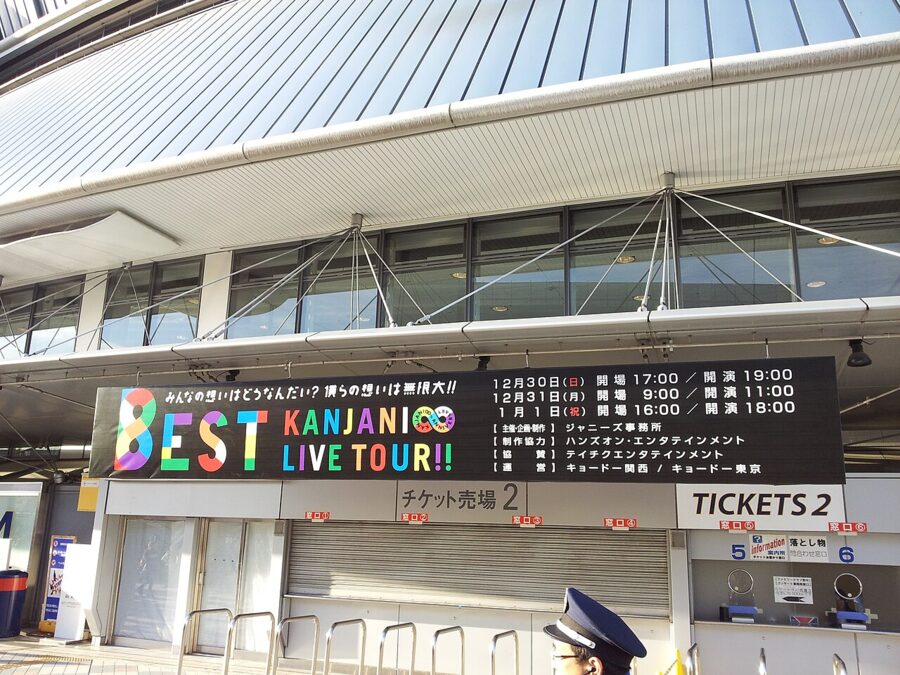

Contact with fans ran through the Johnny’s Family Club, a paid membership that handled concert tickets and, for much of the twentieth century, worked by post and fax. The company also controlled faces. Until January 2018 it allowed almost no photographs of its talent online, so that the official sites of films and dramas used silhouettes in their place, and its back catalogue reached streaming services only after Kitagawa died.


The television grip was the part outsiders felt. A network that wanted the agency’s stars for its dramas, variety shows and year-end specials was expected not to set them beside idols from rival agencies, and not to run stories the agency disliked. NHK’s year-end Kōhaku Uta Gassen had at least one Johnny’s act every year from 1979 to 2022, and seven of them in 2015. In 2019 the Japan Fair Trade Commission warned the company that pressing broadcasters to drop the three SMAP members who had left could breach the Antimonopoly Act; the company denied applying pressure.
The allegations, 1964 to 2019
The claims did not surface in 2023. A run of memoirs by former members said it in print years before: Koji Kita (北公次) of Four Leaves in Hikaru Genji e (光GENJIへ, To Hikaru Genji, 1988), Nakatani in Janīzu no Gyakushū (Johnny’s Strikes Back, 1989), and the former trainee Junya Hiramoto in 1996. The publishers were small, and the books were treated as gossip.
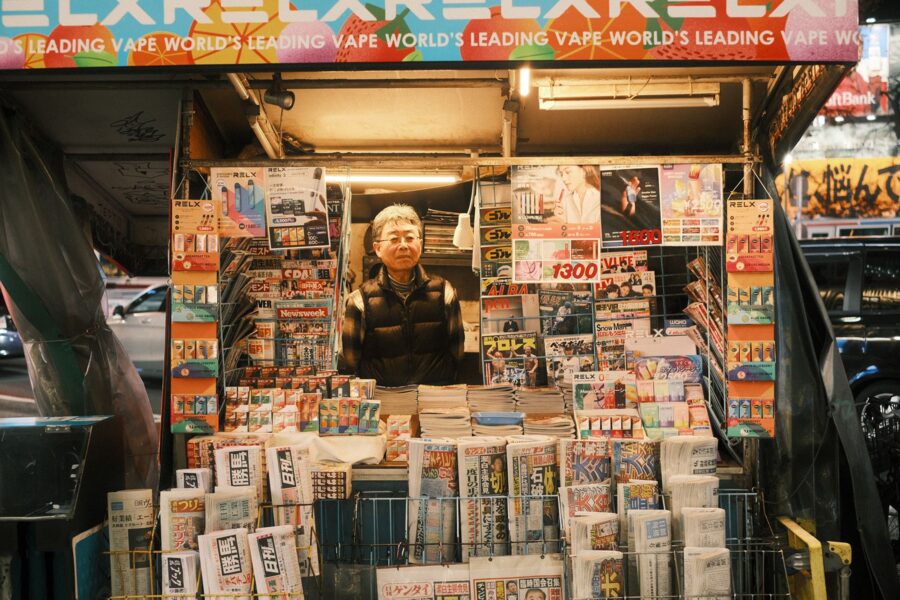
In October 1999 the weekly Shūkan Bunshun began a series built on interviews with more than ten former trainees, who described abuse at night in Kitagawa’s homes in Harajuku and Roppongi, the gasshukujo (合宿所, “the dormitory”) where boys stayed over in groups. Kitagawa and the agency sued the publisher, Bungei Shunju, for more than ¥100 million (about $640,000 at today’s rate). In April 2000 Yoshihide Sakaue (阪上善秀), a Liberal Democratic Party (LDP) member of the House of Representatives, raised the reports in a Diet committee and asked whether the police had looked into them.
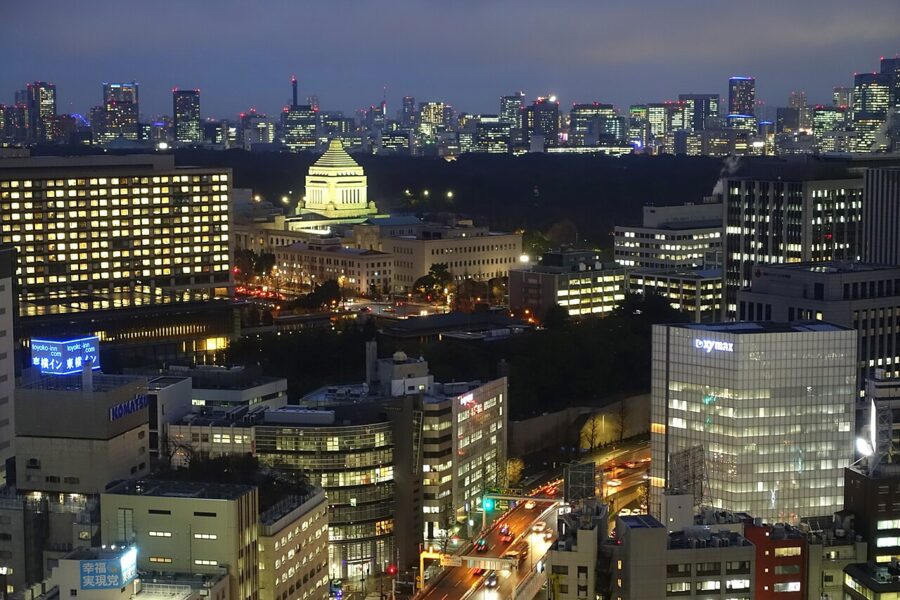
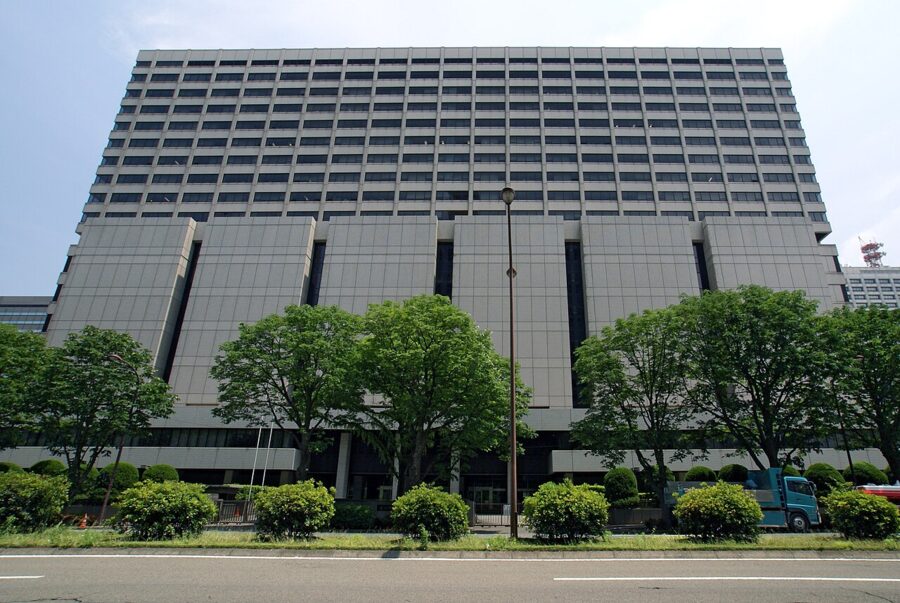
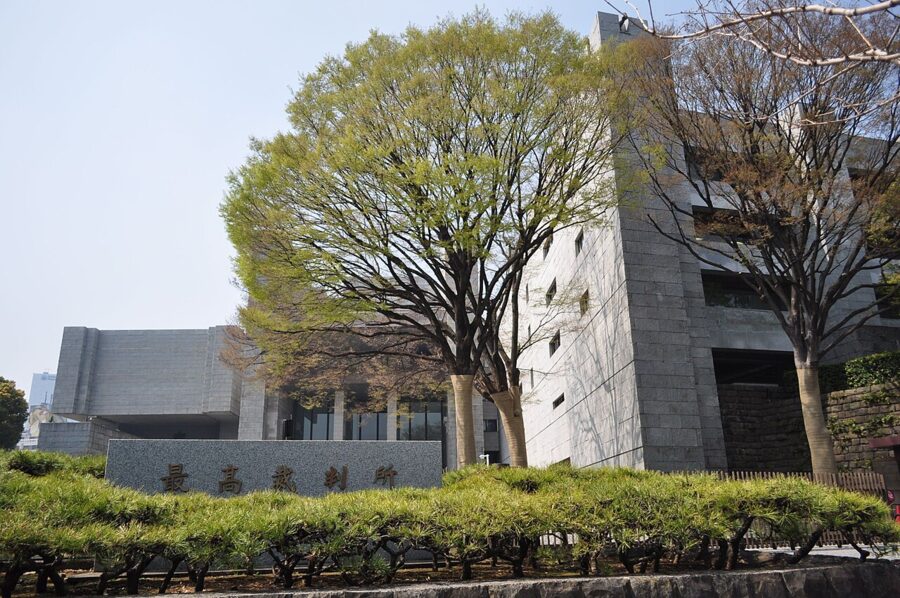
The courts went one way and then the other. On 27 March 2002 the Tokyo District Court ordered Bungei Shunju to pay ¥8.8 million (about $56,000). On 15 July 2003 the Tokyo High Court held that the trainees’ accounts were consistent and specific, found the abuse allegations true in their important parts, and cut the damages to ¥1.2 million (about $7,600) for the separate claims about smoking and drinking. On 24 February 2004 the Supreme Court refused Kitagawa’s appeal.

On the stand Kitagawa had said he found it hard to say clearly that the boys had lied. It was a civil defamation case, not a criminal conviction, and he was never charged with anything.

Why the press stayed quiet
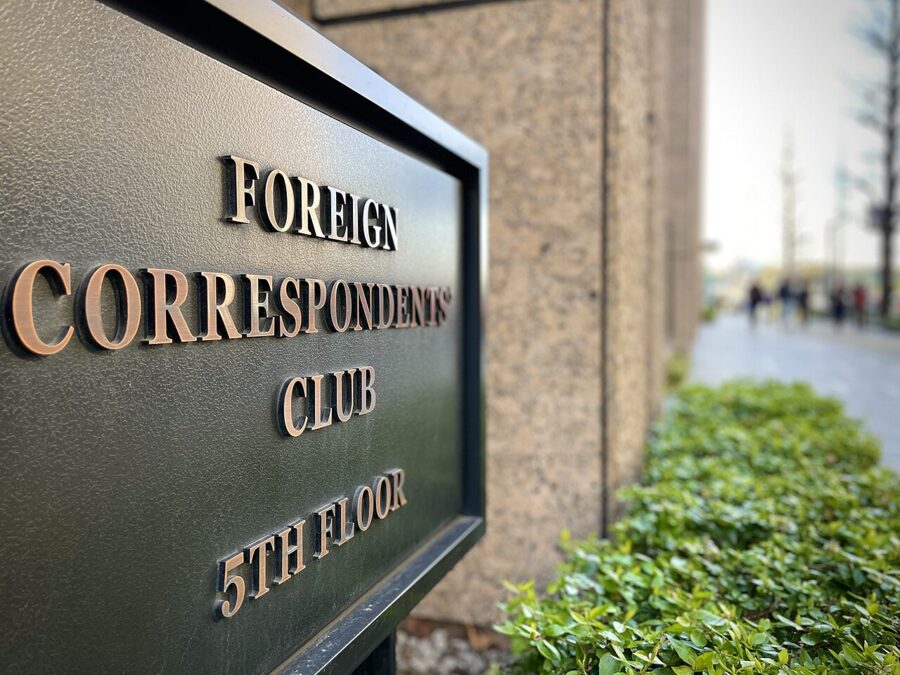
The newspapers gave the 2003 ruling a few lines and the networks gave it none. The New York Times and The Guardian had reported the allegations in 2000, and the Japanese press had covered the agency’s first-round win in 2002 at length, then went quiet on the reversal. Foreign correspondents had less to lose, and it was at their club, the Foreign Correspondents’ Club of Japan, that the story finally reached the evening news in 2023.

The reasons Japanese media gave later make a list of conveniences. There was no criminal case to report. Until 2017 the crime of rape in Japan covered only female victims, and until July 2023 the age of consent was 13, so the trainees’ accounts fell between the laws. Male victims were not taken seriously, and each broadcaster had a staff member who served as the agency’s point of contact, often a fan of its talent.
Underneath it was sontaku (忖度), doing what the powerful want before they ask. The agency had cut off Bunshun and every other title of its publisher from its stars once the series ran. A network that aired the story risked its dramas, its music specials and its year-end ratings. The same habit of not crossing a power that can punish you comes up wherever Japanese press freedom is argued about.
Kitagawa died on 9 July 2019 at 87. There was a large public farewell, and Prime Minister Shinzo Abe sent a message of condolence praising his work.
2023: the BBC film, Kauan Okamoto and the UN panel
The silence broke from outside. On 7 March 2023 the BBC broadcast Predator: The Secret Scandal of J-Pop, presented by Mobeen Azhar, who had started on the subject after Kitagawa’s death and found that almost nobody in Japanese media would talk to him except Bunshun. The film put former trainees on camera and asked why Japan still revered the man.


On 12 April 2023 the singer Kauan Okamoto (岡本カウアン), a former Johnny’s Jr., gave a press conference at the FCCJ under his own name and on camera. He said Kitagawa had abused him repeatedly between 2012 and 2016, starting when he was 15, and estimated that 100 to 200 boys were invited to Kitagawa’s home in his years there. NHK gave it two minutes the next afternoon, its first television report on the case, and other former trainees followed him onto camera within weeks.
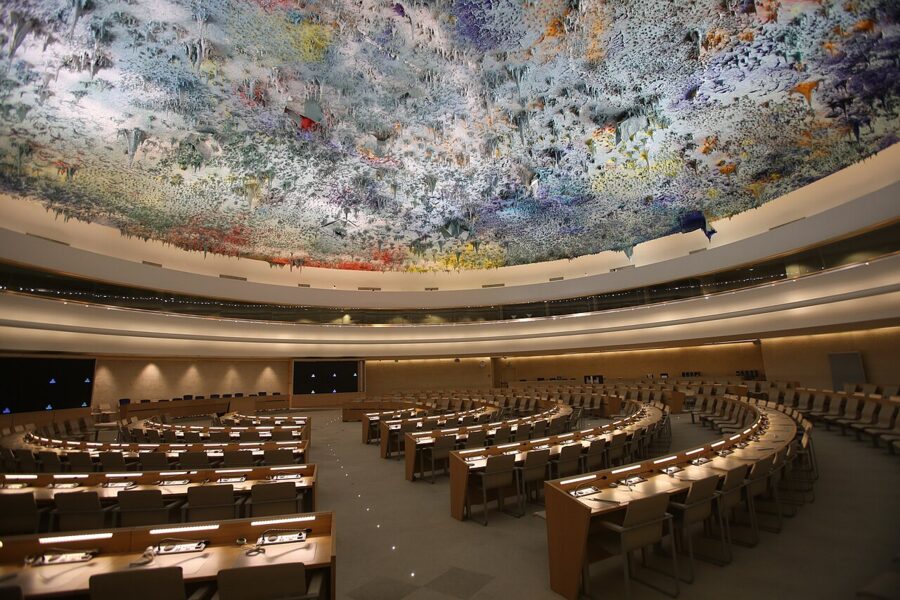
Fujishima posted a video apology on 14 May without saying whether the abuse had happened. In late July the UN Working Group on Business and Human Rights arrived on a visit to Japan and met former trainees and the agency itself. At the end of the mission, on 4 August, its members spoke of deeply disturbing allegations involving hundreds of the agency’s talents, and said Japanese media companies had reportedly helped cover the scandal up for decades.

Then came the investigators the company had hired. The special team for recurrence prevention (再発防止特別チーム), chaired by the former prosecutor-general Makoto Hayashi (林眞琴), interviewed 41 people and reported on 29 August 2023. It found that Kitagawa had abused boys from the 1950s and, inside the agency, from the early 1970s to the mid-2010s, mostly boys of 13 to 15, with several witnesses putting the number at several hundred at the least. It named Mary Kitagawa’s cover-up as the biggest single reason the abuse spread, pointed to the silence of the mass media, and said Julie Fujishima should resign.
The admission, the new names and the split
The press conference of 7 September did most of what the team asked. Fujishima stayed on as representative director to see compensation through; Higashiyama, president since 5 September, said he would retire from performing at the end of the year. The company promised redress “beyond the law” and kept its name, explaining that Johnny’s stood for the pride of its performers as much as for its founder. The day before, Guinness World Records had taken Kitagawa’s records off its website.


The name lasted less than a month. On 2 October, at a second press conference, the company said it would become SMILE-UP. on 17 October, pay compensation and then close, while a separate company would represent the performers. By 30 September, it said, 478 people had come forward and 325 were seeking compensation. That conference became a scandal of its own when reporters learned that the firm running it had kept a list of journalists not to call on; FTI Consulting apologised.
The new firm got its name on 8 December 2023: STARTO ENTERTAINMENT, picked from 140,156 fan club suggestions, with Atsushi Fukuda (福田淳), a former Sony executive, in charge. It began work on 10 April 2024 with 295 performers in 28 acts and capital of ¥10 million (about $64,000), which it said came from its managers and staff, not from Fujishima. Takahori has reported industry suspicion that the money traced back to her, and STARTO has given no further detail. Performers could choose a traditional management contract or an agent contract under which they ran their own careers.
Compensation: the numbers to date
Claims go to the Victim Relief Committee (被害者救済委員会), lawyers who are former judges, who interview each claimant and set an amount. The first payments went out in late 2023. SMILE-UP. publishes a running count every fortnight or so.
| As of | Came forward | Agreed or paid | Refused |
|---|---|---|---|
| 30 September 2023 | 478 (325 seeking payment) | – | – |
| 13 December 2024 | 1,008 | 538 agreed | 215 |
| 13 November 2026 | 1,049 | 584 agreed, 583 paid | 231 |
The 13 November 2026 figures break down further. Of the 1,049, 226 could not be reached. Of the 823 who could, 588 were offered compensation and 584 accepted, 231 were told they would get nothing because the company could confirm neither their time at the agency nor the harm, and four cases were still open. Since 1 June 2026 new claims are taken only through the company’s mental-care desk.


No total has been published, and no scale of payments. The one amount on the record came from litigation: in a case against a former deputy head of the victims’ association, the company asked a court to confirm it owed no more than the ¥18 million (about $110,000) the committee had proposed. From late 2024 it filed suits of that kind against men who rejected the committee’s terms, and three men it had refused sued it in turn in March 2025.
The two sides describe the same process differently. SMILE-UP. says it pays beyond what the law requires, long after the statute of limitations, and that checking claims is the only way to keep the scheme fair. Victims’ lawyers say the company sets the terms and then sues the people who will not accept them. The UN Working Group’s 2024 report called it unacceptable that the payments did not cover victims’ legal fees.


The abuse was not one man’s alone. In the BBC’s 2024 film Higashiyama said the company had found two staff members who had also abused talent, both long gone from the company. On 7 September 2026, three years to the day after the admission, the Asahi Shimbun published an interview with a former trainee manager, now in his fifties, who said he had abused about eight boys between around 1995 and 2000, mostly in the cars he drove them in. SMILE-UP. declined to say whether he was one of the two, and confirmed it had received several claims against staff.
Higashiyama stepped down when his term ended on 30 September 2026, saying he had met 127 victims in person. The company said the remaining work turned mostly on legal procedure and specialist judgement, and from 1 October its president is Masayuki Yamada (山田将之), a lawyer and its chief compliance officer. Fujishima remains a representative director. The company still says it will close when compensation ends, and has set no date.
Sponsors and broadcasters
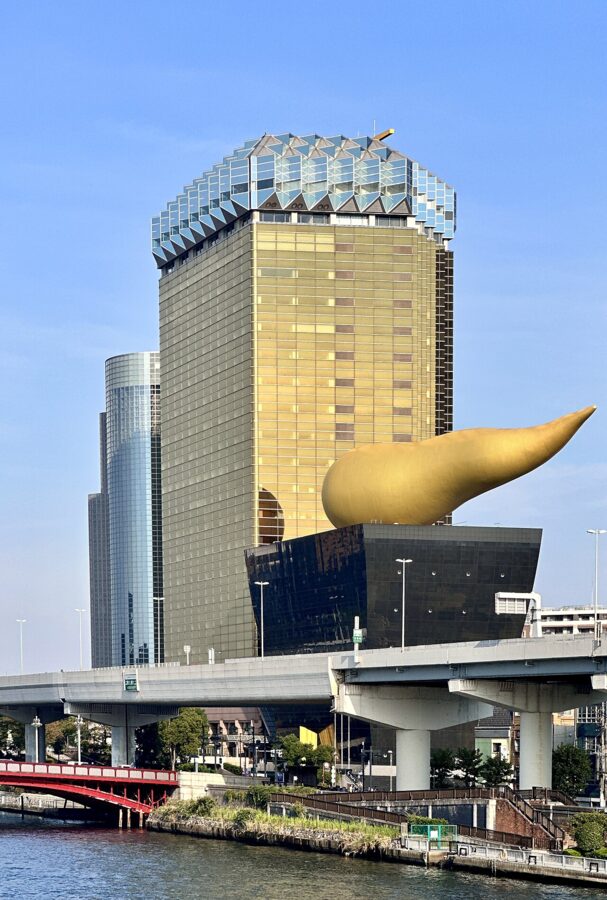
The money moved faster than the networks. Within days of the admission the Japanese press was describing a “domino” of advertisers dropping the agency’s talent. Asahi Group, which used 23 of them, said it would not renew; Kirin, Suntory, Japan Airlines, Nissan, Kao and McDonald’s Japan took similar lines. Takeshi Niinami, Suntory’s chief executive and head of the business lobby Keizai Doyukai, said hiring the agency’s talent would amount to condoning child abuse.
Many came back once the split was done, signing STARTO performers. Kirin said in March 2024 that keeping work from performers who had nothing to do with the abuse raised its own human-rights problem. Toridoll, the owner of the udon chain Marugame Seimen, resumed in April 2024.
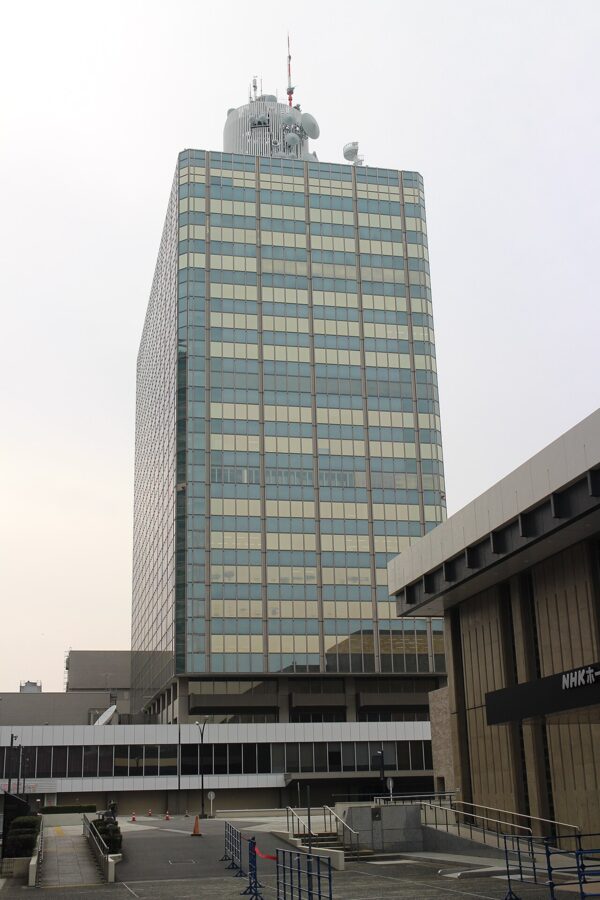
The broadcasters split. NHK and TV Tokyo stopped new bookings in September 2023 and Nippon TV stopped new regular slots, while TV Asahi, TBS and Fuji kept booking the stars, saying the performers had done nothing wrong. All six networks put out statements acknowledging their years of silence, and NHK broadcast a long documentary on the agency on 20 October 2024. The 2023 Kōhaku had no act from the agency for the first time since 1979, and according to Takahori, STARTO acts sat out 2024 too after talks over how many would appear broke down.
Where it stands in November 2026
King & Prince brought STARTO back to the Kōhaku on 31 December 2025. For 2026, NHK’s line-up announced on 13 November names Aぇ! group, a Kansai act that debuted in May 2024, among its first-timers. Fukuda left STARTO in June 2025; its chief executive since then is Katsuaki Suzuki, a former Fuji TV executive who launched the breakfast show Mezamashi TV.

The groups that defined the old company are mostly gone. KAT-TUN disbanded on 31 March 2025 and Tokio in June 2025. Arashi, which had paused at the end of 2020, came back for a fifteen-show dome tour, “We are ARASHI”, and played its last concert at Tokyo Dome on 31 May 2026; its fan club closed with it. Snow Man, which played the National Stadium in April 2025, and SixTONES lead the next generation, alongside Timelesz, which added five members after a Netflix audition series.
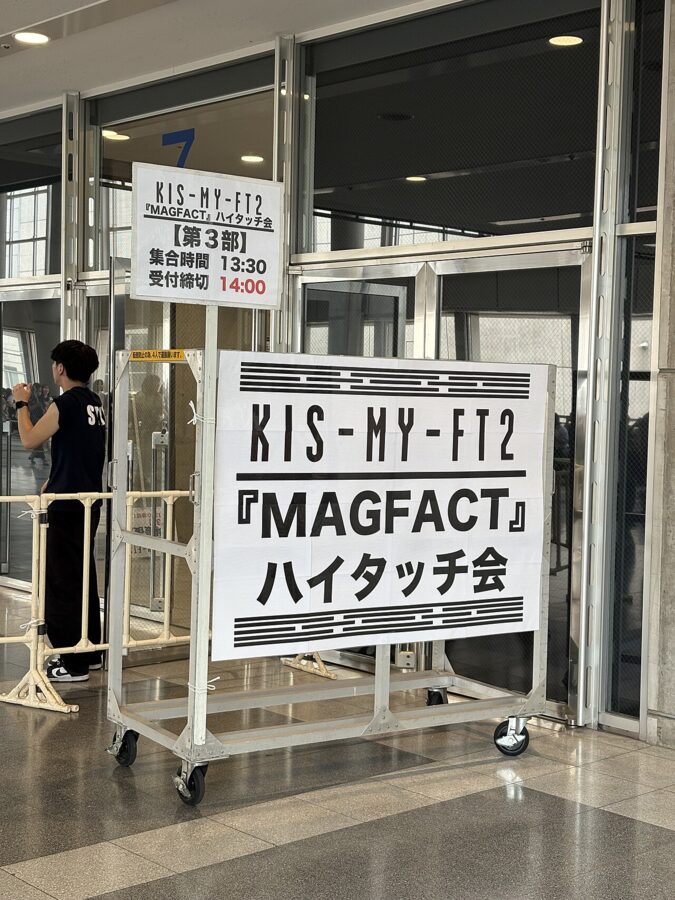

Fans were never one camp. In June 2023 a group of them delivered a petition of about 40,000 signatures asking the agency to investigate, while victims who spoke out met abuse online. STARTO says it received close to 70,000 reports of posts attacking or exposing its performers in the five months after it opened a reporting form in August 2024. Kazunari Ninomiya (二宮和也) of Arashi wrote in his 2025 book Dokudan to Henken (独断と偏見, My Biased Opinions) that the person he most wanted to meet was Kitagawa, so that Kitagawa could apologise to him properly.
The Asahi, in an editorial in September 2026, said SMILE-UP. still owed the public a full account of the case, staff included. Fujishima said in a 2025 book of interviews that for a long time she truly did not know, and that not trying to find out was her greatest mistake. Akimasa Nihongi, a former trainee who went public in 2023, told the BBC it was the biggest sexual-abuse case in postwar Japan and asked that it not be allowed to fade.
I would read the record this way. The admission and the payments are real; so is the fact that no one has faced a criminal court, the man at the centre is dead, and the figures are published only by the party that pays. The networks that kept quiet for twenty years are booking the same performers again, under a new name.
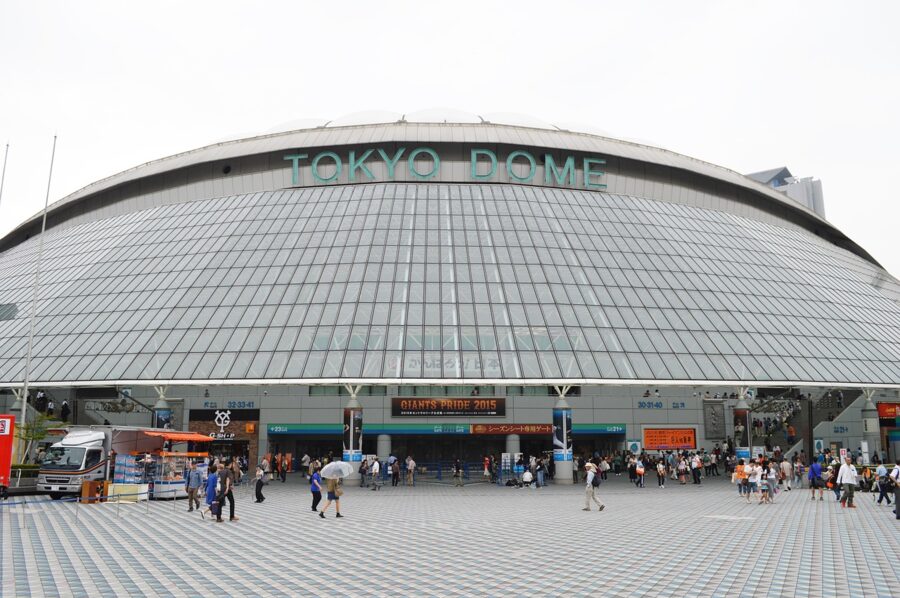
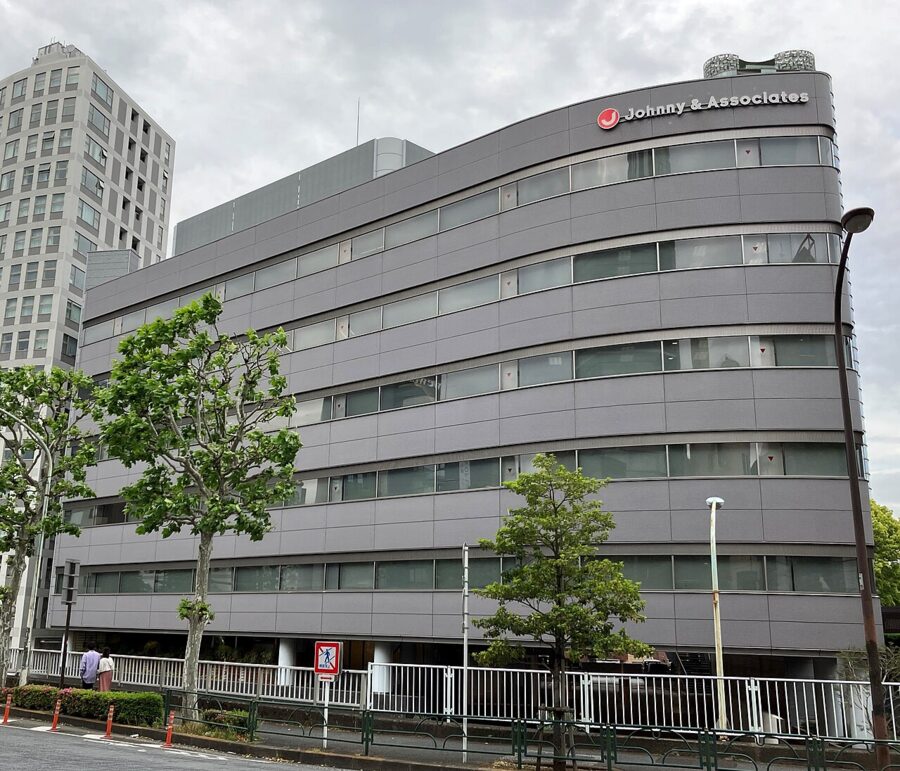
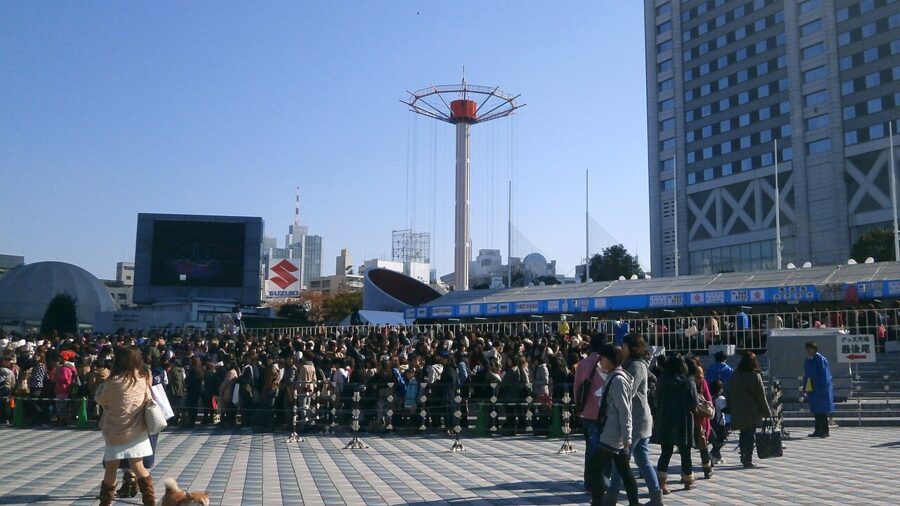
Tokyo Dome is easy to reach: JR Suidobashi Station (west exit), Korakuen Station on the Marunouchi and Namboku lines, or Suidobashi on the Toei Mita Line, exit A2. The Akasaka building is a short walk from Nogizaka Station on the Chiyoda Line, though there is nothing to see there but a grey curved wall. Go to the dome on a concert night instead, when the goods queue starts before lunch and the crowd holds up uchiwa (団扇, flat paper fans) printed with their favourite’s face. Three years after a niece said sorry for her uncle, the faces still come from the same house.