
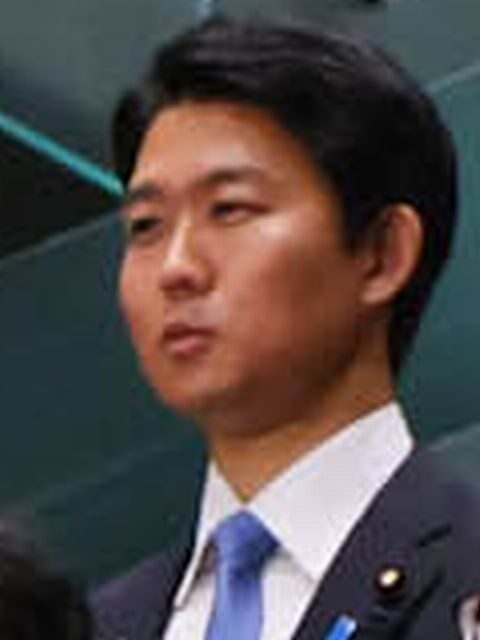

In February 2023 a 31-year-old former television reporter opened his campaign website with a family tree. It carried six names: two great-grandfathers, a grandfather, a great-great-uncle, an uncle and a father. Three of them had been prime minister of Japan.
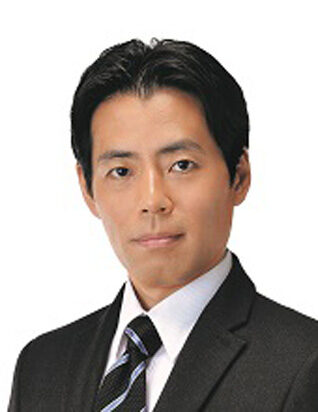
The candidate was Nobuchiyo Kishi (岸信千世), and the seat was the Yamaguchi 2nd district of the House of Representatives, which his father Nobuo Kishi had just vacated for health reasons. The tree drew a wave of criticism that it treated a seat in parliament as a family asset, and he soon moved to a new site without it. On 23 April 2023 he won the by-election with 61,369 votes. He was re-elected in October 2024 and again on 8 February 2026.
To win a seat in the Diet, the saying goes, you need three things, and their names rhyme: jiban, kanban and kaban. Most of the people who arrive with all three were born with them.

In this article
Three words that happen to rhyme
The phrase is sanban (三バン), “the three bans”, written with the katakana for the sound ban because the three words share only their last syllable. Jiban (地盤) is ground or foundation, the word an engineer uses for the soil under a building. Kanban (看板) is a shop signboard. Kaban (鞄, often written カバン) is a bag or briefcase.
In politics they mean the organised vote in a district, the name voters already recognise, and the money. What a dictionary leaves out is that each of the three can be handed on, usually to someone with the same surname.
The phrase is used across the spectrum, and mostly by people who lack the three things. A first-time candidate’s leaflet that says “no jiban, no kanban, no kaban” is a recognised genre. The Japanese Communist Party has made a point of it: it pays its candidates’ election costs and does not let a retiring member name a successor, so it says it has no hereditary members at all.
Jiban: the support group that outlives its member
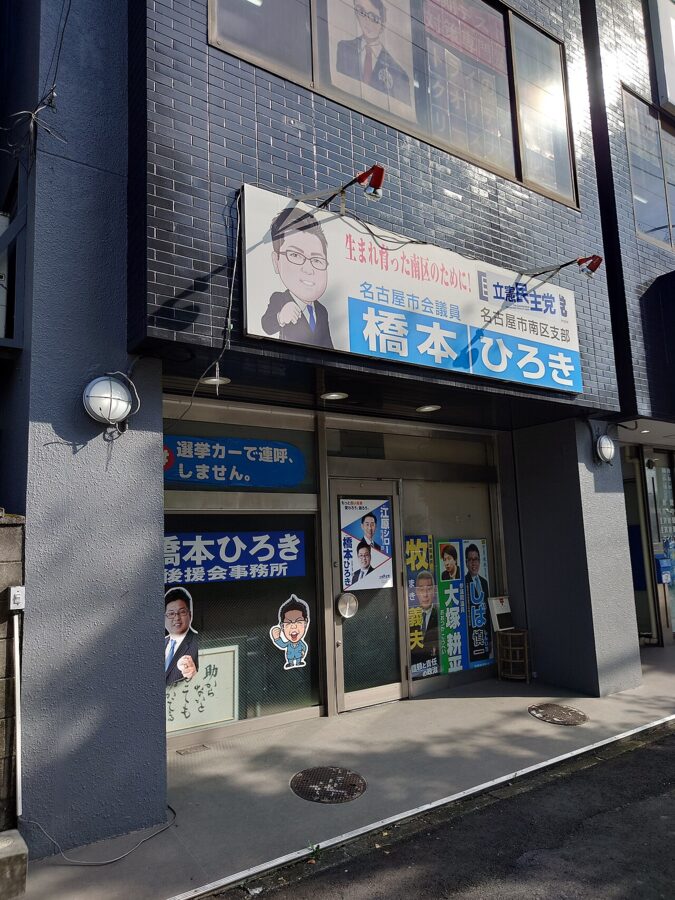
The jiban is a map of loyalties: the farm co-operative, the construction firms, the shopping-street association, the head of every neighbourhood council, the local assembly members who owe the Diet member a favour. Its working form is the kōenkai (後援会), the personal support association.

How a kōenkai is built
Japanese election law bans campaigning before the official period, which for a general election lasts just twelve days. A politician who wants to be known in the meantime does it through a kōenkai: a registered political organisation with a membership list, a newsletter, bus outings to hot springs, New Year parties and summer festivals. Members get access, the member gets names, addresses and turnout. The list is what matters.
The classic example is Kakuei Tanaka’s Etsuzankai in Niigata, which in its prime was less a fan club than a regional institution. When his daughter Makiko ran in 1993, three years after he retired, she ran in his old district and won it on the network he left behind.
A kōenkai belongs to a person, not to a party. That is the hinge of the whole system. When the member retires, the association does not dissolve into the party branch; it looks for someone to keep it together, and the safest choice for everyone in it is a relative who has the name. Retirements are often announced only months before an election, which leaves rivals little time and leaves the child, frequently already working as the parent’s secretary, ready to step in.
Why 1996 made the ground worth more
Until 1993, lower-house members were elected from multi-member districts where several candidates from the same party fought one another. The 1994 reform replaced them with single-member districts plus a proportional tier, first used on 20 October 1996; today the house has 289 district seats and 176 proportional ones. Reformers hoped that one candidate per party per district would turn elections towards parties and policy.
It made the local machine more decisive instead. With only one winner per district, a jiban is a near-monopoly on the seat, and the party has every reason to back whoever holds it. Studies built on the Reed-Smith dataset of lower-house elections find that about 70% of dynastic members elected since the reform won single-member districts rather than seats on party lists.

Kanban: a name voters already know
The kanban is recognition, and in a country where voters write the candidate’s name on the ballot by hand, a familiar name has a literal value. Political families often choose children’s names that are easy to read and write, and share a character across generations. A few heirs have legally changed their given name to the parent’s.
The families
The best-known line runs through Yamaguchi. Nobusuke Kishi (岸信介) was prime minister from 1957 to 1960; his younger brother Eisaku Sato held the office from 1964 to 1972. Kishi’s daughter married Shintaro Abe, son of the Diet member Kan Abe and later foreign minister. Their son Shinzo Abe (安倍晋三) inherited his father’s Yamaguchi base in 1993 and became Japan’s longest-serving prime minister.
Shinzo’s younger brother, adopted into the Kishi family, was Nobuo Kishi; Nobuo’s son is the man with the family tree.
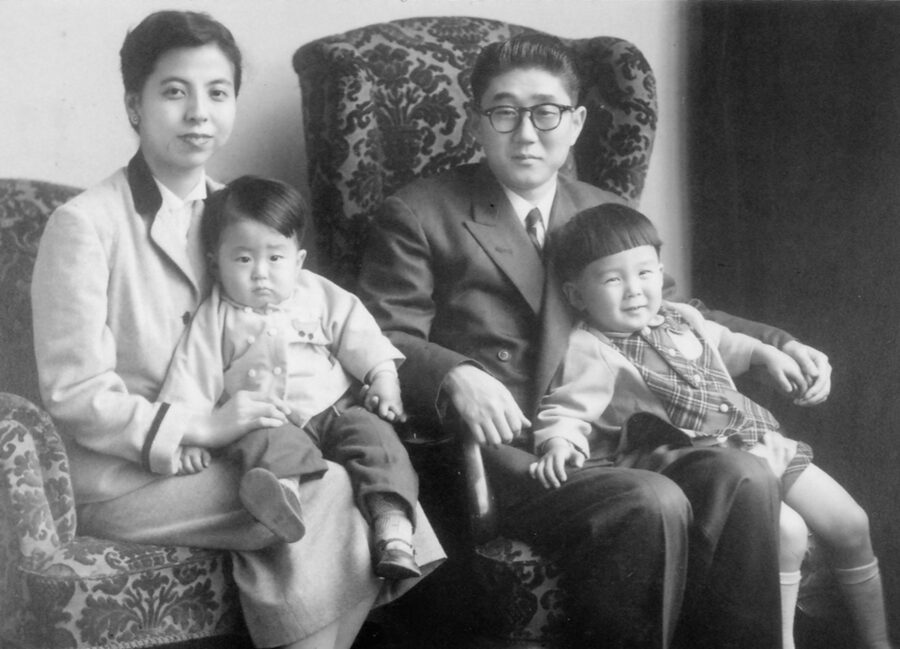
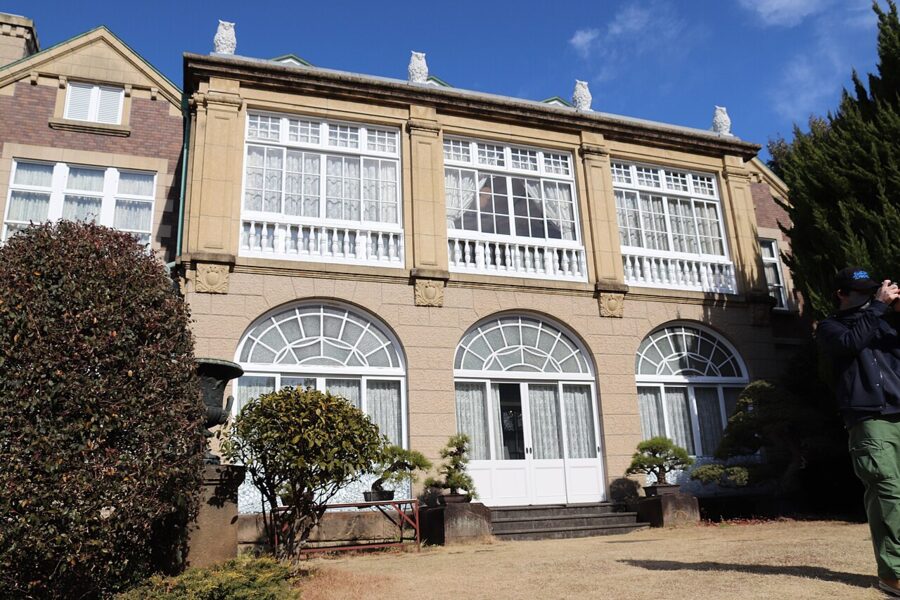
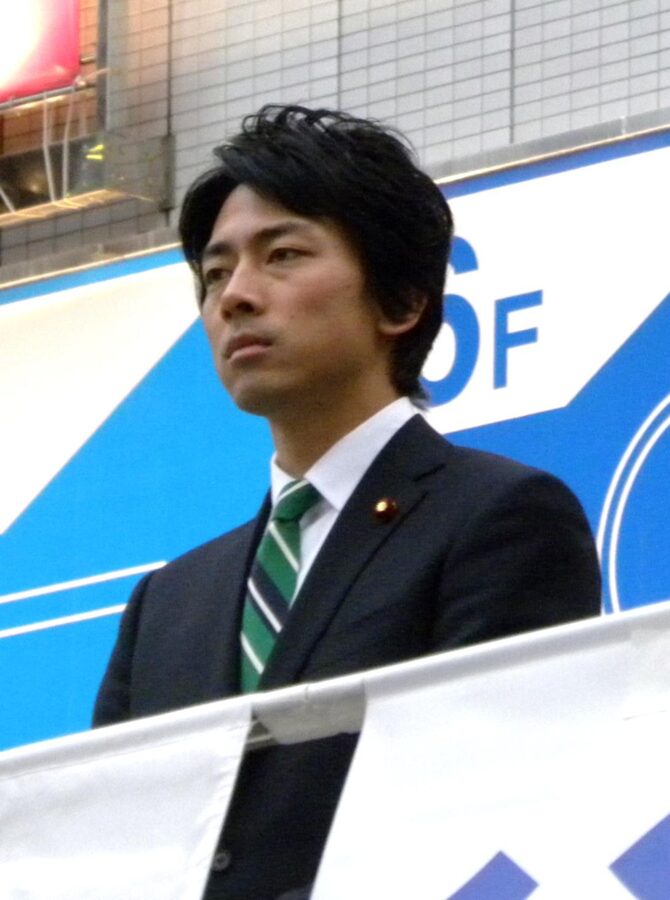
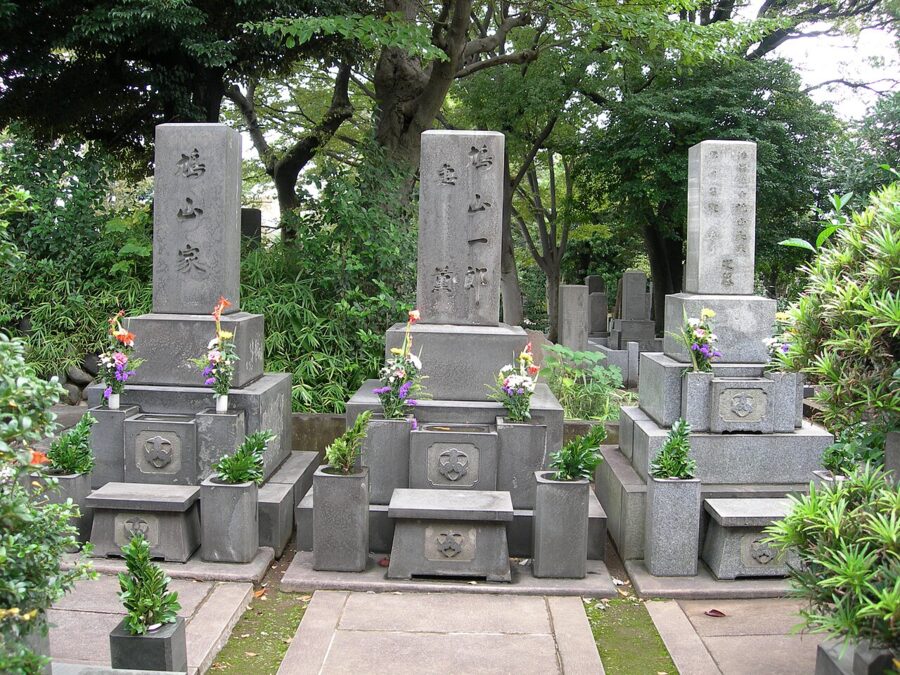
The Hatoyama family has sent members to the Diet for five generations, from Kazuo Hatoyama, a Speaker of the house in the 1890s, through Prime Minister Ichiro Hatoyama, to Yukio Hatoyama, prime minister for the Democratic Party of Japan in 2009–2010, and on to a fifth generation in the Diet. The Koizumis are on their fourth: Matajiro, Junya, Junichiro and Shinjiro. Taro Aso is Shigeru Yoshida’s grandson. Fumio Kishida’s father and grandfather both sat for Hiroshima.

How many hereditary members are there?
It depends on where you draw the line, and Japanese has no single agreed term for it. Seshū (世襲), “succession across generations”, is used loosely; nisei (二世), “second generation”, narrowly.
The Yomiuri Shimbun’s 2009 working definition counted members with a relative within three degrees who had sat in the Diet and whose name, support association or other political assets they had taken over. The political scientist Daniel M. Smith separates “legacy” members, anyone related to a past national politician, from “hereditary” ones who directly succeed a relative in the same district.
By any definition, the share is large. Japanese press coverage of hereditary candidates took off in the early 1970s, when about a third of lower-house candidates were counted as legacy. A 2022 discussion paper for the Research Institute of Economy, Trade and Industry, using the Reed-Smith data, found that about 27% of lower-house members were legacy members after the 2014 election, the last in its dataset, and cites Jiji Press finding that about 30% of LDP candidates in 2021 came from political families. Counts after the 2009 election, which the LDP lost badly, put 50 of its 119 winners in the hereditary group: the heirs survived a landslide that swept away most other members.
The heirs survived a landslide that swept away most other members.
Voters tend to overestimate it. In the RIETI team’s surveys of dynastic politics, respondents guessed on average that 48% of the lower house was hereditary, and most said they disliked dynastic candidates in principle. The same respondents valued what such candidates bring: networks, a path to ministerial office, money for the district. LDP supporters were the least bothered.

Kaban: the bag, and the money that changes hands untaxed
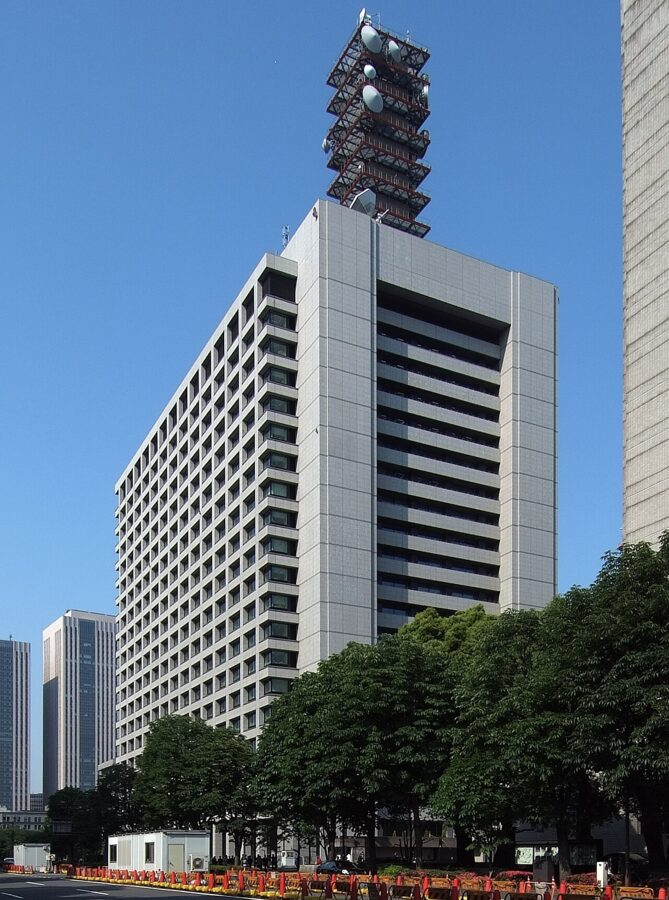
The kaban is the war chest, and of the three it is the one the law shapes most directly. Its main container is the shikin kanri dantai (資金管理団体), the fund-management body each politician designates to receive donations, under the Political Funds Control Act administered by the Ministry of Internal Affairs and Communications.

The organisation passes, the tax does not
A political organisation’s money is the organisation’s, not the politician’s. When a member retires or dies and a child becomes the new representative of the same body, nothing has legally been inherited, so no inheritance tax is due. A family firm’s shares passing the same way would be taxed. Money can also move between political organisations: the ministry’s own guide to the Political Funds Control Act (January 2025 edition) shows no ceiling on transfers from a party branch to a fund-management body, and a ¥50 million (about $320,000) yearly cap between other political organisations.
Critics in Japan call this the most indefensible of the three bans, because it is the only one the state subsidises by omission. The Democratic Party of Japan adopted an internal rule in 2009 against relatives taking over a member’s fund-management body. In 2024 opposition members twice filed what they called a political funds hereditary ban bill, which would have barred a spouse or relative within three degrees from becoming the representative of a retiring member’s political organisation. Neither became law.

The slush-fund scandal and the 2024 rules
The kaban became front-page news in late 2023. Tokyo prosecutors found that LDP factions had for years kept part of the money from fundraising-party tickets off their books and passed it back to lawmakers as uragane (裏金), off-the-books cash. The faction once led by Shinzo Abe was charged over about ¥675 million (about $4.4 million) unreported between 2018 and 2022. Most factions announced their dissolution in early 2024, and the party disciplined 39 lawmakers.
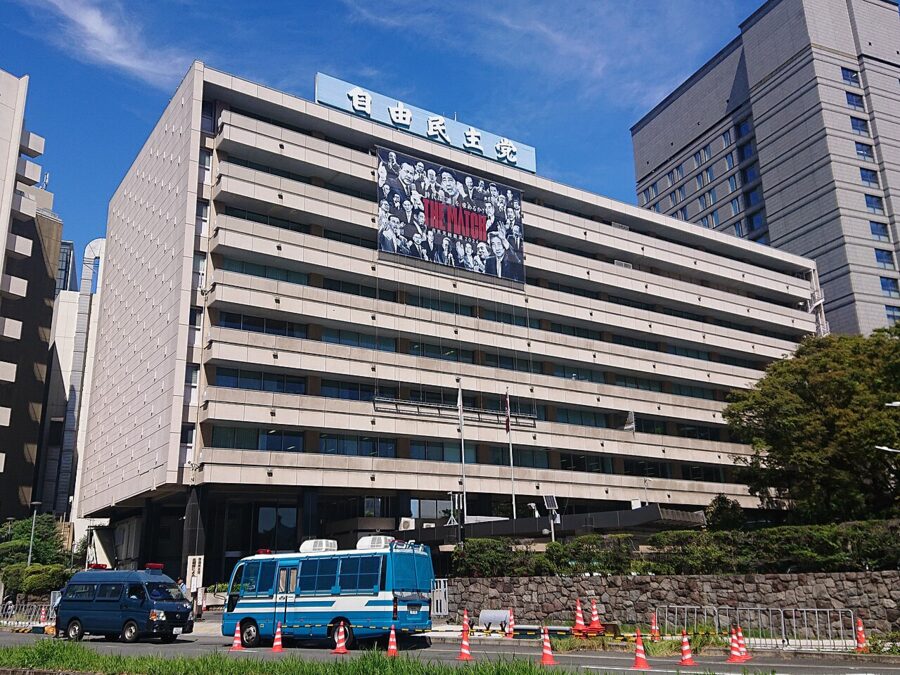

Two rounds of amendments followed. The first, passed on 19 June 2024, requires the representative of each Diet member’s political organisation to sign a confirmation of its annual report, starting with the reports for 2026, and lowers the threshold for naming party-ticket buyers from over ¥200,000 (about $1,300) to over ¥50,000 (about $320) for parties held from 1 January 2027. The second, enacted on 24 December 2024, abolished the “policy activity funds” that parties paid to individual lawmakers without itemising, and set up a third-party body to monitor political funds. None of it touches inheritance.
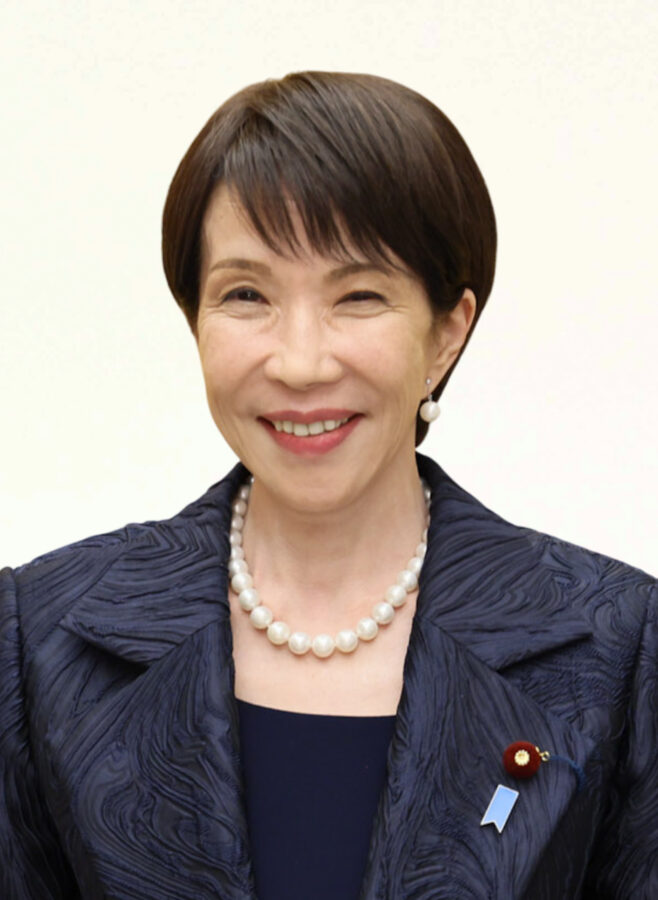
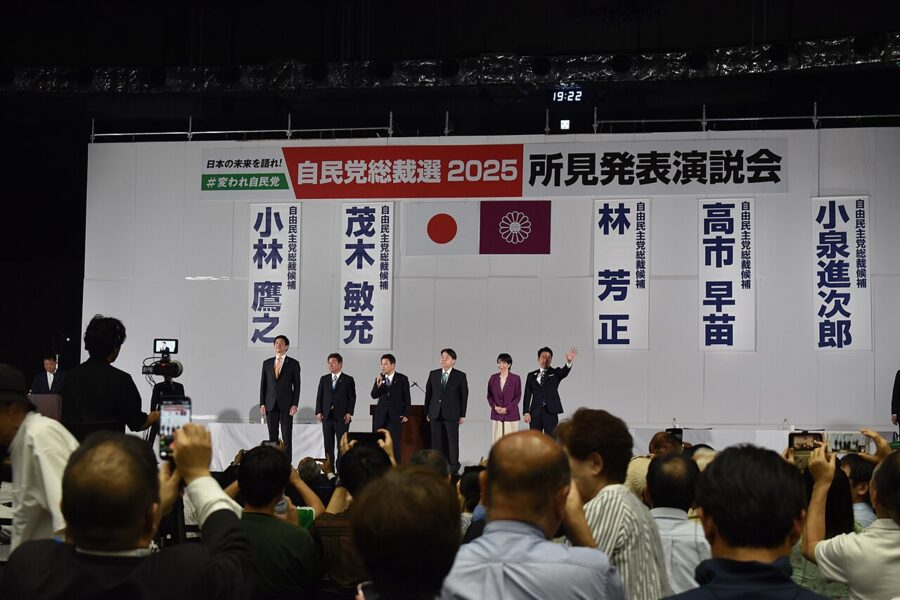
Voters punished the party in 2024 and forgave it in 2026. At the snap election of 8 February 2026, called by Prime Minister Sanae Takaichi, the LDP won 316 of 465 seats, more than two-thirds on its own, and nearly all the candidates linked to the scandal were returned.

The 2009 rule, and the ways around it
In April 2009 Yoshihide Suga, then the LDP’s deputy election strategist and himself the son of a strawberry farmer from Akita, began arguing in public that hereditary politics had to be dismantled or the party would die. The DPJ had already adopted a rule: no party endorsement for a spouse or relative within three degrees who sought to succeed a retiring member in the same district. The LDP’s 2009 manifesto promised the same, from the next general election.
The rule was full of exceptions from the first day. Two heirs already endorsed, Shinjiro Koizumi and Shoichi Usui, kept their endorsements. One, Jun Tsushima in Aomori 1st, was refused, and that turned out to be the only case. After losing power, the new leadership said in October 2009 that heirs could be endorsed if they won an open recruitment process, and in January 2011 the party dropped the restriction on that condition.
The workarounds
The open call, or kōbo (公募), became the main route. At the December 2012 election the LDP’s prefectural chapters ran open calls in several districts being vacated by senior members and chose the retiring member’s son in each of them: Tatsuo Fukuda in Gunma 4th, the only applicant, Toshinao Nakagawa in Hiroshima 4th, Arata Takebe in Hokkaido 12th, Keitaro Ohno in Kagawa 3rd and Taido Tanose in Nara 4th. The contemporary coverage called the rule hollowed out. Nobuchiyo Kishi, too, applied to his prefectural chapter’s open call in 2023.

The others are quieter. An heir can run in a different district or the other chamber while the parent is still in office, so no seat passes directly from one to the other: Yohei and Taro Kono, Shintaro and Nobuteru Ishihara, Shinzo Abe and Nobuo Kishi all sat at the same time. A son-in-law or a nephew can be the successor. A gap can be left: the DPJ’s own rule allowed a relative back into the same district after six years.
In Japanese the switch of districts is called kuni-gae (国替え), “changing provinces”, an old word for a feudal lord being moved to a new domain.
The argument today
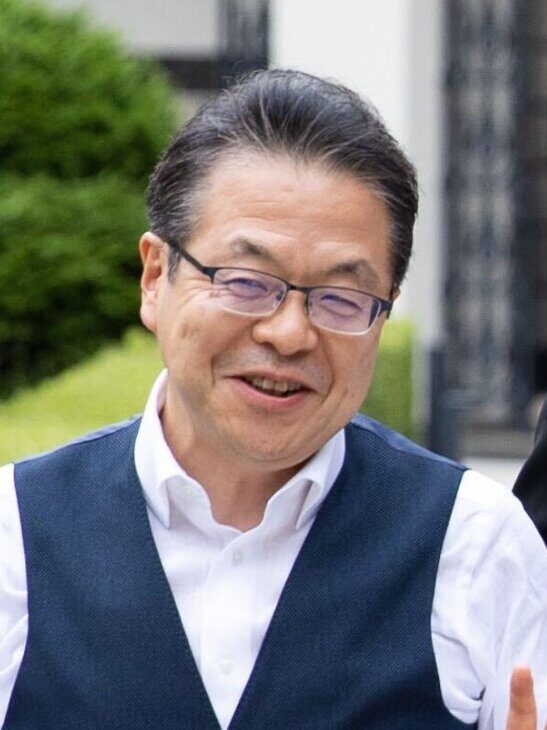
A legal ban has never got far, because the Constitution’s Article 44 forbids discrimination in the qualifications of Diet members on grounds including family origin, and Article 14 says the same of every citizen. Defenders of the status quo make the democratic case: voters can reject an heir and sometimes do. In Wakayama 2nd district in October 2024, the long-serving LDP power broker Toshihiro Nikai’s son Nobuyasu ran for his father’s base and lost to Hiroshige Seko, who had left the party over the slush-fund affair and stood as an independent.
The parties have mostly stopped trying. The Constitutional Democratic Party of Japan (CDP) did not carry over its predecessor’s rule; its leader in 2021, Yukio Edano, said that rejecting candidates mechanically for being hereditary would be too rigid. Yuriko Koike, a former television newscaster whose father once ran for the Diet and lost, is the exception people point to: she reached the top of Tokyo politics with none of the three. My own reading is that the LDP’s 2009 rule was a speed bump, not a ban, and the money is where any serious reform would have to start.

What you see at a Japanese election
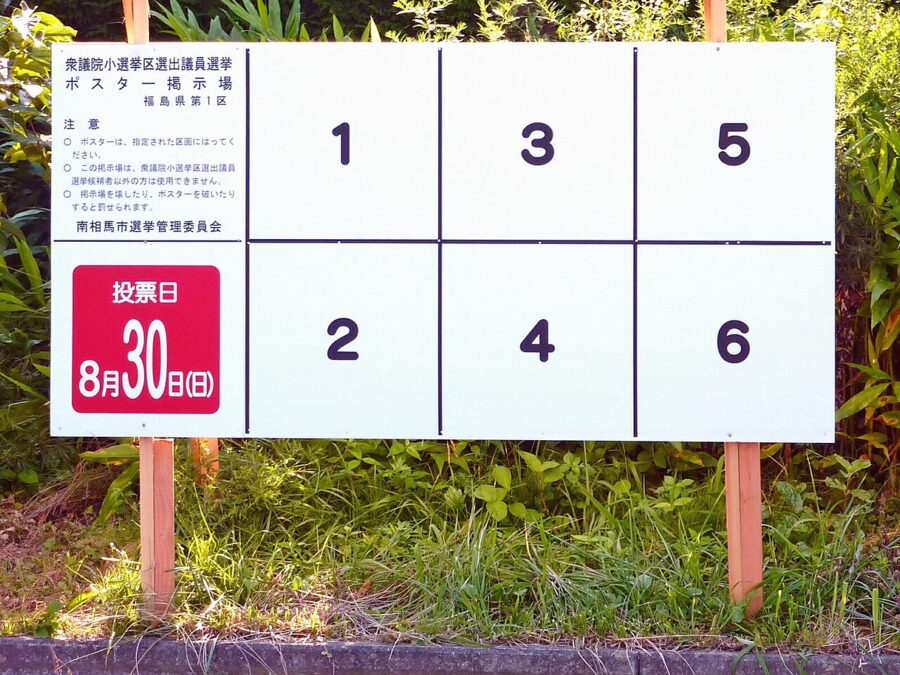
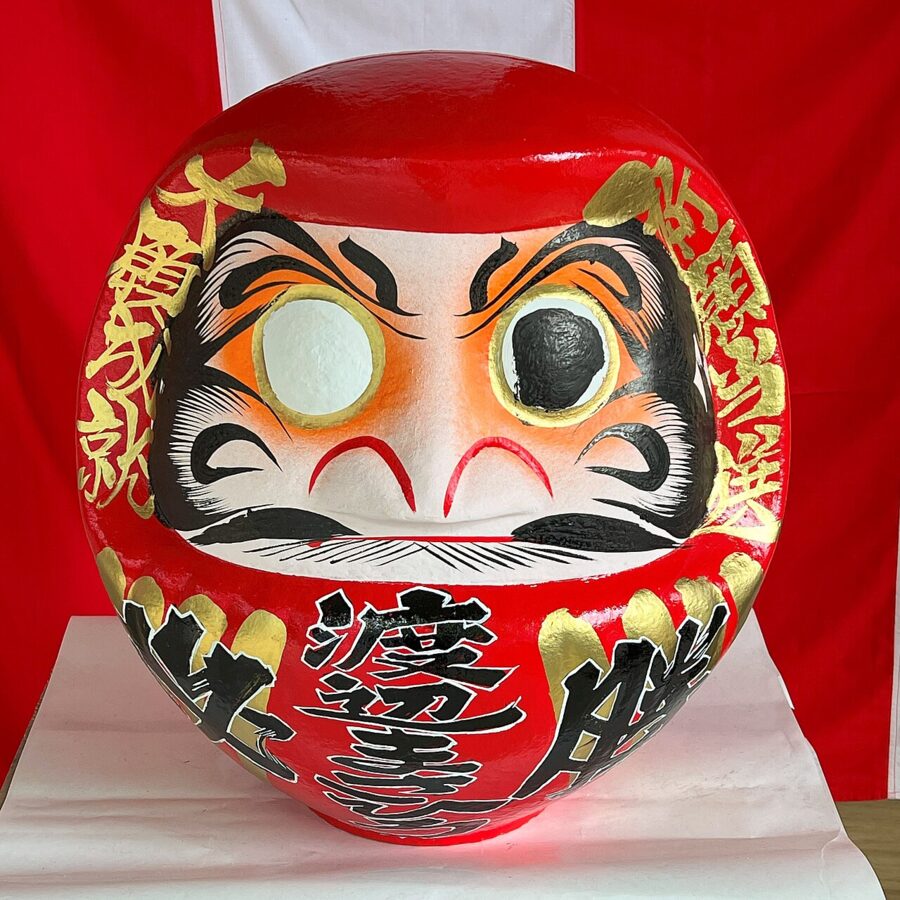
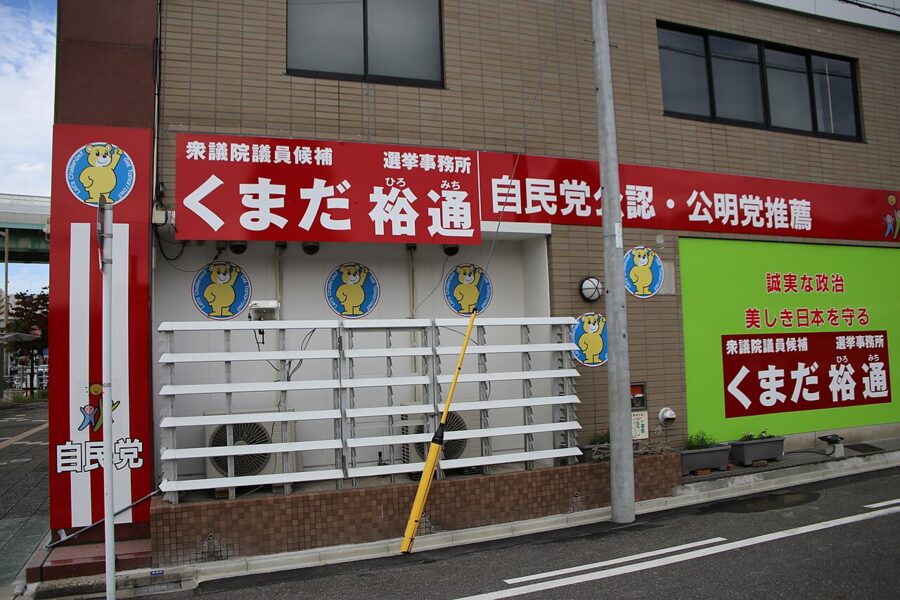
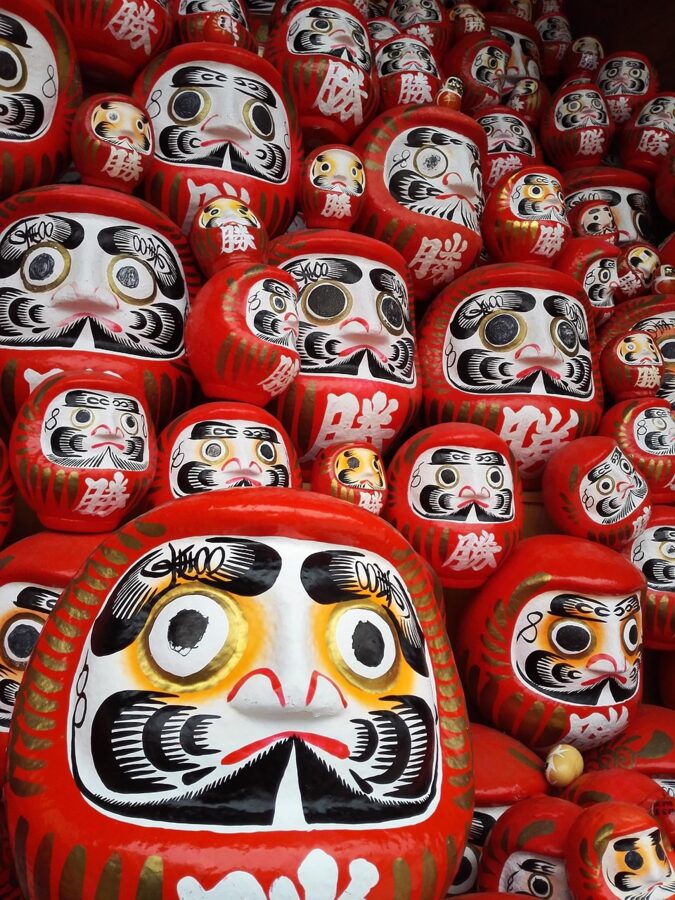
During the twelve days of a general election the three bans are on show in every district. The numbered poster boards go up on fences and school walls, set out by the local election commission. The kōenkai office has the banners and a daruma with one eye. Campaign cars crawl through residential streets repeating a name and almost nothing else, because the name is the point.
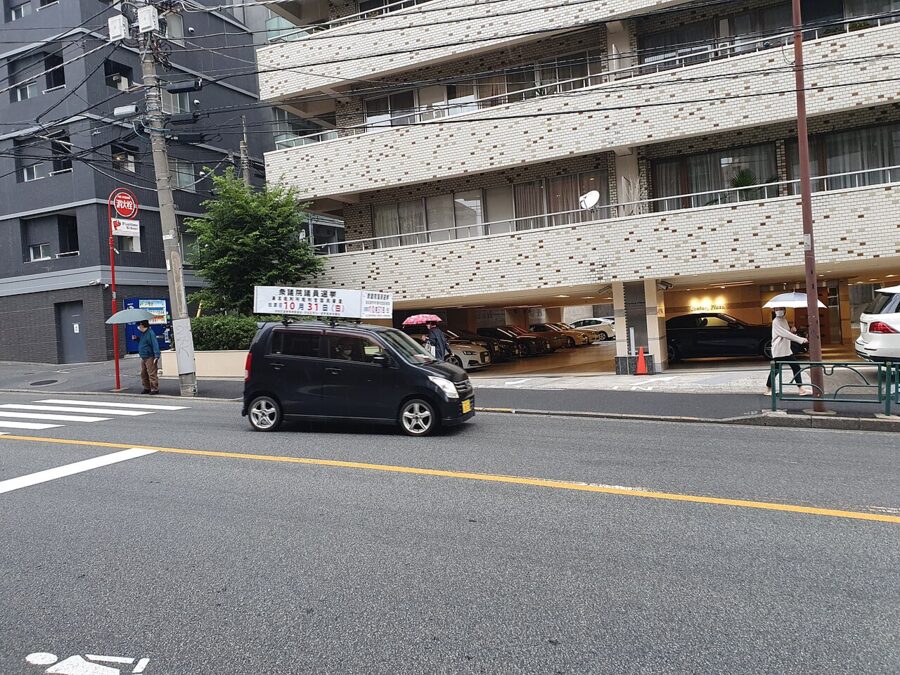
At the station exits at rush hour, the candidate stands on a beer crate or a car roof with a white sash bearing his name. If he is an heir, his father’s old supporters stand in the front row, and the older voters passing by know the surname before they read the sash.

Look at the poster board and pick out the surnames you have heard before, then check them against the results on election night. Somewhere on most boards is a candidate with a family tree. Jiban, kanban, kaban: count the second- and third-generation names on the next cabinet list, and the rhyme still holds.