
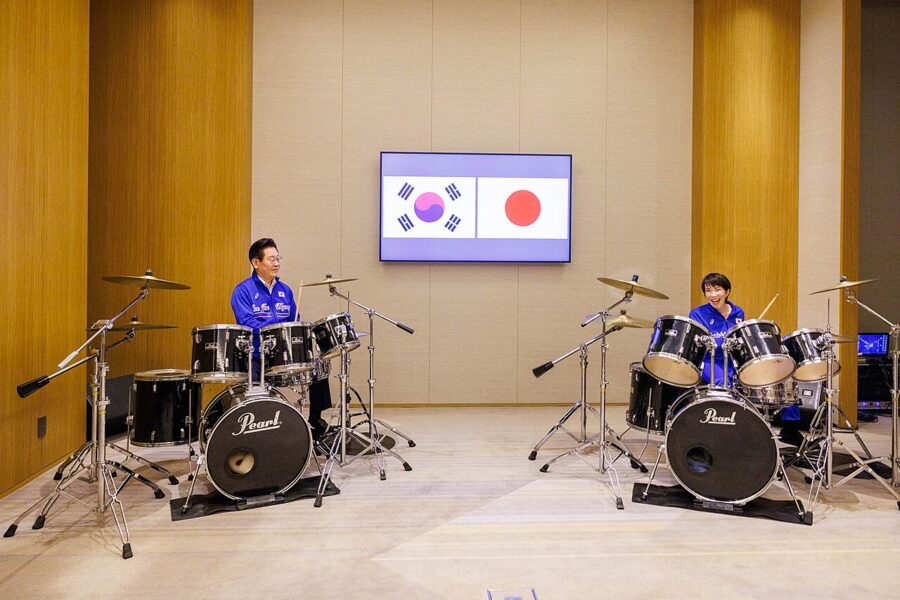

On 13 January 2026, after a summit in Nara, the prime minister of Japan sat down at a Pearl drum kit and showed the president of South Korea how to keep time. Lee Jae-myung had told her the previous autumn that he had always wanted to play the drums. Sanae Takaichi (高市早苗) had played them in a heavy metal band at university, so two kits were waiting, and the leaders worked through BTS’s “Dynamite” and “Golden” from KPop Demon Hunters.
Nara is her home prefecture, and the scene caught her at the top of her run. Three months earlier she had become the first woman to lead the Liberal Democratic Party (LDP) and the first woman prime minister of Japan. Six days after the drums she called a snap election, and the LDP won more lower-house seats than any party since the war.
She is also the most openly conservative prime minister in a generation: Shinzo Abe’s protégée, a past visitor to Yasukuni Shrine, and the minister who once told the Diet a television station could in principle be taken off the air. This is her record from a commuter student in Kobe to the summit in Shenzhen in November 2026 where she stood alone.


In this article
- Nara, Kobe and a long commute
- Into the Diet without a party
- Abe's protégée
- Three runs for the leadership
- A coalition lost and another found
- The February 2026 landslide
- What she stands for, and what she has done
- Drums, motorbikes and Deep Purple
- Where her government stands, November 2026
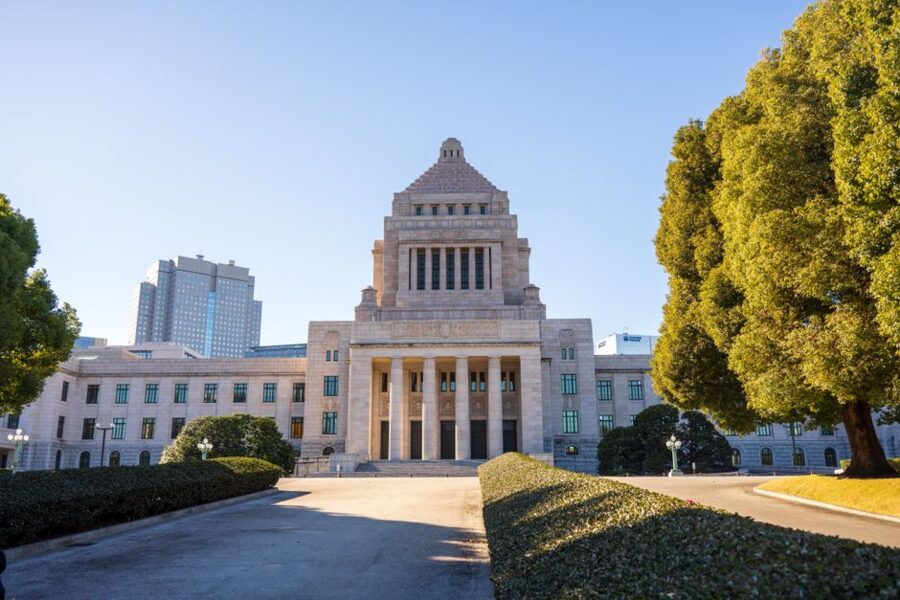
- Seeing the Diet for yourself
Nara, Kobe and a long commute
Takaichi was born on 7 March 1961 in Nara Prefecture, as her official profile gives it. Her father sold machinery for a Toyota group company; her mother was a juvenile guidance officer with the prefectural police. The family settled in Kashihara, south of Nara city, and she went to Unebi High School there.

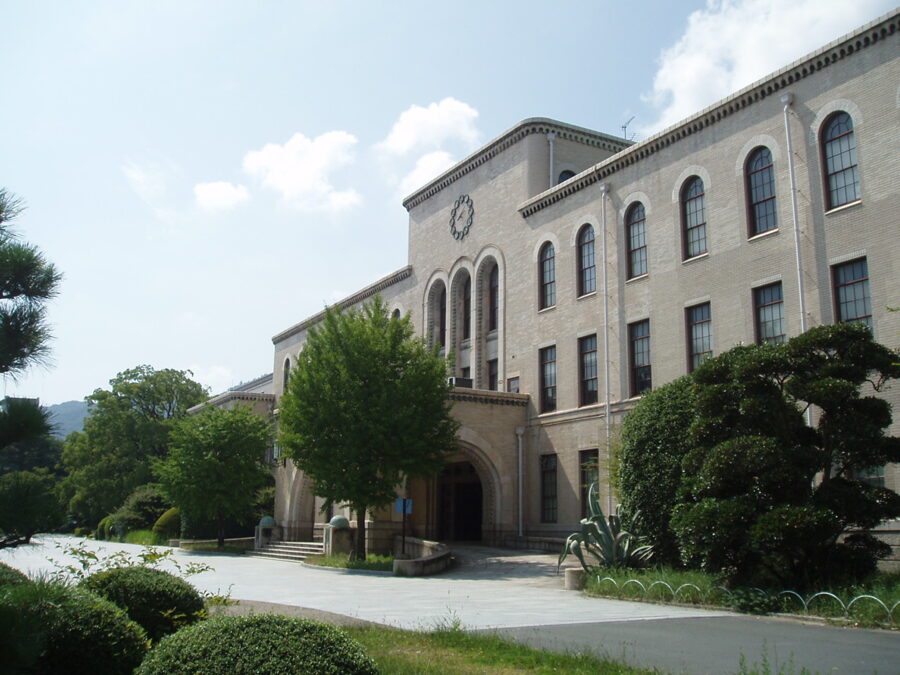
She passed the entrance examinations for Keio and Waseda in Tokyo, but her parents would not pay for a daughter to live away or attend a private university; her younger brother’s schooling came first. She went instead to the national university in Kobe, commuting about three hours each way at first and paying her own fees with part-time work.
At Kobe University she read business administration and spent her spare time drumming, at one point in four bands, one of them an all-woman heavy metal group covering UFO and Rainbow. She graduated in March 1984 with no plans for politics, by her own account, until she read a recruitment leaflet.
The Matsushita Institute
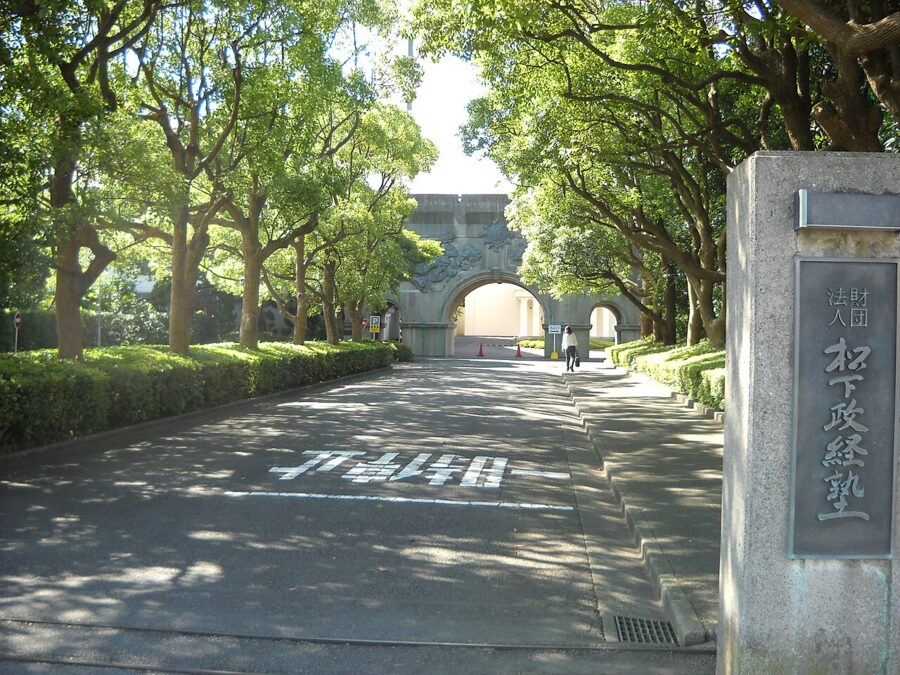
The Matsushita Institute of Government and Management (松下政経塾, Matsushita Seikei Juku) was founded in 1979 by Konosuke Matsushita, the founder of Panasonic, to train people without political families for public life. Takaichi joined its fifth class in April 1984. One interviewer, a first-class graduate named Yoshihiko Noda, has recalled her arriving on a large motorbike and giving her his top mark.
Noda became prime minister for the Democratic Party of Japan in 2011, and in October 2025 he led the Constitutional Democratic Party of Japan (CDP) against her in the Diet vote. The two have stayed friendly across the aisle.
Washington and the “fellow” question
In 1987 the institute sent her to Washington as a congressional fellow in the office of Patricia Schroeder, a Democratic congresswoman from Colorado. Back in Japan she wrote books about Congress and was introduced on television as a former “legislative analyst” (立法調査官, rippō chōsakan).
The weekly Shukan Gendai called that title inflated in 1993, and in February 2026 the Denver paper Westword reported that Schroeder’s office had treated her as an intern. Takaichi told the Diet that “congressional fellow” is accurate and different from an intern, and that the institute, not Congress, paid her. My reading: the fellowship was real, and the Japanese job title was generous.

Television came next. From 1989 she co-presented TV Asahi’s Kodawari TV Pre-Stage with Renho, later a Democratic Party minister, and from 1990 she anchored a Fuji Television morning show. It made her a known face in Nara before any party stood behind her.
Into the Diet without a party
Her first attempt failed inside the LDP: in 1992 its Nara chapter chose the retiring upper-house member’s son over her. She had none of the inherited assets described in the piece on the three bans, no jiban, kanban or kaban.
In July 1993 she stood for the House of Representatives in Nara as an independent and topped the poll. That election ended 38 years of LDP rule, and she moved through the reformist parties of the day to the New Frontier Party, for which she won Nara 1st district in October 1996. The next month she left it for the LDP, to the fury of colleagues who had campaigned against the LDP beside her.
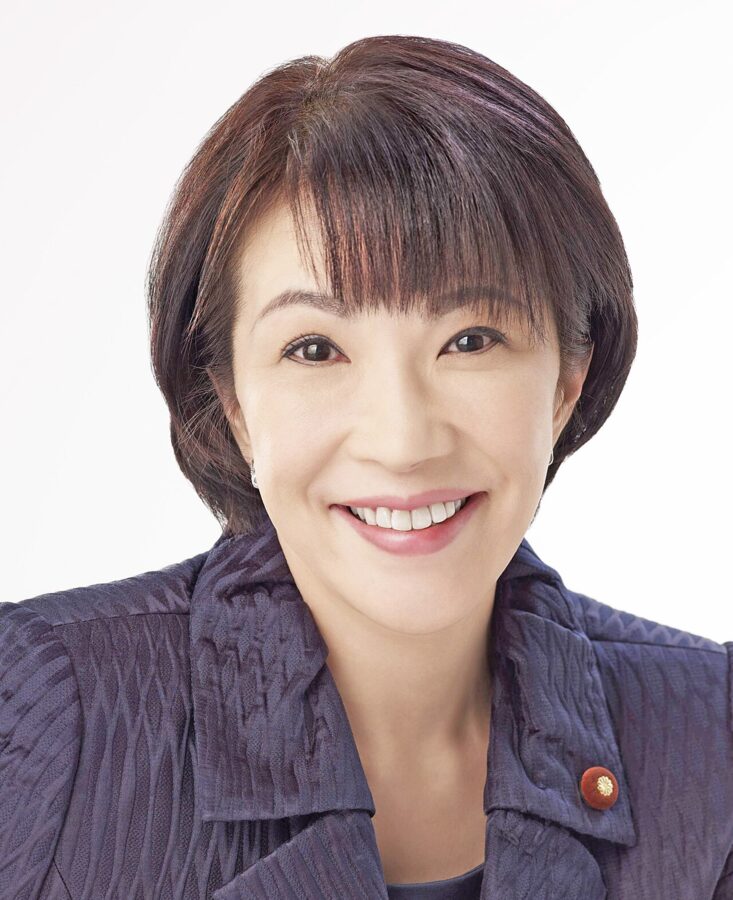

She joined the Seiwakai, the faction later known by the names of Mori, Machimura, Hosoda and Abe, and served as a junior trade minister under Keizo Obuchi and Junichiro Koizumi. In 2003 she lost her seat and spent a year as an economics professor at Kinki University. In the 2005 “postal election” Koizumi sent her to Nara 2nd district against an LDP rebel, Minoru Taki; she won, and has held the seat since.
Abe’s protégée
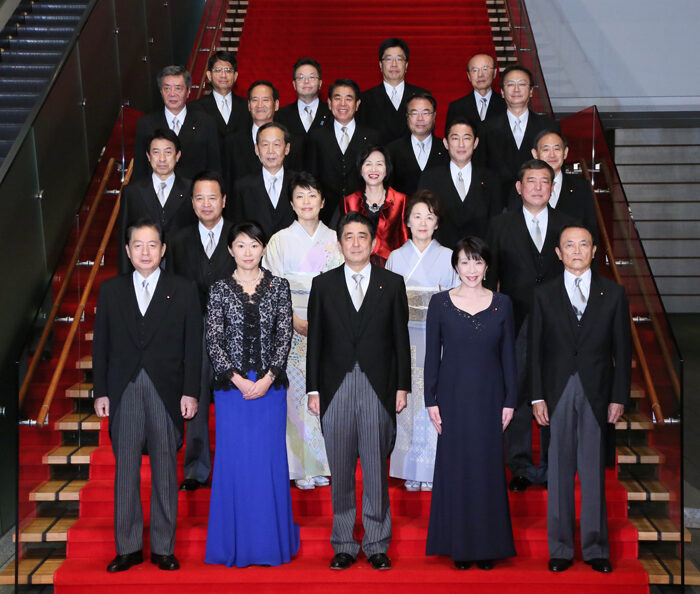
Abe’s first cabinet in September 2006 gave her a cluster of portfolios, listed on her Cabinet profile, from Okinawa to gender equality. On 15 August 2007 she was the only member of that cabinet to visit Yasukuni.
In 2011 she left the Seiwakai rather than back its chairman for the party presidency, because she wanted Abe back. So people who put her in the Hosoda or Abe faction are wrong on the paperwork and right on the substance. Abe returned in 2012 and made her the LDP’s policy chief.

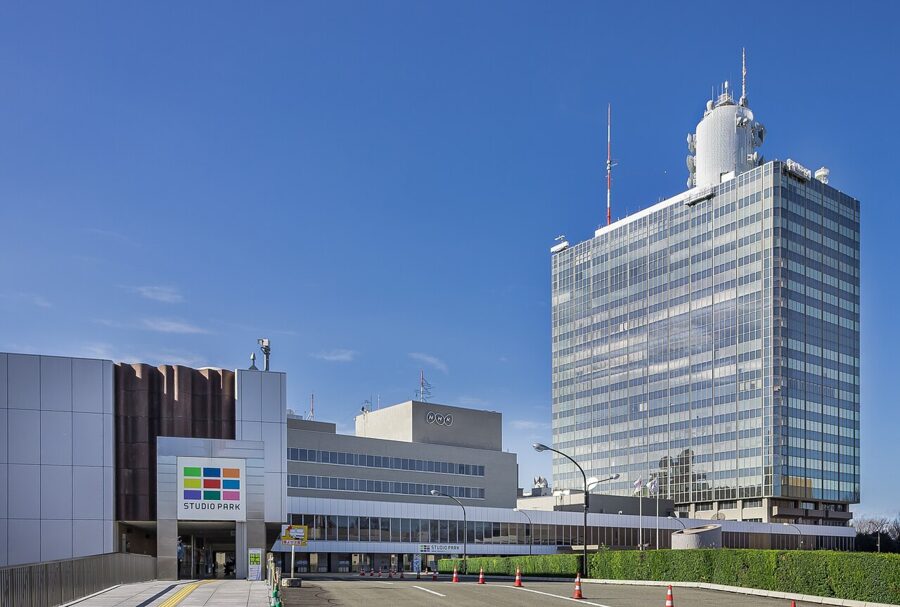
She ran that ministry from 2014 to 2017 and again from 2019 to 2020, the longest tenure in its history by her count. In the second spell she pressed NHK to cut its licence fee and delivered the pandemic payment of ¥100,000 (about $650) to every resident.
The broadcasting answer of 2016
On 8 February 2016 Soichiro Okuno of the Democratic Party asked her in the budget committee to rule out ordering a station off the air for breaching the Broadcast Act’s rule of “political fairness”. She would not: she said she could not promise to do nothing about a broadcaster that ignored repeated requests, or that the possibility would never arise.
Legally she was describing powers already on the books. Politically it landed as a threat from the minister who licenses the airwaves, and the US State Department’s human rights report cited it. That spring, and the anchors who left the screen, are covered in the piece on Shigeaki Koga’s press conference.

In March 2023 the CDP’s Hiroyuki Konishi published ministry papers on how the Abe government had reinterpreted “fairness”. The ministry confirmed they were its documents; Takaichi called the passages about her netsuzō (捏造, “fabricated”). Nothing since has settled which version is right.
Three runs for the leadership
In September 2021 she ran for the LDP presidency with Abe’s backing and finished third behind Fumio Kishida and Taro Kono. Kishida made her policy chief, then in August 2022 economic security minister, and she steered through the security clearance law the Diet passed in May 2024.
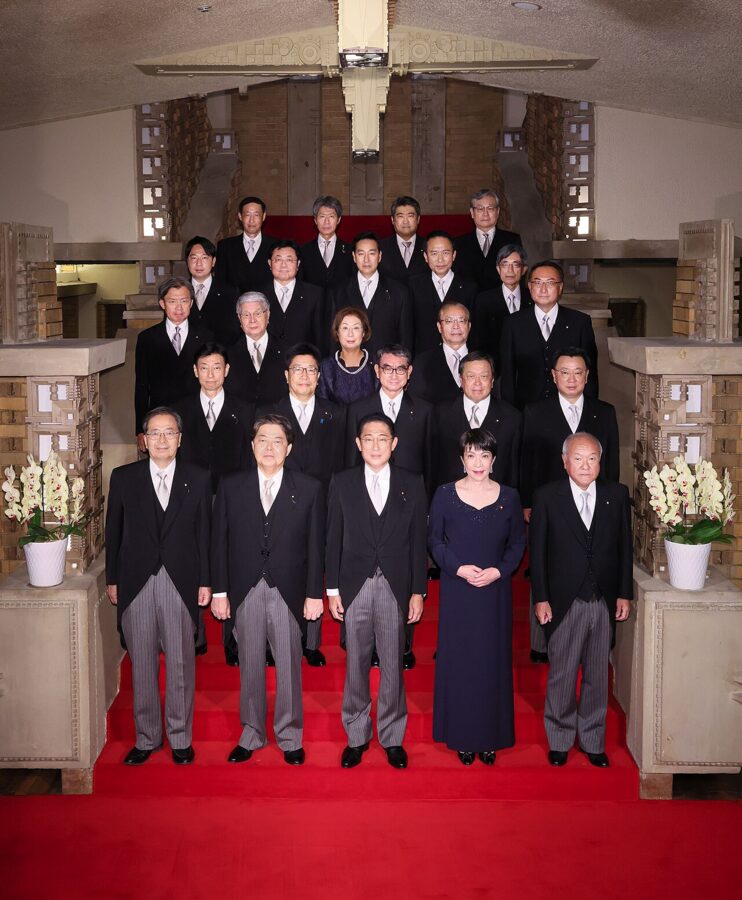

In September 2024 she came first in the first round with 181 votes and won the most party members’ ballots, then lost the runoff, where Diet members dominate, to Shigeru Ishiba by 215 to 194. Many members feared what her Yasukuni visits would do to relations with China and South Korea, and several of her twenty nominators had been disciplined in the slush-fund scandal.
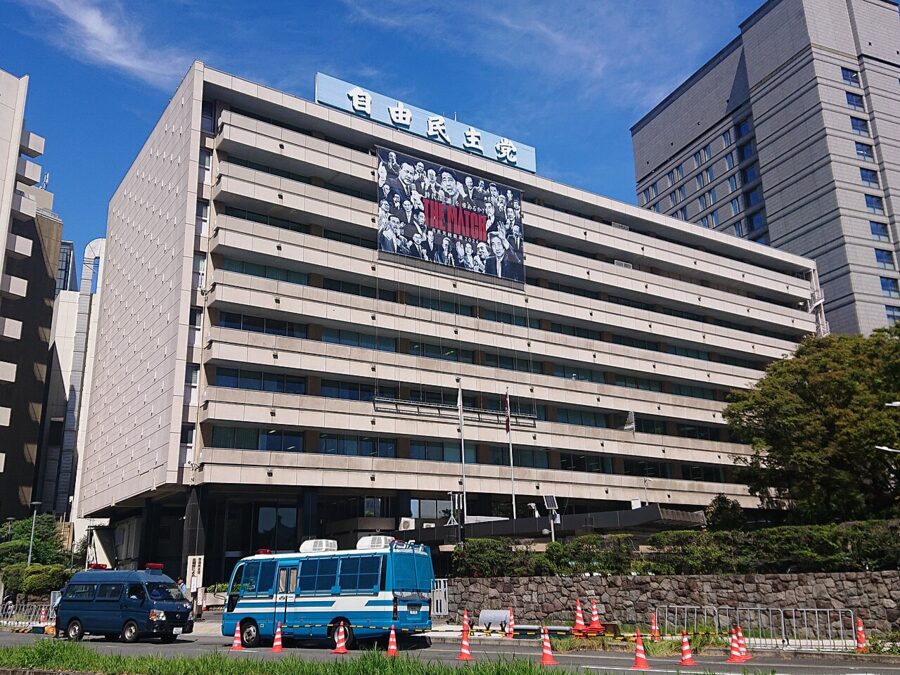

Ishiba lost the lower-house majority in October 2024 and the upper-house one in July 2025, and said on 7 September 2025 that he would go. On 4 October Takaichi led the first round again and beat Shinjiro Koizumi in the runoff by 185 to 156. Thirty-two years after she was first elected, she was the LDP’s first woman president.
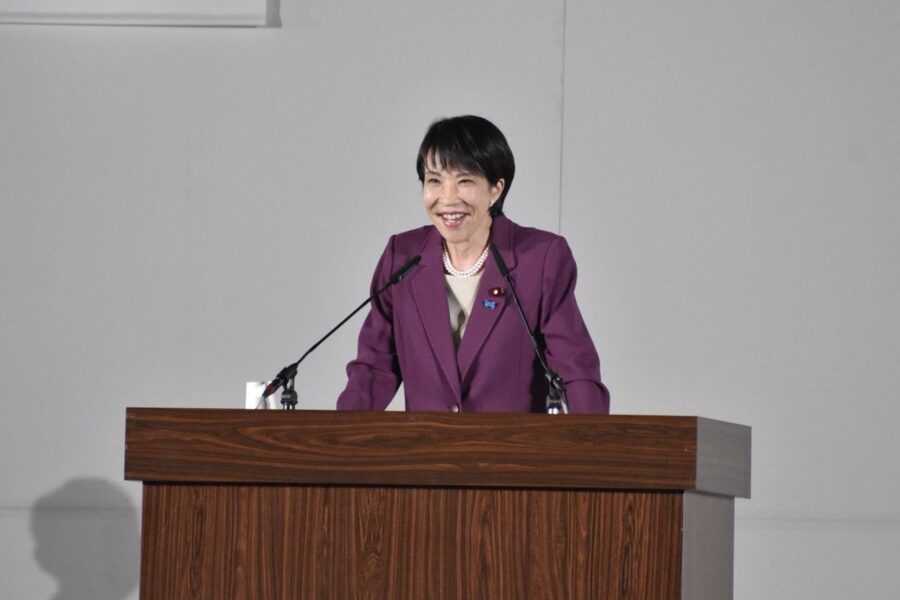

A coalition lost and another found
The LDP had governed with Komeito since 1999, and even together they lacked a majority. On 10 October 2025 Komeito’s leader, Tetsuo Saito, ended the partnership, citing the LDP’s handling of political money and concerns about her positions.
She turned to the Japan Innovation Party (日本維新の会, Nippon Ishin no Kai), led by Hirofumi Yoshimura. On 20 October Ishin agreed to back her government from outside the cabinet, in return for commitments that included cutting the number of lower-house seats. How the Diet, parties and coalitions fit together has its own piece.
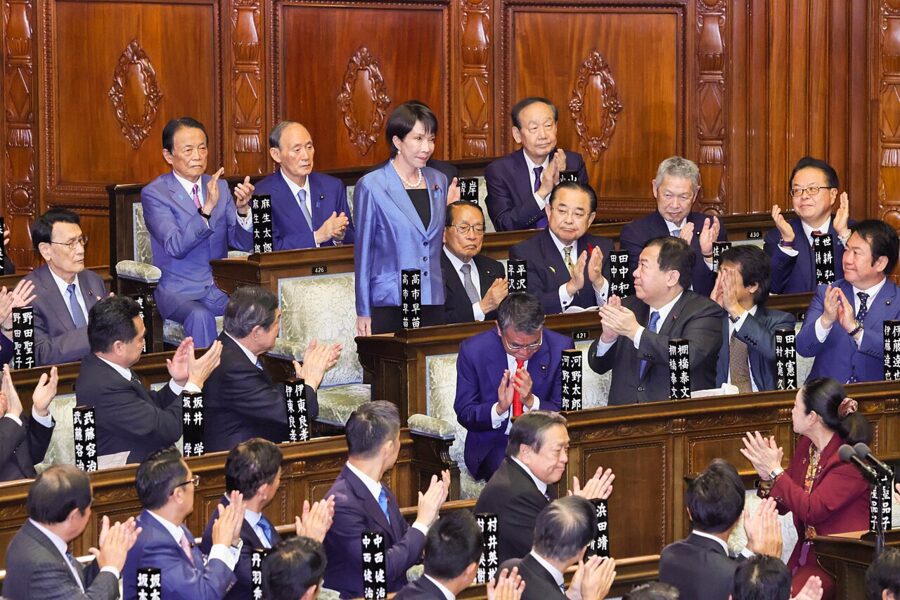
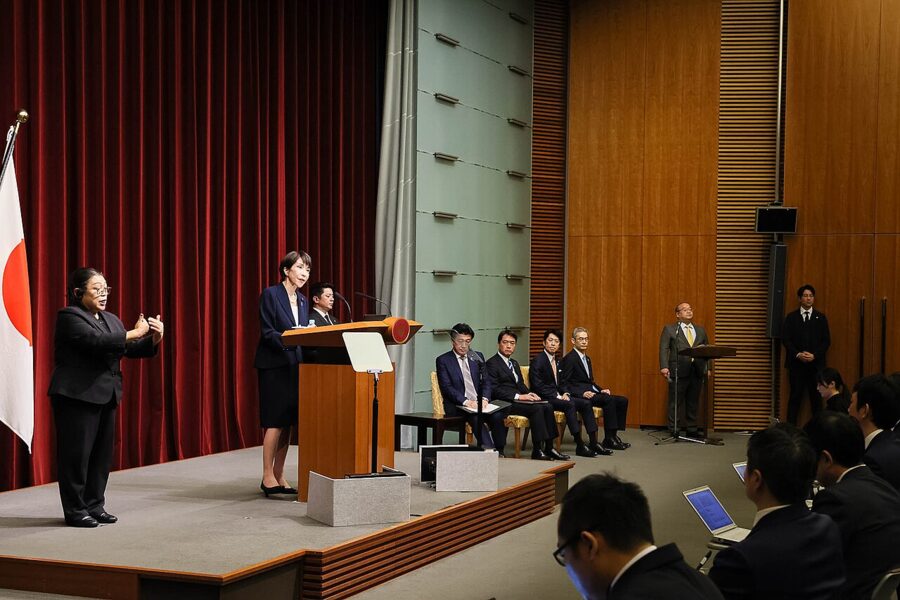
On 21 October the lower house gave her 237 votes to Noda’s 149, a first-ballot majority, and Emperor Naruhito appointed her that evening. How a prime minister is chosen, and who came before her, is covered separately.
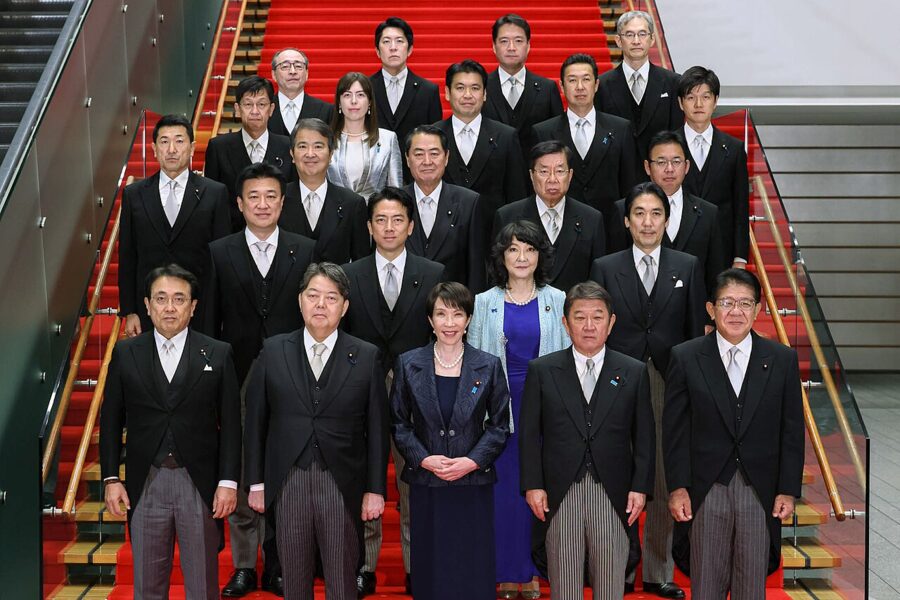

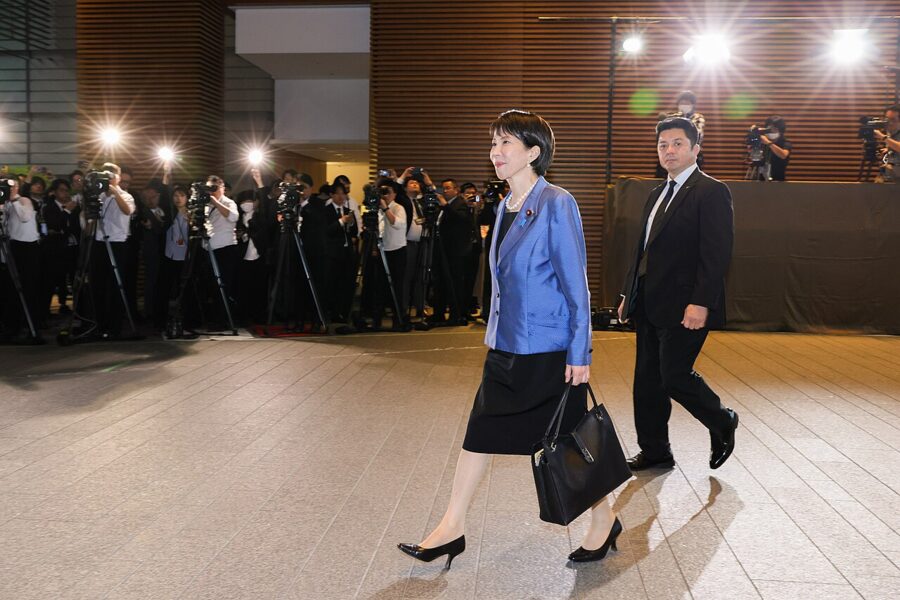
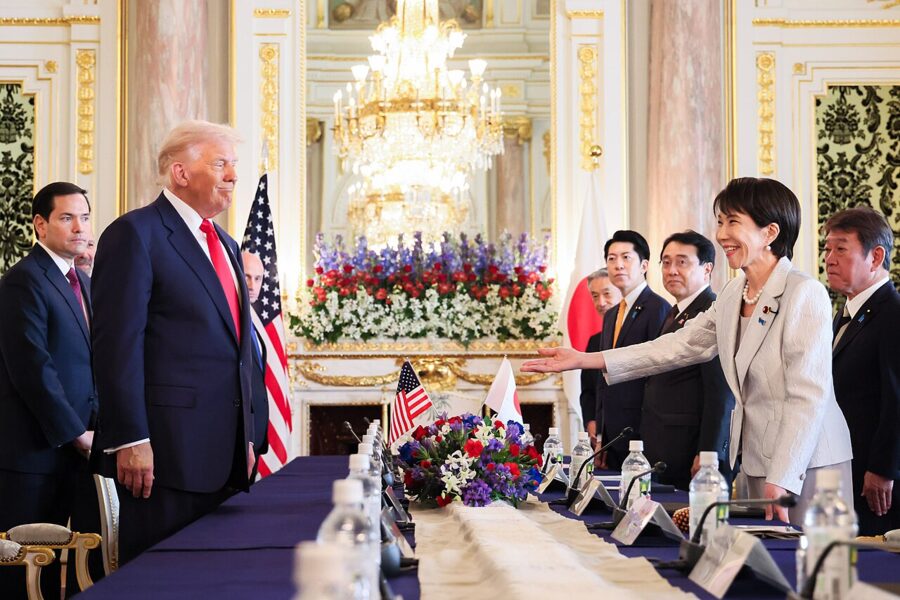
She had said she wanted as many women ministers as the Nordic countries; she appointed two, and said she had chosen on ability. The first weeks were summits: ASEAN in Kuala Lumpur, Donald Trump in Tokyo on 28 October, then APEC in Gyeongju, where she met Lee and Xi Jinping. Polls put her approval between 65% and 83%, among the highest for a new government in twenty years.

The February 2026 landslide
A minority government with high ratings has one obvious move. On 19 January 2026 she announced the dissolution of the lower house, carried it out on 23 January and set polling for 8 February. Her main promise was to suspend the 8% consumption tax on food for two years, which she called her own long-held wish.

The CDP and Komeito’s lower-house members had merged into the Centrist Reform Alliance (中道改革連合), which went in with 172 seats and came out with 49. The LDP alone won 316 of 465, the most any party has taken in a postwar lower-house election, and with Ishin’s 36 the coalition held 352. The full results gave the Democratic Party for the People 28, Sanseito 15 and the new Team Mirai 11.
The LDP alone won 316 of 465 seats, the most any party has taken in a postwar lower-house election.
She was especially popular with voters in their twenties and thirties, who bought out the pens and handbags she carried, a craze called Sana-katsu (サナ活). Critics pointed to the flood of flattering short videos, many made by third parties for advertising income, and to the 42 candidates linked to the slush-fund scandal whom the LDP endorsed.
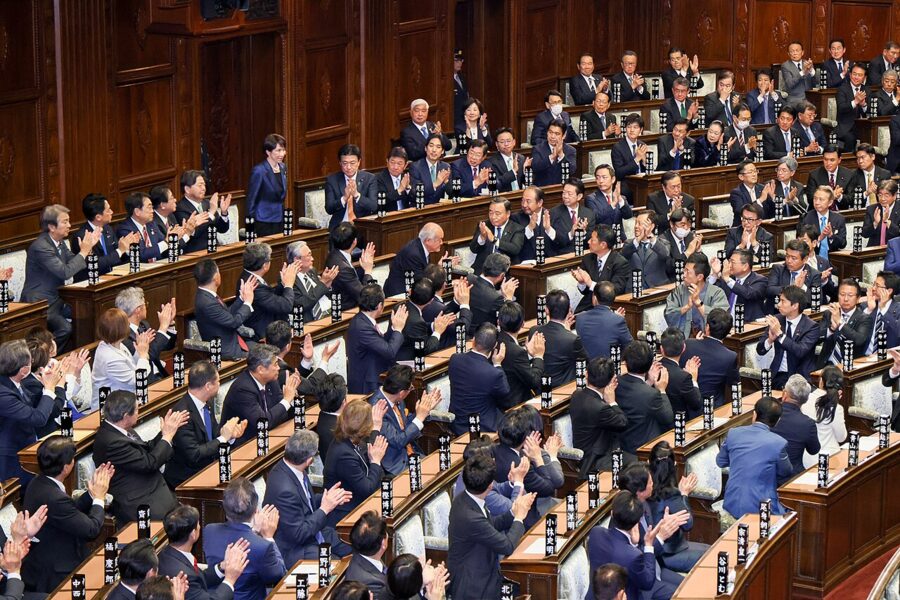

The landslide gave her something specific. Two-thirds of the lower house can override the House of Councillors on ordinary bills, which matters because the coalition is still a minority there until at least 2028. Proposing a constitutional amendment needs two-thirds in both houses, and she has it in only one.
What she stands for, and what she has done
Is she liberal or conservative? Conservative by any Japanese measure, and on the right of her party: she cites Margaret Thatcher as her model and sits in the Diet members’ group of the conservative lobby Nippon Kaigi. Her record in office is more mixed than that label suggests.
Yasukuni and the war
Yasukuni Shrine enshrines Japan’s war dead, including 14 men classed as Class A war criminals. Takaichi went regularly, including twice in 2024 as a minister. She has criticised the Murayama and Kono apology statements, and in 2022 said that stopping visits halfway only encouraged the other side.
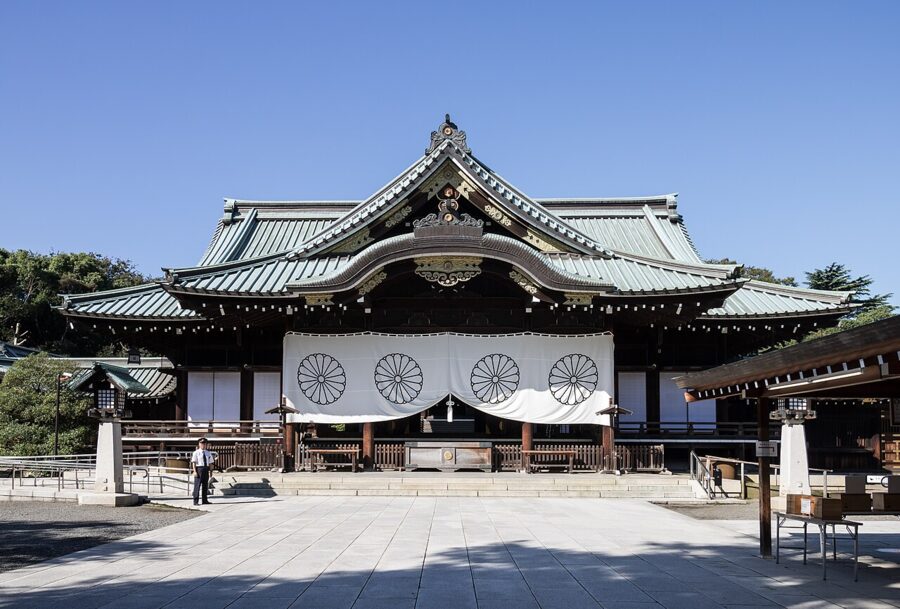

As prime minister she has not gone. She skipped the autumn 2025 and spring 2026 festivals, and on 15 August 2026 sent a tamagushi-ryō (玉串料, a ritual offering) at her own expense. Kyodo reported that after the national memorial service she bowed towards the shrine from the Nippon Budokan car park, yōhai (遥拝, “worship from afar”). China and South Korea protested the offering; some supporters on the right felt let down.
The constitution and defence
She wants Article 9, the clause renouncing war, amended to name the Self-Defense Forces, and in 2021 spoke of making them a “national army”. The legal basis for today’s missions abroad, the 2015 security laws, is explained in the piece on kaketsuke keigo. She brought forward the target of spending 2% of GDP on defence and related items to the 2025 fiscal year.
On 21 April 2026 her cabinet scrapped the “five categories” that had limited exports of finished defence equipment to non-combat uses such as rescue and minesweeping. Lethal weapons may now go, in principle, to countries with security-of-information agreements with Japan, case by case. The government says Japan remains a “peace nation”; the Communist Party’s paper Akahata called it a full opening of the arms trade.
China and Taiwan
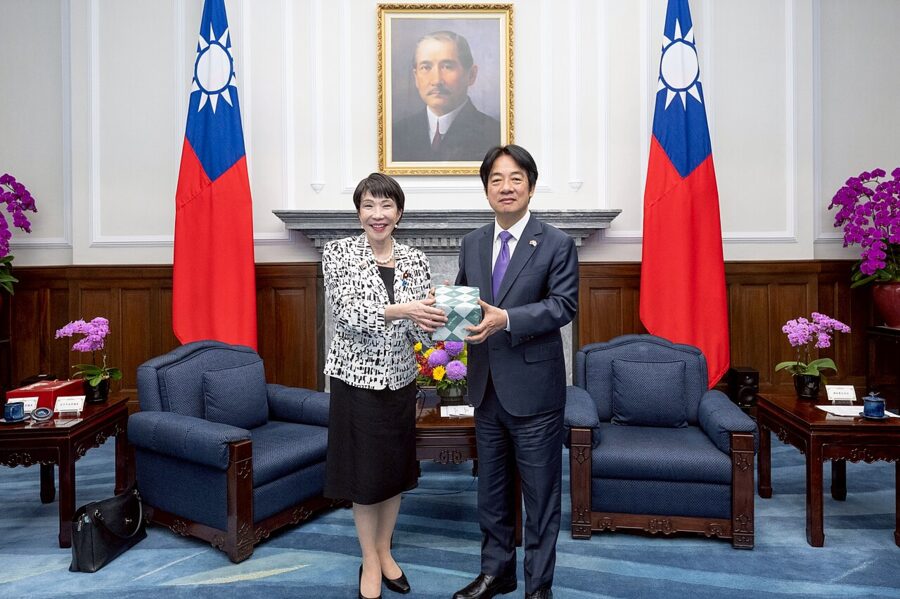
In April 2025, out of office, she met Taiwan’s President Lai Ching-te in Taipei. She has long repeated Abe’s line that “a Taiwan emergency is a Japan emergency”.

On 7 November 2025 an opposition member pressed her in the budget committee on when a Taiwan crisis would let Japan use force. Her answer used the 2015 laws’ term sonritsu kiki jitai (存立危機事態, a “survival-threatening situation”):
If it involves warships and the use of force, I think that, however you look at it, it could be a case that amounts to a survival-threatening situation.
Earlier prime ministers had avoided naming hypothetical cases, as Ishiba pointed out. Beijing demanded a retraction, its consul-general in Osaka wrote of cutting off a “dirty neck”, and on 14 November China told its citizens to avoid Japan; in January 2026 it banned exports of dual-use goods to Japan. She has not withdrawn the answer, and in an NHK poll published on 10 November 2026, 52% approved of her China policy and 39% did not.
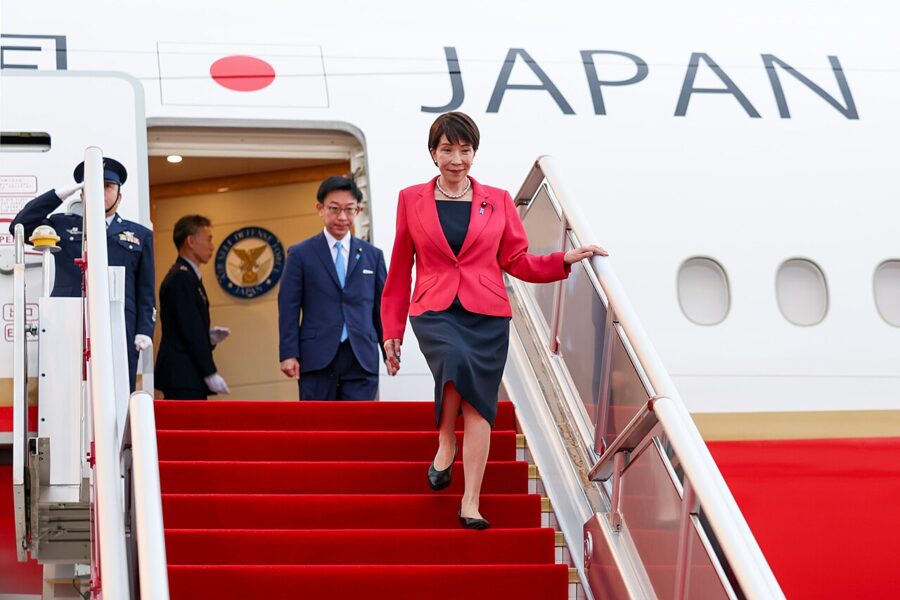

The cost showed at APEC in Shenzhen. She shook hands and exchanged a few words with Xi at the welcome dinner, and left as the only major leader there without a formal meeting with him.
The economy
Her economics are Abe’s with the volume up. She calls it sekinin aru sekkyoku zaisei (責任ある積極財政, “responsible, proactive public finances”): borrowing to invest in defence, energy and chips, and a Bank of Japan that does not tighten too fast. Long-term interest rates have risen and the yen has weakened, and her remark on 31 January 2026 that the government’s foreign-exchange account was doing nicely out of it went down badly with households paying more for food and fuel.
The food tax pledge is now a bill: on 9 October 2026 the cabinet approved cutting the rate from 8% to 1% for two years from April 2027, with a payment for lower-paid workers. Together they cost about ¥10 trillion (about $65 billion), with no deficit bonds promised and no source named. As of mid-November 2026 the bill was before the House of Councillors, where the coalition needs opposition votes.
Immigration
In the 2025 race she said foreigners must strictly obey Japanese law, promised a crackdown on overstayers and said economic migrants claiming asylum would be sent home. In office she has ruled out a cap on legal residents, added sectors to the skilled-worker visa, planned for up to 1.23 million workers under the main labour schemes, and in June 2026 shelved rules on foreign purchases of flats. Sanseito, to her right, calls that weakness; migrant support groups say the rhetoric did its own harm.
Women and the family
Japan’s first woman prime minister does not campaign as a feminist. She opposes separate surnames for married couples, which she said in 2020 could destroy a society built on family units, and opposes women succeeding to the throne. In July 2026 the Diet let princesses keep royal status after marriage and allowed men from former branch families to be adopted into the imperial family, while keeping the throne male-only.
Jiji Press counted that amendment among the reasons her approval fell to 49% in mid-July; polls have long shown most people willing to see a woman, such as Princess Aiko, reign. The only woman to run for the LDP leadership before her was Yuriko Koike, in 2008.
Drums, motorbikes and Deep Purple
She still drums. Her favourite band is Deep Purple, and she has said she plays “Burn” after an argument with her husband; when the band toured Japan in April 2026 they called at the Kantei, where she told them, the BBC reported, “You are my god.” She rode a Kawasaki Z400GP for years, drove a 1991 Toyota Supra, and supports the Hanshin Tigers.

Her husband is Taku Yamamoto, a former LDP lower-house member from Fukui. They married in 2004, divorced in 2017 and remarried in December 2021, when he took the surname Takaichi; she has no children of her own and three stepchildren. Does she speak English? She worked in it on Capitol Hill from 1987 to 1989.


Where her government stands, November 2026
Thirteen months in, approval has come down to earth. In Yomiuri Shimbun polls it peaked at 73% in December and February, fell to 56% in August and recovered to 59% after a reshuffle on 17 September. The Yomiuri’s mid-October poll had 57%; NHK’s, published on 9 November, 53% with 32% disapproving. Most of her predecessors would have taken those numbers.
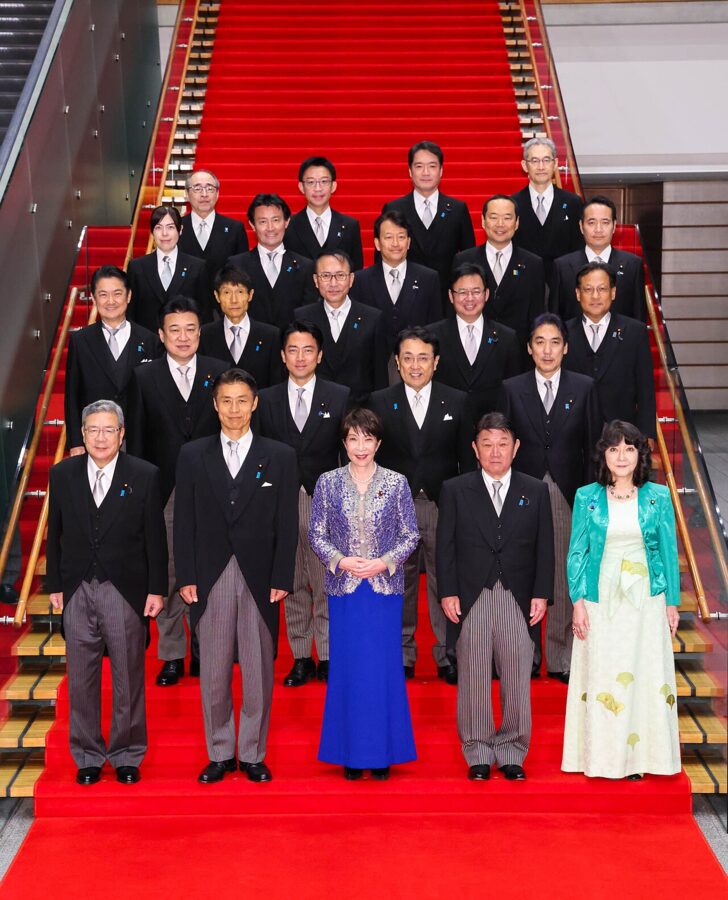

Her agriculture minister, Kazuo Yana, said he had cut road funding for towns whose mayors had not backed him; he withdrew the remark, denied seeking any cut, and resigned on 14 October after days in which she defended him. She said the responsibility for appointing him was hers, and named Arata Takebe the next day.
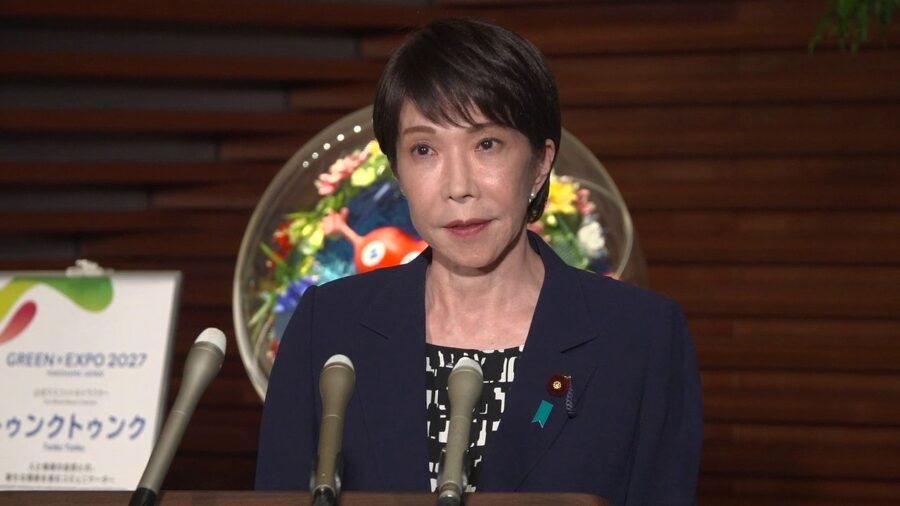

An older story lingers. In April 2026 Shukan Bunshun reported that people around her 2025 campaign had spread videos attacking Koizumi. She told the Diet her secretary had never met the man said to have made them, then on 10 June corrected that, acknowledging an online meeting; the Asahi Shimbun’s editorial called her explanation unconvincing.
Abroad, Reuters described her as a lonely figure at the Shenzhen summit table. At home, the food tax bill is her test in the upper house before the session ends on 12 December. Her term as LDP president runs to September 2027, and with 316 seats behind her I would not expect a serious challenge before then.
Seeing the Diet for yourself
The Kantei takes no visitors, but the Diet does. The House of Councillors runs guided tours on weekdays from 8am to 5pm, with the desk beside its annex closing at 4pm; no booking is needed, a tour takes about an hour, and nobody is admitted from an hour before a plenary sitting until it ends (as of November 2026). The nearest station is Kokkai-gijidomae, on the Marunouchi and Chiyoda lines.
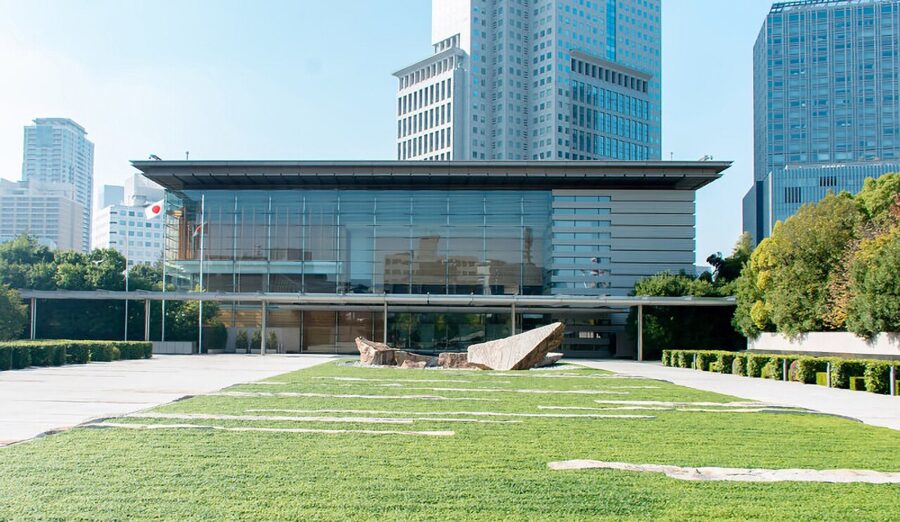

The tour passes the upper chamber’s public gallery, where her food tax bill now waits. In Nara, Lee told her he had fulfilled a lifelong dream; whether that bill passes by 12 December will say more about her next year than any drum kit.